REVIEW · AMALFI
From Amalfi Coast: Pompeii Herculaneum skip-the-line
Book on GetYourGuide →Operated by SUNLAND VIAGGI E TURISMO AMALFI COAST · Bookable on GetYourGuide
Two Roman cities, one volcanic night.
This small-group tour links Pompeii and Herculaneum in a single day, with coach travel along the Amalfi Drive and skip-the-line entrance tickets included. You’ll get expert guidance through two excavated worlds, then a return stop at a cameo atelier. It’s a lot to fit in, but the pacing is designed to keep the day moving without feeling rushed at the ruins.
What I like most is the expert archaeological guide. You’re not just staring at stones; you’re walking through the story of a commercial city and a residential coastal town, plus the day’s key Roman routines the guide points out. I also like that Pompeii and Herculaneum are each given around two guided hours, with a lunch window in between so you can reset before the second site.
One thing to think about: this is a long day of walking on excavation paths and uneven ground, so it’s not the right pick if mobility is limited. There’s also a real risk that you may have trouble hearing at Herculaneum if the group doesn’t get individual communicators.
In This Review
- Key Things To Know Before You Go
- From the Amalfi Coast to Pompeii: the ride that sets the tone
- Skip-the-line entry: how to save your energy
- Pompeii’s streets, baths, and the commercial city vibe (about two hours guided)
- Lunch time reset before you switch to the quieter city
- Herculaneum’s homes feel different—and the guide matters (about two hours)
- Ercolano’s return journey and the cameo atelier stop
- Price and value: is $169.93 a fair deal?
- Who should book this Pompeii + Herculaneum small-group tour
- How to make this day easier on your body (and your attention)
- Should you book this skip-the-line day from the Amalfi Coast?
- FAQ
- How long is the Pompeii and Herculaneum skip-the-line tour?
- Is skip-the-line entry included for both sites?
- How much guided time do you get at Pompeii and at Herculaneum?
- Is lunch included?
- Do I get pickup from Praiano?
- What languages are offered?
- Is the tour refundable if plans change?
Key Things To Know Before You Go
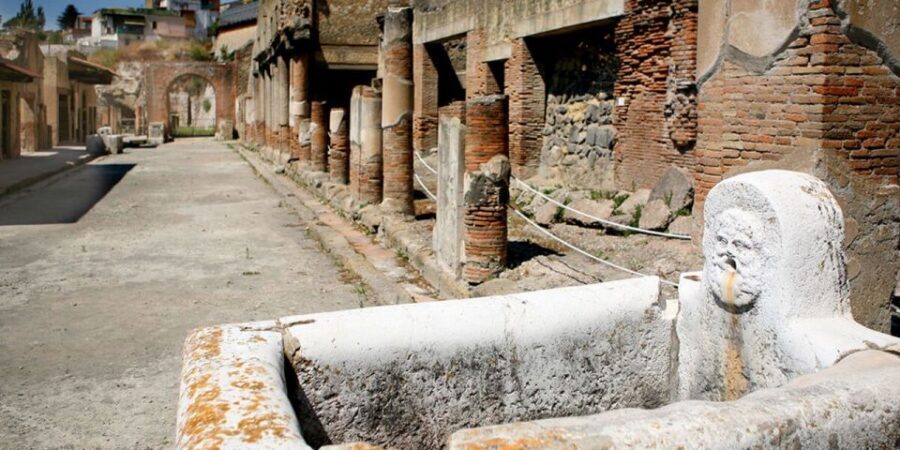
- Skip-the-line tickets are included for both Pompeii and Herculaneum, so you lose less time to entry queues.
- Two guided blocks (about two hours each) keep you focused on what matters most at each site.
- You’ll see Roman life details, including highlights like public baths and gymnasium as explained by the guide.
- Pacing includes lunch time before you head onward to Herculaneum.
- A cameo atelier stop breaks up the day on the way back to the Amalfi area.
- Not for limited mobility, and it’s a long walking day overall.
From the Amalfi Coast to Pompeii: the ride that sets the tone
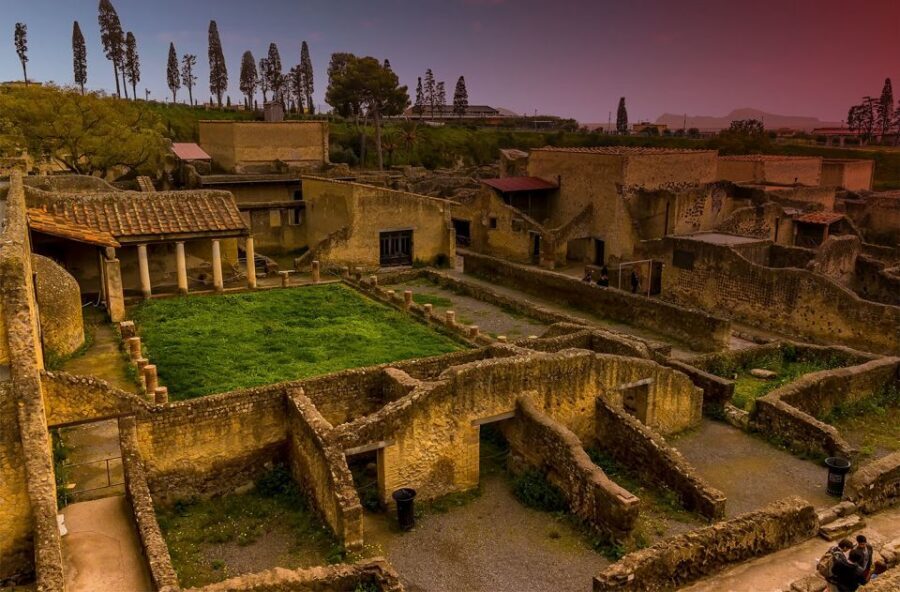
The day starts with a meet-up point that can vary based on your booking option, then you board an air-conditioned coach for the drive to Pompeii. If you’re joining from the Amalfi side, you’ll typically travel along the Amalfi Drive and pass through the towns that make this coast famous. It’s a scenic warm-up before you trade sea views for volcanic ash.
This matters more than it sounds. Pompeii and Herculaneum can be heavy topics—sudden destruction, buried streets, abrupt endings. Getting that visual “before” (the coast and towns) helps you understand what was lost and why these places were so important on the Campanian shoreline.
If your option includes pickup from Praiano to Amalfi, a minibus takes you to the main coach at Amalfi. On the way back, traffic rules mean the minibus drop-off service may not run, so you’ll likely end in Amalfi. That’s one small logistics detail worth planning around if you’re connecting onward after the tour.
If you're still narrowing it down, here are other tours in Amalfi we've reviewed.
Skip-the-line entry: how to save your energy
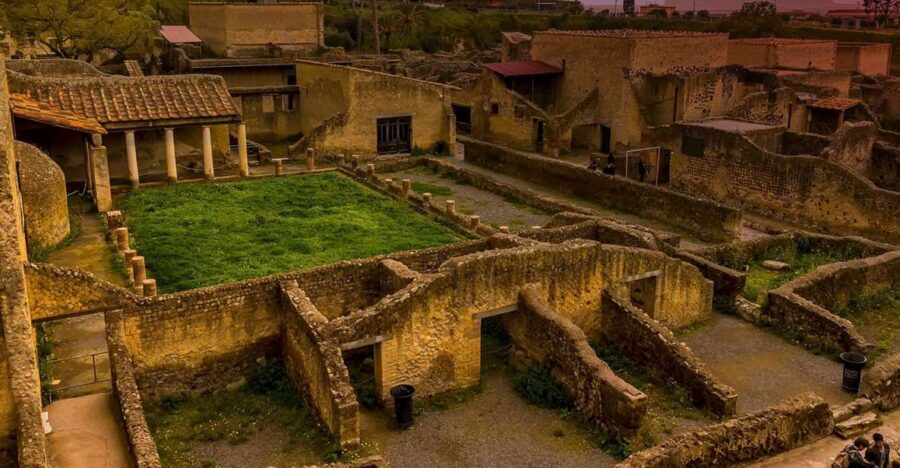
The tour includes skip-the-line tickets for the ruins of Pompeii and Herculaneum. In practice, that usually means less waiting at entry points and more time spent where you’re actually paying attention—inside the excavations.
Still, expect this to be a popular route. Even with skip-the-line, you’re arriving at a major archaeological calendar anchor, so gates and security can still involve some movement. The payoff is that you’re not stuck watching other groups file in for an extra hour.
There are also special dates to know about: 1st Monday of each month offers free entrance to State sites, and the tour notes Special Sundays with free entrance. If your travel dates line up, you may save money compared with paying separate entrance fees. The key point for your day, though, is that the tour’s core promise is less queue time and a guided experience that keeps you oriented.
Pompeii’s streets, baths, and the commercial city vibe (about two hours guided)
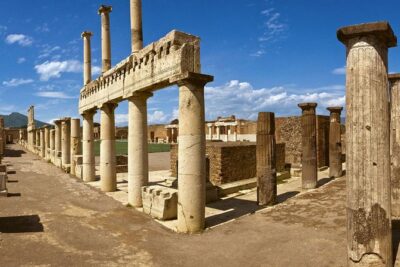
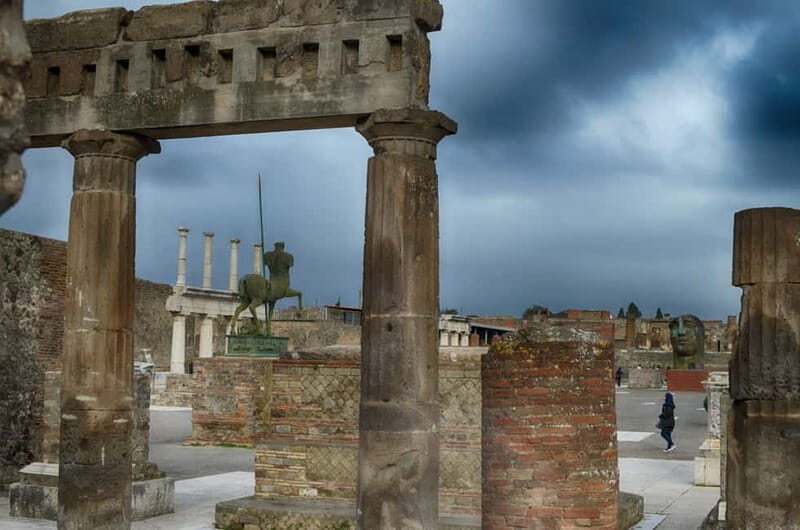
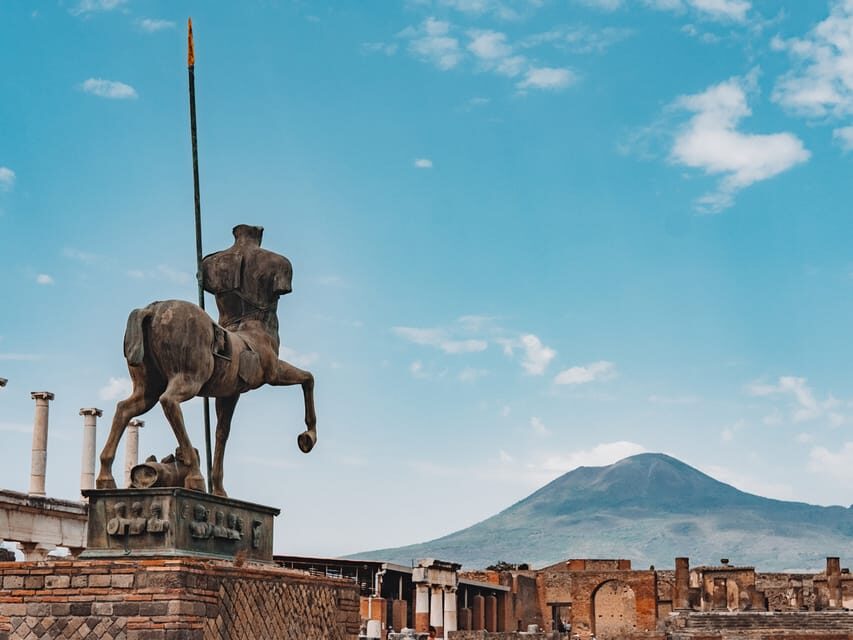
Pompeii is the bigger, louder story of the day. You’ll arrive and get around two hours of guided touring through the archaeological excavations. The guide sets the scene as a thriving commercial centre that was buried by Vesuvius.
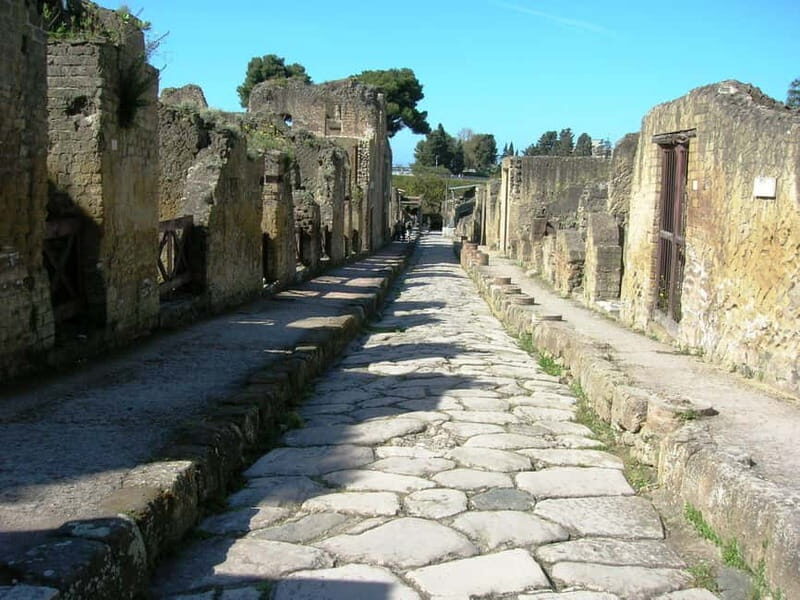
What makes Pompeii unforgettable is not just scale. It’s the way everyday life is laid out in front of you. The ruins aren’t random piles. They’re street grids, shopfront spaces, and neighborhood structures that help you picture how people moved and worked.
A guide-led visit helps you connect the dots fast. Without that context, Pompeii can feel like a lot of wall fragments. With it, you start noticing how the city functioned—where commerce happened, how people used public spaces, and how daily routine looked in real terms.
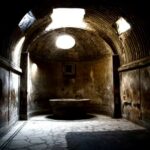
The tour highlights that you’ll explore notable areas in town, including public baths and gymnasium. That’s a great choice for learning Roman life because these weren’t just “pretty buildings.” Baths and gymnasiums were social hubs and a core part of routine. You’ll be better able to imagine the rhythms of a Roman day: meeting, relaxing, training, and catching up—then doing business.
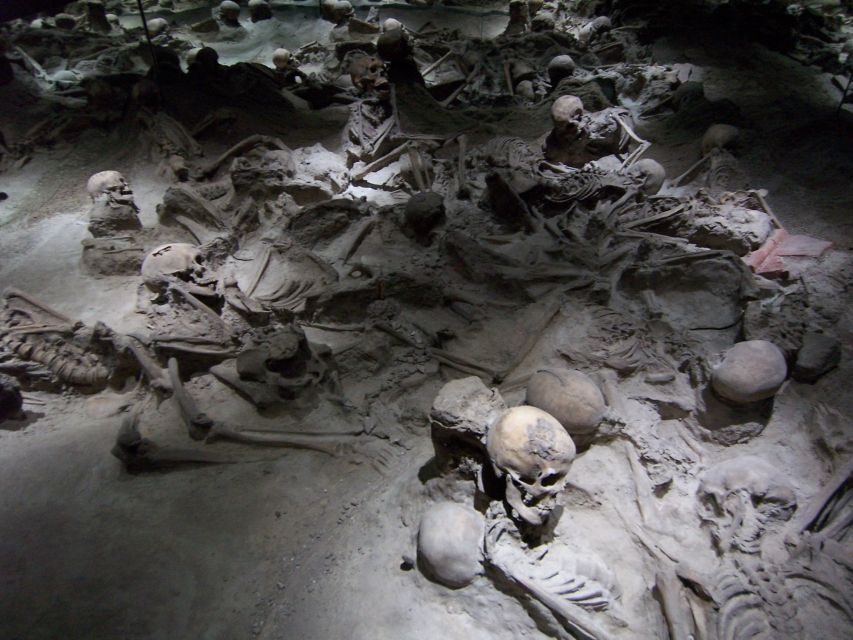
One historical detail your guide will likely anchor you to is the eruption timing: the city was buried during the night between 24 and 25 August 79 A.D., with about 5 meters of lapilli and ash. That’s a staggering amount, and you’ll feel the abruptness when you realize the excavation preserves consequences as much as it preserves structures.
Practical takeaway: Pompeii requires your eyes to stay active and your legs to stay steady. If you’re prone to slowing down, you might want to pace yourself during the guided portion so you still enjoy the free time afterward.
Lunch time reset before you switch to the quieter city
After Pompeii, you’ll have free time for lunch before continuing to Ercolano (Herculaneum). This is the right kind of break because it stops the day from turning into a nonstop museum shuffle.
You don’t have food and drinks included, so plan on buying lunch on your own. That’s normal for this kind of tour, but it means your best strategy is simple: eat early enough to avoid being rushed, and choose something that won’t sit heavy if you’re about to walk again.
Also, use the lunch break to do a quick mental gear shift. Pompeii is the big commercial machine. Herculaneum is the coastal residential side. Your brain enjoys this contrast when you give it a breather.
Herculaneum’s homes feel different—and the guide matters (about two hours)
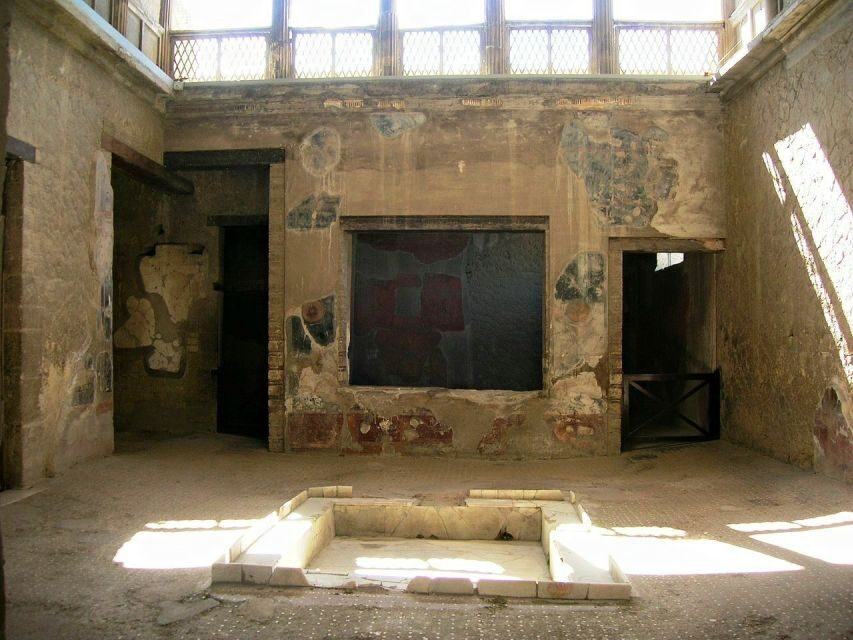
Then you head to Herculaneum. Like Pompeii, this town was buried by Vesuvius, but the feel is very different. Herculaneum was a quaint residential coastal town, so the emphasis tends to shift from markets and public life toward homes and the lived-in details of everyday property.
You’ll get around two hours of guided visiting here too. The reason a guide is extra valuable at Herculaneum is that it’s easier to lose the “why” of what you’re seeing. Pompeii often catches you with sheer scale. Herculaneum catches you by showing how ordinary life looked when you can still read the layout.
What you should expect is a guided walkthrough of key excavated areas. Even if you’re already familiar with Pompeii, Herculaneum tends to feel more personal because it’s easier to imagine people going about their routines at home: rooms, thresholds, and spaces that say more quietly what mattered.
One real-world consideration from the experience: hearing can be tricky. If your group doesn’t receive communicators, you may struggle to catch everything at Herculaneum, especially if the group spreads out. Your best move is to position yourself somewhere closer to the guide when you can, and don’t be shy about asking the guide to repeat or clarify something.


Ercolano’s return journey and the cameo atelier stop
On the way back, the tour includes a stop at a cameo atelier. This is the only “shopping-ish” moment in the day, though it’s framed as a workshop stop rather than a required purchase.
If you’re curious about craftsmanship, it’s a nice change of pace. You’ll likely see how cameos are made and what the finished pieces look like, which gives you a tangible connection to how Italy turns local skills into products that travel far beyond the coastline.
If you’re not interested in buying, you can still treat it as a quick cultural pause. Just keep an eye on time so you’re not wiped out when you return to the Amalfi area.
Price and value: is $169.93 a fair deal?
At $169.93 per person, this tour sits in the “worth it if you want structure” category. Here’s what you’re paying for, beyond just transport:
- Two guided archaeology visits (Pompeii and Herculaneum), each around two hours
- Skip-the-line tickets included for both sites
- Air-conditioned coach travel along the Amalfi Coast
- Small-group format, which usually makes the guide’s explanations more workable than in huge bus groups
That combination is where the value is. Pompeii and Herculaneum are big enough that a DIY plan can quickly turn into wasted walking and missed context. Paying for an expert guide doesn’t just add comfort—it helps you understand what you’re looking at so the day sticks with you.
Where you might question value is if you know you won’t like walking, or if you want long, slow wandering without any guided segments. This tour is built to cover both sites in one day. That’s efficient, but it isn’t “take your time forever.”
Who should book this Pompeii + Herculaneum small-group tour
This is a good fit if you want:
- A one-day plan that combines the two sites without the stress of sorting schedules yourself
- Guided explanations focused on what Roman life looked like—especially public routines and daily spaces like baths and gymnasium
- Less friction at entry thanks to skip-the-line tickets
It’s probably not your best match if:
- You have limited mobility or find uneven walking surfaces hard (this tour is not suitable)
- You get motion sickness easily (the itinerary includes coach travel and lots of time on transport)
- You’re expecting a low-walking day
Language is English for the live guide, with an optional audio guide in English. If you rely on audio, it’s worth checking what options your booking includes.
How to make this day easier on your body (and your attention)
This route is unforgettable, but it’s physical. To keep it enjoyable, pack for comfort, not fashion.
Bring:
- Comfortable shoes you can trust on uneven stone and excavation ground
- Your passport or ID card (a copy is accepted)
On the day:
- Stay close during guided sections so you don’t miss key explanations.
- If you’re sensitive to heat, plan your pace—there’s a lunch window, but the rest is structured walking.
Also, mentally prepare for contrast. Pompeii will feel bigger and more public-facing. Herculaneum will feel calmer, more domestic. That shift is the whole point.
Should you book this skip-the-line day from the Amalfi Coast?
If you want to see both Pompeii and Herculaneum in one day with an expert guide and skip-the-line entry, this is a strong booking. The guided time blocks, included tickets, and small-group structure are the difference between a sightseeing checklist and a real story you can follow.
I’d only skip it if you know you can’t handle a long walking day, or if you’re very sensitive to motion or hearing challenges during group tours. Otherwise, this is the kind of day trip that’s worth the cost because it saves effort and adds meaning.
FAQ
How long is the Pompeii and Herculaneum skip-the-line tour?
It runs about 8 to 9 hours. Starting times vary, so you’ll want to check availability for the exact departure.
Is skip-the-line entry included for both sites?
Yes. Skip-the-line tickets are included for Pompeii and Herculaneum.
How much guided time do you get at Pompeii and at Herculaneum?
You’ll have around 2 hours guided at Pompeii and around 2 hours guided at Herculaneum.
Is lunch included?
No. Food and drinks are not included, but there is free time for lunch during the day.
Do I get pickup from Praiano?
Pickup is optional. The tour can include pickup by minibus from Praiano to Amalfi is included. On the return, due to traffic regulation, no minibus service may be available and drop-off will be Amalfi.
What languages are offered?
The live tour guide is English. An optional audio guide is also available in English.
Is the tour refundable if plans change?
You can cancel up to 24 hours in advance for a full refund.