REVIEW · ROME
From Rome: Pompeii and Herculaneum Tour w/ High-speed Train
Book on GetYourGuide →Operated by ItaliaTours · Bookable on GetYourGuide
Frozen-in-time ruins are way easier when someone else handles the logistics. This Rome to Pompeii and Herculaneum day trip strings together a smooth high-speed train and guided site time, so you spend less brainpower on schedules and more on the streets you came to see.
I really like two things here: first, you get guided tours at both sites, with real context for everyday Roman life and why the catastrophe mattered. Second, the day is built around convenience—roundtrip train from Rome, air-conditioned coach transfers, skip-the-line entry, and lunch included.
One heads-up: this is a long, walking-heavy day. You’ll cover uneven cobblestones, steps, and hills, and it’s not a good match if your mobility is limited or your fitness level is low.
In This Review
- Key points worth your attention
- How this Pompeii and Herculaneum day trip stays organized from Rome
- Termini Station to Naples: the fast train that sets the tone
- Pompeii Archaeological Site: cobblestones, daily life, and what skip-the-line really buys you
- The included lunch: Neapolitan pizza in a historic-feeling stop
- Herculaneum after Pompeii: ash and mud that preserve everyday detail
- The pacing: one day to cover two sites, and how to make it work
- Value and price: why around $201.75 can actually feel fair
- Comfort and fitness: what you should plan for before you go
- Who should book this tour from Rome
- Should you book: my honest call
- FAQ
- How long is the Pompeii and Herculaneum tour from Rome?
- Where do I meet the tour group in Rome?
- What’s included in the price?
- Is lunch included, and what does it involve?
- Do I need to buy entry tickets in advance?
- Is the tour suitable for wheelchair users?
- Is there a lot of walking?
Key points worth your attention
- High-speed train roundtrip to Naples cuts out the most stressful parts of planning
- Skip-the-line entry helps you start seeing ruins sooner
- Guides like Antonio and Chiara are often highlighted for making Pompeii and Herculaneum click
- Pompeii vs. Herculaneum in one day is the best kind of comparison: everyday life vs. better preservation
- Lunch is included and often described as a full sit-down meal, not a snack
- Plenty of walking means good shoes matter more than you think
How this Pompeii and Herculaneum day trip stays organized from Rome
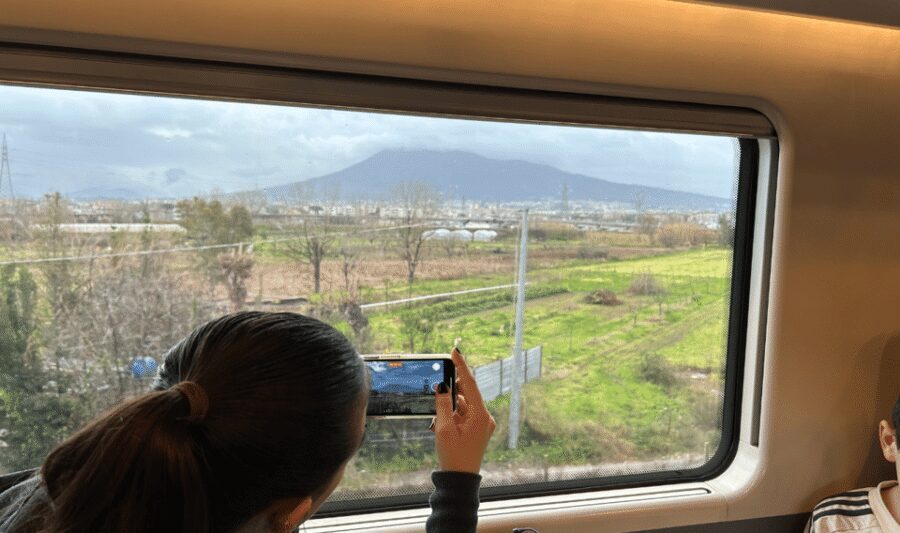
If you’re short on time in Rome, this is the kind of day trip that saves your energy. Instead of building your own route, you meet the group at Termini Station and everything else runs on a set rhythm: train, coach transfer, guided ruins, then back to Naples for the return train.
The structure matters. When Pompeii and Herculaneum are on your list, the hardest part is rarely the ruins themselves. It’s the friction—finding platforms, lining up tickets, getting stuck in transfer confusion, and losing hours to little delays. This tour is designed to reduce that chaos, and most people come away feeling it actually flowed.
You also get a classic “two-city” payoff. Pompeii gives you the big, dramatic sense of a place mid-life. Herculaneum often feels more intimate, because it’s smaller and preserved in a way that can make you stop and stare longer.
Other Pompeii + Herculaneum tours
Termini Station to Naples: the fast train that sets the tone
Your day starts at Caffè Vergnano inside Termini Station, on the departures level. You enter the main terminal from any entrance, then head to the shopping area facing track #1, where a representative holding an ItaliaTours sign meets you.
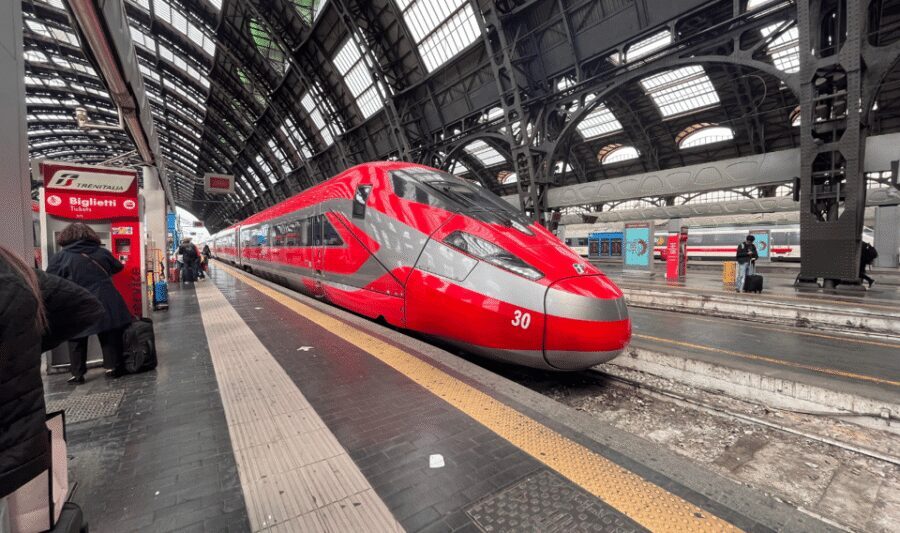
From there, you take the high-speed train to Naples (about 70 minutes). You’ll get a real break from the usual Rome traffic stress, and you’re not stuck waiting around in long lines just to start the day.
Once you arrive in Naples, you’ll meet your local guide and then do a quick safety briefing (about 30 minutes) before boarding an air-conditioned coach. Reviews and overall feedback consistently point to smooth handoffs—people feel guided to the right place, not left to figure it out alone.
Pompeii Archaeological Site: cobblestones, daily life, and what skip-the-line really buys you
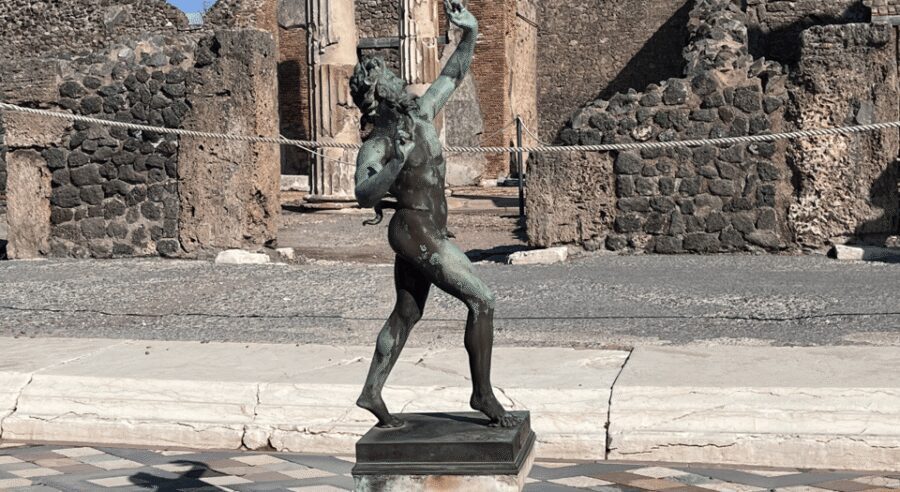
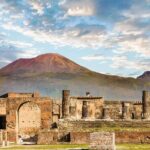
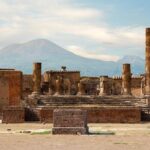
Pompeii is the headline. It’s also the place where you can easily lose time if you show up unplanned—crowds, ticket lines, and the simple fact that the site is huge.
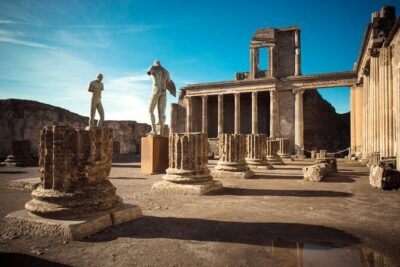
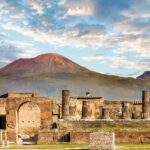
Here, you get skip-the-line entry and then a guided Pompeii walking tour of about 2.5 hours. That time is aimed at the most meaningful areas, with stops that help you read the city like a story: where people shopped, ate, worked, bathed, and lived their normal days right up to the eruption.
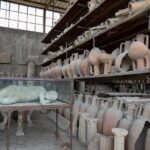
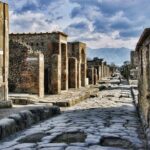
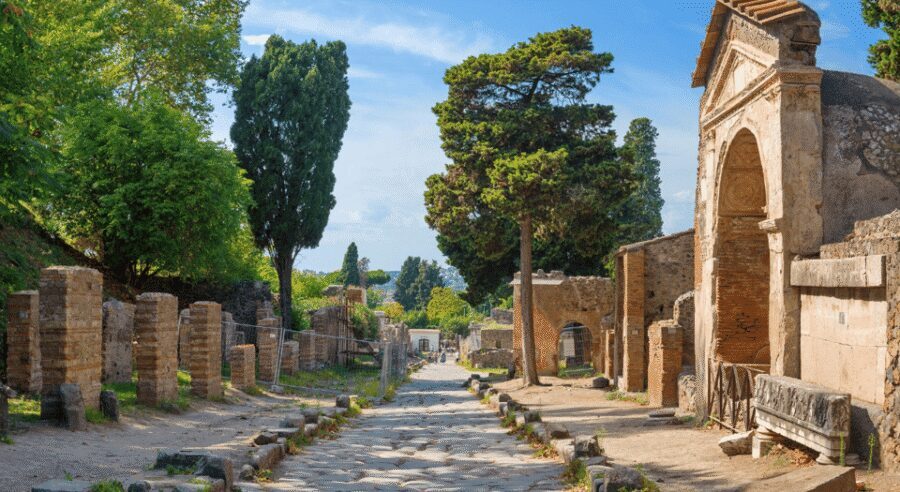
This part is especially good if you want the “how did people live?” side, not just the “volcano scary” side. Pompeii’s preserved features make it easier to picture the routines—well-preserved bakeries, shops, public baths, and even areas associated with brothels. Walking the ancient cobblestone streets while a guide explains what you’re looking at turns the site from a list of ruins into something human.
Now for the trade-off. Pompeii can swallow a whole day—or more. Since your guided time is set (and you also need to get lunch and head to Herculaneum), you shouldn’t expect to see every famous corner. Some people have felt certain highlights could have been tighter in the schedule, so come with an “I’m here for the big picture” mindset if you truly want to cover both cities in one day.
The included lunch: Neapolitan pizza in a historic-feeling stop
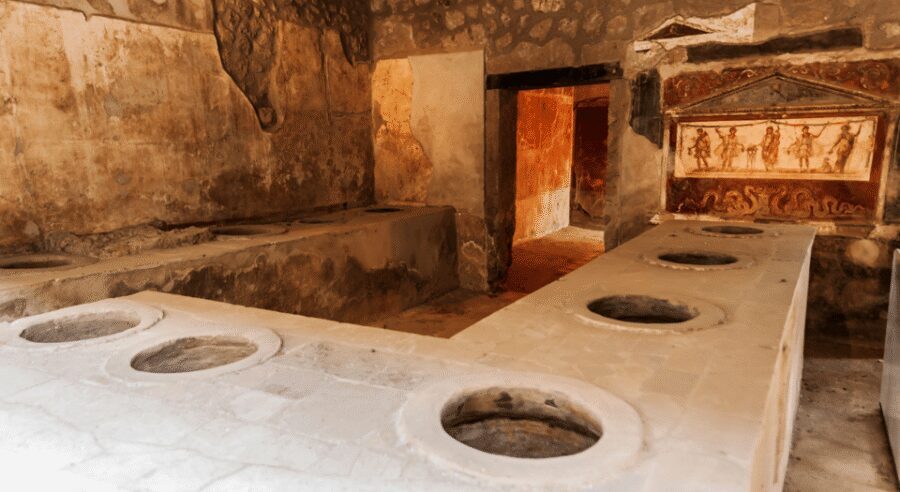
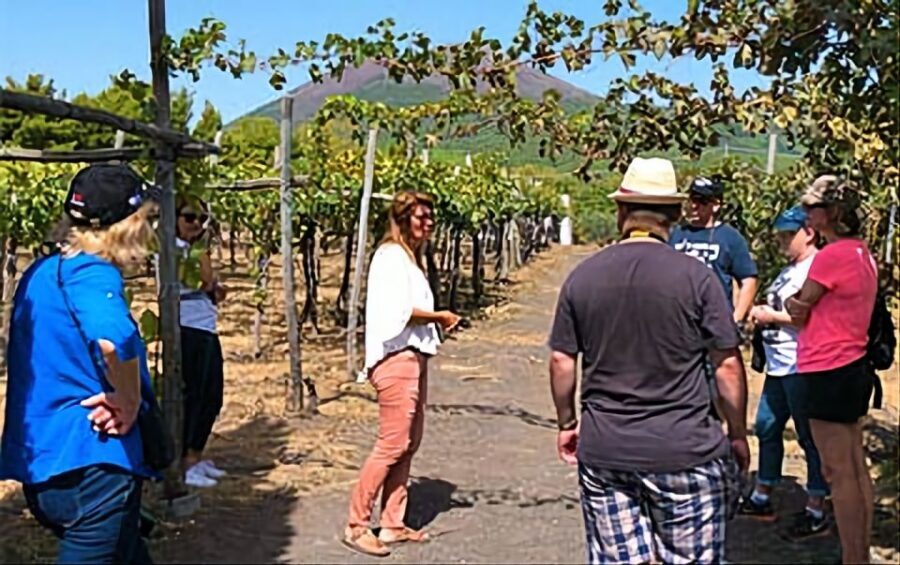
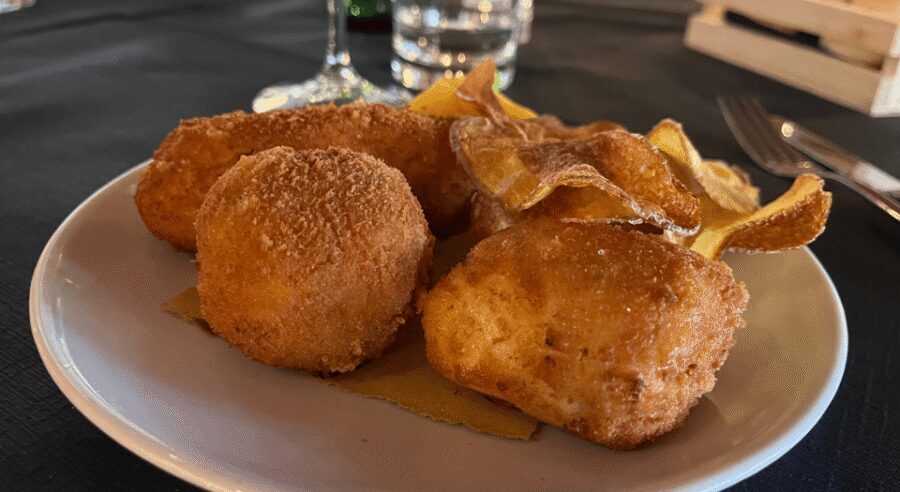
Between Pompeii and Herculaneum, you’ll get lunch (about 1 hour). The tour experience includes authentic Neapolitan pizza, served at a pizzeria described as converted from an antique rail station—a neat detail that makes the break feel like part of the Naples story, not just a hurried stop.
A key value point: lunch is not an afterthought here. Multiple people mention a three-course meal included, and that it was actually good—served in a comfortable setting, with enough choice to keep things from feeling like a rushed cafeteria line.
This is also a smart scheduling move. Pompeii can be intense—heat, sun, walking, and the sheer number of stops. A proper sit-down meal resets you for Herculaneum, which may be physically easier (smaller site) but emotionally just as heavy.
Practical tip: after Pompeii, your best move is to eat, hydrate, and slow down for 10 minutes. The ruins are amazing, but dehydration will steal your attention faster than any crowd.
Herculaneum after Pompeii: ash and mud that preserve everyday detail
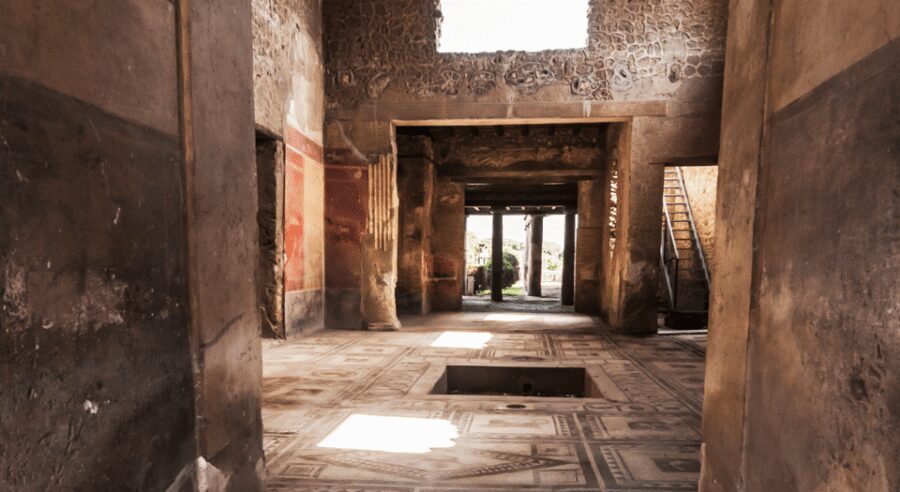
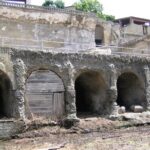
If Pompeii feels like a city frozen in public view, Herculaneum can feel like it was caught more quietly. Herculaneum was buried under a mix of ash and mud, which solidified over time and helped protect a lot of what you can still see today.
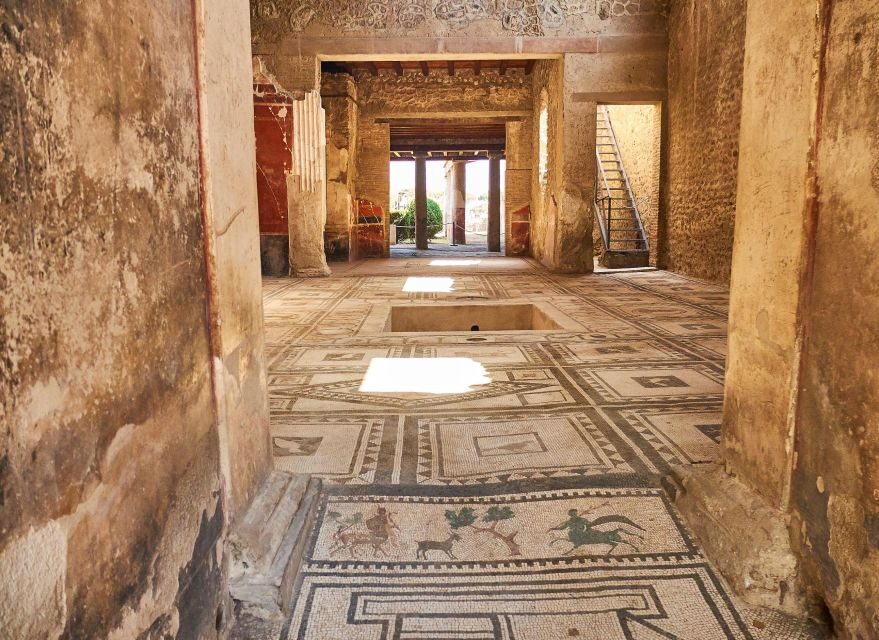
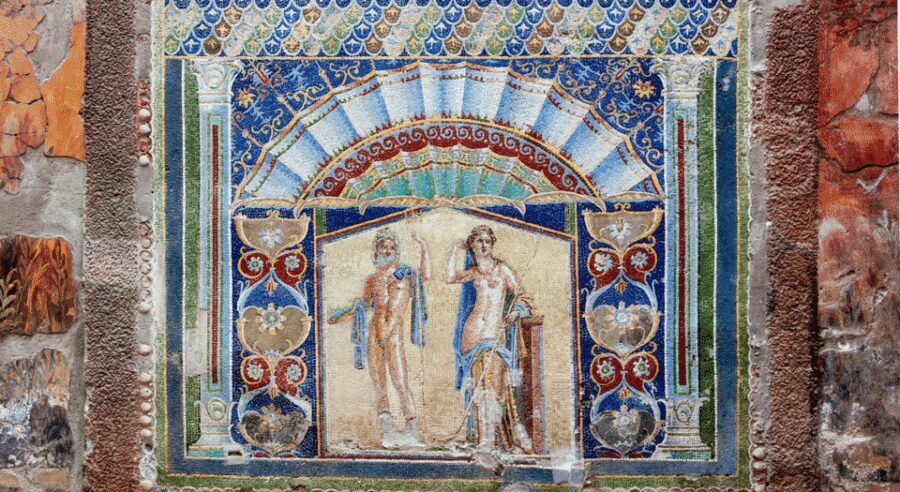
You’ll take a short coach transfer after lunch, then enjoy a guided Herculaneum tour of about 1.5 hours. Because the site is smaller than Pompeii, the guide can keep things focused, and you’re more likely to notice details—tiles, mosaics, and the way spaces were laid out.
People often describe Herculaneum as “better preserved,” and that reputation holds up in the way the ruins let you picture daily life. Expect plenty of mosaic work and other remnants that don’t feel as fragmentary. In one highlighted comment, someone specifically mentioned an original wooden sliding screen, which gives you a sense of how preserved objects can feel almost too real.
This is also a moment where the guide’s storytelling can matter a lot. Names like Paula and Antonio show up in praise for making the comparison between Pompeii and Herculaneum click—how the same Roman world could look so different after the eruption and the rescue-and-recovery process.
Other Herculaneum tours and tickets
The pacing: one day to cover two sites, and how to make it work
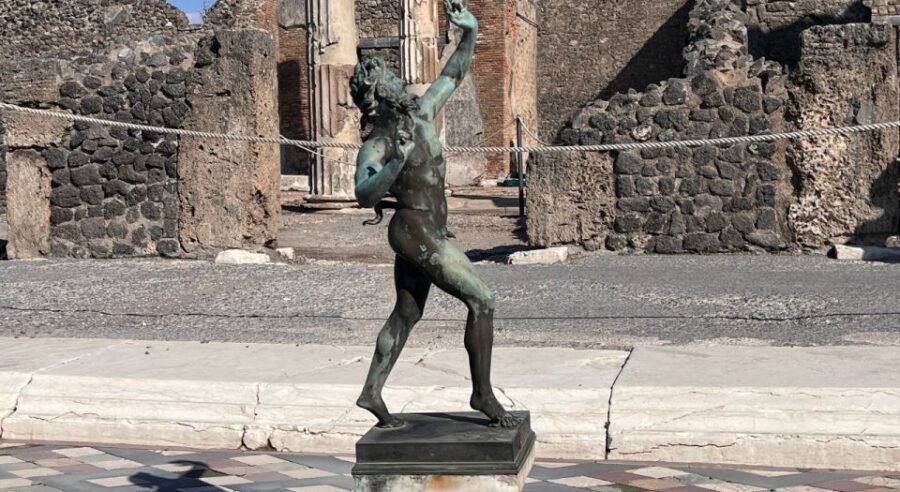
This is an 11-hour day from start to finish. It’s built for momentum: train, safety briefing, coach, Pompeii walking time, lunch, coach, Herculaneum walking time, then coach back to Naples for the return train.
That pacing has a benefit. You get a whole “A vs. B” experience—Pompeii’s scale and streets, then Herculaneum’s preservation and detail—without needing to book two separate days.
It also means you’ll have limited flexibility if you’re the type who wants to stop at every single doorway and photo every wall. One reviewer felt the Herculaneum segment was a bit short, while another felt Pompeii could have left more time for specific highlights like the famous Beware of the Dog mosaic. So aim for “I want the major story” rather than “I want every single postcard corner.”
If it’s hot, you’re not powerless. Guides in this format often manage shade and pacing. One comment specifically mentioned the guide doing their best to keep people shaded on a hot day, which is the kind of detail that can make a long day feel manageable instead of miserable.
Value and price: why around $201.75 can actually feel fair
At about $201.75 per person, this isn’t a budget-only option. But it can still feel fair when you count what’s included.
You’re paying for:
- Roundtrip high-speed train between Rome and Naples
- Air-conditioned coach transfers in Campania
- A live English guide for both archaeological sites
- Skip-the-line entry tickets to Pompeii and Herculaneum
- Lunch included
The big value is not just the train. It’s the time savings and the hassle reduction. If you try to DIY both sites in one day, the planning burden can be the real tax—finding timed entry, managing transfers, and staying oriented across large sites. This tour compresses all of that into a single, guided day.
And because you’re seeing both Pompeii and Herculaneum, you’re also getting better “learning per hour.” Even the best solo visit is often only one site. Here, the contrast helps you understand what the eruption did differently to two places that were part of the same region.
Comfort and fitness: what you should plan for before you go
This tour involves a lot of walking, and the terrain isn’t “pretty flat museum floor.” You’ll be moving across uneven Roman cobblestones, plus expect steps and hills.
That’s why it’s not suitable for wheelchair users and not recommended for people with a low level of fitness. If you’re unsure, be honest about your ability to walk for hours on uneven ground while staying with a group.
What to bring (practical, not dramatic):
- Comfortable walking shoes with grip
- Water, and a small snack if you get hungry fast
- Sun protection (hat and sunscreen), especially for the Pompeii portion
- A light layer if you get sensitive to indoor air-conditioning during transfers or meals
Also, set your expectations: this is a “see the core sites” day. If you want deep, unhurried wandering, Pompeii alone deserves more than one day.
Who should book this tour from Rome
I’d point you toward this tour if you:
- Want a first-time Roman ruins day that hits Pompeii and Herculaneum in one go
- Prefer guided context over self-reading alone
- Like the idea of using the high-speed train instead of coordinating buses and tickets
It can also work well for solo travelers. Comments highlight that people felt safe and ended up enjoying the group dynamic, including laughing and sharing lunch.
Skip it (or pick a gentler option) if:
- Your walking ability is limited
- You need step-free routes
- You want lots of free time inside each site without group timing
Should you book: my honest call
If your goal is a high-value Pompeii and Herculaneum day trip from Rome with low stress, this is a strong choice. You get the most important pieces—guided ruins, skip-the-line entry, a guided train-and-transfer plan, and lunch—in a single 11-hour package that doesn’t leave you wrestling with logistics.
Book it if you’re ready for a real walking day and you want the bigger story quickly. If you need a slower pace, or if uneven ground is a problem, you’ll probably enjoy Pompeii or Herculaneum more with a different format.
FAQ
How long is the Pompeii and Herculaneum tour from Rome?
The total duration is about 11 hours.
Where do I meet the tour group in Rome?
Meet at Caffè Vergnano inside Termini Station on the departures level, in the shopping area facing track #1. Look for an ItaliaTours representative holding a sign.
What’s included in the price?
Roundtrip high-speed train between Rome and Naples, air-conditioned coach transfers, a guide (English), skip-the-line tickets for Pompeii and Herculaneum, and lunch.
Is lunch included, and what does it involve?
Yes. Lunch is included, and the Pompeii portion includes an authentic Neapolitan pizza stop at a historic-feeling venue.
Do I need to buy entry tickets in advance?
No. You get skip-the-line entry tickets included for both Pompeii and Herculaneum.
Is the tour suitable for wheelchair users?
No, it’s listed as not suitable for wheelchair users.
Is there a lot of walking?
Yes. This tour involves a lot of walking, including steps and uneven ground, so it’s not ideal if your fitness level is low.