REVIEW · NAPLES
Private Tour to Pompei and Herculaneum: Skip-the-line Tickets
Book on Viator →Operated by Thebayofnaples · Bookable on Viator
Pompeii and Herculaneum feel personal in the best way. You get skip-the-line entry and a private guide who can turn stone streets into real people, from senators to slaves. I like how this tour pairs two different kinds of preservation, so you can compare what the eruption did to everyday life in two towns.
My favorite part is the guide time in each site. In Pompeii, you’ll focus on headline stops like the Forum, Baths, the Lupanar (brothel), and major homes such as the House of the Vettii and the House of the Faun. In Herculaneum, the tour shifts to why this town survived differently, with attention to mosaics, frescoes, and even the preserved thermal baths and water system.
One thing to plan for: lunch isn’t included, and the full day runs about 7 to 8 hours. That means you’ll want smart shoes and a little stamina, especially if you’re not used to long walking on archaeological ground.
In This Review
- Key things to know before you go
- Private Comfort to Vesuvius Towns: Pickup, Timing, and Skip-the-Line
- The time reality (7–8 hours goes fast)
- Pompeii’s Forum, Baths, Brothel, and Amphitheatre: Where Roman Life Shows Up
- The Forum and Baths: civic life you can picture
- The Lupanar (brothel): the part most tours skip
- The homes: House of the Vettii and the House of the Faun
- The Amphitheatre: entertainment with a crowd
- A practical drawback to watch
- Herculaneum’s Better Preservation: Wood, Food, Mosaics, and Thermal Baths
- Mosaics, frescoes, and what art says about status
- The thermal baths and the water system
- Why Herculaneum hits harder emotionally
- What Your Archaeological Guide Does (and Why It Makes the Day)
- You’ll get meaning, not just spots
- A quick tip for getting the most out of your time
- How to Plan Your Day in Naples: Shoes, Heat, and Lunch Reality
- Lunch isn’t included, so budget a pause
- Wear for archaeological ground
- Heat and timing
- Price and Logistics: Is $148 Good Value?
- Where the price is fair
- Where you’ll spend extra
- Should You Book This Private Pompeii and Herculaneum Tour?
- FAQ
- How long is the tour?
- Is pickup included?
- Does the tour include tickets and skip-the-line entry?
- Is lunch included?
- What’s included besides the guides and tickets?
- What should I expect in terms of walking or fitness?
- What is the cancellation policy?
Key things to know before you go
- Private pickup in an air-conditioned vehicle makes the long day feel manageable from Naples.
- Skip-the-line tickets save time at both sites so you spend more time looking, not waiting.
- Two guides-in-two-towns style: Pompeii for the big public life and homes; Herculaneum for the better-preserved everyday details.
- Specific Pompeii highlights include the Forum, Baths, Amphitheatre, and the Lupanar.
- Herculaneum’s preservation story is the star, especially wood, fabrics, mosaics, frescoes, and the thermal baths.
Private Comfort to Vesuvius Towns: Pickup, Timing, and Skip-the-Line
This is one of those days that can be either stressful or smooth, depending on how you handle the logistics. The big win here is that you start with pickup from your accommodation in Naples in an air-conditioned vehicle. That matters because traffic and parking can be a headache, and you really want your energy for Pompeii and Herculaneum, not for figuring out how to get there.
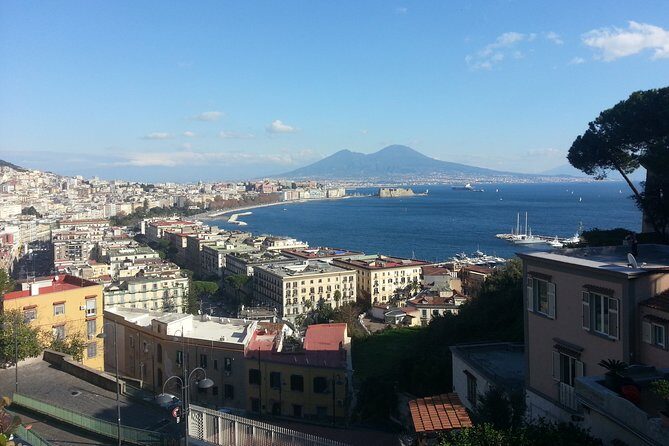
The day is built around a comfortable rhythm. You drive from Naples toward Pompeii, with Mount Vesuvius sitting in the background like a reminder of why the whole story exists. Then you move straight into Pompeii with skip-the-line access. No wrestling with ticket lines is the difference between seeing the sites at your pace and feeling rushed.
You also get a practical “travel bonus” that’s easy to overlook: parking fees and onboard WiFi are included. It’s not magic, but it does help on a long day, especially if you’re checking transit info for later or keeping plans straight.
If you're still narrowing it down, here are other tours in Naples we've reviewed.
The time reality (7–8 hours goes fast)
At around 7 to 8 hours total, you’ll be out long enough to see the essentials of both towns, but not so long that you can treat either place like a slow, day-long museum. Plan to enjoy a guided flow and accept that you’ll have to choose how deep to go on your own. For most people, that’s ideal.
Pompeii’s Forum, Baths, Brothel, and Amphitheatre: Where Roman Life Shows Up
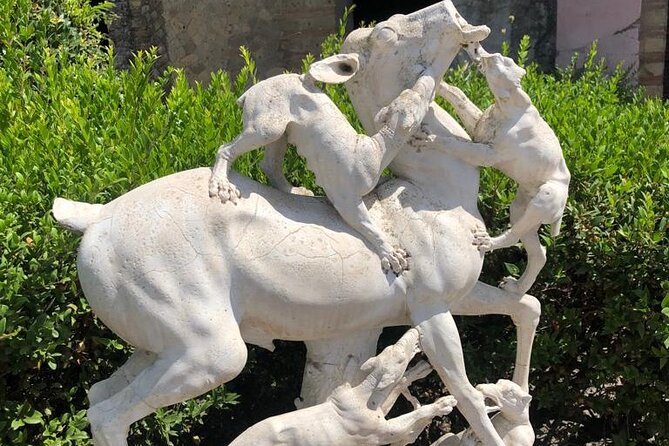
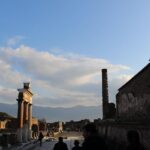
Pompeii is the big name, and for good reason. It’s a trading town, and the eruption froze a lively seaside city in place, including the parts that don’t usually make it into postcard versions of Rome. The guide experience is where this tour really clicks.
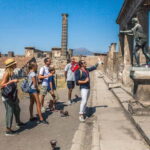
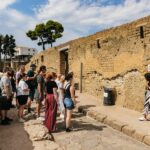
You’ll meet your private guide at the Pompeii Archaeological Park, then spend about 3 hours inside Pompeii with a focused route. The highlights are the kinds of stops that connect to how people actually spent their days.
The Forum and Baths: civic life you can picture
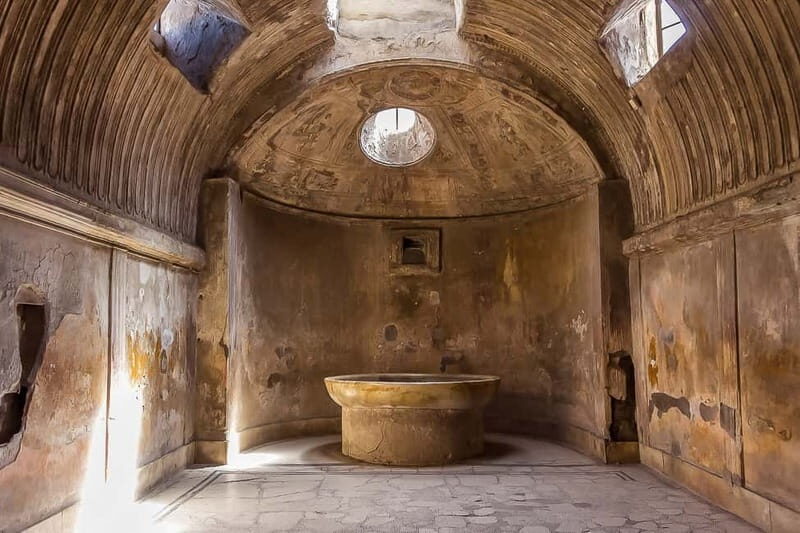
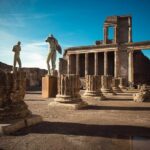
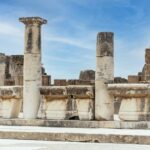
The Forum is one of those spaces where, if someone explains the function, it suddenly feels like a place that still has rhythm. This is where public life happens. Next come the Baths, which are more than just a building for washing. In Roman culture, bath spaces were social time, conversation time, and routine time all rolled into one.
Even if you’re not a hardcore history person, these areas help you understand how a city worked. You stop thinking about ruins and start thinking about routines.
The Lupanar (brothel): the part most tours skip
Pompeii also has the Lupanar, a brothel that’s often uncomfortable to talk about but important to see if you want the full picture of Roman daily life. A good guide helps you look at it without turning it into shock tourism. The value here is context: what it tells you about the economy, gender roles, and how entertainment and commerce could overlap in a small city.



The homes: House of the Vettii and the House of the Faun
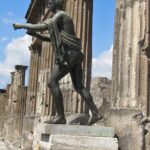
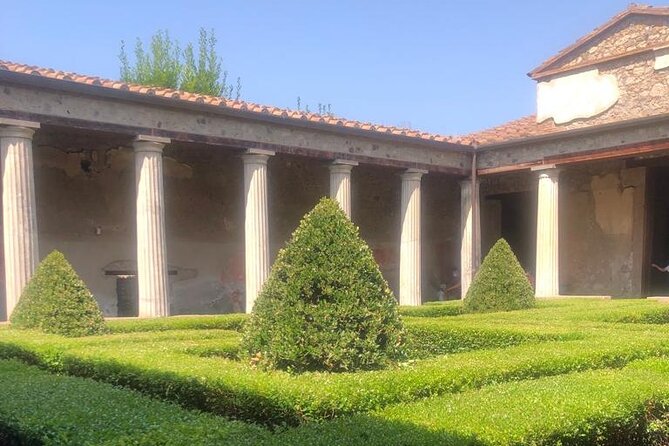
Then you get into the homes, including the House of the Vettii and the House of the Faun. This is where Pompeii stops being only about public buildings and starts showing you class differences and taste. In particular, you’ll be seeing art and layout choices that reveal what mattered to the people inside.
If you like architecture and how households functioned, you’ll feel your brain switch gears. You begin to see the ruins as lived-in spaces, not just walls.
The Amphitheatre: entertainment with a crowd
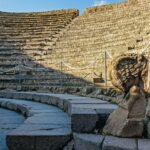
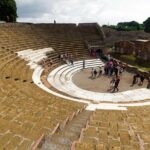
Finally, Pompeii’s Amphitheatre adds the entertainment layer. Roman cities weren’t only about politics and commerce. They were also about spectacle. Once you understand how crowds moved and what events were staged, it becomes more than an oval of stone. It becomes a performance space with real energy.
A practical drawback to watch
Pompeii can get busy, and the terrain is not smooth. This tour is private, which helps because your pace is yours. Still, you’ll want comfortable walking shoes and a plan for sun and wind. It’s not an “easy stroll” day, even if the guide keeps you moving efficiently.
Herculaneum’s Better Preservation: Wood, Food, Mosaics, and Thermal Baths
If Pompeii is the big stage, Herculaneum is the closer, more detailed story. You’ll have a break for lunch before heading over, and then you’ll visit Herculaneum with guided time (about 2 hours).
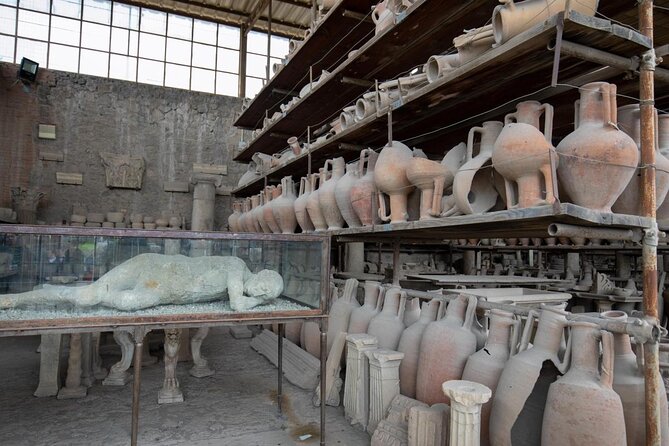
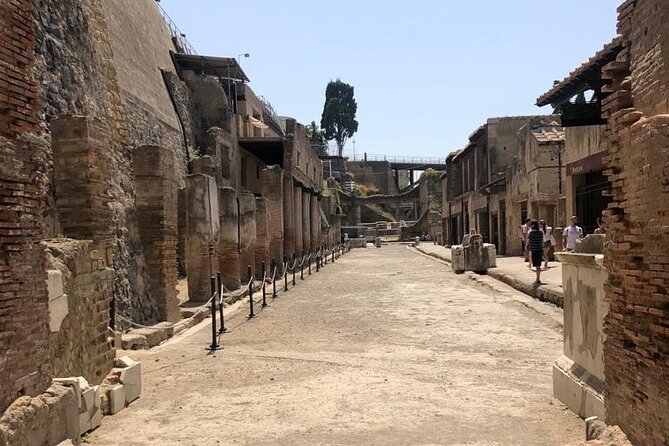
Here’s the key difference: Herculaneum is often better preserved because it was covered by different volcanic materials. That change is not just academic. It affects what you can actually see, like wooden structures, fabrics, and even food remnants. That means you don’t just see buildings. You see textures of life.
Mosaics, frescoes, and what art says about status
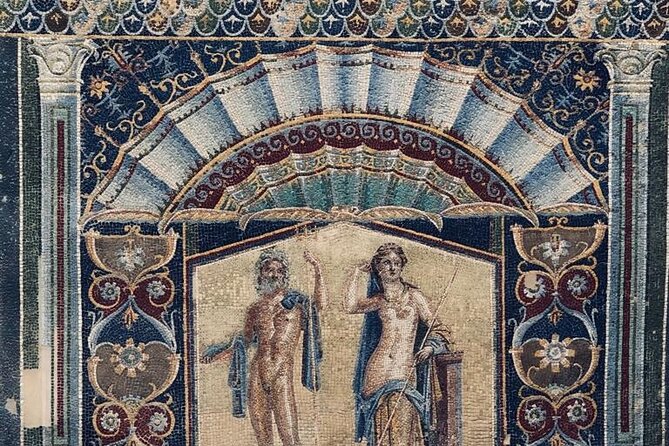
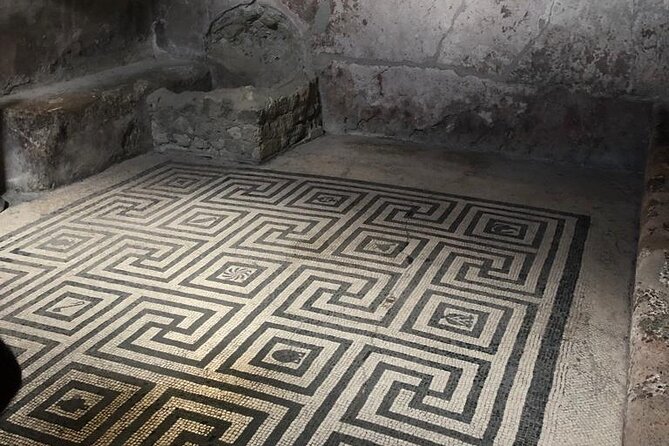
In Herculaneum, the guide puts a lot of attention on mosaics and frescoes, and that’s where the tour becomes more than a highlight list. The guide explains what these decorations meant and why they mattered. You start noticing that art wasn’t only for show. It signaled identity and social standing.
You’ll also visit stops such as the House of the Mosaic Atrium and the House of Neptune and Amphitrite. Those names are fun, but the real value is understanding what you’re looking at: layout choices, decorative themes, and how the house functioned.
The thermal baths and the water system
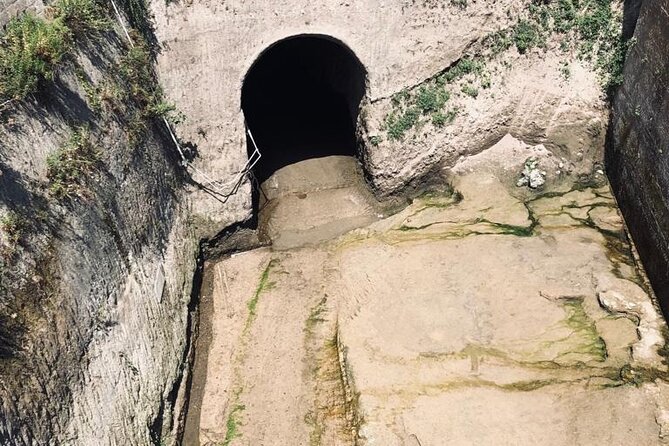
The tour also highlights the incredibly preserved thermal baths, plus an advanced water system. This is important because it shows Roman engineering and daily comfort in a very visible way. Even if you don’t obsess over plumbing, you’ll appreciate how the system supported routines like bathing and how that improved quality of life.
Why Herculaneum hits harder emotionally
One of the most moving parts of a day like this is the contrast between the two towns. Pompeii gives you the wide view of public life and big monuments. Herculaneum often feels closer and more intimate because preservation is stronger and details survive.
That’s the moment when the story stops being about buildings and starts being about people. The ruins become less abstract.
What Your Archaeological Guide Does (and Why It Makes the Day)
The biggest quality factor in Pompeii and Herculaneum isn’t the ticket. It’s the guide. A strong guide does two things: they explain what you’re seeing and they help you connect it to the human side of the story.
In one standout review, the guide named Glauko stood out for giving background so visitors could actually understand the scenes in front of them, not just read facts off a sign. Another common theme was how easy it is to hear every word on a private setup, which matters when the pace is fast and you’re surrounded by distractions.
You’ll get meaning, not just spots
For example, when the guide points out the Forum or the Baths, you don’t just learn that they were there. You learn what they were for and why they mattered. When the tour reaches the Lupanar, you get context so it lands as part of a functioning economy, not as a weird side quest.
And in Herculaneum, the guide’s focus on frescoes, mosaics, and preservation differences helps you understand why wood, fabric, and food surviving changes the entire experience.
A quick tip for getting the most out of your time
Ask your guide questions as you go, not at the end. This kind of tour is time-smart, so if you wait until the last five minutes, you won’t get full answers. If you’re curious about how everyday life worked, your guide is the fastest way to turn curiosity into understanding.
How to Plan Your Day in Naples: Shoes, Heat, and Lunch Reality
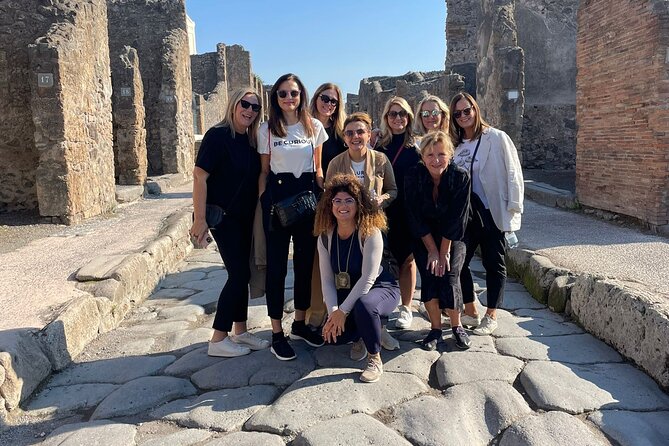
This is a full-day outing, so your personal planning matters. The tour includes guided time in Pompeii and Herculaneum and private transportation back to Naples. What it doesn’t include is lunch.
Lunch isn’t included, so budget a pause
You’ll take a lunch break after Pompeii and before heading to Herculaneum. That break is built into the flow, but you’ll need to pay for your meal separately. If you’re the kind of person who gets hangry without warning, plan for it. Also, be realistic: once you leave the sites, it can take time to find a solid option.
Wear for archaeological ground
You’ll want moderate fitness for this. The parks involve walking, standing, and navigating uneven surfaces. I strongly suggest sturdy shoes with good grip, plus sun protection. Even when it’s breezy, Pompeii’s open areas can wear you down.
Heat and timing
The day length (about 7 to 8 hours) also means you’ll be managing energy. Bring water if the rules allow it on your vehicle or in the parks. And if you’re someone who needs frequent bathroom breaks, factor that into your pacing rather than waiting until you feel uncomfortable.
Price and Logistics: Is $148 Good Value?
At $148, you’re paying for a lot of what costs people time and money when they travel independently: skip-the-line entry for both Pompeii and Herculaneum, two guided sections, private air-conditioned transportation, parking fees, and onboard WiFi.
If you tried to piece this together on your own, the costs can stack quickly. Tickets alone don’t include the time savings from skipping lines, and the guided explanation is what makes the ruins feel understandable rather than confusing. A private format also means you’re not stuck with a mismatched pace.
Where the price is fair
The strongest value points are:
- private transportation with pickup from your accommodation
- guided time in both places
- skip-the-line admission to keep the schedule tight
Where you’ll spend extra
The one clear extra is lunch. If you travel as a group, you also reduce the pressure of single-person spending because private costs may feel less intense split among your party (your exact group size isn’t specified here, so think of your own situation).
Should You Book This Private Pompeii and Herculaneum Tour?
I’d book it if you want a smart, guided day that handles the hard parts for you: getting there, entering fast, and understanding what you’re looking at. This tour fits well if you:
- want skip-the-line tickets for both sites
- like seeing the key Pompeii highlights without spending time guessing what matters
- want the Herculaneum comparison because preservation differences change the whole feel
- prefer a private, question-friendly format
I might think twice if you’re planning a very relaxed vacation day with lots of downtime, because this outing is long and active. Also, if lunch planning is a hassle for you, remember it’s not included.
If your goal is to leave feeling like you truly understood Roman life in two different preserved snapshots, this is a strong bet.
FAQ
How long is the tour?
The tour lasts about 7 to 8 hours.
Is pickup included?
Yes. Pickup from your accommodation in Naples is offered, using a private driver and an air-conditioned vehicle.
Does the tour include tickets and skip-the-line entry?
Yes. The admission tickets for Pompeii and Herculaneum include skip-the-line entry.
Is lunch included?
No. Lunch is not included, though there is a break for lunch during the day.
What’s included besides the guides and tickets?
Included are private transportation, guided tours in Pompeii and Herculaneum, parking fees, and WiFi on board.
What should I expect in terms of walking or fitness?
You should have a moderate physical fitness level for walking in the archaeological sites.
What is the cancellation policy?
You can cancel for a full refund up to 24 hours before the experience’s start time. If you cancel less than 24 hours before, you won’t receive a refund.