REVIEW · NAPLES
Herculaneum and the Amalfi Coast(Sorrento-Positano)
Book on Viator →Operated by SeeAmalfiCoast Official (R) /Via SeeAmalfiCoast · Bookable on Viator
A city frozen in time starts this trip. Herculaneum was buried by Vesuvius the same way as Pompeii, but the ruined streets feel different—more intimate, more human, and easier to take in with a private guide and your own pace. You’ll also get a smart break from the ruins with stops along the Amalfi Coast, built around Positano and Sorrento.
What I like most is the combination of a guided walkthrough where you can ask questions, plus real “stop-and-see” time where you’re not trapped in a rigid schedule. The other big win is the driving plan: you relax in an air-conditioned vehicle while an English-speaking driver/guide adds context as you go.
One thing to plan for: Herculaneum entry and an optional 2-hour private guide inside the site aren’t included, so you’ll want to budget for tickets before you go.
In This Review
- Key things to know before you go
- Herculaneum’s lava-buried streets: what makes it worth the effort
- A private guide + time to ask questions (not just follow)
- The Amalfi Coast drive: views without the map stress
- Positano: what you can do in 45 minutes (and what to skip)
- Sorrento: the calmer finale with a gelato reset
- Time balance: why the 7–8 hour day can feel full (in a good way)
- Price and value: what $436.34 covers, and what it doesn’t
- Best fit: who this private Naples-to-Amalfi day works for
- Weather and comfort tips for a day like this
- Should you book this tour?
- FAQ
- How long does the Herculaneum and Amalfi Coast tour take?
- Where does the tour start, and what time does it begin?
- Is the entrance fee to Herculaneum included?
- Is there a private guided tour at Herculaneum?
- What stops are included on the Amalfi Coast portion?
- How much free time do you have in Positano and Sorrento?
- Is food or lunch included?
- What’s included in the tour price?
- Is there a cancellation window for a full refund?
Key things to know before you go
- Herculaneum first, with guided focus so you don’t just wander the ruins without a plan
- A flexible pace for your private group (you’re not stuck with a mass-tour timetable)
- Amalfi Coast stops are short and intentional: Positano and Sorrento, not a long slog of constant driving
- Your driver/guide handles the road and commentary so you can focus on the views and questions
- You’ll likely want more time in Herculaneum than the minimum—people often wish they’d stretched it
- Rain and schedule shifts are possible and the operation is used to adjusting when timing gets weird
Herculaneum’s lava-buried streets: what makes it worth the effort
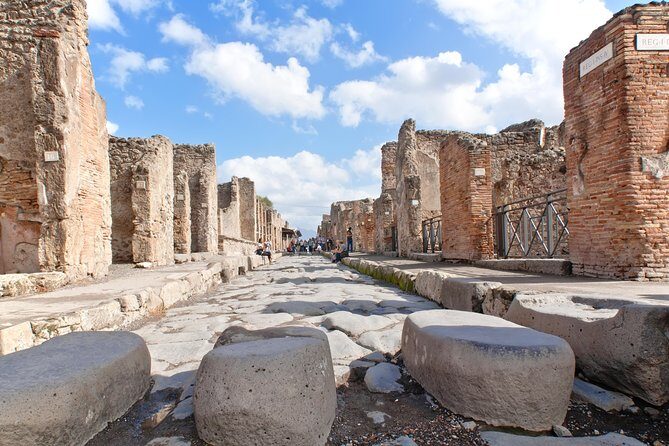
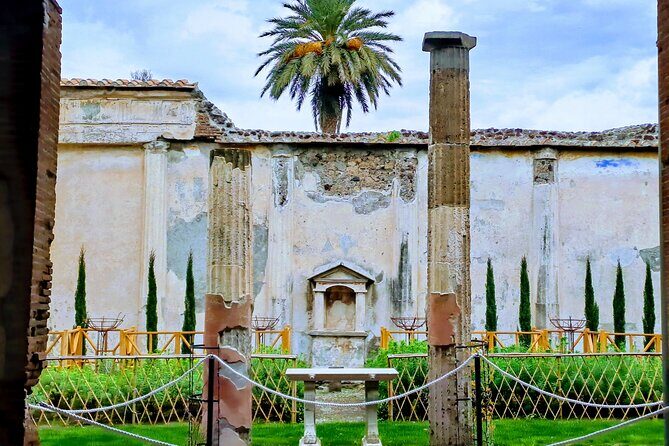
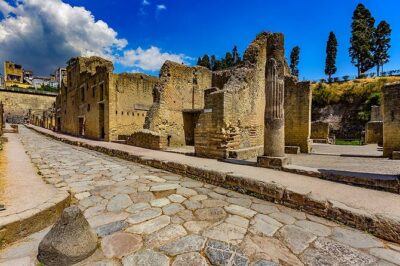
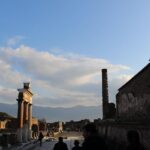
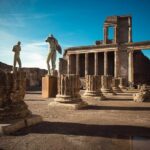
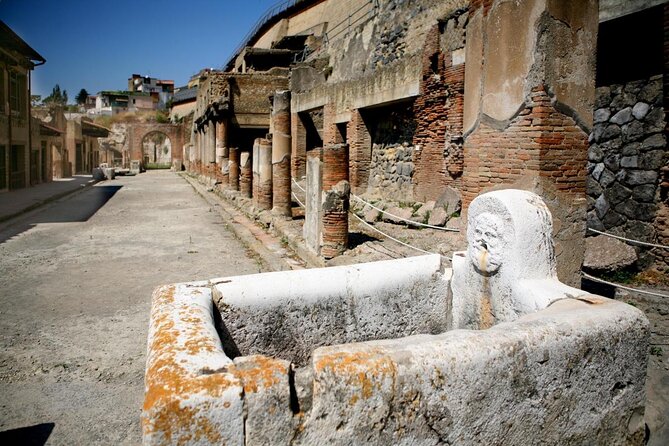
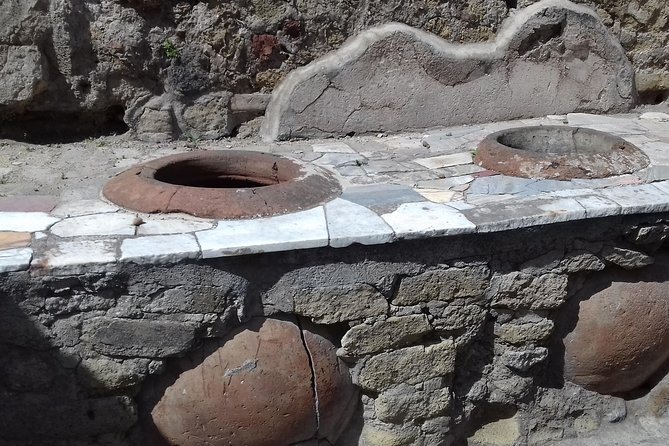
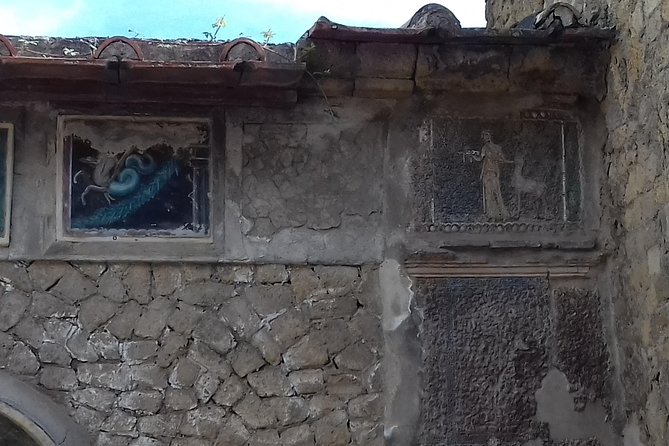
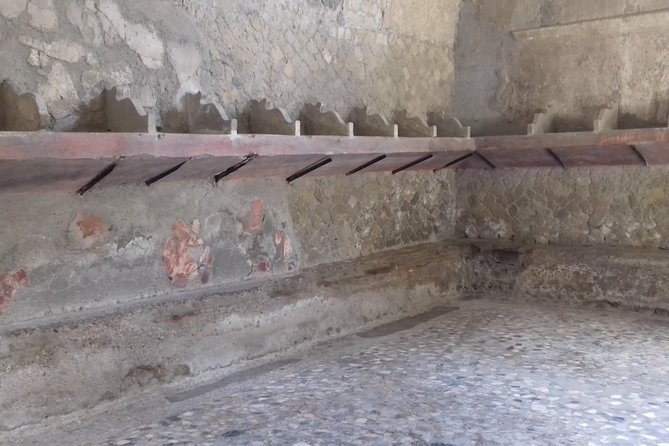
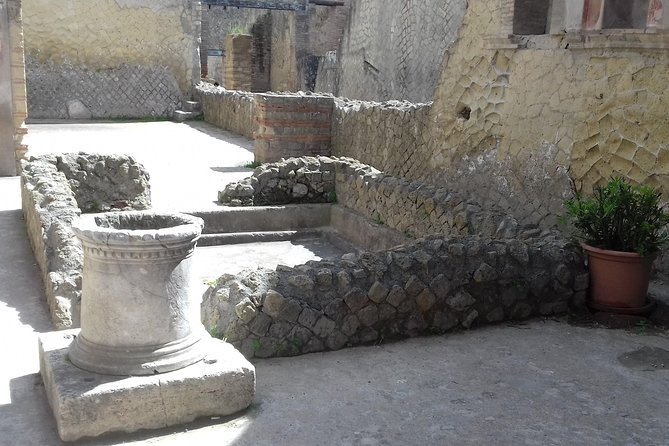
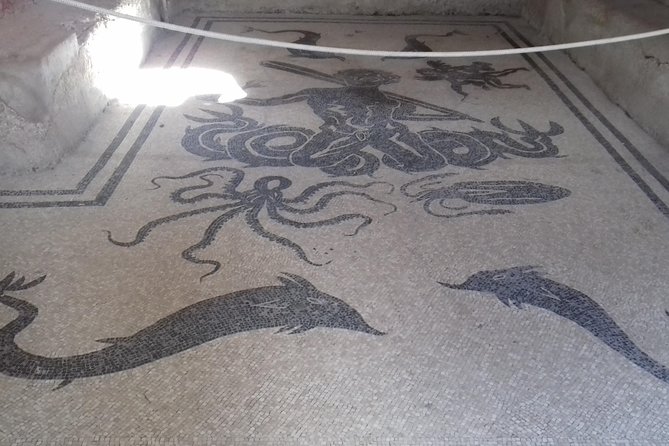
Herculaneum is the kind of place where you stop saying “ancient” and start thinking about daily life. The city was buried under volcanic material during the Vesuvius eruption. That’s the same disaster often associated with Pompeii, but Herculaneum’s ruins can feel closer, like you’re stepping into rooms and routes that were preserved with an almost awkward stillness.
Your visit is structured around straight access to the site highlights with a private guide. That matters because Herculaneum isn’t a single monument you can “see” in one quick photo stop. It’s a network of spaces—streets, building fragments, and everyday corners—that land better when someone points out what you’re looking at. You’ll also have time to slow down and chat, instead of walking beside a guide who has to keep an eye on 40 other people.
The practical side: the stop length is about 2 hours at Parco Acheologico di Ercolano. If you’re the type who reads labels and wants to understand the “why” behind what you’re seeing, plan to linger. One recurring sentiment from real passengers is simple: 3 hours in Herculaneum feels more comfortable. Even if your schedule says 2 hours, it’s smart to ask your guide about where you can shift your timing inside the site so you don’t feel rushed on the most important stop of the day.
If you're still narrowing it down, here are other tours in Naples we've reviewed.

A private guide + time to ask questions (not just follow)
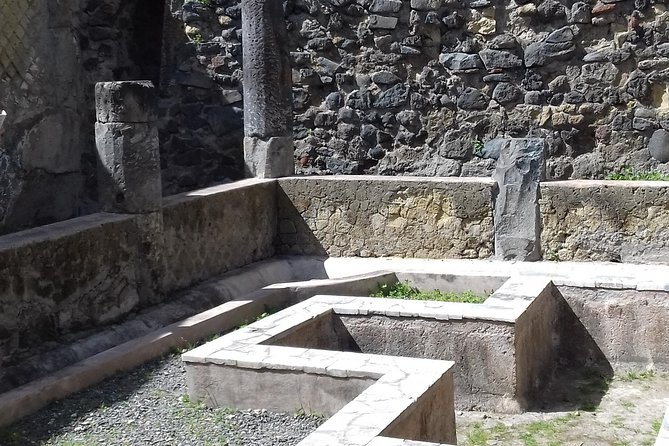
A good day trip isn’t only about seeing places—it’s about how you experience them. Here, the day is built around the idea that your guide can adjust to your group’s curiosity. You’re not stuck memorizing a script. You can ask about what the ruins suggest, how the eruption affected daily life, and why Herculaneum is studied the way it is.
This is where private touring earns its keep. In a group format, you often spend the best parts of a site just trying to keep up. With a private group, you get a better rhythm: stop, look, ask, and move when you’re ready. It’s also easier to match pacing to your energy level, especially if you’re sensitive to crowds or you want a calmer experience while others zoom through.
Your “ask-anything” time can also help you choose where to focus. Herculaneum includes many elements, and not all of them will click equally for every person. A guide can steer you toward what’s most meaningful for your interests—architecture, streets, domestic spaces, or how the preservation shapes what we know.
The Amalfi Coast drive: views without the map stress
Once you’re done with the ruins, the day shifts to the Amalfi Coast with a return journey to Naples via Positano and Sorrento. This is not a “hop off every ten minutes” itinerary. It’s a small set of strategic stops that fit a 7–8 hour day.
The value is in how the trip handles logistics. You’re riding in an air-conditioned vehicle with parking fees and highway tolls covered, so you’re not dealing with the stress of finding routes, garages, or traffic puzzles. The driver/guide also provides commentary while you’re on the road, which turns travel time into part of the experience instead of dead time.
Also, the drivers on this route know this coastline well enough to keep the day moving. In real situations, delays can happen—especially in Naples if you’re tying the tour to port timing or if the weather shifts. The good news is that the operation is used to adjusting when conditions get rough, and you’re not left stranded. One of the drivers named Manuel was specifically noted for being present and warm even after rainy weather and a delayed arrival into Naples, with the schedule reshaped to make the most of the day.
Positano: what you can do in 45 minutes (and what to skip)
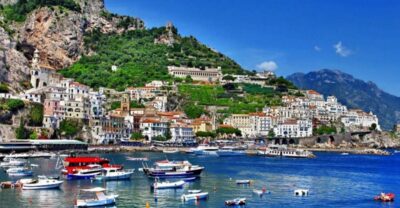
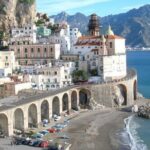
Positano is the postcard you’ve probably seen a thousand times: steep hillside houses, tight streets, and cliffside views that make your camera work overtime. With only about 45 minutes here, you have to treat it like a quick taste, not a full exploration.
What you can realistically do in that time:
- Walk a bit of the main shopping area so you get the town feel
- Take in the viewpoints—yes, you’ll want multiple angles
- Grab a snack or do small shopping if that’s your style
What you’ll want to skip (unless you’re a speed-walker): big climbs up and down side streets that don’t connect back quickly. With short time, it’s easy to spend 30 minutes going the wrong direction or ending up at a viewpoint that isn’t the most efficient loop for your return.
Positano is also a place where weather matters. If it’s rainy, you’ll likely move faster and keep your stops closer together. If it’s clear, you’ll be rewarded with longer view breaks. Either way, keep your expectations tight: think “taste of Positano,” not “complete Positano.”
Sorrento: the calmer finale with a gelato reset
Sorrento gives you a different vibe: more open squares, an easier stroll, and a classic place to reset after the cliff-hugging chaos of the coast. You’ll get around 45 minutes there, including time to visit the main square and grab something simple like gelato or a few souvenirs.
That last stop is also a helpful design choice. Herculaneum can be mentally heavy. By the time you reach Sorrento, you’ll have walked through preserved ruins and spent time navigating a long day. A relaxed square and a quick treat is a good way to end without turning the finale into another “major attraction” sprint.
If you care about photos, Sorrento can be forgiving because you can catch good light without constantly climbing. If you care about shopping, this is where you’ll have just enough time to grab something small without turning your entire day into errands.


Time balance: why the 7–8 hour day can feel full (in a good way)
The total experience runs about 7 to 8 hours, which means you won’t have time to expand this into a multi-day Amalfi stay. That sounds limiting, but it’s actually the point if you’re coming from Naples and want the highlights without burning days on transit.
Here’s the rhythm you should expect:
- Start at 8:00 am
- Get to Herculaneum early enough to focus
- Spend time in Positano and Sorrento before heading back
Because you’re moving between three major zones (ruins + two coastal towns), you want to travel light. Comfortable shoes help a lot at Herculaneum, and quick layers help if the weather flips halfway through your day. Even if the itinerary is set, conditions can change how much you’ll want to walk.
One tip: if you’re the type who cares about understanding the ruins, your best “value move” is to prioritize Herculaneum timing. A common wish is having more time at the site. If your driver/guide is flexible, you may be able to shift a few minutes so the ruins don’t feel like a checklist.
Price and value: what $436.34 covers, and what it doesn’t
The price is $436.34 per person, which is not cheap. But it includes a lot of what typically drives costs on this kind of excursion: a private vehicle experience, an English-speaking driver/guide, parking fees, highway tolls, fuel, and passenger insurance—basically all the “keep the trip running” items.
What’s not included is just as important:
- Herculaneum entry ticket for Parco Acheologico di Ercolano
- The optional 2-hour private guided tour of the ruins (E160)
- Food and drinks, and lunch
So the value is strongest if you’re buying convenience plus interpretation. If you’re traveling with a small group and you’d otherwise have to rent a car or piece together public transport across the coast, this price starts to look more reasonable.
Also, you should compare what you want most:
- If your top priority is the ruins, plan your budget around Herculaneum admission and consider whether the optional longer guide inside the ruins would actually improve your visit.
- If your top priority is views and town time, know that your Amalfi stops are short. You’re getting the iconic hits rather than a slow coastal day.
Best fit: who this private Naples-to-Amalfi day works for
This tour is a great match if you want:
- A private-group pace with a real guide at the ruins
- Easy logistics from Naples without driving yourself
- A “highlights” Amalfi day that doesn’t turn into a travel day marathon
It’s also a good choice if you’re okay with walking at the archaeological site and want a structured, guided experience rather than an unguided wander.
Because it’s a private tour, it fits well for couples, small families, and groups who don’t want to merge into a larger schedule. Service animals are allowed, and most travelers can participate, with the note that children must be accompanied by adults.
Weather and comfort tips for a day like this
Weather on the Amalfi Coast and around Naples can change fast. If it’s rainy, don’t panic—your day can still work. In at least one case with rough conditions and a delayed port arrival, the driver stayed with the plan and adjusted the schedule as needed. That’s exactly what you want to hear for a day trip like this.
Comfort-wise, focus on three things:
- Wear shoes you can walk in for the ruins
- Bring a light layer in case the sea air feels cooler
- Keep a small bag for gelato, small shopping, and anything you buy at the stops
Also, remember that Herculaneum isn’t about sitting in a museum chair. You’ll be moving through a site, looking at details, and listening. If you’re prone to leg fatigue, you’ll enjoy the private pacing more than a tight group tour.
Should you book this tour?
I’d book it if you want a high-value day that combines Vesuvius-era ruins with a guided, low-stress route along the Amalfi Coast. The private focus on Herculaneum is the standout here, and the driver/guide setup makes the rest of the day feel manageable rather than chaotic.
I’d think twice if you’re hoping for lots of time in Positano and Sorrento. This is a highlights day: you get enough time to enjoy both, but not enough to slow-walk everything. And since entrance fees at Herculaneum and an optional longer ruins guide cost extra, you’ll want to budget so the day doesn’t feel like it’s missing something.
If you like structured experiences with room to ask questions, this is a smart way to do Naples and the coast in one go.
FAQ
How long does the Herculaneum and Amalfi Coast tour take?
The tour runs about 7 to 8 hours.
Where does the tour start, and what time does it begin?
It starts in Naples at 8:00 am, with pickup offered.
Is the entrance fee to Herculaneum included?
No. The entrance fee for Parco Acheologico di Ercolano is not included.
Is there a private guided tour at Herculaneum?
A 2-hour private guided tour of the ruins is available for an additional cost of E160, but it is not included in the base price.
What stops are included on the Amalfi Coast portion?
You’ll stop in Positano and Sorrento on the return journey.
How much free time do you have in Positano and Sorrento?
Positano is about 45 minutes, and Sorrento is about 45 minutes.
Is food or lunch included?
No. Food and drinks, including lunch, are not included.
What’s included in the tour price?
An air-conditioned vehicle, an English-speaking driver and vehicle for the full 7–8 hours, parking fees, highway tolls, fuel, driver/guide commentary, and passenger insurance are included.
Is there a cancellation window for a full refund?
Yes. You can cancel up to 24 hours in advance for a full refund.