REVIEW · NAPLES
Pompeii La Tagliata Restaurant Drive
Book on Viator →Operated by city & tour soc coop arl · Bookable on Viator
Two UNESCO stops in one day. This Pompeii–Positano route pairs Pompeii time with Amalfi Coast scenery and an easy drive that keeps the logistics simple. I like the mix of guided context plus freedom on site, especially when you’re trying to fit a lot into an 8-hour day.
What I really like is the human touch plus the practicality. You get an English-speaking driver/guide for the drive and timing, and you also have a clear plan for Pompeii’s most important corners: Forum, amphitheatre, Lupanar, Stabian Baths, and both theatres, plus that big view cue from Teatro Grande toward Vesuvius. On the other hand, the single biggest thing to watch is that Pompeii needs its own setup: you’ll pay an entrance fee on top (18 euros per person) and you must bring an identity card to enter.
Quick, rewarding, and not complicated. But if you show up without the right ID or without tickets planned, the day can get stressful fast.
In This Review
- Quick hits: what makes this day work
- Naples pickup to Pompeii: how the day actually flows
- Pompeii in 2 hours: your must-see map
- Pompeii Forum: where public life happened
- Pompeii Amphitheatre: Roman entertainment, dated and real
- Lupanar: the “small rooms” details that stick with you
- Stabian Baths: hot, cold, and everyday Roman health
- Teatro Grande and Teatro Piccolo: performance spaces with a Vesuvius payoff
- Pompeii guide strategy: driver-led context plus optional on-site expertise
- Positano in 2 hours: beaches, the church dome, and a slower pace
- Spiaggia Grande: the classic postcard beach
- Chiesa di Santa Maria Assunta: the dome and the Black Madonna
- Spiaggia di Fornillo: quieter, reachable with a walk
- The Amalfi Coast drive: why the car time is part of the experience
- La Tagliata lunch: how to think about value and timing
- Price and logistics: is $291.69 per person good value?
- Who this tour fits best
- Should you book Pompeii La Tagliata Restaurant Drive?
- FAQ
- FAQ
- How long is the Pompeii La Tagliata Restaurant Drive tour?
- Where does pickup and drop-off happen?
- Is there an English-speaking driver/guide?
- Do I need to pay Pompeii entrance fees?
- Do I need an identity card for Pompeii?
- Will I have a guide walking through Pompeii?
- What do we do in Pompeii during the stop?
- How much time is there in Positano?
- What should I wear for the day?
- Will the tour run in bad weather?
Quick hits: what makes this day work

- Two UNESCO-class stops (Pompeii plus the Amalfi Coast area) without changing hotels
- Driver-handled logistics with pickup and drop-off at designated meeting points
- A focused 2-hour Pompeii slot covering the Forum, amphitheatre, Lupanar, baths, and theatres
- Real Positano time for Spiaggia Grande, Chiesa di Santa Maria Assunta, and/or Fornillo
- Amalfi Coast viewpoints from the car paired with smart photo stops
- Lunch at La Tagliata is built into the day flow, with time to eat before/after the coast sightseeing
Naples pickup to Pompeii: how the day actually flows
This is one of those trips that saves your brain. The tour starts in Naples with convenient pickup from meeting points, and you’re dropped back afterward—helpful whether you’re basing in the city or doing a cruise excursion. Dress is smart casual, and since the trip runs in all weather, bring layers you can move in if the wind kicks up on the coast.
The day is structured to keep transitions short enough that you still get real time at the stops. Pompeii gets a dedicated block (about 2 hours), and Positano also gets about 2 hours, which matters because both places need time for walking, looking, and doing the “wait, that’s still there?” thing.
If you’re coming from Rome by train, there’s a built-in suggestion: take the Freccia Rossa from Rome Termini (around 7:35 am) to Naples Centrale (around 8:45 am). At the end, the recommended return train is around 6:30 pm from Naples back to Rome. That schedule is tight, so the biggest win here is that the provider handles the round-trip coordination while you focus on sightseeing.
If you're still narrowing it down, here are other tours in Naples we've reviewed.
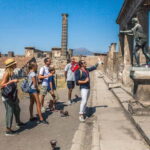
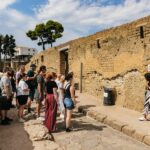
Pompeii in 2 hours: your must-see map
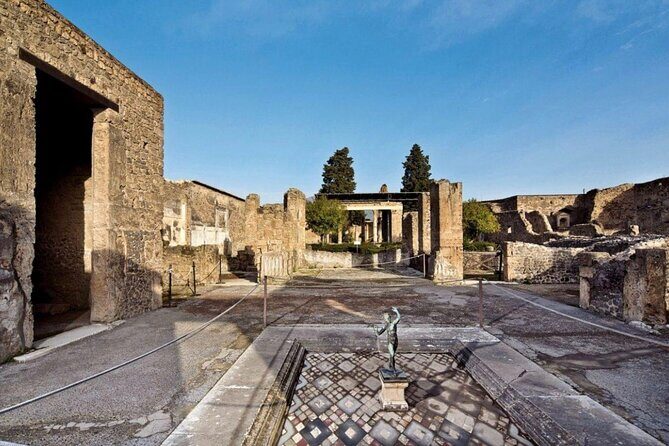
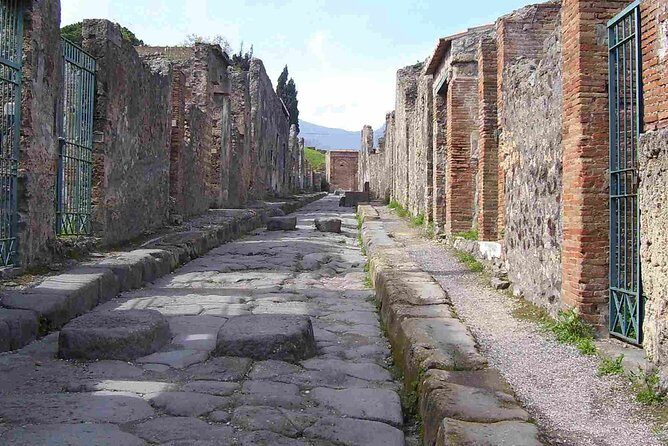
Pompeii is overwhelming in a good way. In a limited time window, you want the highlights that also give you the strongest sense of how the city worked—public life, entertainment, daily routines, and the weird-but-historically-interesting details.
Here’s what you should expect to prioritize:
Pompeii Forum: where public life happened
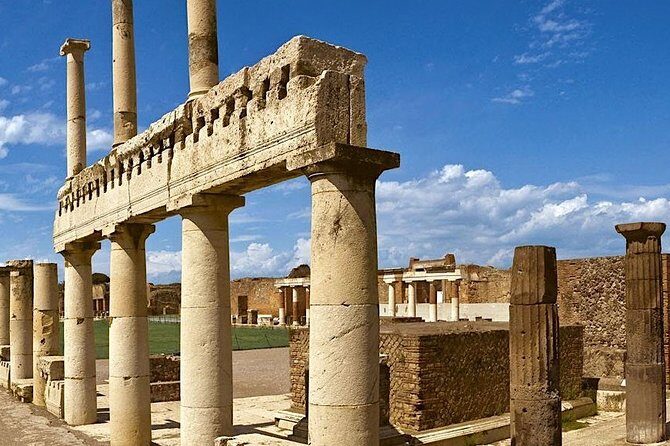
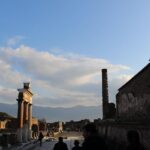
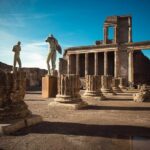
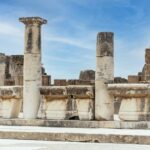
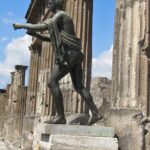
The Forum is the city’s center—political, economic, and religious activity all in one place. Even in short time, you can connect the dots: you’ll see the Temple of Jupiter remains, the Basilica, and the Macellum (market area). This is the stop that helps Pompeii stop being just ruins and start feeling like a living city.
Pompeii Amphitheatre: Roman entertainment, dated and real
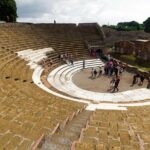
Next is the amphitheatre, one of the older Roman examples (dating back to 80 BC). It’s tied to shows and gladiator-era spectacle. What I like about this part is how quickly your imagination fills in the seats once you’re standing there.
Lupanar: the “small rooms” details that stick with you
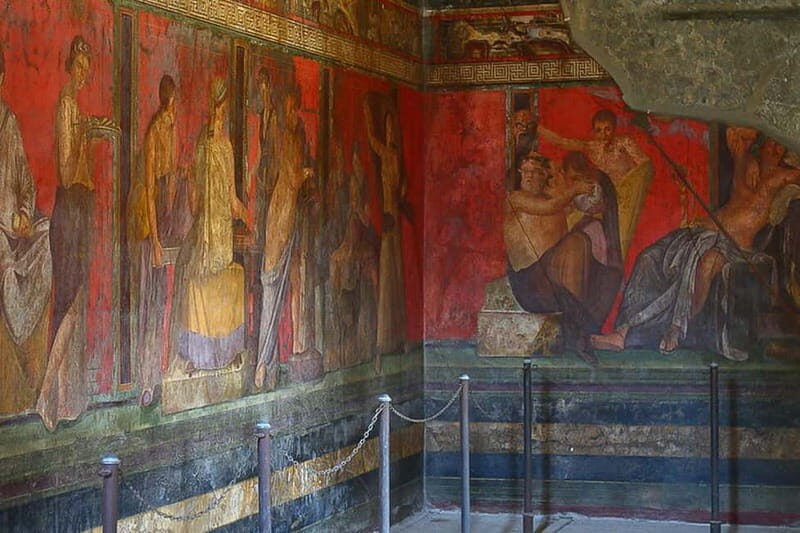
The Lupanar is the ancient brothel area. You’ll notice small rooms and erotic frescoes that give a clearer sense of what was offered there. It’s not comfortable subject matter for everyone, but it’s also one of the most distinctive “this is Pompeii” reminders—this place documented private life, not just monuments.


Stabian Baths: hot, cold, and everyday Roman health
Stabian Baths show how Romans used thermal complexes: hot and cold areas plus sauna-style spaces. This is a great contrast from the Forum and amphitheatre because it’s about routine—body care, social time, and the physical rhythm of city life.
Teatro Grande and Teatro Piccolo: performance spaces with a Vesuvius payoff
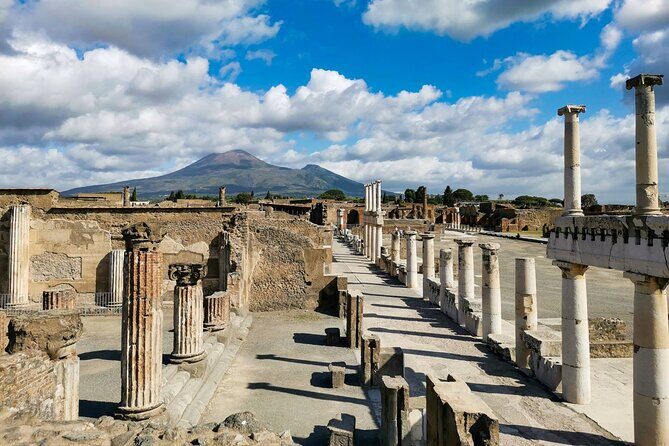
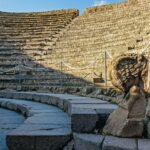
The theatres—Teatro Grande and Teatro Piccolo—are well-preserved enough that you can picture the stage and the crowd. Teatro Grande is also where you get a splendid viewpoint toward Vesuvius. That view cue is worth slowing down for, because Pompeii always feels different once you understand the relationship to the mountain.
Important timing note: Pompeii admission is not included. The tour lists Pompeii entrance at 18 euros per person, and you need to coordinate with the office entrance time before buying tickets. Also, the identity-card requirement is strict—bring an identity card to enter the site.
Pompeii guide strategy: driver-led context plus optional on-site expertise
This tour is built around a simple reality: the driver is the English-speaking guide for the day, but you’re not getting a full guide walking inside every attraction. The tour explicitly says you’ll have a driver only for visits, and that you can hire a Pompeii guide on site.
So what should you do?
- If you like structure and want the fastest path to meaning, consider hiring an on-site Pompeii guide for at least part of the visit.
- If you prefer reading signs, wandering, and controlling your pace, skip extra cost and use the tour’s highlight plan as your backbone.
Either way, don’t overpack your expectations. Two hours in Pompeii doesn’t allow a slow, museum-style walk through everything. The best approach is to pick the stops above and use them like chapters. The driver/guide can help you position the day; you choose how much you want to stop.
Also, check your materials before you leave. Pompeii requires an identity card, and if you forget it, you can lose time fast. That’s the one “annoying but fixable” risk on this itinerary.
Positano in 2 hours: beaches, the church dome, and a slower pace
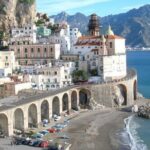
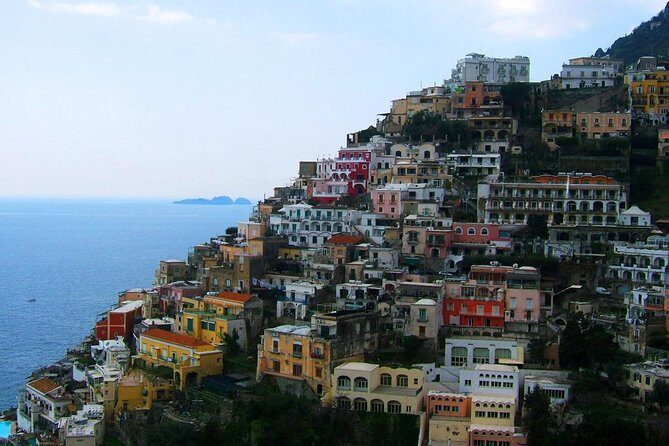
After Pompeii, the drive starts feeling like a reward. The itinerary includes time in Positano, one of the Amalfi Coast’s most iconic cliff towns, known for colorful houses stacked above the sea.
You get about 2 hours, which means you won’t do everything. The goal is to choose the vibe you want.
Spiaggia Grande: the classic postcard beach
Spiaggia Grande is the main beach. It’s lively and full of bars, restaurants, and clubs. If you want the iconic Positano look—houses perched on the rocks, swimmers and boats, and the whole town showing off—this is where you go.
Chiesa di Santa Maria Assunta: the dome and the Black Madonna
The Chiesa di Santa Maria Assunta is a must for many people in Positano. The colorful majolica dome is instantly recognizable, and the church also houses a Byzantine icon of the Black Madonna. Even if you’re not a church person, it’s one of the few places in Positano that delivers both beauty and a deeper cultural story.
Spiaggia di Fornillo: quieter, reachable with a walk
If you want something calmer, Spiaggia di Fornillo is a solid option. It’s quieter than Spiaggia Grande and can be reached with a panoramic walk. In two hours, that walk plus a short stop on the beach is a great use of time—especially if you want a less crowded feel.
The Amalfi Coast drive: why the car time is part of the experience
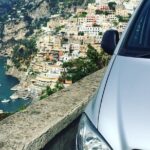
People sometimes treat the ride as transit. Here, the drive is part of the point. You’ll spend real time soaking up the stunning views of the Amalfi Coast from the road. There are also picture-stops along the way, so you’re not stuck guessing where the best angles are.
This matters because the Amalfi Coast is all about elevation and perspective. Seeing it from a viewpoint or from the moving road is very different from reading about it. You’ll also have better luck snapping photos because you’re not trying to coordinate walking routes and parking on your own in a place that moves slow.
If you’re prone to car sickness, take the usual precautions. The tour operates in all weather, and the coast road can feel windy. Bring a layer for the vehicle, and keep water handy.
La Tagliata lunch: how to think about value and timing
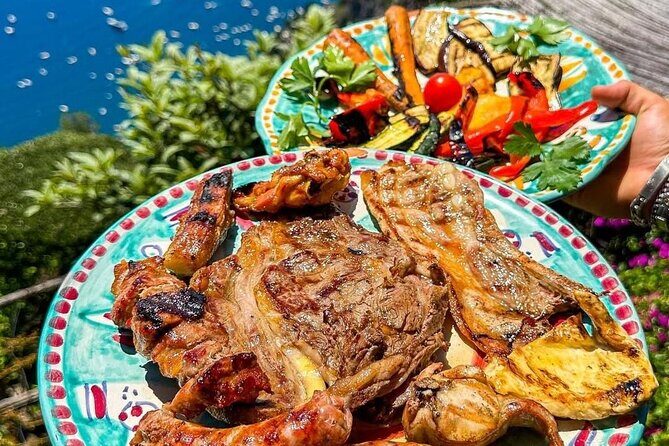
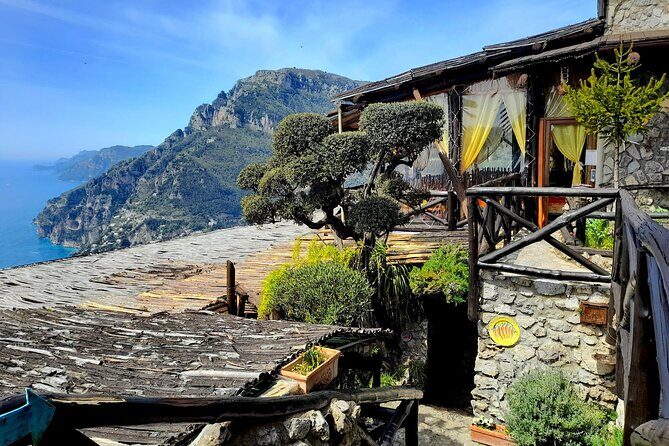
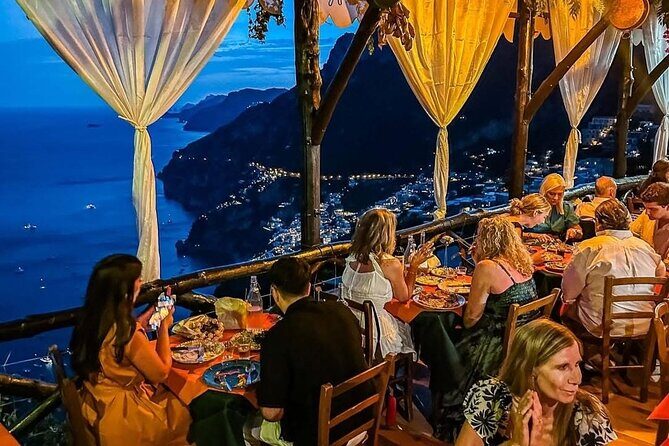
This tour’s title includes La Tagliata, and the day is set up so you can eat there while the provider handles the timing. In practice, lunch is often treated as a highlight, especially because it breaks up the day nicely between Pompeii and Positano.
But the exact lunch details aren’t spelled out line-by-line in the core inclusions. So I recommend budgeting carefully and confirming what’s covered in your booking. One trip note describes an all-in menu and generous portions, with a listed per-person price that sounded separate from the tour fee. In other words: you may be paying for lunch as part of your day cost, not necessarily included in the base price.
Here’s the smart way to plan:
- Treat lunch as a planned sit-down break, not a quick snack.
- If you have dietary needs, confirm directly because menus can include specific dishes.
- Eat on schedule. Positano in two hours disappears faster than you expect.
Price and logistics: is $291.69 per person good value?
At $291.69 per person for an 8-hour private day, the value depends on what you would otherwise spend on your own. This price bundles:
- Pickup and drop-off from meeting points
- All tolls, parking, petrol, and taxes
- English-speaking driver/guide for the day’s routing
- Mobile ticket for the experience
On top of that, Pompeii has a separate entrance fee (18 euros per person), and you may choose to hire a Pompeii guide on site. If you’re traveling as a small group, the “private” part can also make the cost feel more reasonable compared to piecing together taxis and separate admissions.
I like this price model most when you value stress-free timing. Pompeii and Positano are both places where people waste time on transportation and finding the right starting points. Here, your day is mapped to fit the daylight and keep you from falling behind.
The key consideration: because Pompeii entry requires identity card and a coordinated entrance time, you need to show up prepared. If you’re even slightly unsure, confirm the entrance time instructions before you buy tickets.
Who this tour fits best
This works best for:
- People who want Pompeii highlights without building a complicated transport plan
- Families who want the day organized but still like breaks for snacks and photos
- Cruise visitors who need to return on time (the tour says you’ll be ensured timely return to the port)
- Travelers who enjoy the “two big worlds” combo: ancient city in the morning, coastal town in the afternoon
If you’re the kind of traveler who wants to spend half a day in Pompeii reading every mural and tracing every street, you might feel the two-hour limit. But if you want a smart, concentrated hit list, this plan is built for you.
Should you book Pompeii La Tagliata Restaurant Drive?
Book it if you want a clean, organized day that hits the essentials: Pompeii’s core sights, then Positano’s beach-and-church highlights, plus the comfort of a driver who handles the road and timing. The price can make sense when you factor in transport effort, parking, and the headache you avoid.
I would hesitate if you already plan to visit Pompeii independently with a guide and you’re comfortable doing the coastal routing yourself. Also, don’t book unless you’re ready for Pompeii logistics—bring your identity card and plan the entrance ticket timing so your schedule stays calm.
FAQ
FAQ
How long is the Pompeii La Tagliata Restaurant Drive tour?
The tour lasts about 8 hours.
Where does pickup and drop-off happen?
Pickup and drop-off are from designated meeting points.
Is there an English-speaking driver/guide?
Yes. An English-speaking driver/guide is included.
Do I need to pay Pompeii entrance fees?
Yes. Entrance fees are not included, and Pompeii admission is listed as 18 euros per person.
Do I need an identity card for Pompeii?
Yes. An identity card is required to enter the site, so bring it with you on the tour day.
Will I have a guide walking through Pompeii?
The tour includes a driver only for visits. You can hire a Pompeii guide on site if you want extra interpretation.
What do we do in Pompeii during the stop?
You’ll have time to see Pompeii’s Forum, Amphitheatre, Lupanar, Stabian Baths, and the Teatro Grande and Teatro Piccolo area (about 2 hours).
How much time is there in Positano?
There is about 2 hours in Positano, with time for Spiaggia Grande, Chiesa di Santa Maria Assunta, and/or Spiaggia di Fornillo.
What should I wear for the day?
The dress code is smart casual.
Will the tour run in bad weather?
It operates in all weather conditions, so dress appropriately for changing conditions.