REVIEW · POMPEI CAMPANIA
Pompeii 3hours Villa of Mysteries tour with an Archaeologist
Book on GetYourGuide →Operated by Askos Tours · Bookable on GetYourGuide
Frescoes have a way of catching you. This small-group Pompeii tour starts at Porta Marina Superiore and pairs an archaeologist guide with quieter pacing, including privileged access to the Villa of the Mysteries. In 3 hours, you’ll walk the city’s most telling lanes and public spaces, with explanations that make the ruins feel less like rocks and more like lived-in places.
I love the way an archaeologist guide turns everyday details into a clear picture of Roman domestic life, from painted rooms to objects that reflect daily routines. I also like the crowd-smart timing, and the fact that the tour is set up so you can keep up with the commentary—one recent highlight: ear pieces that make it easier to hear even while you’re moving through busy areas.
One possible drawback: Pompeii is huge, so a 3-hour format means you’ll see the best highlights, not the full sweep of the archaeological park.
In This Review
- Key things that make this Pompeii tour worth it
- Porta Marina Superiore: the smart start that sets your whole pace
- How the archaeologist-led small group keeps Pompeii from feeling overwhelming
- House of the Vettii: domestic life where art and status met
- Large Theatre: public culture in stone form
- House of the Faun and Lupanare: everyday living and the city’s edges
- Forum Baths, House of Menander, and the Basilica: where daily routines met politics
- Foro Civile di Pompei: the civic center you can almost feel
- House of the Tragic Poet and Temple of Apollo: art, belief, and architecture in one sweep
- Villa of the Mysteries: what makes the famous frescoes feel personal
- Price and value: why $88 makes sense for a ticket + archaeologist format
- What to expect on the ground: shoes, weather, and the walking reality
- Should you book the Pompeii 3-hour Villa of the Mysteries tour?
- FAQ
- How much does the Pompeii 3-hour Villa of the Mysteries tour cost?
- How long is the tour?
- Where do we meet the guide?
- What is included in the ticket?
- Does the tour include skip-the-ticket-line access?
- What languages are offered for the live guide?
- What should I bring or wear?
- Is the tour canceled if it rains?
- Is the tour suitable for wheelchair users or people with mobility impairments?
- Can I cancel for a refund, and is pay later available?
Key things that make this Pompeii tour worth it

- Villa of the Mysteries access with archaeologist-led fresco commentary
- Start at Porta Marina Superiore to get moving before the site feels chaotic
- Small-group pacing with quiet time in major areas
- A house-focused route that explains how Romans lived, not just what’s standing
- Public spaces in the mix: theatre, baths, basilica, and civic spaces
- Pompeii Plus ticket included, covering the Archaeological Park plus the Villa of the Mysteries
Porta Marina Superiore: the smart start that sets your whole pace
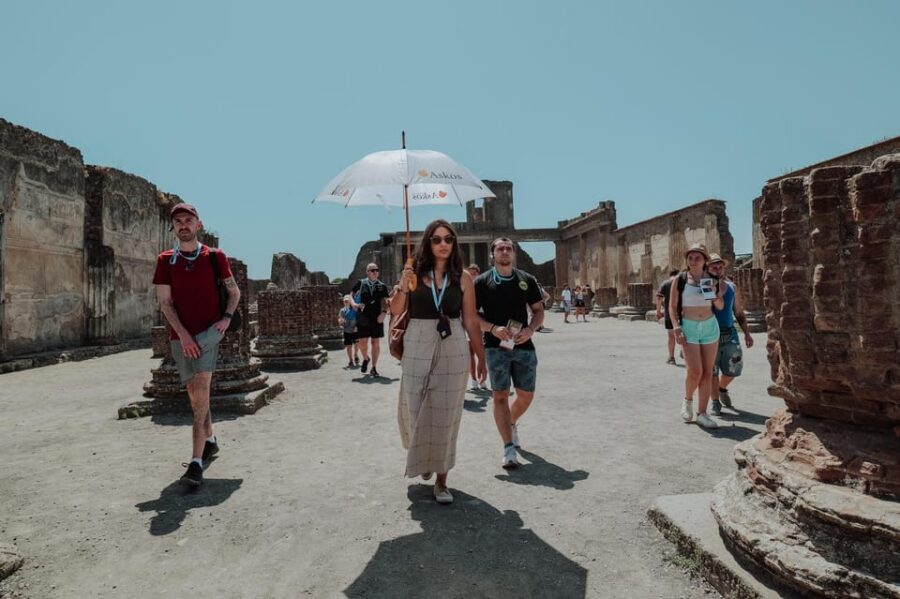
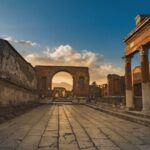
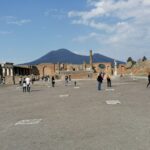
Most Pompeii visits start somewhere central and then get swallowed by crowds. This one begins at Porta Marina Superiore, the gateway into the ancient city, which makes a big difference: you’re walking into the site with a plan instead of hunting for meaning.
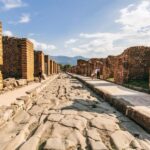
Right away, you get a guided path over cobbled streets, with explanations tied to what you can actually see. You’ll also get the key payoff of an expert-led approach here: the guide doesn’t just point at ruins, they connect architecture, street layout, and objects to how Pompeii functioned.
If you’ve been worried that Pompeii will feel like random walls and doorways, this is how you prevent that. I’d expect the opening stretch to help you get oriented fast, so the rest of the stops start making sense.
Other Pompeii tours with an archaeologist

How the archaeologist-led small group keeps Pompeii from feeling overwhelming

Pompeii can overload your brain in minutes. That’s why the format matters. With a small group and an archaeologist guide, you’re not stuck reading labels from 2 feet away while everyone else presses forward.
You also benefit from guides who work in archaeology or bring serious site experience to the walk. Names you’ll see credited by past tour participants include Sarah, Theresa, Yolanta, Rafael, Antonella, Alexandra, Michele, Julia, and Anna Sorrento—people who keep the stories clear and answer questions without rushing you.
In practical terms, this kind of guiding changes what you notice. You start looking for the details that tie one stop to the next: how a household operated, what public spaces were for, and why the Villa of the Mysteries became famous in the first place. And because the pace is designed to avoid the worst congestion at certain points, you’ll spend more time seeing and less time waiting.
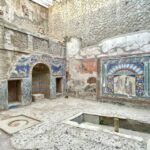
House of the Vettii: domestic life where art and status met

One of the best parts of this tour is that it’s not only about big public buildings. You’ll spend time in a Pompeian house—starting with the House of the Vettii—so you can see how Roman daily life played out behind domestic walls.
This stop is where the tour’s “how people lived” approach really shows. You’ll get commentary on the interior feel of Pompeii homes, including the role of wall paintings (frescoes) and how household spaces were arranged for real routines.
What to watch for: the guide’s focus on art and layout. Even if you’re not a museum person, you’ll likely enjoy the logic of the home—rooms weren’t built randomly. They supported social habits, display, and movement inside the house.
Possible downside of a house-heavy route: if your ideal Pompeii visit is 100% outdoors and wide views, you may want to add time after the tour to keep wandering at your own speed.
Large Theatre: public culture in stone form
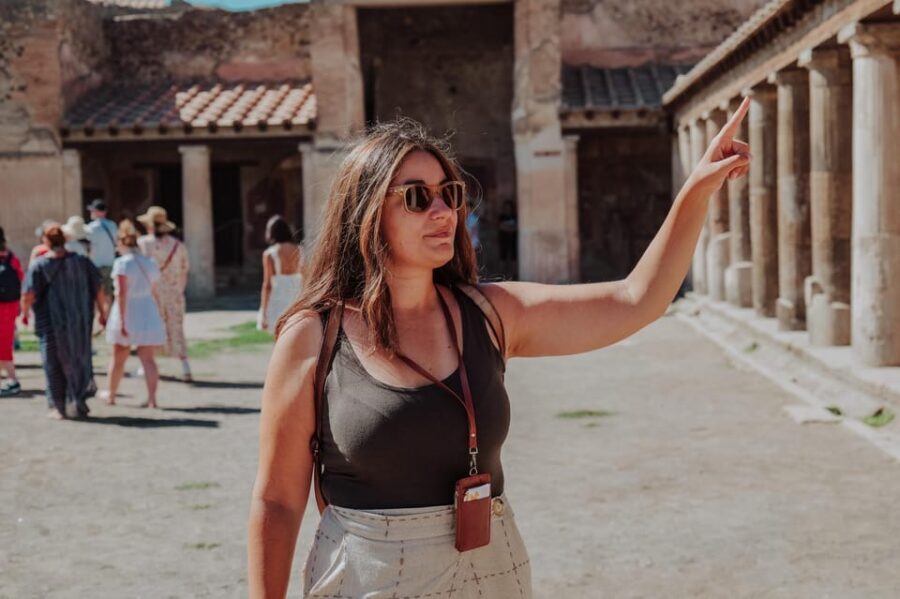
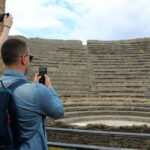
Next up, the tour shifts outward into public life with a visit to the Large Theatre. This is one of those Pompeii stops that helps you understand that the city wasn’t only domestic and commercial—it had a strong cultural rhythm.
You’ll learn what the theatre type of space represented, and you’ll also get help seeing it as a working venue rather than a backdrop. The guide’s commentary tends to connect architecture to events and gatherings, which is what keeps the ruins from becoming abstract.
If you get tired of staring at stones, this is a good counterweight. The theatre gives you a sense of scale and a clearer view of how crowds would have moved through civic areas.
House of the Faun and Lupanare: everyday living and the city’s edges
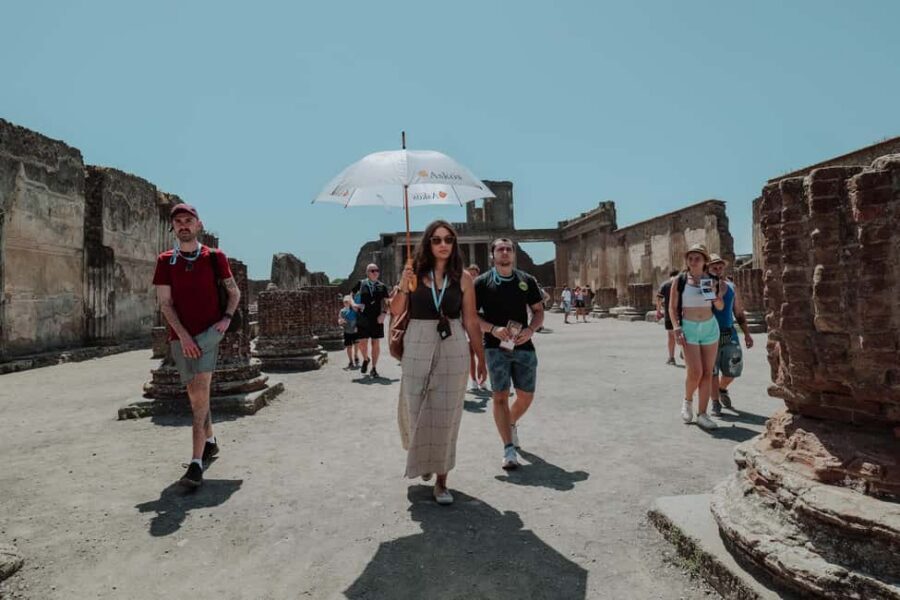
The route then continues through more homes, including the House of the Faun. Like the Vettii, this kind of stop is about the Roman domestic world—how space, decoration, and objects communicated daily routine and social identity.
From there, the tour includes the Lupanare. This is a different kind of Pompeii stop: the tour uses it to explain what the city’s darker, more practical corners can tell you about life. You’ll hear context around how commerce and social behavior shaped everyday movement.
Why I think this pairing works: you see both the “how Romans lived” and the “how the city worked” angles. Pompeii isn’t just pretty frescoes and formal civic buildings; it’s also a real city with real people and real habits.
Other Villa of Mysteries and special houses tours


Forum Baths, House of Menander, and the Basilica: where daily routines met politics
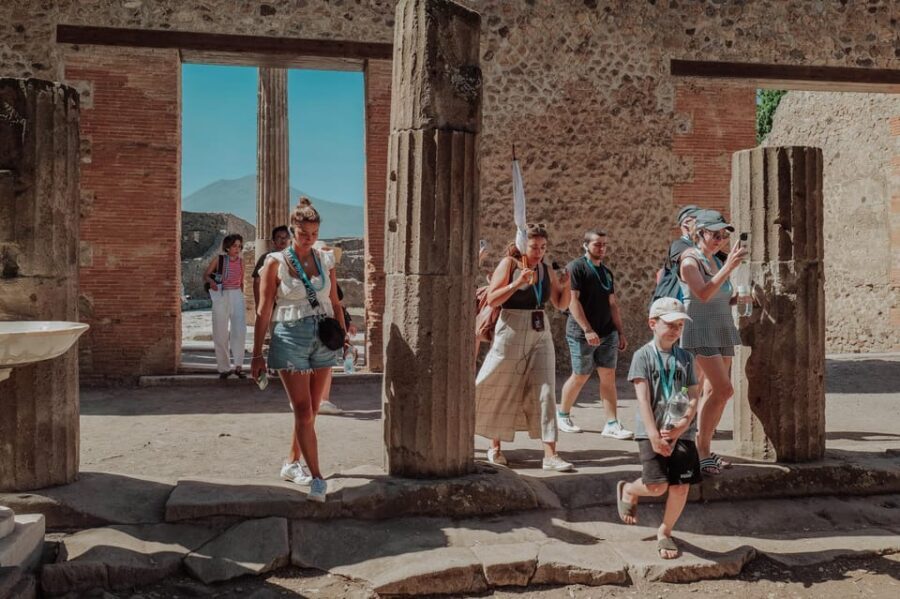
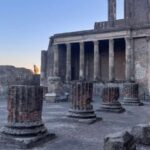
By the time you reach the Forum Baths and then the House of Menander and Basilica, the tour becomes less about individual rooms and more about how the city flowed.
The Forum Baths help you picture how people spent time, not just where they slept. Even at a walk-through level, this stop adds a human anchor: bathing spaces and surrounding areas weren’t just utilitarian; they were part of social life.
Then you’ll move toward the Basilica and civic areas, which helps shift your mental model from home and entertainment to administration and public business. The guide’s role matters here because these areas can feel confusing if you only look at shapes. With commentary, you start to understand why these were central points for meetings, commerce, and civic life.
If you like your tours to explain systems, this middle section is where the tour earns its keep.
Foro Civile di Pompei: the civic center you can almost feel

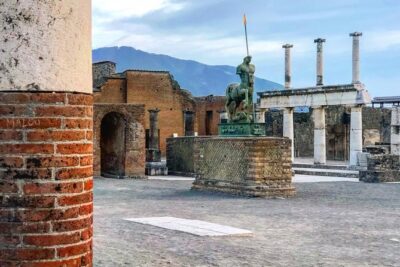
After the Basilica, you’ll visit the Foro Civile di Pompei. This is the kind of stop where Pompeii feels like a functioning city again, because you’re in a space built for public activity.
The tour timing is designed to keep this part calmer than it would be on a self-guided day. That matters because the Foro’s value is in the details: where people would gather, how public movement would happen, and how the city’s civic life used space.
Even if you don’t memorize dates, you’ll come away with a clearer sense of what “public” meant here. You can think of this stop as the bridge between domestic Pompeii and the deeper mysteries later at the Villa.
House of the Tragic Poet and Temple of Apollo: art, belief, and architecture in one sweep
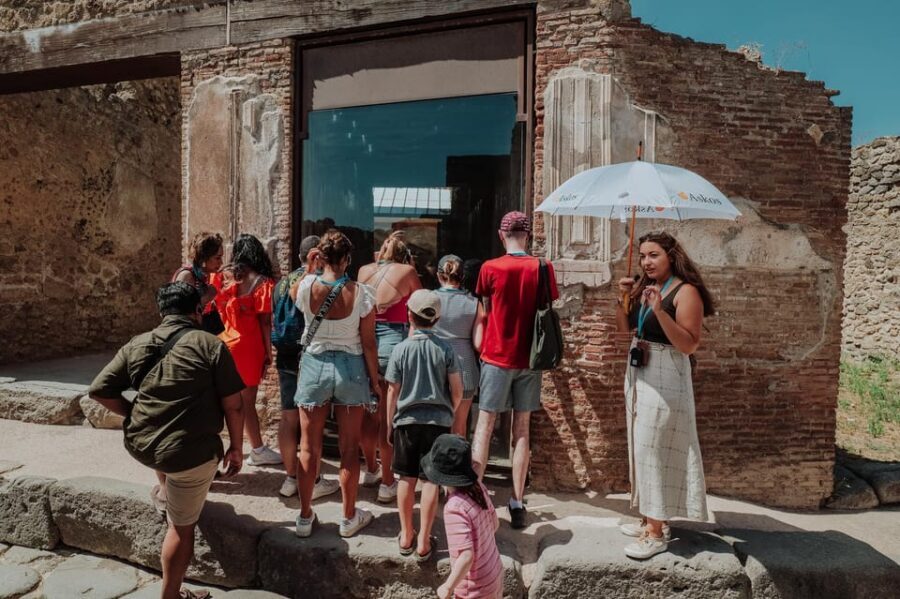
The itinerary then continues with the House of the Tragic Poet and the Temple of Apollo. Together, these stops broaden the Pompeii story beyond daily routines.
The House of the Tragic Poet keeps the focus on domestic spaces and the meaning of how homes were decorated and organized. It’s also a reminder that Roman culture wasn’t just about politics and commerce—there was status, taste, and an eye for storytelling through art.
The Temple of Apollo brings in belief and public ritual space. If your brain tends to sort things into categories like “house,” “work,” and “religion,” this is where you see how those categories overlapped in Pompeii life.
This section is a good checkpoint to slow down, ask questions, and compare what you noticed in earlier houses to what you’re seeing in civic and religious spaces.
Villa of the Mysteries: what makes the famous frescoes feel personal
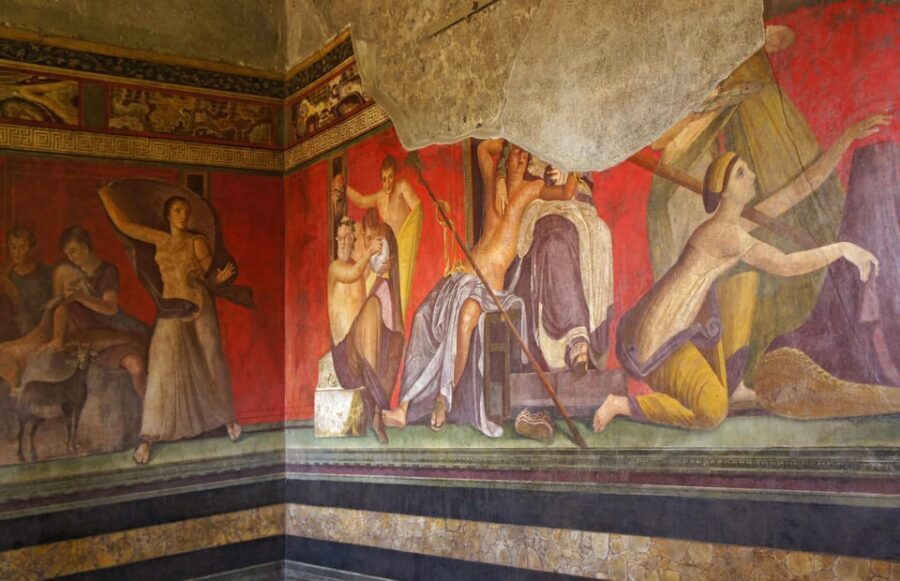
The highlight is the Villa of the Mysteries, and it’s handled the way the best tours handle a big-ticket moment: with context and focused looking.
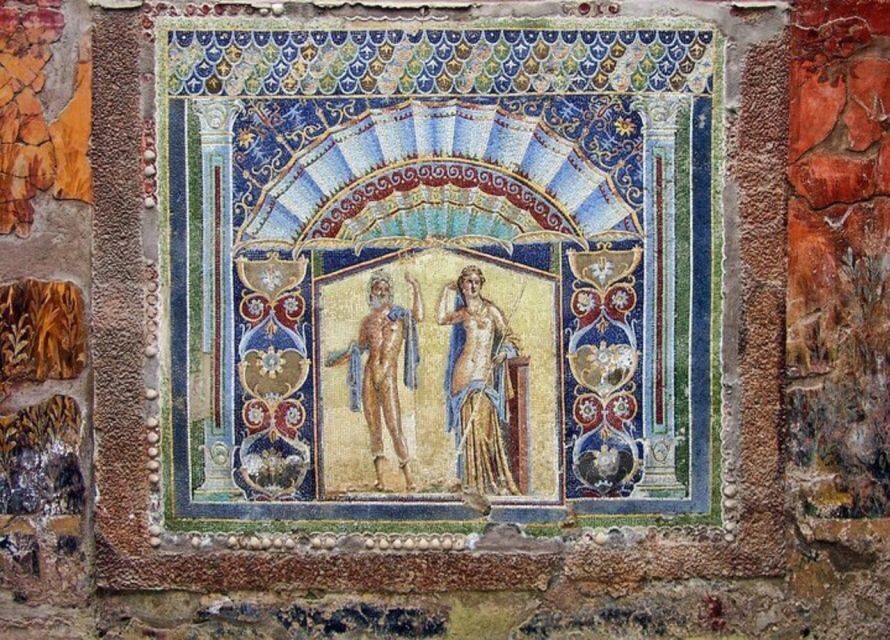
You’ll get privileged access and archaeologist-led commentary centered on the famous frescoes. The goal isn’t just to say they exist—it’s to help you understand why this villa became a magnet for curiosity centuries later, and how fresco narratives functioned inside a Roman setting.
What’s most valuable here is the guided way of looking. Frescoes can feel like busy wall art if you don’t have a guide pointing out what matters. With an archaeologist explaining visual cues and story structure, you’ll likely feel more confident identifying what you’re seeing, even if you can’t read every symbol.
I’d also expect the Villa visit to feel quieter than the main rush areas. One of the tour’s strengths is that it’s built for timing, so you can actually take your time with the artwork rather than getting swept along.
Price and value: why $88 makes sense for a ticket + archaeologist format
At $88 per person for a 3-hour tour, the value comes from two places: the guide and the included entry.
You’re paying for a 3-hour small group with an archaeologist guide, plus the Pompeii Plus entrance ticket that covers the Archaeological Park and the Villa of the Mysteries. On top of that, the tour includes skip-the-ticket-line access, which saves time you’d otherwise lose at the start.
Could you visit Pompeii on your own and spend less? Sure, but you’d be doing it without a trained translator for what you’re seeing. Here, your money buys interpretive power: you don’t just walk between stops—you learn what the stops mean, and you visit them in a planned order meant to reduce frustration.
If you’re on a tight schedule around Naples or the Amalfi Coast area, this kind of guided “highlights with depth” format often costs less than your time being wasted with the wrong approach.
What to expect on the ground: shoes, weather, and the walking reality
The tour runs rain or shine, so you’ll want to dress for damp or bright conditions. Wear comfortable, closed-toe shoes, and in summer bring a hat—flip-flops aren’t suitable for Pompeii’s surfaces.
You’ll need a passport or ID card for entry. Small pets within 10 kg can be allowed inside the Archaeological Park of Pompeii, but they must stay on a leash.
One more practical note: Pompeii can be hot and tiring, and you’ll be on your feet through multiple sites. Even with a good pace, plan water and a bit of flexibility, because 3 hours can still feel like a mini-marathon in full sun.
Also important: this tour isn’t suitable for wheelchair users or people with mobility impairments.
Should you book the Pompeii 3-hour Villa of the Mysteries tour?
Book it if you want Pompeii to make sense, not just look impressive. The strongest fit is for you if you like guided storytelling tied to specific places—especially if the Villa of the Mysteries frescoes are a must-see for your trip.
Skip it if you’re determined to explore Pompeii completely unstructured, or if you need an accessibility-friendly route. And if you’re the type who likes long, slow wandering, consider pairing this tour with extra time afterward so you can come back to the places that grabbed you most.
If your goal is a focused, archaeologist-led tour of Pompeii’s best stops—with real attention to the Villa of the Mysteries—this one is a solid choice.
FAQ
How much does the Pompeii 3-hour Villa of the Mysteries tour cost?
It costs $88 per person.
How long is the tour?
The duration is 3 hours.
Where do we meet the guide?
The guide meets you at the entrance gate of Pompeii ruins called Porta Marina Superiore, holding a sign with Askos Tours. The starting location is listed as Via Villa dei Misteri, 2.
What is included in the ticket?
The Pompeii Plus entrance ticket is included, covering the Archaeological Park plus the Villa of the Mysteries.
Does the tour include skip-the-ticket-line access?
Yes, it includes skip the ticket line.
What languages are offered for the live guide?
The live tour guide is available in German, Italian, French, English, Spanish, and Portuguese.
What should I bring or wear?
Bring your passport or ID card. Wear comfortable, closed-toe shoes; flip-flops are not suitable. In summer, a hat is recommended.
Is the tour canceled if it rains?
No. The tour takes place rain or shine.
Is the tour suitable for wheelchair users or people with mobility impairments?
No. It is not suitable for wheelchair users or people with mobility impairments.
Can I cancel for a refund, and is pay later available?
Free cancellation is available up to 24 hours in advance for a full refund. Reserve now & pay later is also offered.