REVIEW · NAPLES
Private Herculaneum for Families: Kids Archaeology Adventure
Book on Viator →Operated by Leisure Italy · Bookable on Viator
Kids love Herculaneum in a weird, wonderful way. This private family tour takes you into a Roman town preserved by the 79 AD eruption of Mount Vesuvius, where your guide uses hands-on-style clues and kid-friendly story beats to make the past click fast. I like that it feels like you’re walking through a neighborhood, not a museum, thanks to Herculaneum’s tight layout and the visual wow factor of preserved everyday life, including charred wood objects.
Two things I really like: the private, Blue Badge–accredited guide makes the stories track with what kids are noticing in real time, and the tour is built to prevent the classic museum meltdown with games and activities that keep energy moving. I also like the keepsakes: you get a site map plus a Herculaneum4Kids package, so the learning keeps going after you leave.
One thing to consider: expect a decent amount of walking, even though the site is compact. If your youngest gets tired easily, plan for breaks, bring water, and wear shoes that can handle uneven paths.
In This Review
- Key highlights to know before you go
- Why Herculaneum works so well for families (and beats the usual ruins feeling)
- The private guide who keeps kids from checking out
- Arrive at Parco Acheologico Di Ercolano: the Roman neighborhood frozen in time
- The volcano view that puts the story in context
- Antiquarium: charred wood and everyday objects kids can understand
- Boat Pavilion: a Roman ship that turns the bay into a story
- Elegant homes with clear “wealth clues” you can spot fast
- Casa dei Cervi
- Casa di Nettuno e Anfitrite
- Casa del Bicentenario
- Casa del Tramezzo di Legno
- Casa dello Scheletro
- Roman sports, baths, and street-food: the everyday stops that stick
- Palestra (ancient gymnasium)
- Women’s Baths
- Thermopolium (Roman street-food counter)
- Ad Cucumas (wine advertisement)
- Religion and civic identity: Sacello Augustali
- The shoreline chambers: the human story at the end
- What to bring, and how to pace a family day at Herculaneum
- Pickup, meeting point, and how “private” really affects your day
- Price and value: is $221.70 per person worth it?
- Who should book this family Herculaneum adventure?
- Should you book Private Herculaneum for Families: Kids Archaeology Adventure?
- FAQ
- Is this tour private?
- How long does the tour take?
- What language is the tour in?
- Is pickup available?
- Is the admission ticket included?
- How much walking is involved?
- What should we wear or bring?
- Can I cancel and get a full refund?
Key highlights to know before you go
- Private Blue Badge–accredited family guide who keeps kids engaged without losing the adults
- Herculaneum4Kids package and a site map to turn the visit into a scavenger-hunt style experience
- Charred-wood surprises that show real furniture, doors, and architectural fragments preserved by volcanic heat
- Roman everyday-life stops like the Thermopolium (street-food counter) and bathhouse spaces
- Beautiful houses with clear visual clues, from the Casa dei Cervi to Neptune mosaics
- A powerful shoreline moment, where the story of people sheltering is handled with care for young visitors
Why Herculaneum works so well for families (and beats the usual ruins feeling)
If you’ve ever tried to wrangle kids through big, sprawling ruins, you know the problem: adults want details, kids want action, and both need it now. Herculaneum solves this with scale. The town is compact, streets are easy to pace, and buildings sit close enough that imagination fills in the gaps quickly.
The other big reason this works is preservation. Pompeii is famous, but Herculaneum is different in a very kid-friendly way: the town was covered by volcanic material that protected lots of organics. That means you can see surfaces that feel oddly real—like wood elements, colorful decoration, and objects that make ancient life feel specific rather than abstract.
And you get the best of both worlds in one visit: relaxed walking through a neighborhood vibe, plus indoor stops where you can cool off and focus. It’s an archaeology experience that doesn’t feel like studying; it feels like discovery.
If you're still narrowing it down, here are other tours in Naples we've reviewed.
The private guide who keeps kids from checking out
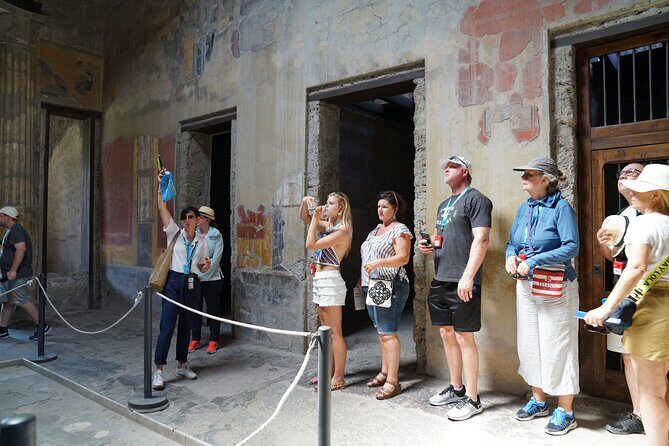
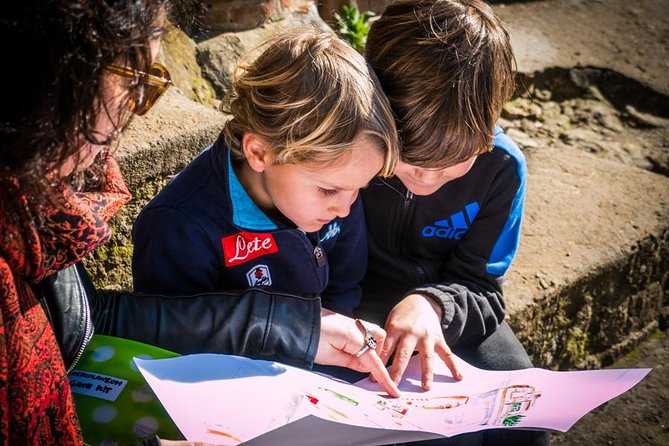
This is a private tour, so you’re not stuck with one-size-fits-all explanations. Your guide is Blue Badge–accredited, and the goal is clear: keep both kids and adults interested at the same time, with storytelling that holds attention rather than talks at you.
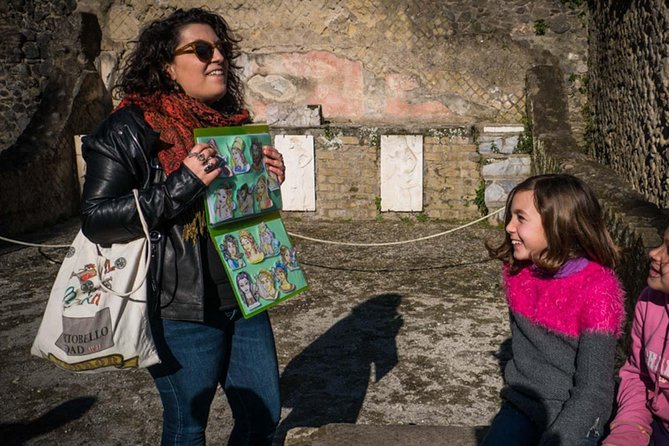
In practice, that means you’ll get more than a lecture. You’ll notice kids are looking forward to the next stop because the guide builds in playful engagement. In past visits, guides like Antonella and Paola have leaned hard into short, smart prompts and small games that help kids latch onto details—so your family stays part of the experience, not stuck waiting for it to end.
It also helps that your guide knows how to connect the buildings to daily life. Roman homes, baths, and street-food counters aren’t treated like random highlights; they’re translated into routines kids can picture: shopping, eating, bathing, playing, and relaxing.
Arrive at Parco Acheologico Di Ercolano: the Roman neighborhood frozen in time
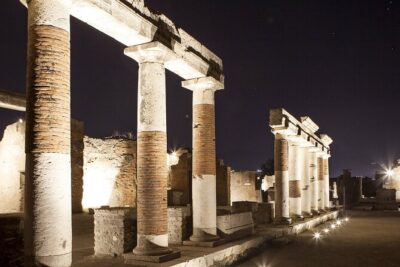
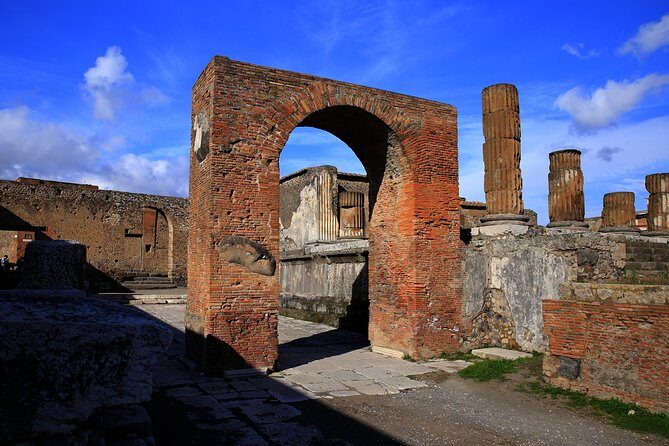
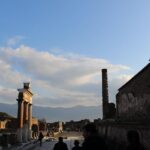
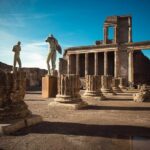
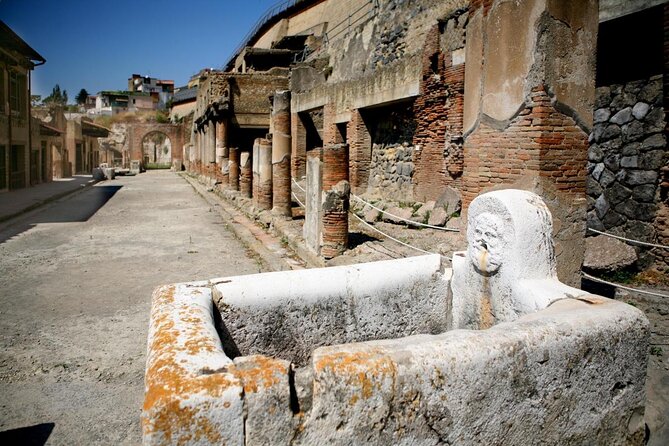
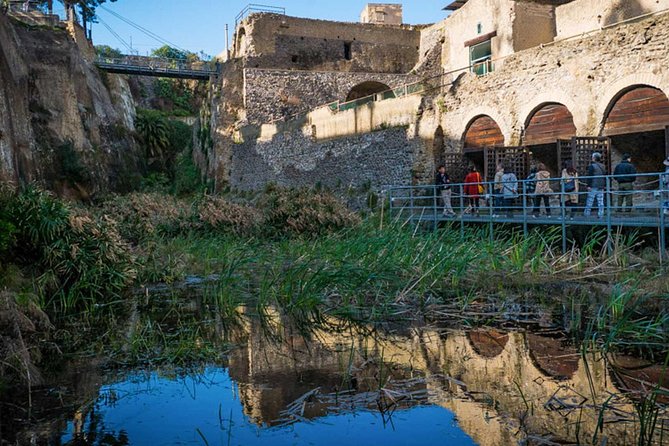
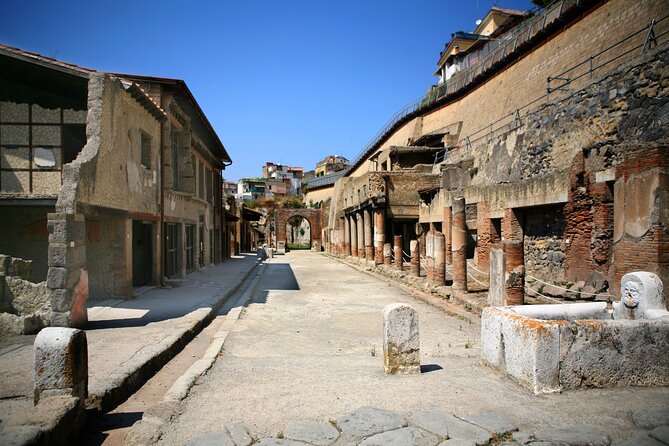
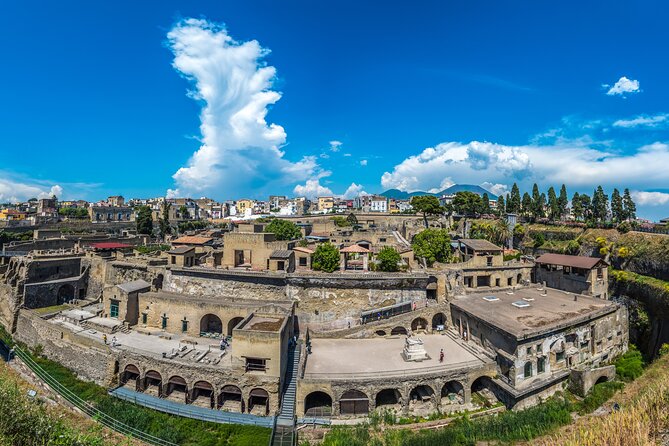
Most families start with the same wow moment: it feels like a town you could step back into, not just “ruins.” Herculaneum is buried under volcanic material from Vesuvius, and that blanket kept the town sealed long enough to preserve a lot of what people normally lose.
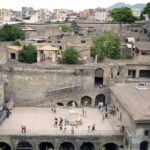
As you explore Parco Acheologico Di Ercolano, you’ll walk through streets that make it easy to understand how close everything was. That closeness is a big deal for families. Kids don’t have to mentally connect faraway dots; they can point and move along, and adults get an easier time visualizing the flow of daily life.
This is also where your guide’s kid-proof approach matters. Children often spot details adults miss, like decorative myth figures, practical household clues, and small visual cues that make buildings feel lived in. Even if you’re not a “history person,” the place is so visual that your curiosity kicks in on its own.
Practical note: this stop is about two hours, and the whole experience runs around two to four hours depending on pace and how long you linger indoors.
The volcano view that puts the story in context
On the way into the site area, the protected surroundings of Vesuvius are part of the setup. Even from a distance, the volcano’s distinctive shape helps kids connect the mountain to the town you’re about to explore.
Then it becomes more than scenery. Once you’re in the archaeological area, the volcano still shows in the background, so the eruption story has a real, visual anchor. That makes the stakes clearer without getting scary. Your guide can connect what you see aboveground to what happened below, and that connection helps kids remember the big picture.
Antiquarium: charred wood and everyday objects kids can understand
The Antiquarium is where the visit turns from “cool ruins” into “oh wow, this is real life.” You’ll see objects that feel familiar: jewelry, coins, writing tools, household items, and even children’s belongings. That familiar feeling matters. It helps kids understand that ancient children weren’t aliens; they wore things, owned stuff, and dealt with the same broad categories of daily life.
One standout for families is the survival of charred wood. You’ll see blackened wood pieces—furniture fragments and architectural material—that remained wood nearly two thousand years later. It’s a powerful learning moment because it changes how kids think about burning. This isn’t just ash or rubble; it’s material transformed by heat and protected by what came next.
Expect this stop to work best if your guide encourages close looking. The objects are small and detailed, so if your family tends to rush, you might want to pause and let kids point out what they think is happening.

Boat Pavilion: a Roman ship that turns the bay into a story
This is one of those stops that can surprise even adults: inside is a remarkably preserved Roman boat, along with sailor tools and equipment. Kids usually lock onto the wooden hull right away because it looks like it could belong to a storybook shipwreck—and it still feels like a real object.
Adults often appreciate the bigger idea: the eruption didn’t just trap buildings; it also interrupted travel and trade. Seeing the boat within the context your guide provides helps you understand Herculaneum as a seaside community with connections beyond the town.
If you’re visiting during warmer months, this is also a good place to reset. Indoor exhibits are a natural breather in an otherwise walking-heavy day.
Elegant homes with clear “wealth clues” you can spot fast
Herculaneum’s houses are some of the most satisfying stops for families because the differences are visible. Even if kids don’t memorize names, they can understand the theme: some Romans lived in spaces that felt comfortable and decorated, while others had simpler setups.
Here are the house highlights you’ll move through:
Casa dei Cervi
This house is known for its spacious courtyard and marble statuary featuring stags attacked by dogs. Kids tend to like the dramatic animal imagery, while adults enjoy how the house signals status through materials and design. It’s a great stop for imagining daily routines in a place with enough room for family life and social entertaining.
Casa di Nettuno e Anfitrite
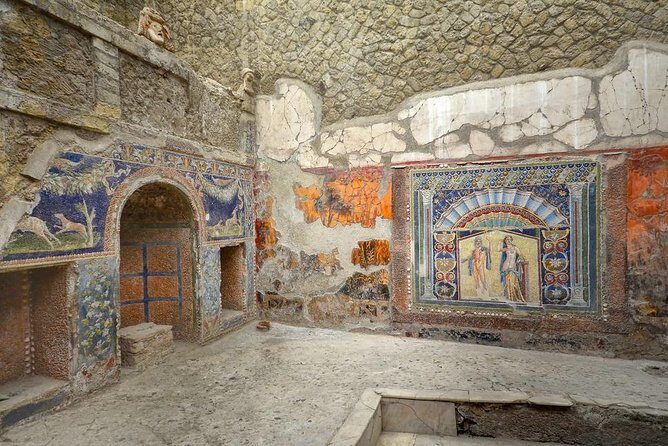
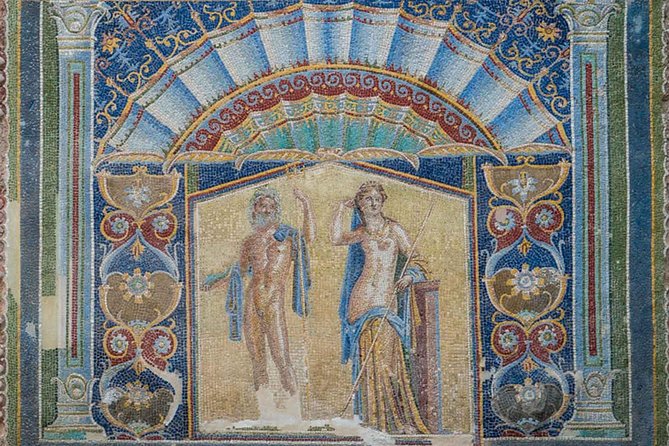
This one centers on a mosaic of Neptune and Amphitrite, with small glass tesserae that hold their color after centuries. Kids often react to the brightness and precision. Adults can spend time spotting how decoration works as storytelling and identity, not just decoration.
Casa del Bicentenario
This is a bigger residential building with a layout that helps you picture both family activity and entertaining. You’ll also encounter preserved charred wooden elements here, including doors, window frames, and interior partitions.
One of the more fascinating moments in this area is the discovery of wooden writing tablets with court records. That’s a perfect “everyday bureaucracy” reminder: paperwork wasn’t invented in the modern era. It was already part of Roman life, just written on different materials.
Casa del Tramezzo di Legno
If your kids love surprises, they’ll enjoy this stop for a very specific reason: a surviving folding screen made of carbonized wood. The wood still retains its shape and decorative details, so you can see how Roman interior spaces could separate areas and guide privacy and social flow.
Your guide can also help you connect the floor plan to social etiquette—who might receive visitors, where private life happened, and how rooms functioned without modern conveniences.
Casa dello Scheletro
This house gets its name from a skeleton found there during early excavations. Today, you’ll explore painted walls, decorative niches, and architectural features that hint at how residents lived. Kids like the mystery angle, and adults appreciate how archaeological findings, layered with research, help reconstruct ordinary life rather than just tragedy.
A quick practical tip: with all these houses, it’s easy for young kids to get impatient. To keep it fun, ask your guide for a “spot the clue” focus—like animals, mosaics, or wood features—so the stops stay bite-sized.
Roman sports, baths, and street-food: the everyday stops that stick
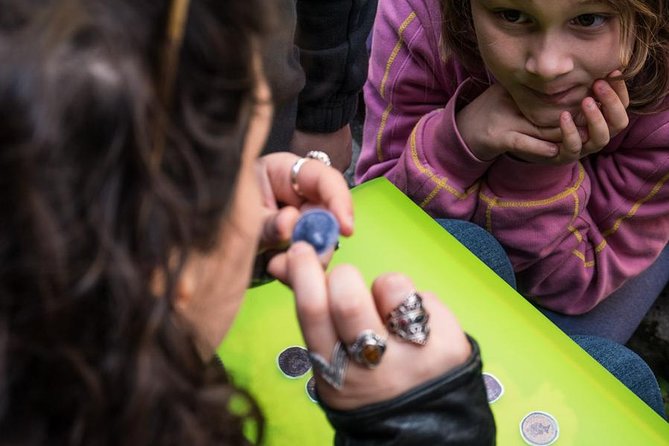
The tour doesn’t just show pretty buildings. It shows routines.
Palestra (ancient gymnasium)
This is where young Romans trained and socialized. You’ll see a large courtyard area that hosted running, wrestling, and ball games, plus porticoes that offered shaded space for talking and resting. Kids usually find it easy to connect to modern sports energy, and adults like the way fitness, education, and civic life were linked.
Women’s Baths
The women’s bath area shows how cleanliness and relaxation mixed with social life. You’ll move through changing rooms, warm rooms, and hot rooms, with mosaic floors, marble benches, and heating systems hidden beneath the surfaces. For families, this is one of the clearest windows into daily life because it’s concrete: people gathered, talked, and took care of themselves in designed spaces. Your guide can explain how the bathing process worked in a way that doesn’t feel like a textbook.
Thermopolium (Roman street-food counter)
This is one of the most “kid instantly gets it” stops. A Thermopolium was basically a street-food counter where hot meals were served from large terracotta jars set into the decorated countertop. Kids often recognize the takeaway concept immediately, which makes it easier to picture what the street smelled like, what people ate, and how daily life flowed without home refrigeration or modern convenience.
Ad Cucumas (wine advertisement)
This little stop can steal the show. The ad is painted on a shop façade, so kids can treat it like an ancient billboard. It’s a fun way to show how commerce and art blended naturally into street life. Adults like that it feels familiar—marketing, symbols, and product recognition were already part of city rhythm two thousand years ago.
Religion and civic identity: Sacello Augustali
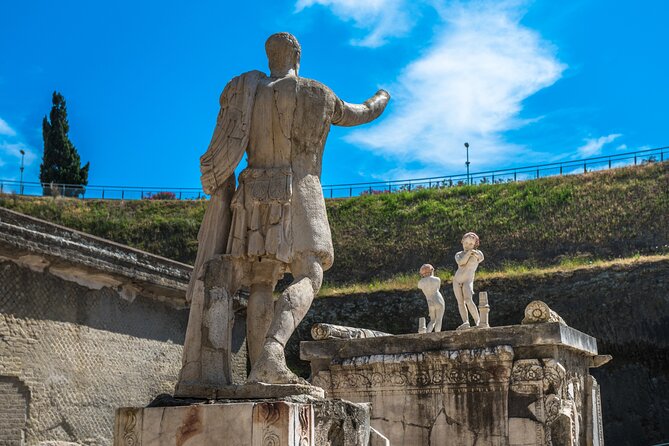
This space connects architecture to belief. The Sacello Augustali helps you understand how Romans honored the emperor through the imperial cult, using finely decorated panels and statues that formed a backdrop for rituals.
Kids often enjoy identifying mythological figures. Adults tend to appreciate the political side too: religion and civic identity weren’t separate lanes. Your guide can keep it clear and age-appropriate, so it doesn’t become heavy or abstract.
The shoreline chambers: the human story at the end
Near the ancient shoreline, you’ll reach one of the most emotionally powerful moments. Here are the vaulted chambers where many skeletons were discovered, tied to people seeking shelter as superheated gases swept the town.
This stop deserves a calm pace. Your guide will present it with sensitivity for younger visitors while still respecting the archaeological truth. Parents often find this moment changes the whole day because it brings human stakes into view. Kids may ask questions that surprise you, and that’s actually a sign the visit is working.
If you’ve got a family member who gets anxious with intense scenes, let your guide know in advance so they can adjust how they frame the story.
What to bring, and how to pace a family day at Herculaneum
Plan on walking and a lot of stop-and-look time. The site is compact, but you’ll still move continuously. A family should have moderate stamina for the day, and the weather matters.
From real on-site experience, I’d bring water and some sun protection, especially if you’re visiting in May through September. Wear appropriate shoes because you’ll be on uneven surfaces and you want stable footing around the exhibits and pathways.
If your child gets tired quickly, build in micro-pauses. Your private guide can adjust pacing since it’s just your group. The best tours feel like they breathe with the kids, not against them.
Pickup, meeting point, and how “private” really affects your day
You start in the Ercolano area (80056 Ercolano) and the tour ends back at the meeting point. Pickup is flexible: tell the operator where you want to meet, and pick-up is included in the premium option.
Because it’s private, your schedule stays in your control. You’ll also get a mobile ticket, which is handy when families are juggling phones, snacks, and layers of clothing.
One more practical perk: since it’s your group only, your guide can keep the pace natural for ages ranging from toddlers to older kids, without having to reset explanations for strangers.
Price and value: is $221.70 per person worth it?
At $221.70 per person for a private family tour lasting about two to four hours, the price can look steep until you map what you’re buying.
You’re paying for three things that add up fast:
- A Blue Badge–accredited guide who tailors explanations to kids and adults at the same time
- Private family pacing so you’re not stuck waiting while the group catches up
- High impact stops that are hard to replicate on your own, especially the wood-preservation stories and indoor exhibits like the Antiquarium and Boat Pavilion
If you compare a guided experience to self-guided wandering, the difference is how quickly kids connect the dots. Here, your guide turns details into a sequence kids care about, plus you take home a site map and a Herculaneum4Kids package that extends the learning.
Also, the tour offers group discounts. If you’re traveling with another family that wants to book together, it can change the math and make it a lot more approachable.
Who should book this family Herculaneum adventure?
This tour is a strong fit if you want:
- Family-friendly archaeology with a guide who actively manages kid attention
- A Roman town preserved by Vesuvius, with everyday details that feel visual and relatable
- A day that works both for kids and adults, without turning into an all-adult lecture
It may be less ideal if your group hates any kind of walking. Even with the compact layout, you’ll still cover ground and spend time in multiple indoor and outdoor stops.
Should you book Private Herculaneum for Families: Kids Archaeology Adventure?
I’d book it if you want your kids to remember what ancient life looked like, not just that you visited ruins. The combination of preservation stories (especially the charred wood), playful kid engagement, and the variety of daily-life stops makes it feel smarter than a typical sightseeing ticket.
If you’re hoping for a totally passive experience, you might prefer a lighter day. But if you’re ready to help your kids look closely and ask questions, this is one of the better family-focused ways to experience the Naples region beyond the usual checkboxes.
In short: this tour turns Herculaneum into a family mission, and it does it without sacrificing real context for the adults.
FAQ
Is this tour private?
Yes. It’s a private tour/activity, so only your group participates.
How long does the tour take?
Plan for about 2 to 4 hours.
What language is the tour in?
The tour is offered in English.
Is pickup available?
Pickup is offered with flexible meeting options. Pickup is included in the premium option of this tour.
Is the admission ticket included?
An admission ticket is included for Parco Acheologico Di Ercolano.
How much walking is involved?
You should have a moderate physical fitness level. There is a decent amount of walking during the visit.
What should we wear or bring?
Wear appropriate shoes. Sun gear is recommended from May to September. It’s also smart to bring water, especially on warm days.
Can I cancel and get a full refund?
Yes. You can cancel up to 24 hours in advance for a full refund. If you cancel less than 24 hours before the start time, the amount paid is not refunded.