REVIEW · POSITANO
Private Skip-the-Line Pompeii & Mt. Vesuvius Tour from Positano
Book on Viator →Operated by IAMME IA! - Gray Line Amalfi Coast · Bookable on Viator
Pompeii and Vesuvius in one long day works. This private tour is built around skip-the-line entry plus door-to-door pickup from Positano, so you spend less time stuck at gates and more time with a real guide in the ruins. I especially like that Pompeii is treated like a guided walk through the city’s key spaces, and that the Vesuvius portion gets you to the crater area for that unforgettable Gulf-of-Naples panorama. One consideration: it’s a hot, walking-heavy day, and the Vesuvius trek is uneven and steep in places.
You’ll also appreciate the practical pacing: Pompeii gets about two hours with focused stops, then you head up Vesuvius for around an hour at elevation. If you’ve got limited patience for long transfers, this setup is a relief because your private vehicle handles the driving out of Positano’s tight roads and down toward Naples. The trade-off is that it’s still a full day, and lunch is on your own.
In This Review
- Key highlights worth caring about
- Positano Pickup: where the day actually starts
- Pompeii’s priority entry: saving time inside the ruins
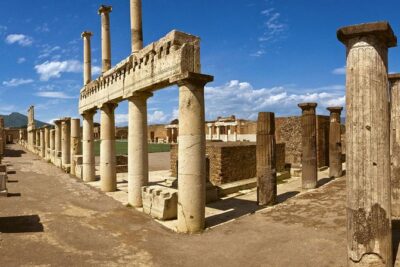
- The Forum and the city center: where Pompeii ran on politics and trade
- Stabian Baths and daily life: what Romans did between big events
- Lupanar and the darker side: the brothel you’ll hear about
- House of the Faun: mosaics, wealth, and Greek-Roman mixing
- Teatro Grande and civic entertainment: Romans relaxing too
- Basilica and the Forum’s power layout
- Mount Vesuvius: the crater edge trek at 1,280 m
- Weather, refunds, and what happens if Vesuvius closes
- Price and value: is $750.91 worth it?
- What you’ll miss: no lunch included and fewer wandering hours
- Who this tour suits best (and who should think twice)
- Should you book this Pompeii and Vesuvius tour from Positano?
- FAQ
- FAQ
- How long is the Pompeii and Vesuvius tour from Positano?
- Is pickup from my hotel included?
- What do I get for the priority access or skip-the-line part?
- Are admission tickets included?
- Is lunch included?
- What happens if Vesuvius is closed due to bad weather?
- What should I bring for the day?
Key highlights worth caring about
- Priority access at both sites: less waiting at entry, more time where the real story is
- A licensed Pompeii guide: you get explanations while you’re standing in the streets and buildings
- Crater-area push on foot: you reach the high viewpoint near the crater edge at about 1,280 m
- Short, meaningful Pompeii stops: Forum, baths, a brothel, major houses, and theaters
- Private transportation from Positano: easier than cobbling together buses and taxis
Positano Pickup: where the day actually starts
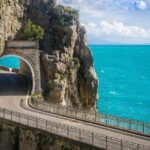
The day begins with pickup in Positano, either directly at your hotel if a vehicle can reach it, or at the closest meeting point if your street is too tight for a car to get in. The start point listed for the tour is the Parking Garage Mandara area (Viale Pasitea), which matters because Positano is steep, narrow, and not made for big vehicles.
This is exactly why a private day trip works here. Instead of planning transfers around Amalfi Coast road chaos, you’re handed transportation and told where to meet. The tour includes a driver and a licensed private guide for the Pompeii portion, so the “how do I get there” stress drops off fast.
One more practical note: the tour ends back in Positano by private vehicle, but the exact drop can follow the same logic as pickup (vehicle access). If you’re staying on a very steep lane, plan on being a short walk from the vehicle at both ends.
If you're still narrowing it down, here are other tours in Positano we've reviewed.
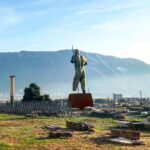
Pompeii’s priority entry: saving time inside the ruins
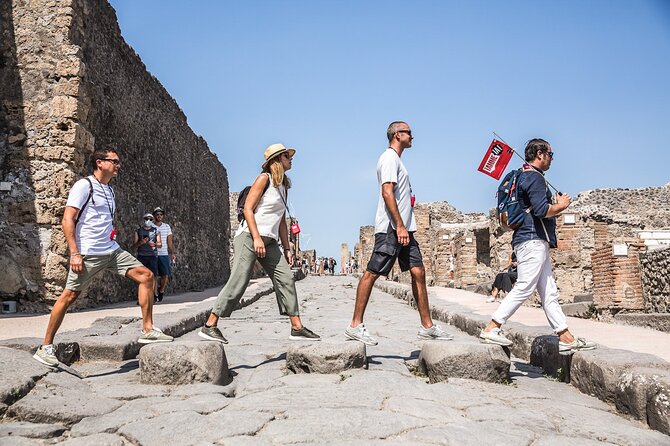
Pompeii is the kind of place where “getting in” can become a mini-adventure of lines, tickets, and last-minute crowd math. This tour is designed to help you breeze past potential entry waits with priority access. That doesn’t mean Pompeii feels empty once you’re inside, but it does mean your clock starts working for you sooner.
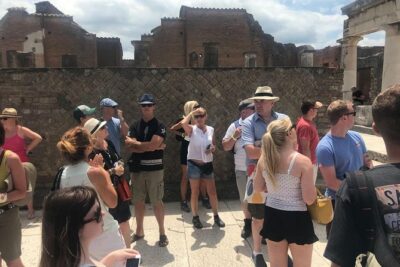
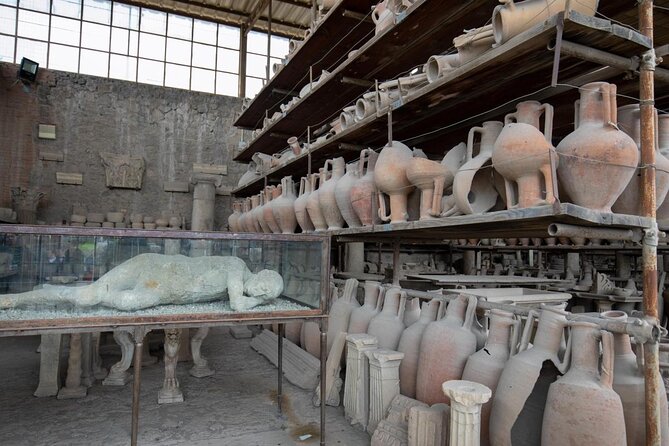
Your guided time in Pompeii is about two hours, and that’s the real value of having a plan. Pompeii is massive, and if you go in without structure, you can end up walking a lot and learning less. With a guide steering you, you’re nudged into the city’s most meaningful zones: governance and commerce in the Forum area, daily life in the bath complex, and elite domestic life in the grand houses.
Also, because the tour includes admission, you don’t have to juggle buying tickets while your group is trying to move. You just show up, scan a mobile ticket, and go.
The Forum and the city center: where Pompeii ran on politics and trade
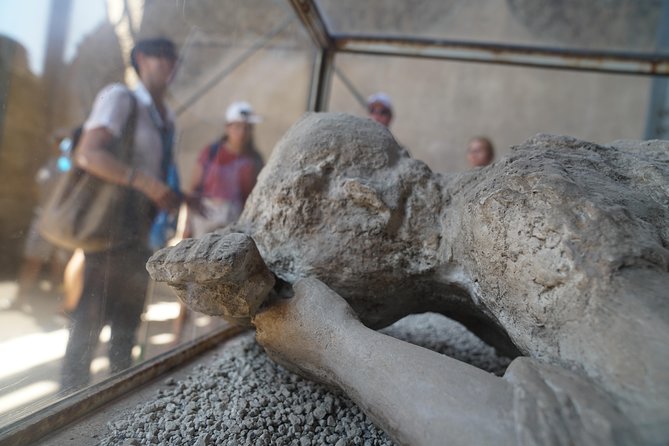
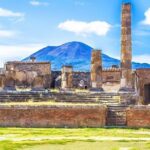
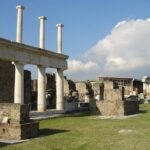
Your Pompeii focus starts where life pulsed: the Forum area. Here you’re in the center of markets, trade, and politics—basically the engine room of a thriving Roman city. It’s one of those places where ruins feel less like “leftover rocks” and more like a working space the moment you see where the buildings stood.
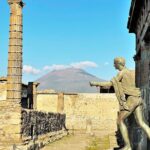
You’ll spend time around the Forum and nearby structures, including the Temple of Jupiter Capitolinus. This temple type is closely tied to the idea of Rome’s religious and civic identity, and the guide context helps you understand why the statues mattered. The statues of Jupiter, Juno, and Minerva weren’t just decoration; they were positioned so people in the Forum would see them.
A great thing about Pompeii as a teaching site is how the city is layered with cause and effect. After the earthquake of 62 A.D., parts of the city were damaged, and the ruins you see reflect that history too. Your guide can tie those details to the buildings you’re walking past, so you’re not just reading labels.
Stabian Baths and daily life: what Romans did between big events
A lot of Pompeii tours rush straight to the flashy highlights. This one still hits the big names, but it also shows you day-to-day life, including the Stabian Baths (Terme Stabiane). These baths give you a window into Roman routines—bathing, changing rooms, and moving through a sequence of hot and cold spaces.
What I like here is the physical logic: the baths aren’t abstract. The layout (separate entrances for men and women, rooms that served as dressing spaces and temperature steps) turns bathing from a fun-sounding fact into something you can actually picture standing in the ruins.
Keep an eye out for how much of Pompeii’s damage comes from more than one disaster. The baths were heavily damaged during the earthquake in 62 A.D. That detail changes how you read the site. You realize the city didn’t just freeze in 79 A.D.; it had already been coping with earlier shocks.
Lupanar and the darker side: the brothel you’ll hear about
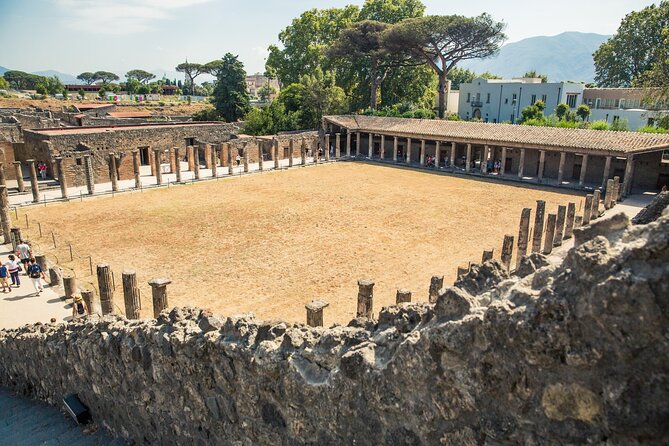
Pompeii is famous for telling the full human story, and that includes the Lupanar (Pompeii’s brothel). It’s known for its erotic wall paintings, and it’s also one of those stops that can feel either uncomfortable or fascinating depending on your style.
I recommend treating this as a historical object, not a shock stop. Your guide can place it in the broader economy of the city and explain why a place like this existed right in the middle of everyday streets. It’s the kind of scene that makes Pompeii feel real in a different way than temples and villas alone.
If you’re traveling with kids, this is the part where you decide ahead of time what you’re comfortable with. The tour does stop here, so it helps to set expectations early.


House of the Faun: mosaics, wealth, and Greek-Roman mixing
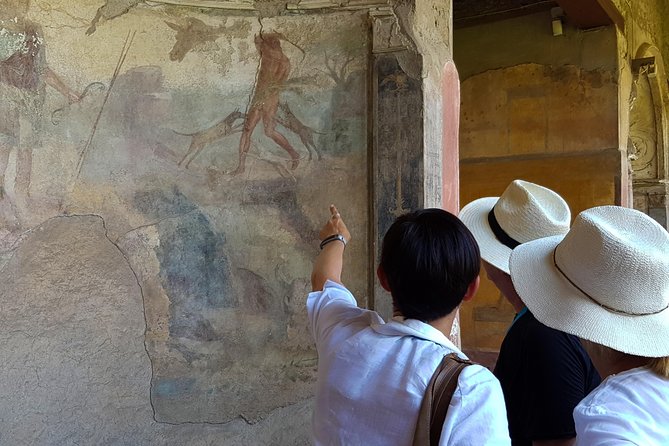
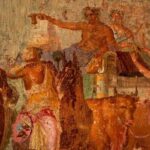
One of the top highlights is the Casa del Fauno (House of the Faun)—a large private residence that occupies an entire block. It’s named for a bronze faun statue in the atrium, and it’s also famous for the Alexander Mosaic, which depicts the battle between Alexander the Great and Darius III.
What makes this stop valuable is that it connects wealth with taste. Roman elites weren’t just collecting stuff; they were broadcasting status through art and design choices. The guide can help you notice the peristyle gardens and the intricate mosaics, and you start to see the residence as a lifestyle machine, not just a big house.
Also, this is one of the best places to understand cultural crossover. The house reflects Hellenistic influence alongside Roman architecture, which is exactly the kind of detail that makes Pompeii more than a 79 A.D. tragedy.
Teatro Grande and civic entertainment: Romans relaxing too
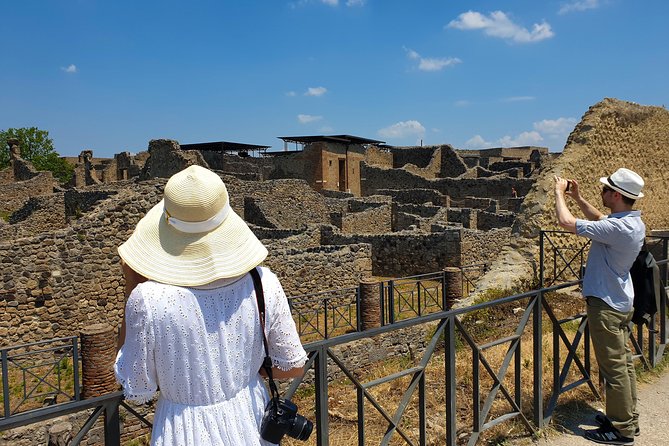
You’ll also see the Teatro Grande, Pompeii’s large theater. It was built by the Romans using the slope of a hill, creating a natural-looking auditorium shape divided into sectors. For me, this is one of those stops that quietly explains how the Romans built entertainment into public life.
Even if you don’t sit in a theater anymore, the structure helps you imagine performances and crowds. And if your guide is in the storytelling mood, you’ll get the sense of how Greco-Roman traditions fit into a Roman city on the Bay of Naples.
This is a good break from the most intense “walking concentration” because it lets you look outward and around the space—useful in heat when your brain is already tired.
Basilica and the Forum’s power layout
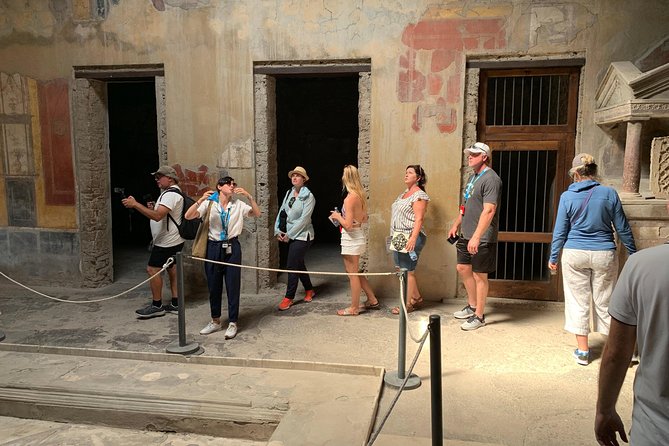
The Basilica is another Forum highlight, known as the most sumptuous building in that central zone. In Roman civic life, it wasn’t a church or a court in the modern sense; it was used for business and administration of justice.
This stop is worth it because it helps you understand the Roman approach to space. Power wasn’t hidden. It was built into the urban layout, so people moved through it on their daily routes. When you understand that, you stop seeing Pompeii as random buildings and start seeing it as a functioning system.
Mount Vesuvius: the crater edge trek at 1,280 m
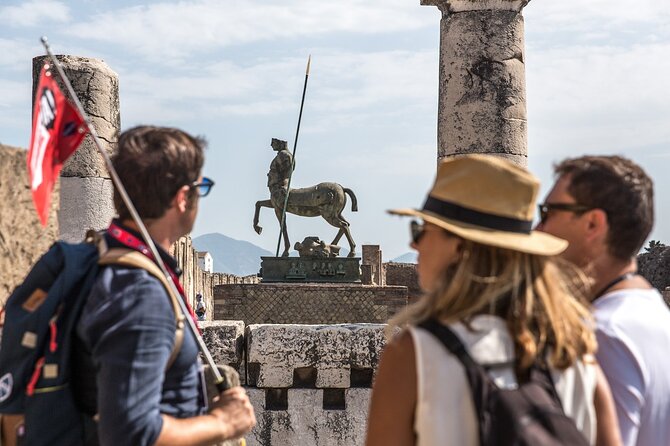
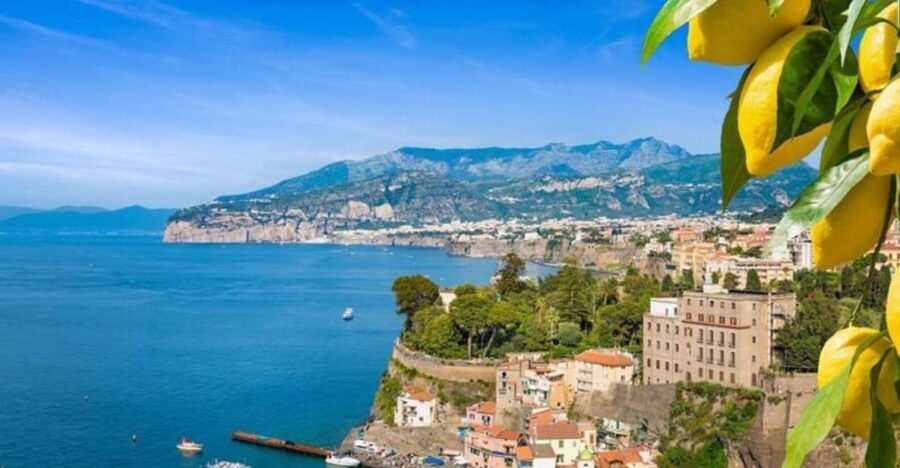
After Pompeii, you head up to Vesuvius National Park. The tour aims for the crater area, and the details matter: you reach the crater’s edge at about 1,280 meters for panorama views over the Gulf of Naples. Then there’s a drop-off phase at about 1,000 meters before the return.
This hike is the part you feel in your legs. The path surface is uneven, and it’s described as challenging enough that good shoes are not optional. From the practical side, bring water and sun protection—Pompeii has limited shade, and Vesuvius can also feel exposed once you’re climbing.
And yes, it can feel chilly at elevation. Even in warm months, the top can be cooler and windier than Positano. Pack a light layer you can stash until you need it.
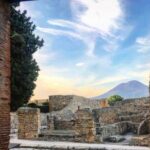
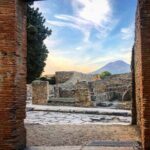
The payoff is that crater-adjacent view. Vesuvius isn’t just a peak; it’s a story with a timeline. The eruption in 79 A.D. destroyed Pompeii and Herculaneum, and the park’s viewpoints help you grasp the scale of that event in relation to Naples and the surrounding coast.
Weather, refunds, and what happens if Vesuvius closes
Vesuvius can close due to bad weather. If that happens, the operator states they’ll provide a refund of the entrance fees for the volcano. That’s important because you still want your day to feel fair even if nature changes the plan.
Also keep in mind the tour duration is approximate and may shift with traffic, weather, or unforeseen circumstances. On the Amalfi Coast, “approximate” is not a small detail. It’s a reminder that your day isn’t scheduled to the minute like a museum timed-entry.
Price and value: is $750.91 worth it?
At $750.91 per person, this is not a budget day trip. The value comes from combining several things most people end up paying for separately: private round-trip transportation, a licensed guide for Pompeii, and priority access with admissions included for Pompeii and Vesuvius.
If you’re used to rail-and-bus travel, private transportation in the mountains can feel expensive at first. But compare it to what you’d realistically need: getting from Positano down toward Pompeii, then over to Vesuvius, plus entrance tickets and the time lost to lines. This tour turns that into one managed day with priority entry.
One more angle: group size. The tour is private, but there have been discussions about vehicle size limits in Positano. The operator also states there’s a maximum of 21 passengers, and larger buses can’t operate in Positano due to restrictions. In plain terms, you should expect a vehicle that can handle the roads, and you’re less likely to be squeezed into a huge crowd.
So is it worth it? If you care about time efficiency, want a guide to connect the ruins to the real story, and you’re determined to reach Vesuvius’s crater area without logistics headaches, this price starts to make sense. If you’re chasing lowest cost and you’re fine figuring out trains and tickets yourself, you can likely find cheaper options.
What you’ll miss: no lunch included and fewer wandering hours
Lunch is not included. That means you’ll want a plan for where and when you eat once you’re in the middle of the day. People do get food options between Pompeii and Vesuvius, but it’s on your dime, and not everyone loves the standard setup. My advice: treat lunch as flexible and don’t get attached to one place. If you see a simpler option that looks clean and fast, go for it.
Also, Pompeii is huge. Even with a well-designed two-hour guided portion, you won’t cover the whole site. That’s not a failure; it’s how you protect a day that also includes a Vesuvius climb. If you love Pompeii so much that you want to go back for a second full day, plan it. This tour is the “best of” version with crater time.
Finally, this is a long day. You’ll walk a lot at Pompeii, then you’ll walk uphill at Vesuvius. If you’re sensitive to heat, bring sun protection and pace yourself.
Who this tour suits best (and who should think twice)
This is a great fit if you:
- Want a guided Pompeii walk that hits major areas without guesswork
- Have limited time on the Amalfi Coast and want Pompeii plus Vesuvius in one shot
- Prefer private transportation from Positano over buses and taxis
- Don’t want to manage skip-the-line logistics yourself
It might not be ideal if you:
- Have major mobility limits. You’ll be on uneven ground and tackling the Vesuvius climb.
- Want lots of “free wandering” in Pompeii. This day is guided and focused, not slow and open-ended.
- Are extremely price sensitive. The included transportation and priority access are what you’re paying for.
Should you book this Pompeii and Vesuvius tour from Positano?
If you’re choosing between a DIY day and a managed private experience, I’d lean toward booking this—mainly because priority access plus private transport turns a potentially stressful day into something that runs on your schedule. The Pompeii component feels strongest when you take the guide’s explanations seriously while you’re standing in the Forum, the baths, the houses, and the theater.
Then there’s Vesuvius. Reaching the crater edge area is the kind of experience that turns history into something you can see and feel. If that’s on your bucket list, this tour is built for it.
Book it if you’re ready for a full day of walking and you pack the basics: good shoes, water, and a light layer for higher elevation. Skip it if you want a relaxing stroll or you’re not comfortable with uneven, steep paths.
FAQ
FAQ
How long is the Pompeii and Vesuvius tour from Positano?
The tour runs about 8 hours, with the exact duration subject to traffic, weather, and other unforeseen circumstances.
Is pickup from my hotel included?
Yes. Pickup is offered from your hotel in Positano if your accommodation is reachable by vehicle. If not, you’ll meet at the closest possible meeting point.
What do I get for the priority access or skip-the-line part?
You’ll have priority access to the Pompeii Archaeological Site and priority access to Mount Vesuvius National Park, helping you bypass potential admission lines.
Are admission tickets included?
Yes. Pompeii admission and the Mt. Vesuvius entrance ticket are included, along with admission to Vesuvius National Park.
Is lunch included?
No. Lunch is not included in the tour price.
What happens if Vesuvius is closed due to bad weather?
If Vesuvius is closed for weather reasons, you’ll receive a refund of the entrance fees for the volcano.
What should I bring for the day?
Plan for walking and uneven ground. Bring sun protection and water for the heat, and a jacket or light layer for cooler temperatures at higher elevation near Vesuvius. Good shoes help a lot on the uneven path.