REVIEW · POMPEI CAMPANIA
Pompeii Guided Tour with Archaeologist
Book on GetYourGuide →Operated by Max travel · Bookable on GetYourGuide
Pompeii moves faster with the right guide. This 2-hour Pompeii guided tour with an archaeologist takes you straight into the city’s big highlights, with stops that help you connect everyday life to the moment Vesuvius buried it. I especially like the smart focus on the forum, suburban baths, and plaster casts, so you leave with a clear sense of what mattered to real people.
I also like that it’s a small group (max 16), which keeps the walk from feeling like a cattle stampede. The guide explanations are built for practical understanding, and you’ll hear about daily routines in the ruins and the 79 A.D. eruption that changed everything. In past groups, guides like Imma have even balanced Italian and English smoothly, so mixed-language groups don’t feel awkward or left behind.
One drawback to keep in mind: the tour is short, and the total time can feel tighter than the “2 hours” label because there’s sometimes a bit of setup time at the start. Also, it covers only part of the huge archaeological park, and the Villa of the Mysteries is not included, so you’ll want a plan for what you’ll do afterward.
In This Review
- Key Pompeii tour takeaways before you go
- Entering Pompeii at Porta Marina Superiore (and why it matters)
- Two hours with a regional archaeologist: pacing, languages, and questions
- The Pompeii forum stop: where city life gets real
- Suburban baths: social life, not just plumbing
- Plaster casts: the moment Pompeii turns human
- Understanding the 79 A.D. eruption: guided context on-site
- What you won’t see: Villa of the Mysteries and the limits of a 2-hour tour
- Price and value: is $64 worth it?
- Who this Pompeii tour suits best (and who might want a different plan)
- Should you book this Pompeii Guided Tour with an Archaeologist?
- FAQ
- Where is the meeting point for the Pompeii guided tour?
- How long is the tour?
- Is this a small group tour?
- What languages are available for the guide?
- Does the price include Pompeii entry?
- Does the tour include the Villa of the Mysteries?
- Which Pompeii highlights are covered during the tour?
- Can I stay inside Pompeii after the guided portion ends?
- Will I be able to skip the long queue?
- Is there any flexibility with cancellation or payment?
Key Pompeii tour takeaways before you go
- Skip the main entrance queue at Porta Marina Superiore and head quickly toward the core sights.
- Small group size (up to 16) keeps questions possible and pacing manageable.
- Forum + suburban baths + plaster casts give you both civic life and human details.
- Vesuvius 79 A.D. explained on-site, not just as a date you memorize.
- You’re guided for 2 hours, then you’re free to continue on your own with site guidance.
Entering Pompeii at Porta Marina Superiore (and why it matters)
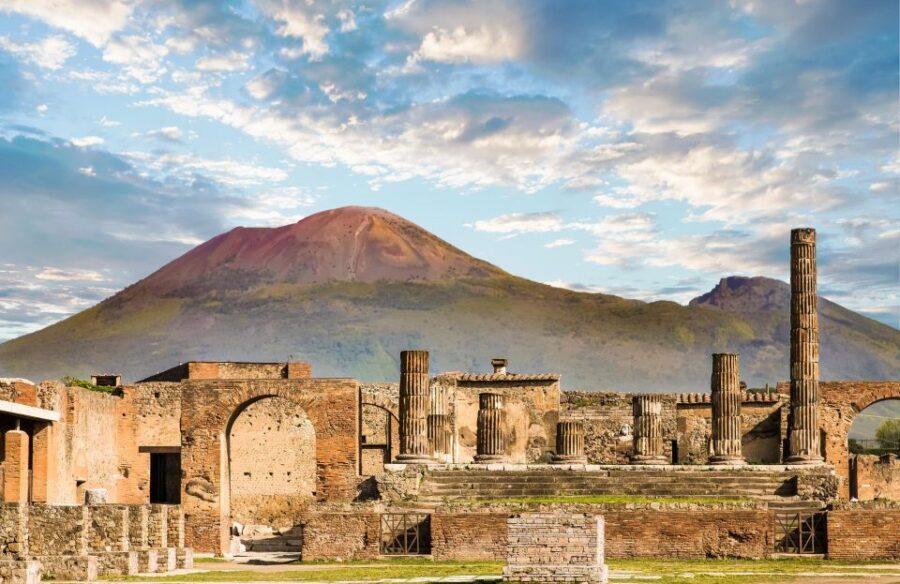
The tour starts at the main entrance of Pompeii called Porta Marina Superiore. You meet your guide holding the company sign there, and the whole point is to get you through the entrance process with less waiting. If you’ve ever visited a major site in peak season, you know the first big slowdown is usually the queue, not the walking. This tour aims to cut that friction early.
You’ll also benefit from an express security check so you can get moving sooner. That matters because Pompeii is big, and the clock starts the moment you arrive. The fastest way to waste time is to stand around while the group is trying to compress a city-sized site into a short guided window.
Practical tip: double-check you’re actually standing at the Porta Marina Superiore main entrance, not somewhere else along the perimeter. One past booking noted confusion at the start when the meeting point felt like it was at the opposite end of where the tour began. If you’re unsure, ask right away where the guide is collecting the group and look for the sign.
Other guided Pompeii tours we've reviewed
Two hours with a regional archaeologist: pacing, languages, and questions
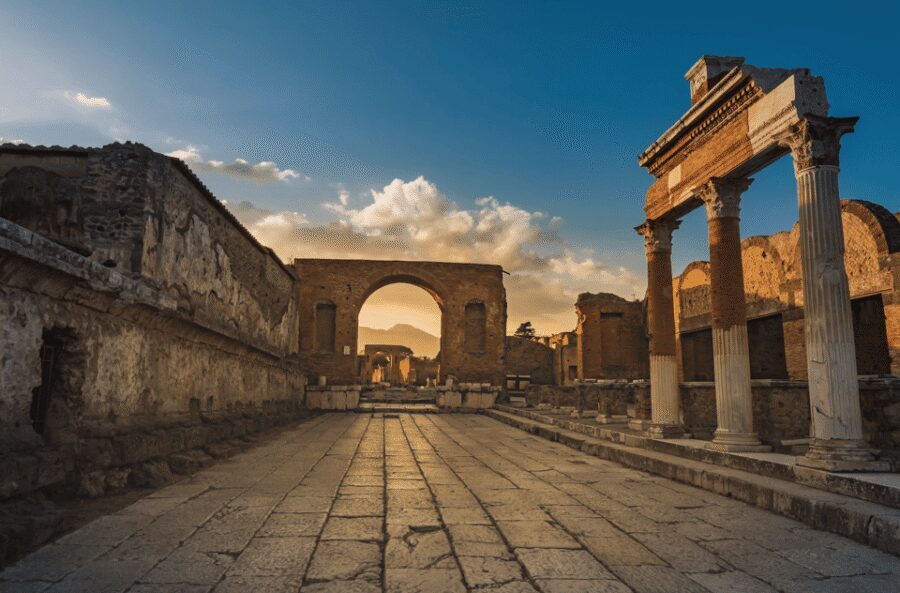
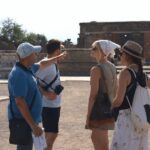
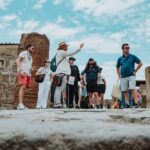
This is a live tour with a regional archaeologist and it runs for 2 hours. The group cap is 16, which is the sweet spot for Pompeii. Big groups mean you can’t hear well, you can’t ask much, and you spend more time “following” than learning. Here, the smaller size makes it easier to keep up with explanations while still walking at an actual human pace.
Language options are English and Italian, so you should be able to match what you want. In one group, the guide Imma handled a mixed crowd by alternating Italian and English without making anyone feel singled out. That’s a big deal in Pompeii, where even short explanations can turn a pile of stones into something readable.
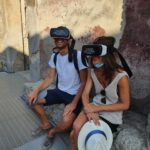
Setup time is the one thing that can stretch the experience. One review pointed out that a chunk of the promised time can be eaten up by the period between the guide arriving and distributing radiolines/headsets, if those are used for hearing clarity. You can’t control that, but you can plan your day with a little buffer.
The Pompeii forum stop: where city life gets real
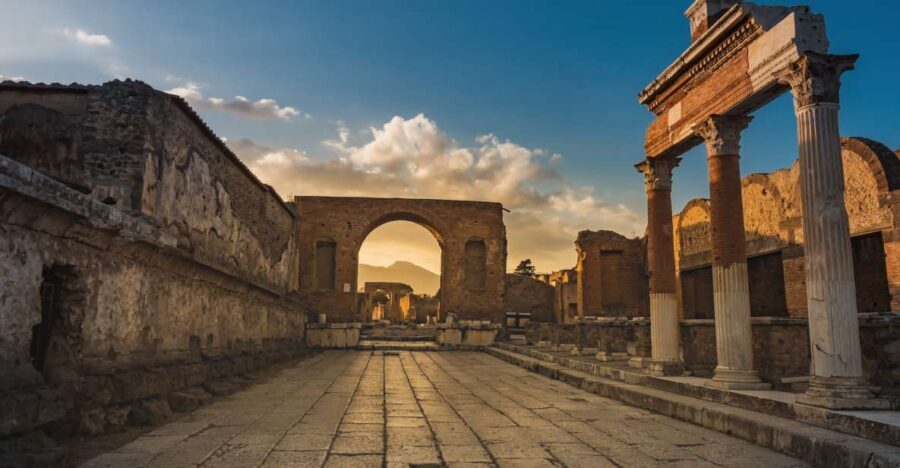
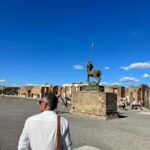
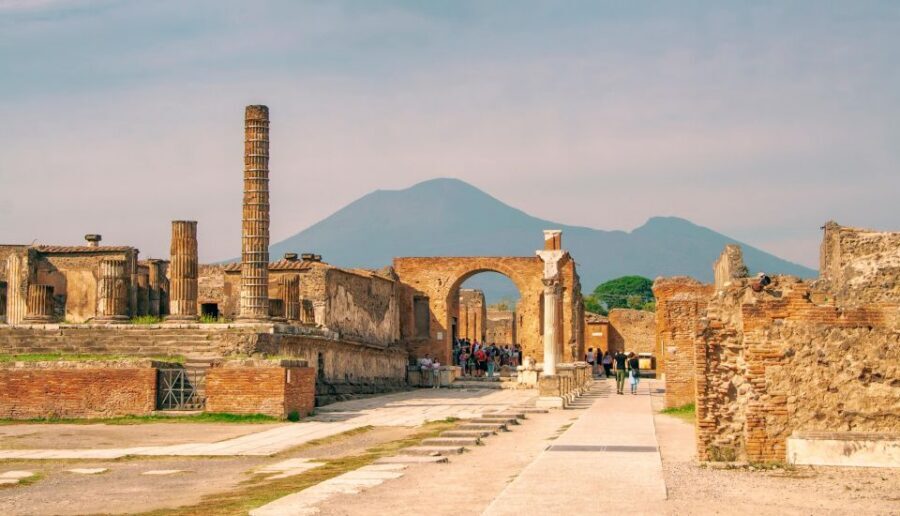
The tour’s first major theme is civic life, and that means the forum. Even if you know nothing about Roman history, the forum works well as an anchor. It’s where you can picture gatherings, announcements, commerce, and public movement. A guided walk helps you connect the physical layout to what people were doing there—so you don’t just see columns and paving and move on.
What I like about this approach is the “why” behind the “what.” Pompeii can feel like a museum of ruins if you’re left alone. With an archaeologist guiding you, the forum becomes a story about how people organized their days and how power and everyday needs met in one place.
If you’re the type who hates feeling lost, this is the value of a guided stop: it gives you a mental map fast. Once you understand the forum’s role, the surrounding streets and buildings start to make sense.
Suburban baths: social life, not just plumbing
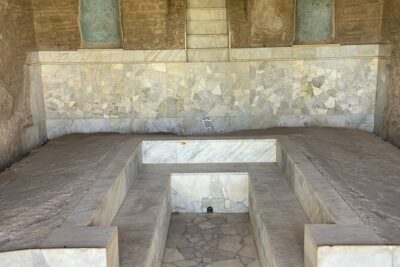
Next up are the suburban baths, and this stop is a big reason the tour works for first-timers. Baths weren’t only about cleanliness. In Roman life, they were social spaces, routines, and meeting points. Even without getting buried in technical detail, the guide explanations help you see them as a place where neighbors spent time, not just a historical feature.
The practical benefit is that baths add variety. Pompeii isn’t only temples and streets; it has infrastructure for leisure and social rhythm. When you understand that, you start interpreting walls, rooms, and circulation patterns like they served people, not tourists.
A heads-up for your expectations: because the overall tour is short, you won’t get a slow, room-by-room study of every space. What you get instead is the bigger picture—enough to make later self-walking more productive.
Plaster casts: the moment Pompeii turns human
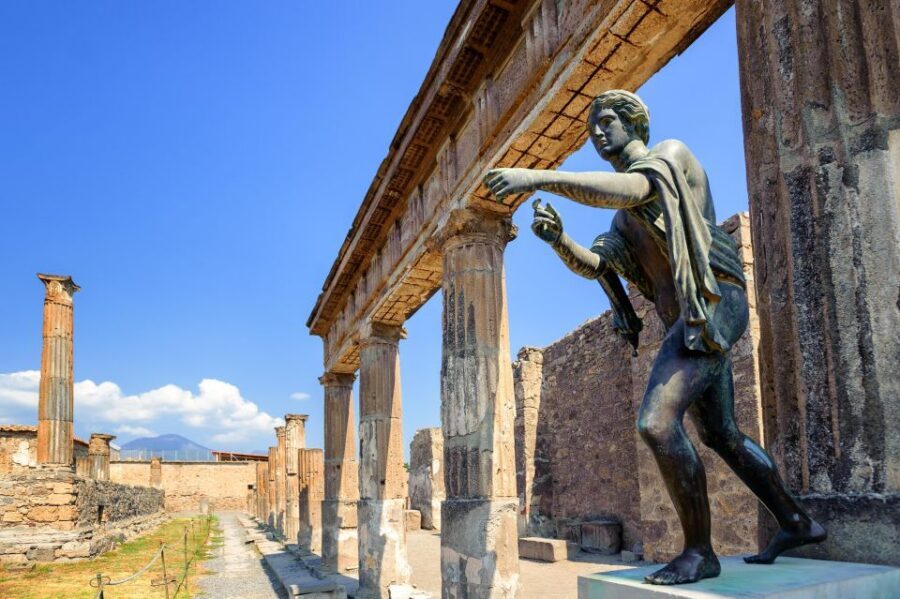
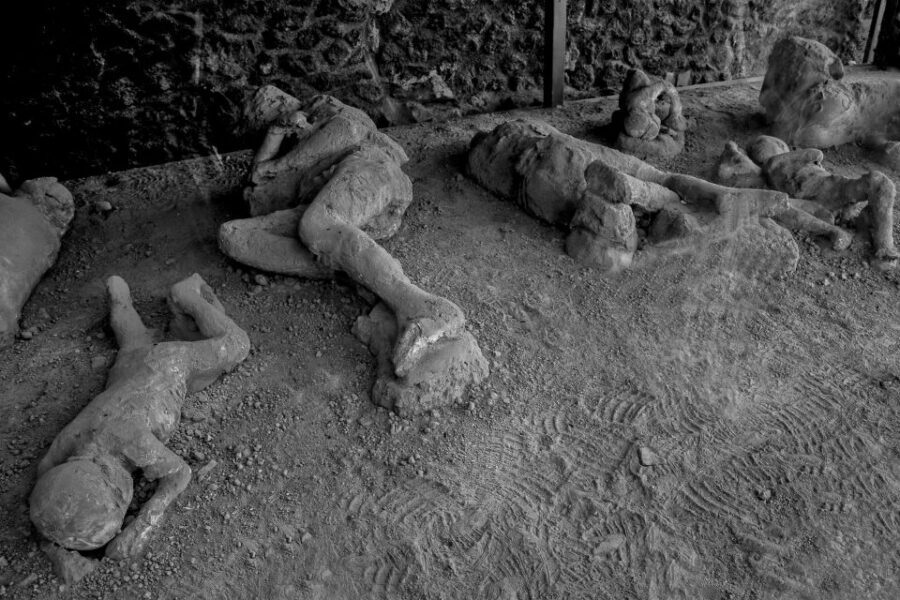
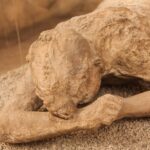
The plaster casts are often where Pompeii shifts from interesting to unforgettable. These figures help you visualize what happened during the eruption when bodies were preserved and then later cast to show form. On a guided tour, you’re not just seeing them—you’re getting the context that makes the statues meaningful.
I like this stop because it gives you emotional clarity without turning the experience into pure shock value. You leave understanding that this wasn’t just a natural disaster in the abstract. It was a real event that hit real people, with choices and time pressures.
If you tend to get overwhelmed at big sites, plaster casts can actually help. They act like a reference point. After seeing them, it’s easier to interpret surrounding structures as everyday spaces people used right up to the end.
Other Pompeii tours with an archaeologist

Understanding the 79 A.D. eruption: guided context on-site
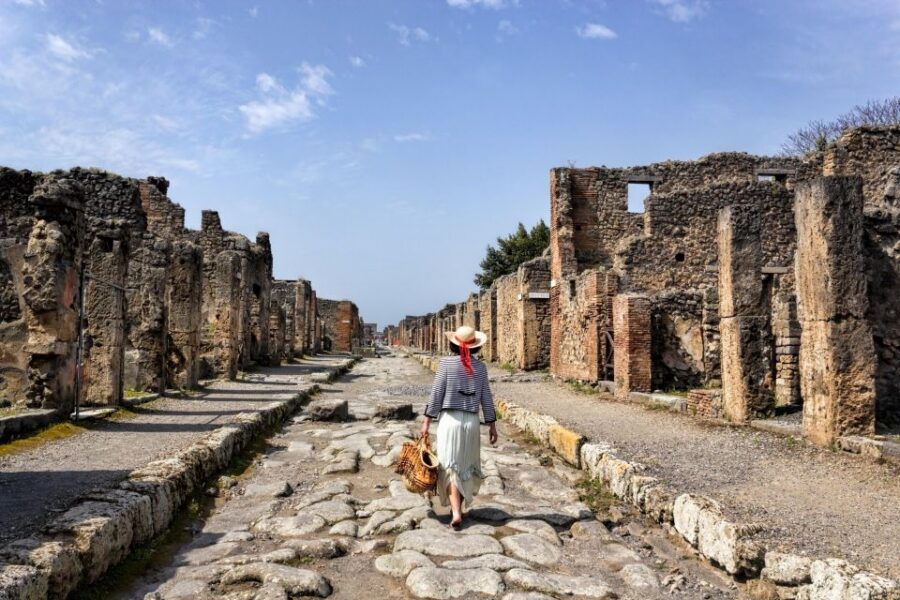
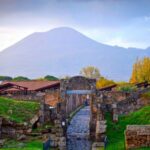
One of the tour’s key promises is explanation of the Vesuvius eruption in 79 A.D. The value here is the way the guide ties the disaster story to what you’re standing in. Pompeii is a physical document of that moment, and having a guide helps you connect the timeline and consequences to the city’s layout.
I find this approach much more useful than trying to memorize eruption facts from a pamphlet. When the guide points out what you’re seeing and explains why it happened, your brain starts organizing the story naturally.
Also, it keeps you from turning Pompeii into a “spot the big attraction” checklist. You start asking better questions like: why would people be here, how did the city function, and what changed in an instant?
What you won’t see: Villa of the Mysteries and the limits of a 2-hour tour
Here’s the honest trade-off: the tour is focused, and that means not everything. The Villa of the Mysteries is not included. That matters because that villa is one of the famous optional add-ons many people want. If your heart is set on it, build a separate plan before or after your guided walk.
There’s also the broader scale problem. Even with a strong guide, this tour covers only a slice of the enormous archaeological area. One past booking noted it’s roughly about 25% of the park. That’s not a complaint; it’s just the reality of packing a city-sized site into a short guided window.
The good news: after the tour, you can stay inside the ruins as long as you want. If you want to keep momentum, ask your guide for recommendations on other important stops in the surrounding area. You’ll be better prepared to choose, because your guided portion gives you the context that helps you avoid aimless wandering.
Practical suggestion: consider picking up a site map before you continue on your own. One review specifically pointed out that after the guided segment, a map is useful for planning what to see next.
Price and value: is $64 worth it?
At $64 per person, you’re paying for three things at once: the daily entry ticket plus a 2-hours guided tour with a regional archaeologist. For Pompeii, that ticket-and-guide combo is where value usually lives. If you’ve ever tried to piece together Pompeii on your own while also standing in lines, you quickly realize how much time (and energy) you spend just getting organized.
The small-group element adds another value layer. Paying a guide cost is usually worth it when you can’t easily make sense of what you’re seeing. Here, the forum, suburban baths, and plaster casts are exactly the kind of stops where explanations help you read the ruins fast.
The main “value catch” is the scope. Since you’re paying for a guided selection rather than the entire park, you should plan to spend extra time afterward if you want a broader visit. If your schedule is tight and you want the big highlights with context, this price can feel fair. If you want to see everything, you’ll likely need additional self-guided time or a separate add-on.
Who this Pompeii tour suits best (and who might want a different plan)
This tour is a strong fit if you:
- Want structure in a huge site and hate feeling lost.
- Have limited time and still want core sights tied together.
- Like the idea of hearing about daily life and the 79 A.D. eruption while walking the ground.
- Prefer a small group where questions and pacing are realistic.
It may be less ideal if you:
- Want a long, slow, take-every-detail approach across the entire archaeological park.
- Have Villa of the Mysteries at the top of your must-see list (since it isn’t included here).
- Can’t handle a short “setup period” at the start that can reduce your effective time, especially if headsets/radiolines are being distributed.
Should you book this Pompeii Guided Tour with an Archaeologist?
I think it’s worth booking if you want Pompeii’s highlights without the guesswork. The small group size, the skip-the-line approach, and the specific combination of forum + suburban baths + plaster casts give you a fast, understandable picture of how the city worked and what happened in 79 A.D.
If you’re planning a longer Pompeii day, treat this tour like your foundation. Afterward, you can build your own route, guided by the context you just learned. If you’re dead set on the Villa of the Mysteries, either pair this tour with an additional plan or choose a different option that includes it.
FAQ
Where is the meeting point for the Pompeii guided tour?
The meeting point is the main entrance of Pompeii’s ruins, Porta Marina Superiore.
How long is the tour?
The guided experience lasts 2 hours.
Is this a small group tour?
Yes. It’s shared in a small group with a maximum of 16 people.
What languages are available for the guide?
The tour is offered in English and Italian.
Does the price include Pompeii entry?
Yes. The price includes the daily ticket plus the 2-hour guided tour with a regional archaeologist.
Does the tour include the Villa of the Mysteries?
No. The price does not include the Villa of the Mysteries.
Which Pompeii highlights are covered during the tour?
The tour takes you to key areas including the forum, the suburban baths, and the plaster casts, with explanations tied to the Vesuvius eruption of 79 A.D.
Can I stay inside Pompeii after the guided portion ends?
Yes. After the tour, you can stay inside the ruins as long as you want and you can ask your guide for recommendations nearby.
Will I be able to skip the long queue?
Yes. The tour description states you’ll skip the long queue at the main entrance and use an express security check.
Is there any flexibility with cancellation or payment?
You can cancel up to 24 hours in advance for a full refund. There’s also a reserve now & pay later option to keep plans flexible.
If you want, tell me your travel month and whether you’re most excited about the forum/baths/plaster casts or about the Villa of the Mysteries, and I’ll suggest how to structure your Pompeii day around this 2-hour tour.