REVIEW · SORRENTO
From Sorrento: Half-Day Tour of Herculaneum
Book on GetYourGuide →Operated by TUI Italia · Bookable on GetYourGuide
Frozen ash turns walking into time travel. This half-day trip from Sorrento takes you to Herculaneum, the Roman coastal town preserved by volcanic mud and ash from Vesuvius’ 79 A.D. eruption, with key stops like the Villa of the Papyri and the street-level layout that still feels Roman.
What I like most is how plainly the town reads as a real place: you walk former streets that have held their shape for about 2,000 years, and you can spot details such as carbonized timbers and clay pots preserved where they were left. I also really value the quality of the guiding, with standout English-speaking guides including Eugene, Toni, Dana, and Cynthia—people who clearly explain what you’re looking at and what it meant for everyday life.
One downside to plan around: the time inside the site is tight. The guided portion runs about an hour, and some schedules leave you only around half an hour to wander on your own, so you’ll want to choose your must-sees early.
In This Review
- Quick Hits Before You Go
- Why Herculaneum Feels Different From the Usual Vesuvius Stop
- The 4-Hour Rhythm From Sorrento: What the Day Actually Feels Like
- Arrival at the Site: Getting Your Bearings Fast
- Guided Walk Through the Roman Streets: The Portion You’ll Remember
- Villa of the Papyri: Luxury You Can Actually Walk Through
- Central Thermae Baths: Frescoes, Mosaics, and Social Life
- Shops, Gymnasium, and the Roman Day-to-Day Feel
- Guides, Headsets, and the Small Things That Affect Your Enjoyment
- Heat, Timing Pressure, and How to Plan Smart
- Price and Value: Is $71 a Good Deal for a Half-Day?
- Who Should Book This Tour (and Who Might Prefer Something Else)
- Should You Book This Half-Day Herculaneum Tour?
- FAQ
- How long is the Herculaneum half-day tour from Sorrento?
- What is included in the tour price?
- Where do I meet for the tour?
- Do I need to pay an entrance fee?
- Is the tour guided in English?
- Is there time to explore on my own?
- Is lunch included?
Quick Hits Before You Go
- Villa of the Papyri: a large, luxurious residence you’ll see as the “home version” of Roman wealth.
- Central Thermae public baths: look for the art—frescoes and mosaics—painted and set for bathing life.
- Roman street plan, still walkable: former streets feel remarkably intact, down to preserved household objects.
- Thermal-bath stop plus shops and gym: it’s not only villas; you get a mix of social spaces.
- English guide with headsets on the coach: you’ll hear the story clearly from pickup through the walk.
- Time management matters: guided tour is about an hour, with only limited self-guided time at the end.
Why Herculaneum Feels Different From the Usual Vesuvius Stop
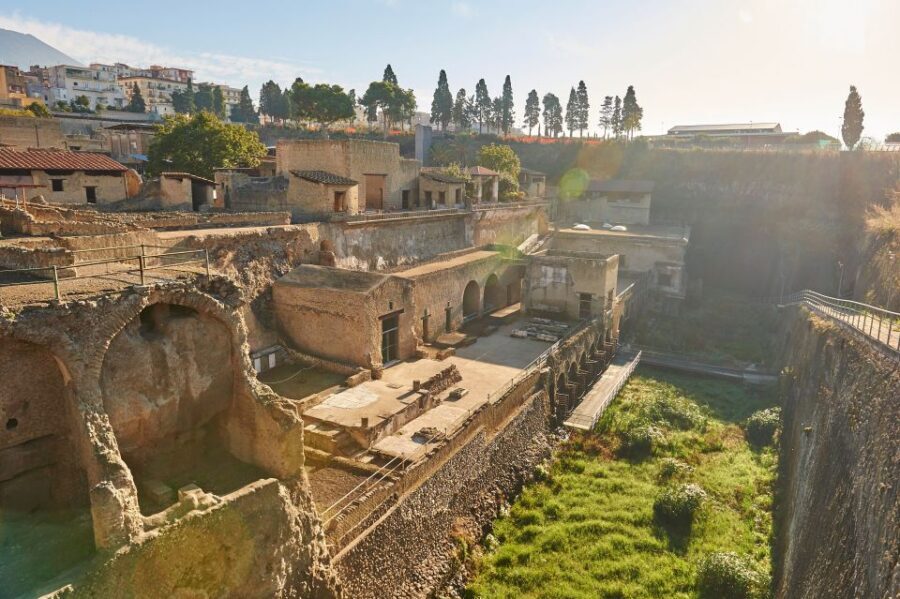
Most people associate Vesuvius with big, dramatic ruins. Herculaneum keeps that same 79 A.D. story, but tells it in a different way: it’s a residential town. Think homes, baths, shops, and daily routines—more “ordinary Roman life” than monumental showpieces.
The preservation method does the heavy lifting. Volcanic mud and ash sealed buildings in a way that helped many structures survive in impressive condition. You don’t just look at stones—you walk through a place where details were protected long enough to be studied and (still) excavated. In fact, the town was only discovered in 1709, and excavation continues, which is why the site feels like both an ancient world and a work in progress.
That’s the core appeal of this half-day format. You don’t get everything, but you get the essentials in a tight window. If you’re basing yourself in Sorrento and want something meaningful that doesn’t eat your whole day, Herculaneum is one of the best payoffs you can aim for.
Other Herculaneum tours and tickets
The 4-Hour Rhythm From Sorrento: What the Day Actually Feels Like
This tour runs about 4 hours total, with a morning departure from Sorrento. Your meeting point is 08:10 at the Achille Lauro parking area, opposite Europa palace hotel. From there, you head toward Castellammare, then join the motorway and continue toward Naples before reaching Herculaneum.
During the drive, you get headsets distributed on the coach so you can listen as the guide talks through context and what to watch for at the site. That matters more than it sounds. Roman sites can be visually busy, and a good audio explanation helps you connect the dots fast—like why the baths art matters, or why certain house features show wealth.
At the entrance to the archaeological site, your guide waits while you handle entrance fees before starting the guided portion. The general admission is €11, with children under 18 and adults over 65 free. Your tour price is listed as $71 per person, and entrance is included in the tour package—so you’re not stuck figuring out tickets on your own.
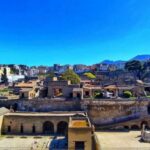
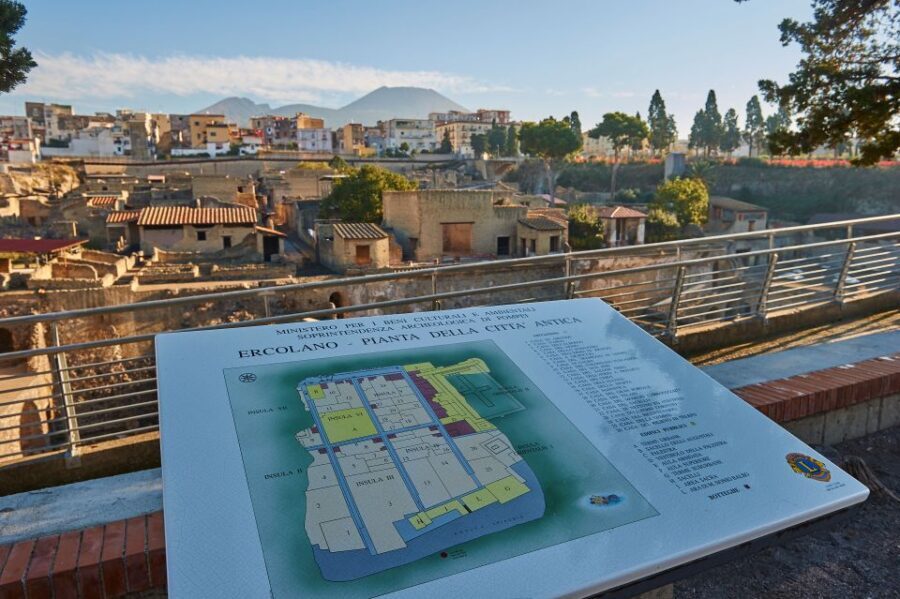
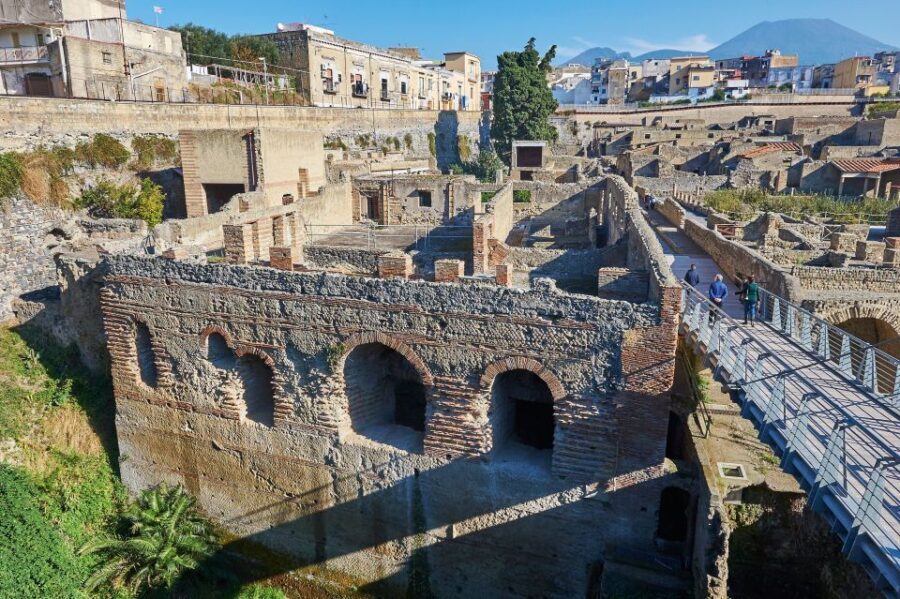
Once you’re at the site, there’s time to see the town from above before you head down for the guided walk, which lasts about an hour. In other words: you get an overview, then the “walk the streets” part.
Arrival at the Site: Getting Your Bearings Fast
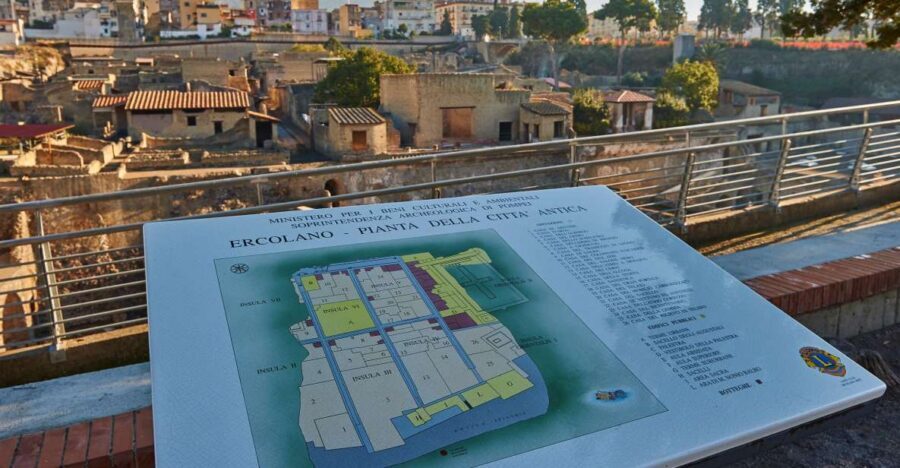
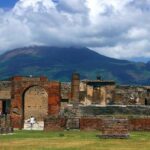
When you reach Herculaneum, you start with that helpful top view. It’s not just a scenic moment—it’s how you understand the town’s layout in minutes. From above, you get the sense of where buildings sit relative to streets and how the town spreads out. Then the guide takes you down and turns that bird’s-eye view into a street-level walk you can actually follow.
This is where the English-language guiding really earns its keep. People who have gone with guides like Eugene, Toni, Dana, and Cynthia emphasize the same point: the explanations make the site easier to “read.” You don’t only see objects. You learn why they were there—how the baths worked, what a certain villa space suggests, and how everyday choices showed up in materials and design.
You’ll also notice how much of the town still feels like it’s waiting to be unpacked. Even with crowds around, the preserved details give you a slow, careful way to look—like why this timber survived or how this container was used. The best tours don’t rush that. They help you see.
Guided Walk Through the Roman Streets: The Portion You’ll Remember
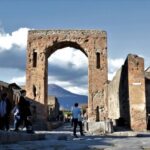
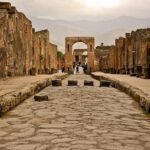
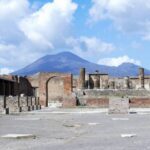
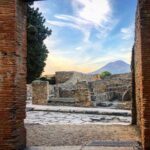
The headline attraction is simple: you walk through the former streets of Herculaneum that exist much as they did around 2,000 years ago. That’s rare. Many ruins are impressive but fractured; here, the town’s street-level logic stays readable.
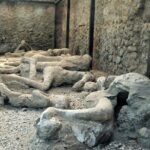
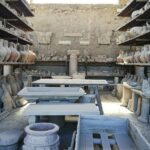
As you move through, you’ll encounter the “frozen in place” effects that make Herculaneum so unsettling and compelling. There are preserved objects such as clay pots stored as they would have been at the time of the eruption. There are original timbers showing in buildings. And yes, there are skeletons that remain in the town.
One historical note that guides often emphasize: it was believed that many inhabitants managed to flee, unlike the fate seen at Pompeii. That difference doesn’t soften the emotional impact, but it changes the story you’re absorbing—from total sudden disappearance to a mix of escape and loss.
Because the guided section is about an hour, the pacing can feel “packed” once you’re inside. If you’re the type who wants to linger for photos and captions, you’ll need to make peace with moving at a Roman pace. Some schedules also allow only around half an hour to explore independently at the end, so it helps to know what you most want to see before the tour ends.
Villa of the Papyri: Luxury You Can Actually Walk Through
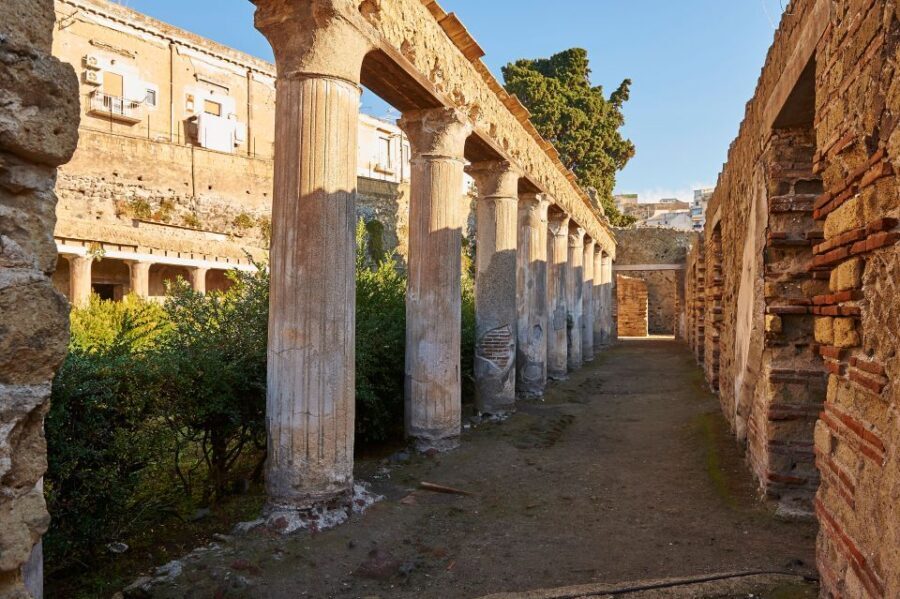
The Villa of the Papyri is one of the big stops, and it works well on a half-day tour because it shows you what “luxury living” looked like in a preserved real setting. This villa is described as a large, luxurious residence in town, and you get to see it as part of the bigger neighborhood rather than as a standalone museum exhibit.
The value here is perspective. You’re not just collecting cool facts about the villa itself. You’re comparing it to the public spaces you’ll see later—baths, shops, and social zones. When you do that, the villa stops being just a wealthy home. It becomes part of an ecosystem: where private life meets public life.
If you love archaeology that feels human—rooms, routines, scale—this stop tends to hit hardest. It also fits the overall “everyday Rome” theme of Herculaneum. You’re not only looking at power structures. You’re looking at how people lived at street level.
Other Pompeii + Sorrento tours

Central Thermae Baths: Frescoes, Mosaics, and Social Life
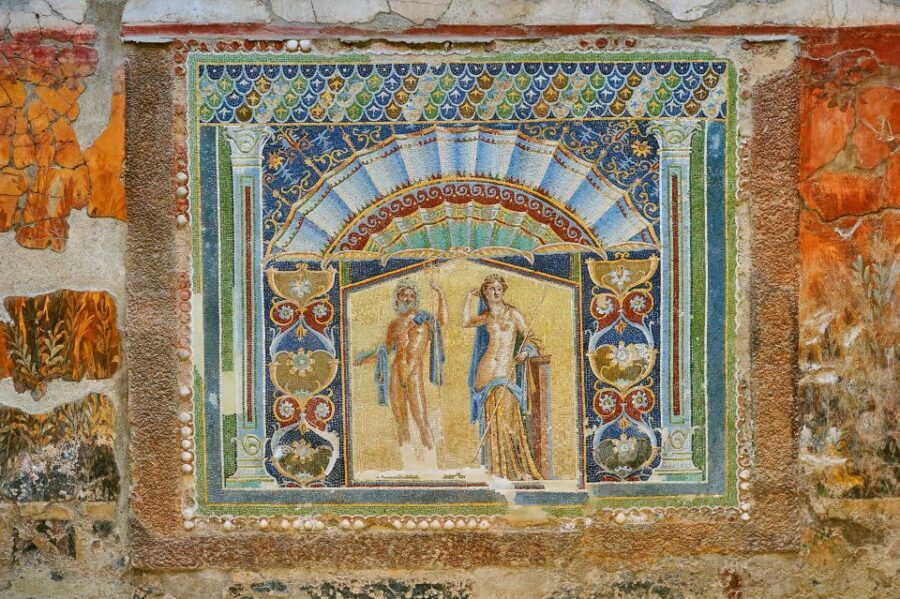
The Central Thermae were the town’s public baths, and this is where Herculaneum can feel oddly familiar. Even today, baths and spa-like spaces are social places. In Roman terms, they weren’t just about washing—they were about hanging out, keeping routines, and using public infrastructure.
On this tour, you’re guided through this part of the site and specifically pointed toward the art lining the walls. You’ll see frescoes and mosaics connected to the bath environment. That matters because it shows you that even routine spaces were decorated and designed to create mood and comfort.
This is also one of the reasons this tour is worth doing if you’ve already seen other Roman sites. You get to connect architecture to daily movement. Bathing spaces were big community nodes, so the Central Thermae stop gives you a “how people spent time” lens.
Shops, Gymnasium, and the Roman Day-to-Day Feel
Beyond the two biggest name attractions—the villa and the baths—your tour covers additional spaces including shops and a gymnasium. These stops are important because they keep Herculaneum from becoming a two-stop highlight reel.
Roman towns functioned as networks. Shops weren’t only for commerce; they shaped how people moved through daily routes. Gymnasium spaces relate to health, exercise, and social interaction. Even on a compressed timeline, the mix of locations gives you a more complete picture of town life than a route that only focuses on villas.
This tour format works best if you like a guided “path.” The guide’s job is to connect these places so you leave with a mental map, not just a list of impressive objects.
Guides, Headsets, and the Small Things That Affect Your Enjoyment
A strong guide can change everything at a site like this. Several guides have been highlighted in bookings, including Eugene, Toni, Dana, and Cynthia, and the consistent praise is that their explanations land clearly in English and they answer questions.
You’ll also have headsets during the coach journey so you can follow along while you’re traveling. Inside the site, audio support can still be useful because the pacing doesn’t stop for long photo breaks. One practical snag noted in a review: headset connection issues can happen periodically. That usually means you’ll want to keep an ear open but not rely on perfect audio all the way through.
Timing can also be a factor. One common theme is occasional bus lateness—some people reported a pickup delay of around 30 minutes. Add traffic into the mix and you can end up arriving hot and ready to start. Which leads to the next point.
Heat, Timing Pressure, and How to Plan Smart
Herculaneum is best tackled with realistic expectations about comfort. Even though the guided walk is just about an hour, you might still feel the heat while walking preserved streets and moving between stops. One review flagged that it was very hot, which is exactly what you should plan for in a morning visit in warm months.
Bring water. Wear a hat or use sun protection. If you know you’re sensitive to heat, consider choosing a cooler-season departure if that option exists when you book.
Also, think about your priorities before you arrive. With only limited independent time at the end—some schedules suggest about 30 minutes—you can’t expect to re-walk every street. If you’re especially interested in the baths, go deeper there during the guided portion. If the villa is your main goal, watch for the moment the group transitions there so you don’t miss your chance to slow down.
Price and Value: Is $71 a Good Deal for a Half-Day?
Let’s talk value in plain terms. The price is $71 per person for a half-day tour lasting about 4 hours. What you get includes bus transport, an English-speaking guide, and entrance to Herculaneum.
Entrance alone is listed as €11 for general admission, with free entry for children under 18 and adults over 65. Your tour package says entrance fee is included, so you’re paying for more than just site admission: you’re paying for guided interpretation, transportation from Sorrento, and the structured time inside the archaeological zone.
Is it worth it compared with going on your own? If you want a guide who can explain the significance of preserved spaces—timbers, pots, the baths art, and how daily life worked—this is typically the better bargain. If you just want to wander and read at your own pace, you might feel the guided time is “not long enough.” That’s the trade-off with half-day tours.
So I’d frame it like this: you’re buying clarity and convenience. You’re not buying hours of free exploration.
Who Should Book This Tour (and Who Might Prefer Something Else)
This half-day Herculaneum tour from Sorrento is a strong fit if:
- you want a guided walk through preserved Roman streets without committing a full day
- you care about how people lived—baths, shops, and residential spaces
- you like expert explanations in English, from guides such as Eugene, Toni, Dana, or Cynthia
It might be less ideal if:
- you need long, quiet time to roam on your own
- you get stressed by short timelines and prefer slow museum-style pacing
- you’re very heat-sensitive and planning is limited
If you’re trying to choose between Herculaneum and more famous Vesuvius ruins, this one is often the better match for “how daily life worked,” not just big spectacle.
Should You Book This Half-Day Herculaneum Tour?
I think you should book it if you want a smart, time-efficient way to see Herculaneum’s core features: preserved street-level Roman life, the Villa of the Papyri, and the Central Thermae baths with their frescoes and mosaics. The guide-led structure helps you understand what you’re looking at, and the half-day timing makes it realistic from Sorrento.
Skip—or consider a longer option—if you know you’ll want more independent time once you’re inside. The guided portion is about an hour, and independent time may be closer to half an hour. In a site this compelling, that can feel rushed.
FAQ
How long is the Herculaneum half-day tour from Sorrento?
The tour runs about 4 hours total.
What is included in the tour price?
It includes bus service, an English-speaking guide, and the entrance fee to Herculaneum.
Where do I meet for the tour?
You meet at 08:10 at the Achille Lauro parking area, opposite Europa palace hotel.
Do I need to pay an entrance fee?
Yes, the guide will wait for you to pay the entrance fees at the site entrance before the tour starts. General admission is €11, with children under 18 and adults over 65 free.
Is the tour guided in English?
Yes. The tour includes a live English-speaking guide.
Is there time to explore on my own?
The guided tour lasts about an hour, and there is additional time afterward for independent exploring. Some schedules may give you about half an hour to explore at the end.
Is lunch included?
No. Lunch is not included.