REVIEW · SORRENTO
Herculaneum Half-Day Tour from Sorrento
Book on GetYourGuide →Operated by Golden Tours Sorrento · Bookable on GetYourGuide
Vesuvius left a time capsule. This half-day tour makes Herculaneum feel like a lived-in Roman neighborhood, not a pile of stones. I like that you get a guided walk focused on frescoes and villa rooms, with context as you move through the site.
Two things stand out: the smooth air-conditioned bus ride from central Sorrento, and the way the guide turns what you see into something you can understand quickly (including what to notice in the ruins). The main trade-off is time: it’s only about four hours, so you may not see every visible corner of the excavation.
In This Review
- Key things to know before you go
- Why Herculaneum feels different from Pompeii
- Getting from Sorrento: comfort, meeting point, and smart pacing
- The walking tour: frescoes and villa rooms you can make sense of
- Guide quality is the product here (and it can vary)
- What happens during the bus ride (and how to use that time)
- Comfort, luggage rules, and who should (and shouldn’t) book
- Price and value: what $94 includes for 4 hours
- Who this half-day tour is best for
- Should you book Herculaneum from Sorrento?
- FAQ
- How long is the Herculaneum half-day tour?
- Where do you meet in Sorrento?
- Is the bus air-conditioned?
- Do I need to buy entrance tickets?
- Is a meal included?
- What language is the tour guide?
- Is there a way to avoid ticket lines?
- Can I bring luggage or large bags?
- Is the tour suitable for wheelchair users?
Key things to know before you go
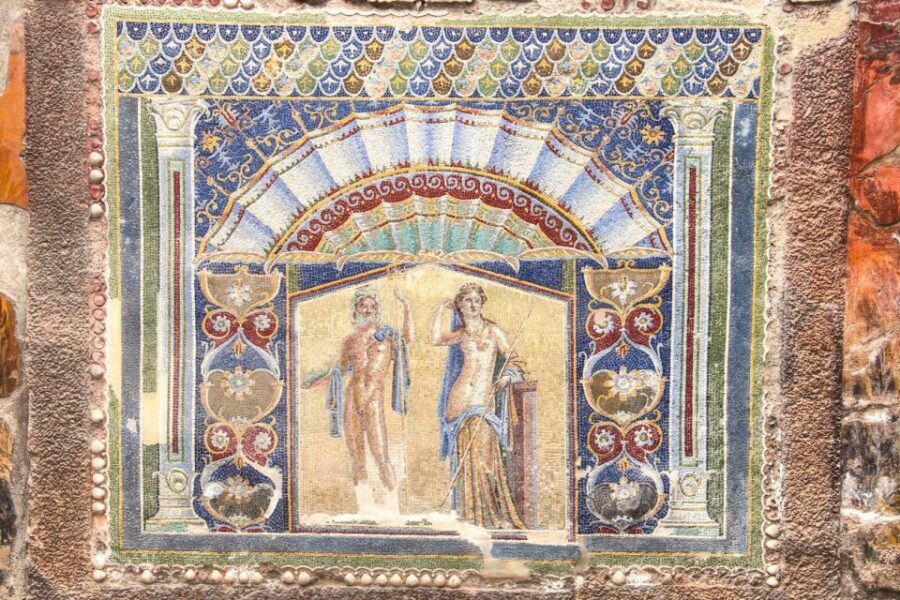
- Preserved villas because of a pyroclastic flow: The eruption buried the town fast, so many details survived.
- A guided walk that helps you read the site: Rooms and walls make more sense with expert explanations.
- Short and manageable in the heat: The tour is built to fit a half-day without dragging on.
- Small-group feel during the visit: You may be split into small groups for easier access to key areas.
- Skip-the-line entry included: You lose less time waiting and more time looking.
- Bring comfortable shoes; leave big bags behind: The tour isn’t designed for luggage or wheelchair users.
Why Herculaneum feels different from Pompeii
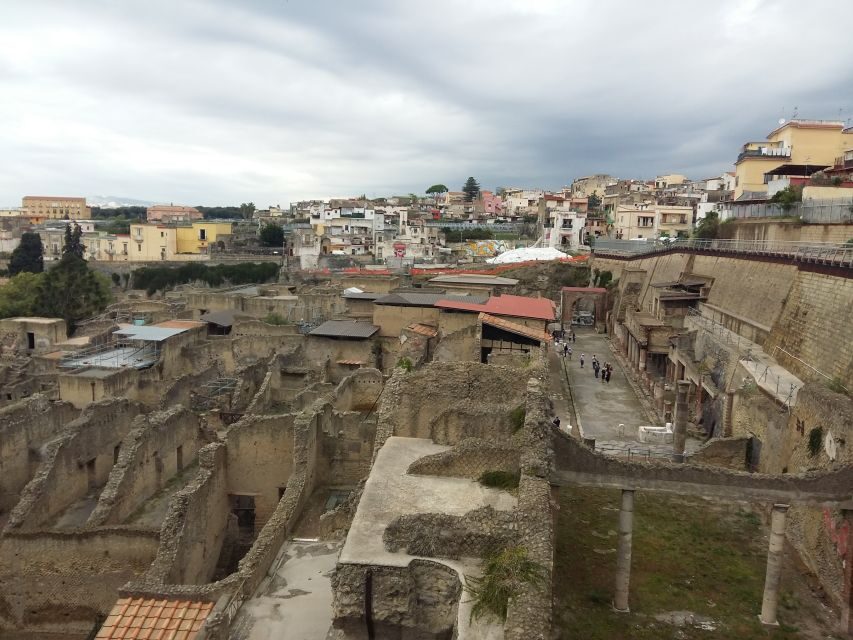
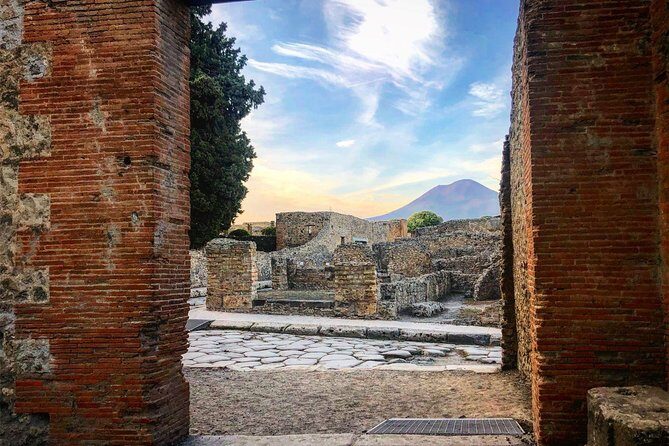
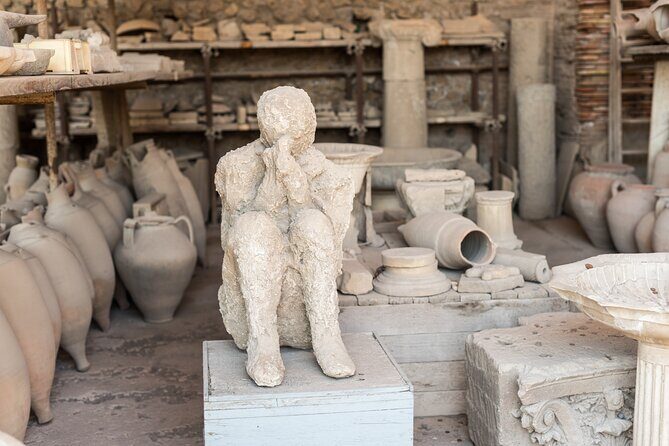
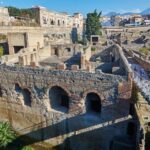
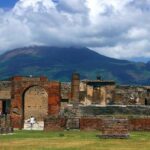
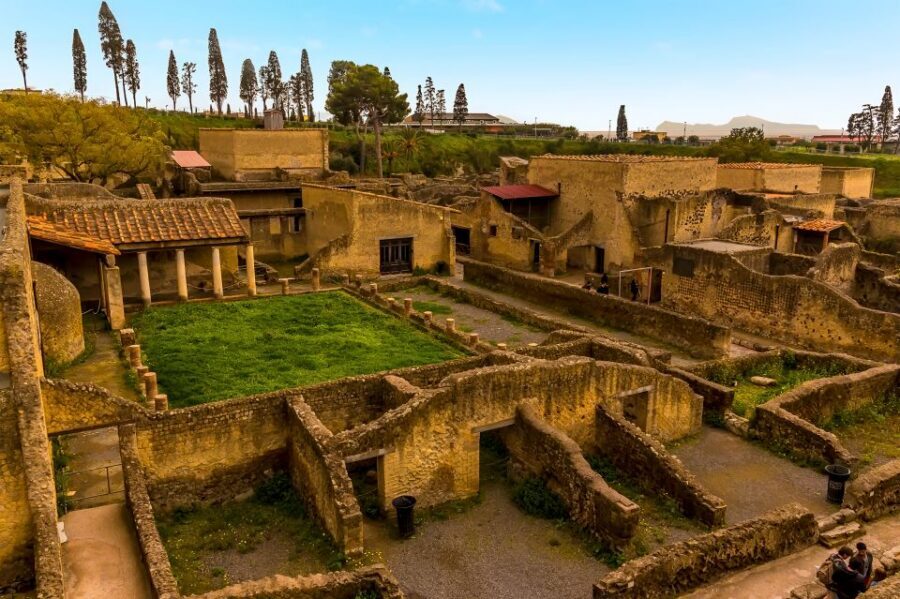
Herculaneum and Pompeii are both tied to Mount Vesuvius, but they land differently for your brain. Herculaneum was hit by a pyroclastic flow and then buried. That quick burial is the reason the ruins can look so “complete” compared with many other ancient sites.
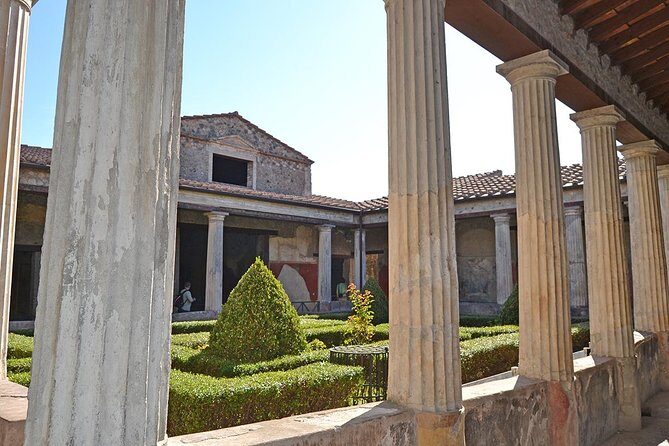
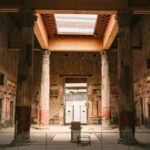
What you’ll experience here is less about imagining every detail from scratch, and more about recognizing real spaces: villa-style homes and decorated rooms. The tour’s focus on Roman villas and well-preserved frescoes matters, because frescoes aren’t just pretty. They show how wealthy Romans lived—what rooms were for, what style looked like inside, and how art blended into daily life.
There’s also a big time element to this place. After the eruption in 79 BC, the town lay covered for centuries. Digging didn’t start until 1738, and even now, excavations are still in progress, so you’re only seeing part of what’s there. That’s a big reason a good guide makes such a difference: you’re walking through evidence that’s both impressive and incomplete, and you’ll want help connecting the dots without guessing.
Other Herculaneum tours and tickets
Getting from Sorrento: comfort, meeting point, and smart pacing
The tour starts in Sorrento with pickup at Parking Lauro – Via Correale. From there, you ride in an air-conditioned bus, which is a practical win—especially if you’re visiting in peak summer heat.
This isn’t a drive-through “look out the window” kind of excursion. The bus gets you to Herculaneum and then you shift into a walking visit. The total time is 4 hours, and the structure matters: it keeps the experience focused, so you can enjoy the site without turning the day into a logistics marathon.
Another time-saver is skip-the-ticket-line entry. Even when you’re using a guide, lines can eat up your best daylight. Here, skipping that waiting helps you spend your limited hours where it counts: inside the archaeological area.
One small-group note: on at least one departure, visitors were split into two small groups of about 10. That kind of setup often means less crowd pressure as you move through the most interesting sections—useful when you want space to look up close at frescoed walls and ceiling areas.
The walking tour: frescoes and villa rooms you can make sense of
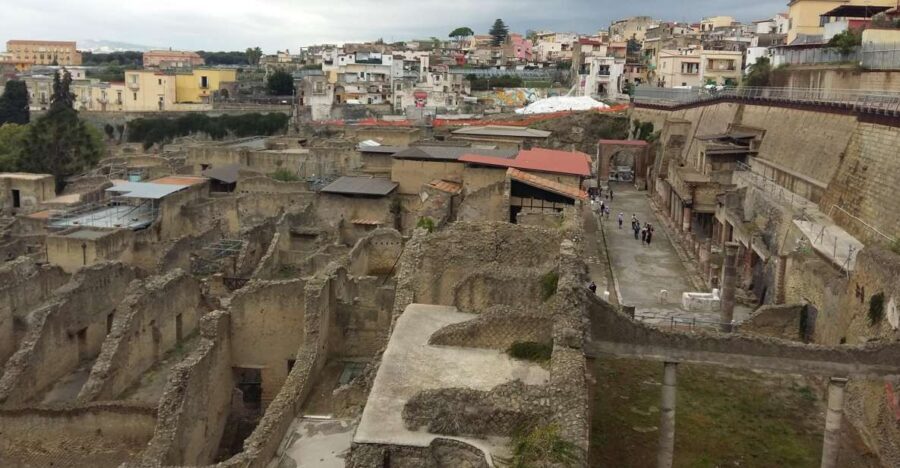
Once you arrive, the heart of the tour is a guided walk through the archaeological site. Expect a route that concentrates on the parts that help you understand how Roman holiday estates worked. Herculaneum grew into a resort town because of its seaside location and excellent climate. In other words, these weren’t just random buildings—they were homes for people who could afford to escape everyday life.
As you walk, the guide’s job is to help you “read” what you’re seeing. That means more than saying dates and names. It’s about pointing out what’s preserved, what’s missing, and what the surviving parts suggest about the original rooms.
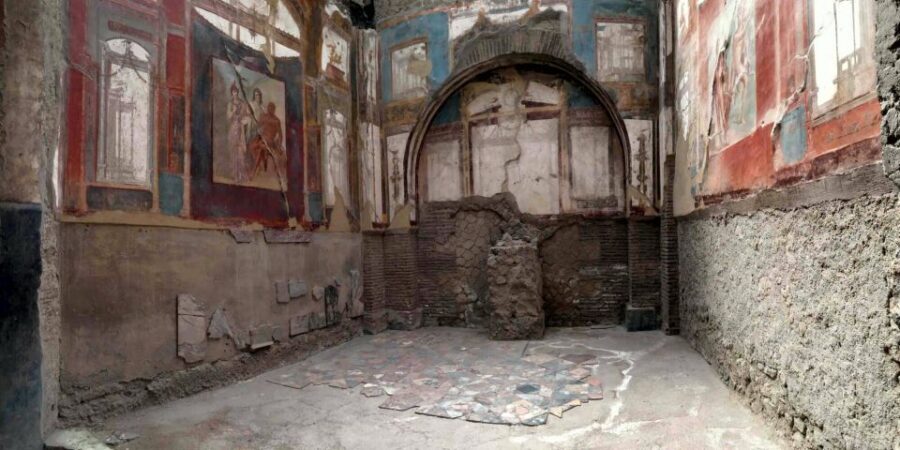
This is where the frescoes take center stage. Frescoes are fragile and detailed, so when they survive, they become your main clue for how the interior decoration looked. A good explanation helps you notice patterns—where the art sits, what a wall segment implies, and how the villa rooms relate to each other. If you’ve ever stood in front of an ancient painting and thought, I get that it’s old, but what am I looking at, this is the fix.
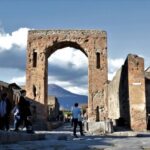
Because the site is only partially excavated, the guide also helps you understand that you’re seeing a work-in-progress. You might look at one area and wonder why it’s there and not elsewhere. The best guides turn that uncertainty into part of the story: why digging takes time, why preservation matters, and why this place was such a strong time capsule.
Heat can be real here. One review highlighted how the guide looked for shade whenever possible during the talk breaks. That’s not just nice—it’s how you stay alert enough to really absorb the explanations.
Guide quality is the product here (and it can vary)
At this price point, the guide isn’t an extra. They’re the whole experience engine. The tour includes an expert authorized guide, and the difference between a good and great guide shows up fast.
On the positive end, the names Tony and Eugene come up in reviews as standout guides. One person praised Tony specifically for being pleasant, informative, and for giving information on the way to Herculaneum. Another review emphasized that the guide’s explanations were extensive, helping make the relics feel understandable rather than just old.
So what should you do with that info? Assume this tour is built for learning through guidance. If you care about context—how a Roman villa functioned, what the frescoes can tell you, why preservation happened this way—this is a strong fit.
Still, be aware of potential issues. One review described a late arrival and weaker information due to language skills, plus a change in drop-off location after the tour. That doesn’t mean it happens every time, but it’s a reminder to stay flexible. If you’re the type who hates uncertainty, you’ll want to double-check the day’s pickup and return details when you meet the group.
What happens during the bus ride (and how to use that time)
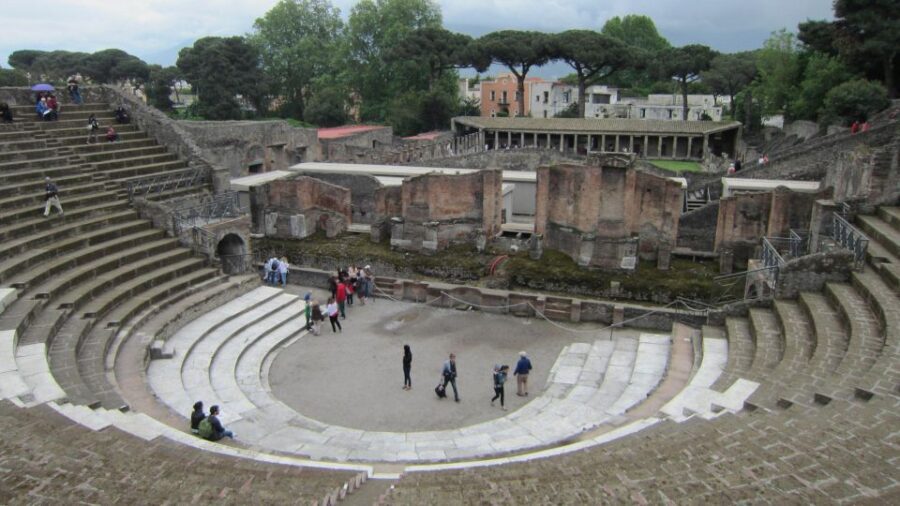
The bus portion is not filler. Even though the core visit is the walk, the ride helps set the scene. Reviews mention that guides shared background on the way there, which is smart because you arrive already knowing what you’re about to see.
Use the ride like this:
- Tune in early to the basics of why Herculaneum survived so well.
- Listen for what to look for on the walk—especially relating to frescoes and villa layout.
- Keep an eye on the time cues so the short tour feels un-rushed when you’re at the site.
The payoff is that the walking portion doesn’t feel like you’re playing catch-up. You’re ready to look, not just ready to stand in the right place.
Other Pompeii + Sorrento tours


Comfort, luggage rules, and who should (and shouldn’t) book
This tour has clear practical limits:
- Bring comfortable shoes. You’ll be walking the archaeological area.
- No luggage or large bags are allowed. If you travel with a big daypack plus rolling suitcase energy, plan to travel light for this stop.
- Not suitable for wheelchair users. That’s important. The site involves walking conditions that aren’t designed for wheelchair access.
Also, since it’s a half-day in a real outdoor setting, dress for sun and heat. The tour runs where shade helps and where comfort matters, and the guide may use shade breaks during explanations when possible.
Price and value: what $94 includes for 4 hours
At $94 per person for about 4 hours, you’re paying for a focused package, not just transportation. Here’s what’s included:
- Expert authorized guide
- Air-conditioned bus
- Entrance fees
You also get skip-the-ticket-line entry. Put those together and the value becomes pretty clear: you’re buying three things that are hard to replicate smoothly on your own—local interpretation, guided route clarity, and the “friction removal” of lines and logistics.
Could you do it independently? Possibly. But you’d still need to figure out the timing and then deal with the site’s partial excavation and what that means for your understanding. Herculaneum works best when someone explains what you’re seeing as you see it.
So the real question isn’t just cost. It’s whether you want the site translated for you in a limited time window. If yes, this price often feels fair.
Who this half-day tour is best for
This tour is a great match if you want:
- A time-efficient Roman stop instead of a full-day dig mission
- A guided focus on villas and frescoes
- A calmer alternative to the heavier intensity of longer Pompeii-style plans
- A guide-led experience where preservation details and excavation history make sense in plain language
It’s not the best choice if you:
- Need wheelchair accessibility
- Expect to travel with large luggage
- Want an all-day, see-everything-at-your-own-pace style visit (this is built to be short)
Should you book Herculaneum from Sorrento?
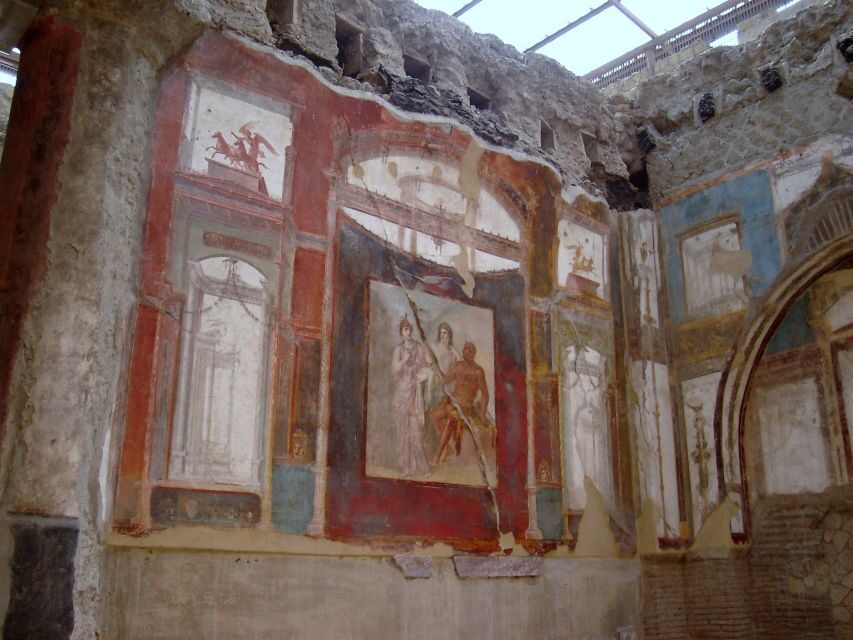
Yes, if you’re choosing between “see Herculaneum someday” and “understand it quickly.” The strongest reason to book is the combination of preserved ruins plus a guide who helps you interpret frescoes and Roman villa life within a tight schedule.
You might hesitate if you’re very sensitive to timing or if you tend to get irritated by last-minute operational changes. For peace of mind, make sure you know your meeting point (Parking Lauro – Via Correale – Sorrento) and expect a light packing setup with no large bags.
Overall, this is the kind of half-day that respects your limited time while still delivering real meaning. If your goal is to come away feeling like you actually understood what you saw, this tour is a smart use of your Sorrento hours.
FAQ
How long is the Herculaneum half-day tour?
The tour lasts 4 hours.
Where do you meet in Sorrento?
The meeting point is Parking Lauro – Via Correale – Sorrento.
Is the bus air-conditioned?
Yes. The tour includes an air-conditioned bus from Sorrento.
Do I need to buy entrance tickets?
Entrance fees are included in the tour price.
Is a meal included?
No lunch is included.
What language is the tour guide?
The tour is in English.
Is there a way to avoid ticket lines?
Yes, skip the ticket line is included.
Can I bring luggage or large bags?
No. Luggage or large bags are not allowed.
Is the tour suitable for wheelchair users?
No, it’s not suitable for wheelchair users.