REVIEW · ERCOLANO
Herculaneum: Skip The Line Entrance ticket + Audioguide
Book on GetYourGuide →Operated by Tempio Travel Pompei Tickets · Bookable on GetYourGuide
Herculaneum works best when you’re free to wander. With a skip-the-line entrance ticket and on-site audio guide, you can move through the excavated Roman town at your own pace and actually linger where you feel curious. One thing to plan for: there’s no full-service café nearby—think vending machines rather than a relaxed sit-down meal break.
The second reason I like this setup is the audio guide itself. You get a detailed map and narration in Italian, German, English, French, and Spanish, plus explanations that help you follow the streets, alleys, and well-preserved structures. A small consideration: you’ll need valid ID to hire the device, and you must return it before the office closes.
In This Review
- Key Points I’d Use to Plan My Visit
- Getting to Herculaneum and Finding the Audioguide Desk
- Skip the Line, Then Go at Your Own Pace
- What You’ll See Inside: Houses, Villas, and Mosaics
- Using the Audioguide: Maps, Numbered Stops, and Languages
- Timing Your Visit: How 3 Hours Works on the Ground
- Value and Logistics: Is This Worth Paying For?
- Small Comforts That Matter: Shoes, Food, and Devices
- Should You Book This Skip-the-Line Ticket + Audioguide?
- FAQ
- Where do I pick up the audioguide?
- Is this a guided tour?
- What languages are available on the audio guide?
- What do I need to bring for the audioguide?
- How long should I plan for?
- Is there a café or restaurant on site?
Key Points I’d Use to Plan My Visit
- Skip-the-line entry saves time when the park is busy, so you can start walking sooner
- Self-guided pacing lets you spend extra time on the houses, villas, and mosaics that catch your eye
- Audioguide + map helps you navigate and make sense of the site without a live group pace
- Bring valid ID because the audioguide hire requires a passport or identity card (or driving licence)
- No café on site means pack a snack plan, especially if you’re visiting near lunch time
Getting to Herculaneum and Finding the Audioguide Desk
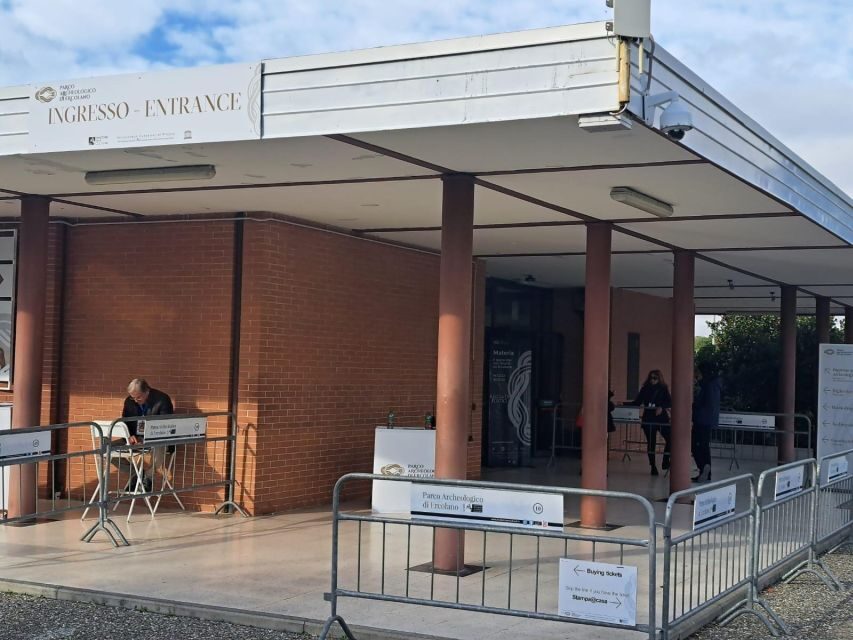
Herculaneum is in Campania, close enough to Naples’ orbit that many people pair it with Vesuvius. The park is also compact compared with Pompeii, which is a big deal when you’re working with a limited day. The biggest practical win here is that you’re not stuck waiting around in a ticket line, then immediately rushed into someone else’s route.
When you arrive, you don’t want to waste time guessing. Go straight to the entrance and look for the Audioguide Desk. Some people get turned around because there can be more than one entrance sign pointing in different directions. So I’d treat this like a checklist moment: find the right entrance, spot the desk, collect your audioguide, then start walking.
Also remember: the visit takes place rain or shine. Bring comfortable shoes, because you’ll be moving through an outdoor archaeological park where the ground can be uneven and you’ll likely be walking more than you think.
Other skip-the-line Pompeii tickets and tours
Skip the Line, Then Go at Your Own Pace
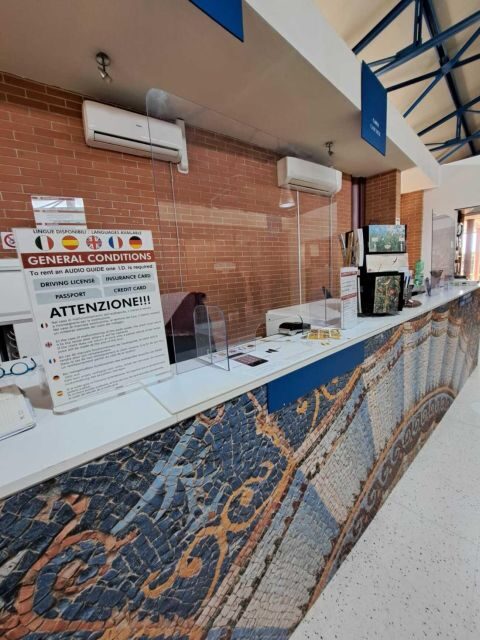
This is a self-guided experience, and that matters more at Herculaneum than at bigger sites. A guided tour can be great, but Herculaneum rewards curiosity. You’ll be walking through preserved ruins where details—house layouts, residential spaces, and mosaic floors—make the difference between passing by and really seeing.
With this ticket + audioguide combo, your “timeline” is your own. You can visit on your own, spend as much time as you wish within opening hours, and stop for photos without feeling like you’re holding up a group. One review nailed the benefit: when train schedules from Sorrento are limited, self-guided time helps you focus on what you care about instead of getting pushed through every highlight.
The skip-the-line part is about reducing friction. Even if you end up facing a lighter queue on a quiet day, you still save that early-stress moment where you’re juggling transit, schedules, and where to go next.
What You’ll See Inside: Houses, Villas, and Mosaics
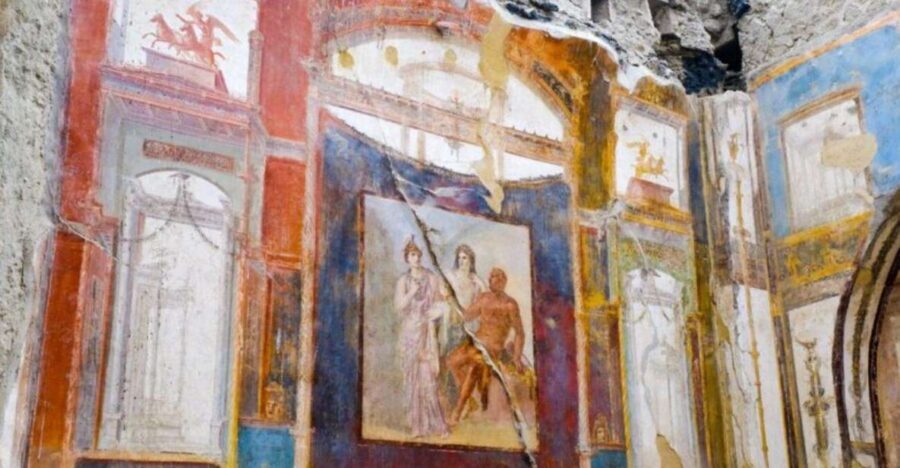
Herculaneum preserves an entire Roman town buried by the eruption of Mount Vesuvius in 79 AD. That’s the big emotional anchor of the visit. Standing among the ruins is sobering because you’re seeing the traces of real daily life, not just grand monuments.
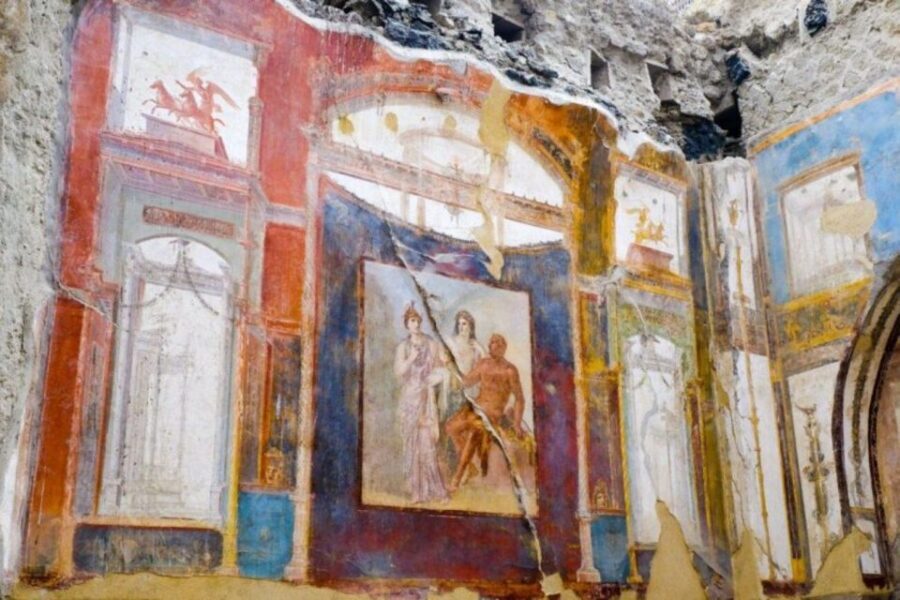
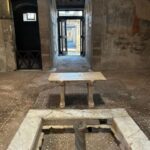
What makes this park special is the level of preservation. Compared with the better-known sites, Herculaneum feels manageable and intimate. You’ll wander through well-preserved houses and villas and you’ll encounter mosaics that help you picture how people lived. Instead of just staring at walls, you start to understand rooms, entrances, and the street-level grid of the ancient town.
Here’s how I’d think about your walk:
- Early on, focus on orientation. Use the map with the audioguide to get a sense of where the streets lead and how the site is laid out.
- Mid-walk, choose a few clusters and slow down. This is where houses and mosaics are most satisfying when you don’t rush.
- Later, if you still feel energized, backtrack to places the audioguide points out. The explanations give you context for what you’re seeing, including how different areas relate to everyday life.
If you’ve already done Pompeii, you might expect Herculaneum to feel like a smaller replay. It isn’t. Many people find it more manageable and more striking because the preservation is so strong and the scale is easier to handle in one visit.
Using the Audioguide: Maps, Numbered Stops, and Languages
The audio guide is included, and that’s the whole point of this package. It’s not a live tour guide, so you don’t get someone standing in front of you with a microphone. What you do get is an on-site system with a map and explanations that help you navigate the streets and alleys.
I found the concept of numbered guidance particularly useful. The audio guide is designed to connect narration to specific buildings and areas, so you’re not just hearing history in the abstract while wandering randomly.
Language support is solid: Italian, German, English, French, and Spanish. That’s ideal if you’re traveling with someone whose language isn’t your own, because you can usually choose what you’ll listen to before you start.
Two practical notes based on real-world hiccups:
- Headphones aren’t included (the listing says Hearphones are not included). Plan on how you’ll listen comfortably. One common issue is that using the device without the right setup can be awkward, especially if you’re trying not to block the sound for others.
- If you rely on Bluetooth earbuds, you might be disappointed. There’s at least one report of trouble pairing with Bluetooth, so don’t assume you’ll be able to switch to your own setup instantly.
Also, keep the device rules in mind. You’ll need to return it before the office closes, and in case of damage or loss, the costs would be on you. It’s not meant to scare you, just meant to keep you careful.
Timing Your Visit: How 3 Hours Works on the Ground
The duration listed is about 3 hours, and that’s a good target for seeing a lot without feeling like you’re sprinting. Still, I’d treat it as a minimum, not a hard ceiling.
One of the most useful bits of advice from people who did this before is that two hours can be too short if you want to see everything. Herculaneum is compact, but the details deserve time. If you stop for each mosaic and want to read the spaces slowly, build in extra minutes.
Also factor in the approach to the site. One review mentioned a half-mile walk downhill from the station to the park. That matters if you’re arriving on foot or using local transport and you’re already tired from travel.
My timing approach:
- Plan to start as early as you can.
- Give yourself enough time to do the “main loop,” then decide on a second pass through the areas that grabbed your attention.
- Don’t forget that it’s outdoors. Even on a pleasant day, fatigue adds up.
If you’re combining Herculaneum with something else, keep the flow realistic. Many people pair it with Vesuvius on the same day because the geography makes it practical, and Herculaneum doesn’t take all day. That said, keep your transport schedule in your back pocket so you don’t end up rushing near the end.
Other Pompeii entry tickets and audio guides




Value and Logistics: Is This Worth Paying For?
At $35 per person, you’re paying for two things: priority entry and the audioguide system. Whether it’s “worth it” depends on your style.
If you like structure with freedom, this is good value. The skip-the-line piece reduces wasted time at the start, and the audio narration replaces the need to hire a guide just to get context. The map also helps you avoid the most common problem at archaeological parks: walking around without knowing what you’re looking at.
This option also shines if you want control. You’re not locked into a group’s pace, and you can spend extra time on the streets and residential spaces that interest you most. That’s a real advantage when you have tight connections or limited daylight.
Where the value can dip is when you expect a very hands-on experience. This isn’t a guided tour. If you want someone to point things out with a live explanation and answer questions on the spot, you’ll miss that. Also, one person found the audio narration needed updating and described some of the language as a bit high-brow or confusing. That’s not guaranteed, but it’s worth knowing: audio guides can be informative even when the wording isn’t perfect for everyone.
There’s also the small cost of preparation: you’ll want to think about listening comfort since hearphones are not included, and you’ll want valid ID because the device hire requires it.
Small Comforts That Matter: Shoes, Food, and Devices
A great archaeological site can still feel like a bad day if you’re uncomfortable. Here’s what I’d plan around:
Comfortable shoes are non-negotiable. You’ll be walking an outdoor park where surfaces aren’t always smooth, and you don’t want sore feet limiting how much you see.
Food is a practical gap. The site doesn’t have a café or restaurant, and one review specifically pointed out that there are vending machines but nowhere to get a proper meal. So bring your own snack plan and water if it makes sense for your day.
Finally, treat the audioguide device like it’s part of your ticket. Return it before closing time, and keep it safe. That’s the difference between a smooth, self-guided morning and a stressful scramble at the end.
Should You Book This Skip-the-Line Ticket + Audioguide?
Book it if you want to see Herculaneum in a way that feels personal. I’d recommend it for travelers who:
- like to move at their own pace
- want historical context without a full guided tour
- have limited time and don’t want to be rushed
- are okay with self-navigating using a map
Skip it (or add a different option) if you:
- want live Q&A and a guide’s interaction
- strongly prefer a specific listening setup and need Bluetooth pairing to work perfectly
- expect on-site meals and a café break as part of your day
If you’re heading to Herculaneum from nearby spots like Sorrento, this combo can be one of the best ways to make the most of your hours. You get the chance to explore houses, villas, and mosaics with context, without being dragged along someone else’s list.
FAQ
Where do I pick up the audioguide?
Go to the entrance and look for the Audioguide Desk to collect the audioguide.
Is this a guided tour?
No. It’s self-guided, with an included audio guide to help you explore the archaeological park at your own pace.
What languages are available on the audio guide?
The audio guide is available in Italian, German, English, French, and Spanish.
What do I need to bring for the audioguide?
You need valid identification for audioguide hire, such as a passport or identity card (or a driving licence). Bring comfortable shoes as well.
How long should I plan for?
The experience is listed as about 3 hours. If you want to see everything in detail, you may want more time than that.
Is there a café or restaurant on site?
There’s no café or restaurant described for the site. Plan on vending machines instead.