REVIEW · ERCOLANO
Naples: Pompeii and Herculaneum Tour with Tickets and Lunch
Book on GetYourGuide →Operated by WORLDTOURS S.r.l. · Bookable on GetYourGuide
Pompeii in one day can be a lot. This tour stitches together Pompeii and Herculaneum with real guidance, plus time for Naples-area views and a proper meal.
I like how the day is structured so you’re not wandering with a map and guesswork. You get skip-the-line entry to both UNESCO sites, and each ruin has its own on-site guide.
The main thing to factor in: the Mount Vesuvius part is panoramic (not a summit visit). If you’re picturing crater views, plan a separate trip.
In This Review
- Key things that make this tour worth your time
- Why Pompeii and Herculaneum together feels smarter than doing one
- Getting picked up around Naples: port meet vs hotel meet
- Pompeii guided tour: what you’ll see without getting lost
- The Pompeii skip-the-line ticket: what it’s really saving you
- Lunch at the right moment: not too early, not after you’re exhausted
- Herculaneum (Ercolano) with a site guide: why this one hits different
- Vesuvius-area viewpoints and the Tyrrhenian Sea: the part for photos (and breath)
- Coffee at Gran Caffè Vuotto: the small stop that makes the day feel finished
- How the timing works (and why you should show up early)
- What you’ll want to bring (so the day feels good, not painful)
- Who this tour fits best—and who might want a different plan
- Should you book this Pompeii and Herculaneum tour?
Key things that make this tour worth your time
- Skip-the-line tickets for both Pompeii and Herculaneum so you lose less daylight
- A guide at each site (Pompeii for about 2 hours, Herculaneum for about 1.5 hours)
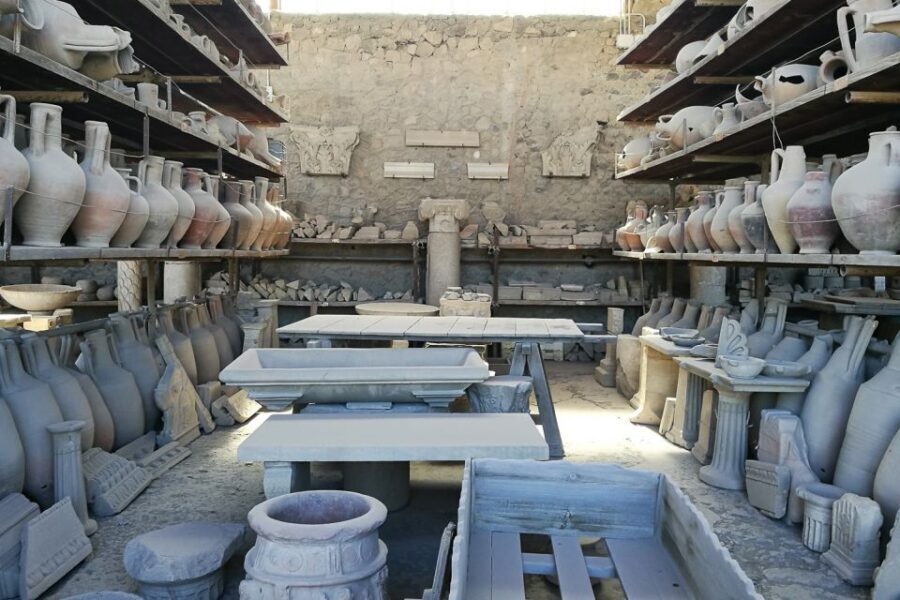
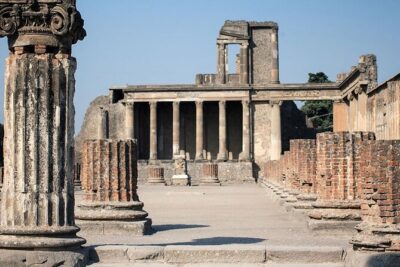
- A designed Pompeii route that guarantees categories like a temple, market, shop, villa, baths, theater, and the Forum
- A structured lunch break between ruins to reset before you walk again
- Vesuvius-area photo stops plus Tyrrhenian Sea views tied to the Naples coastline
- Coffee stop at Gran Caffè Vuotto to end the day on a tasty note
Why Pompeii and Herculaneum together feels smarter than doing one
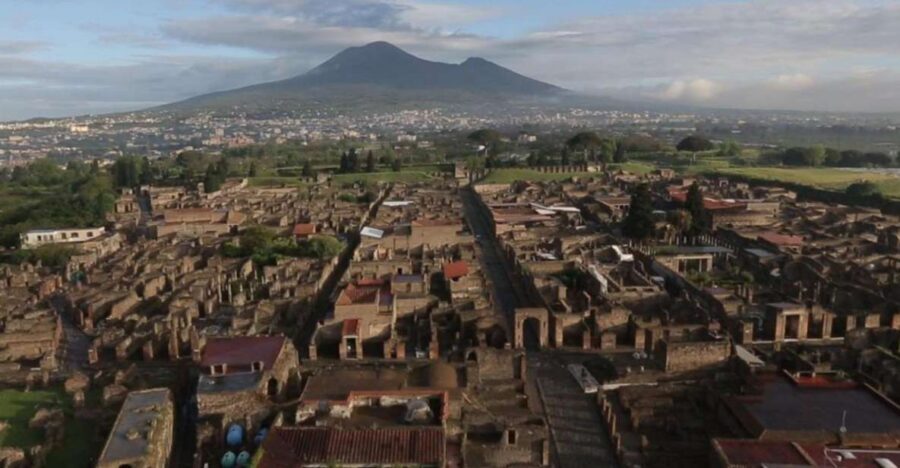
These ruins are famous for a reason, but they’re different in a way that makes a paired visit click. Pompeii gives you the sweep of a big Roman city—streets, public spaces, and neighborhoods laid out in a way you can actually follow. Herculaneum (Ercolano) feels more intimate and, in many ways, more surprising because parts of it are unusually well preserved, including rare wooden structures you don’t expect to still be there.
What you’re really buying with this format is time efficiency plus interpretation. Two separate sites can turn into two separate days of effort. Here, the logistics are handled: van time is built in, entry is prepped, and guides are scheduled so you spend your walking hours understanding what you’re seeing instead of just photographing it.
And yes, it’s still a long day—8 hours. But the pace is the point: it gives you the highlights without pretending you can “see everything” in one visit. That’s a trap at Pompeii.
Other Pompeii entry tickets and audio guides



Getting picked up around Naples: port meet vs hotel meet
Your day starts with a convenient pickup network across central Naples. Options include major hotel entrances and the cruise port area, plus places like Stazione Marittima at Molo Beverello/Porto di Napoli.
The practical detail that matters most: pickup happens around 30–40 minutes before the tour start (either 8:00 AM or 8:30 AM depending on the departure). So you’ll want to be ready early, not dressed and waiting “whenever.”
If you’re arriving by cruise ship, there’s a critical rule: you must specify the name of your ship so the operator can monitor the timing for a return to port. If you don’t, the tour might not be confirmed. That’s not a small catch—it’s the difference between a smooth day and a scramble.
Pompeii guided tour: what you’ll see without getting lost
Pompeii is massive. Even with a good app, you can waste time zig-zagging across the site while the best stops slip by. This is why I like the way the route is designed.
The visit includes a guided walk through well-preserved streets, homes, and public spaces, and there’s a clear promise: you’re guaranteed to see one building from each of these categories—a Temple, a Market, an ancient shop, a Villa, a Thermal bath, a Theater, and the Forum. Your exact picks can vary day to day based on visitor flow and opening hours, but the categories stay.
That category guarantee matters for two reasons:
- It forces a balanced tour, so you don’t only end up in the same few headline spots.
- It keeps the experience coherent, so you leave with an understanding of daily life and city structure—not just a pile of impressive ruins.
Pompeii is also a place where a guide’s on-the-ground pacing helps. With a route that’s planned and managed, you’re more likely to notice the little stuff: how spaces relate to each other, what public areas were for, and why some buildings were important.
The Pompeii skip-the-line ticket: what it’s really saving you
“Skip the line” sounds like magic until you learn it has limits. Here’s the reality: entry lines at major sites can be slow, and time disappears fast in summer. Pre-arranged admission helps you get into Pompeii sooner and keeps the day from collapsing under queue time.
You still have to do the walking, but at least you’re not adding extra stress before you even start. In this specific day plan, that matters because you also have Herculaneum and lunch later. The tour is built like a sequence, not like three independent stops.
Lunch at the right moment: not too early, not after you’re exhausted
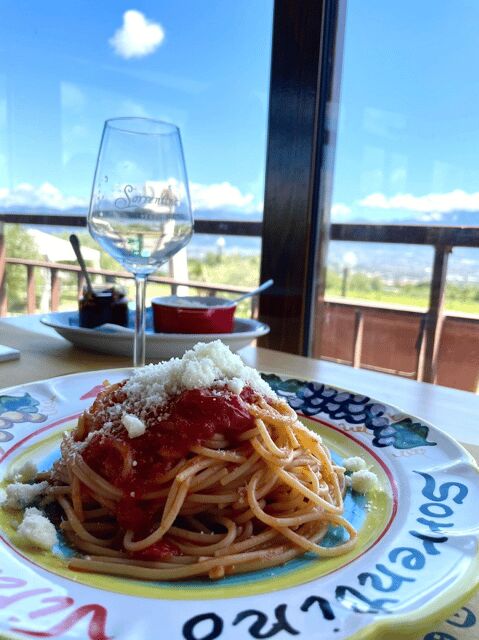
You’ll have lunch at Pompeii, right in the middle of the day. The tour describes it as a traditional Italian light lunch with a three-course meal and water included.
This “between sites” timing is smart. After Pompeii walking, you’ll be ready for a reset. After lunch, you can tackle Herculaneum without turning the afternoon into a slog.
Now, a quick reality check: lunch experiences can vary by day and by restaurant flow. The tour states it’s included, and the format is set. Still, I’d treat it as functional comfort food, not a culinary destination on its own.
Herculaneum (Ercolano) with a site guide: why this one hits different
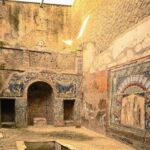
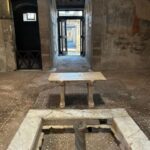
Herculaneum is often the sleeper favorite, and for good reason. The eruption that preserved Pompeii also left Herculaneum with an unusually intact feel—especially in the way some materials survived. This is where you get the rare wooden structures and luxurious ancient homes that people don’t always expect to see.
The guided portion is about 1.5 hours, and that time is usually enough to take in the key areas without turning it into a sprint. I particularly like the contrast with Pompeii. Pompeii can feel grand and sprawling. Herculaneum feels personal—like you’re stepping into a place that was preserved with a kind of quiet evidence.
This is also where the guide’s explanations can genuinely change the experience. When someone points out what you’re seeing and why it matters, you start noticing patterns: how homes were arranged, what daily routines likely looked like, and how the city’s layout supported life.
In the provided info, guides you may encounter include names like Alessandro and Carmen, which gives you a sense of how the operator staffs this portion of the day.
Vesuvius-area viewpoints and the Tyrrhenian Sea: the part for photos (and breath)
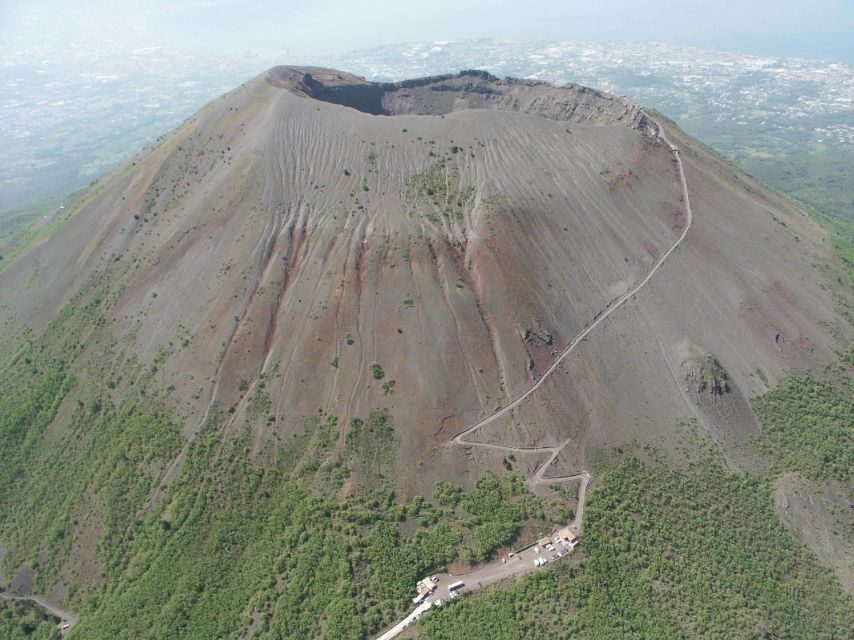
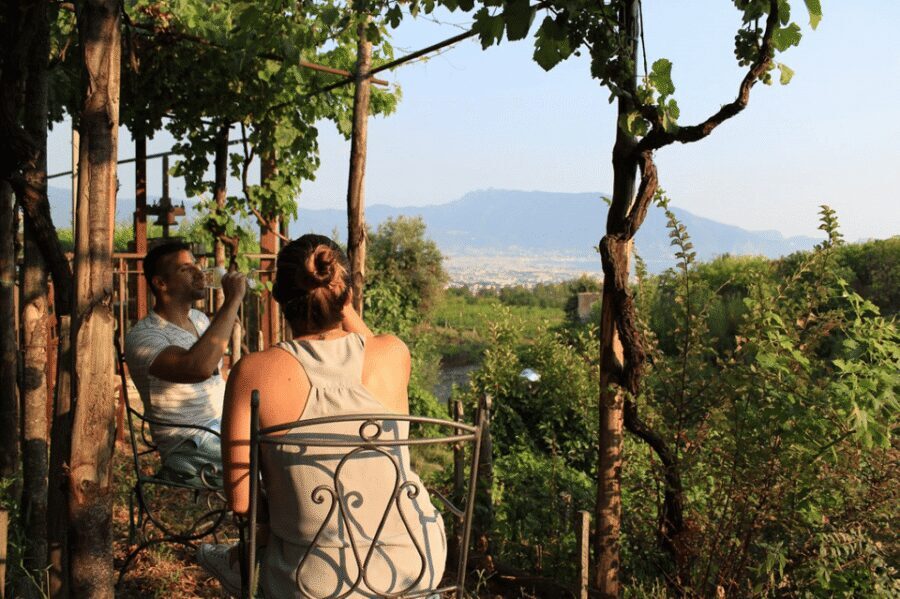
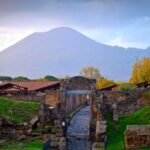
A lot of Pompeii-and-Herculaneum days skip the “Naples feeling,” so I appreciate that this one builds in scenery. You get panoramic views from the Mount Vesuvius area (described as a photographic tour along the slopes), and the tour highlights include views tied to the Gardens of Augustus with Tyrrhenian Sea panoramas.
Important: this is not a summit trek. The tour explicitly says the visit to the summit of Vesuvius is not included. So you should expect drive-by views and photo stops, not crater exploration.
One more practical note: photo moments can take longer than expected, especially if the view hits and everyone wants just one more picture. That’s not a complaint—it’s just how these stops work. If you’re timing a return plan (especially with cruises), trust the tour’s schedule and be ready when the driver calls you back.
Coffee at Gran Caffè Vuotto: the small stop that makes the day feel finished
At the end, you’ll have a chance to savor an authentic Italian coffee at Gran Caffè Vuotto. It’s not a headline attraction, but those are often the moments you remember most.
Coffee is also a smart move after a walk-heavy day. It gives you a reset before heading back into Naples.
How the timing works (and why you should show up early)
The tour runs about 8 hours. You’ll have:
- van time from Naples to the sites (described around 30 minutes between legs)
- guided time at Pompeii (about 2 hours)
- lunch at Pompeii
- guided time at Herculaneum (about 1.5 hours)
- additional transfer time back through Naples drop-off points
Starting times are typically 8:00 AM or 8:30 AM, with pickup around 30–40 minutes earlier. This is a morning-forward itinerary, which is exactly what you want at Pompeii and Herculaneum, where crowds and heat can spike.
What you’ll want to bring (so the day feels good, not painful)
This is a walking day. Bring:
- comfortable shoes (not new ones)
- weather-appropriate clothing
- water habits that match your pace (water is included with lunch, but you’ll still walk a lot)
Also note: the tour is listed as not suitable for people with mobility impairments. If mobility is a concern, you’ll likely want a different format or a shorter/accessible alternative.
Pets aren’t allowed, so leave them at home.
Who this tour fits best—and who might want a different plan
This tour is ideal if you want:
- the biggest Pompeii and Herculaneum highlights
- expert interpretation without planning your own route
- a day that stays organized from pickup through drop-off
- skip-the-line help at the most time-sensitive part of the day
It’s less ideal if:
- you’re chasing a Vesuvius summit crater visit (not included here)
- you want unlimited time to wander freely without structure
- you need an accessibility-friendly pace
If you’re a first-timer to the ruins, this is a strong “get oriented fast” choice. If you’ve been before, you might still enjoy it for the guided route structure—especially the Pompeii category coverage—but you may want to add extra independent time for the specific buildings you care about most.
Should you book this Pompeii and Herculaneum tour?
In my view, yes—if your goal is a well-paced day with skip-the-line access, guides in both sites, and a built-in break for lunch and scenery. At this price point (about $126.88 per person), you’re getting more than tickets: you’re buying guided time, planned transfers, and a route that covers key Pompeii categories without you playing archaeologist with a map.
Book it if you’re short on time in Naples and want a day that feels organized. Skip it (or pair it with something else) if your must-have is Vesuvius summit access, since this itinerary keeps things to panoramic, photo-focused viewing.
If you’re traveling by cruise, don’t forget the ship name—this is one of those small details that can make or break confirmation.