REVIEW · ARCHAEOLOGICAL SITE OF HERCULANEUM
Herculaneum: Tickets & Tour with a Local Archaeologist
Book on GetYourGuide →Operated by Grand Tour Experience · Bookable on GetYourGuide
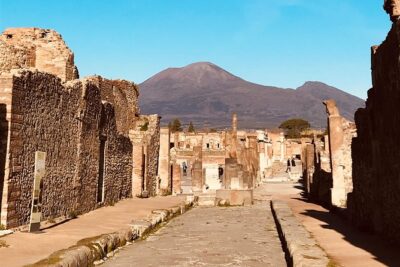
Herculaneum feels like time froze. Herculaneum was buried by Mount Vesuvius in 79 AD, and the ash preserved far more than stone—streets, rooms, and everyday objects—so a guided visit feels like you’re reading a story in 3D rather than staring at rocks.
I love the fact you’re not just getting standard ticket access—you’re getting skip-the-line entry plus interpretation from a licensed expert. I also really like the emphasis on details that are easy to miss on your own, like the meaning behind the frescoes, mosaics, and even the skeletons.
One thing to consider: this is an outdoor archaeological site with uneven ground and stairs, and it’s not suitable for wheelchair users (and electric wheelchairs aren’t allowed). If mobility is tight, you’ll want to plan carefully.
In This Review
- Key highlights worth showing up for
- Herculaneum is the Pompeii alternative with better context
- Biglietteria Ercolano and starting on the right foot
- Casa dei Cervi: villas where you can read daily life
- Casa di Nettuno ed Anfitrite: mosaics and frescoes with meaning
- Sacellum of the Augustales: where public faith met private walls
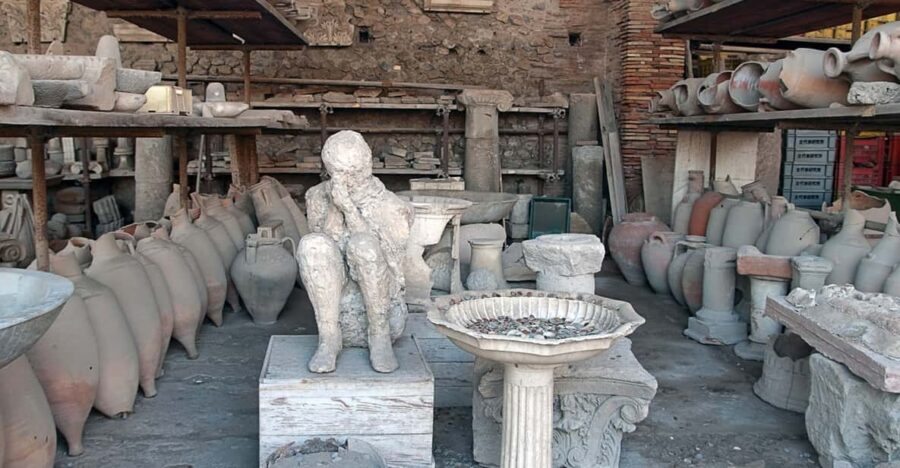
- House of Skeletons: the tragedy with care
- Casa dell’Albergo and the feel of a working town
- Archaeological site walking stops: your photo stop with purpose
- Public baths and water systems: engineering you can still picture
- How much you learn from an archaeologist, not a script
- Price and value for a 2-hour archaeologist-led experience
- What to bring, how to pace yourself, and who this suits
- Should you book? Yes, if you want the site’s meaning, not just photos
- FAQ
- How long is the Herculaneum tour?
- Where do I meet for the tour?
- What’s included in the price?
- Is hotel pickup or drop-off included?
- What languages are the live guides available in?
- Is the tour ticket line skipped?
- What should I bring with me?
- Is it wheelchair accessible?
- What is the cancellation policy?
Key highlights worth showing up for
- Skip-the-line tickets so you lose less time standing still.
- Licensed archaeologist guide who explains what you’re seeing and what it likely meant.
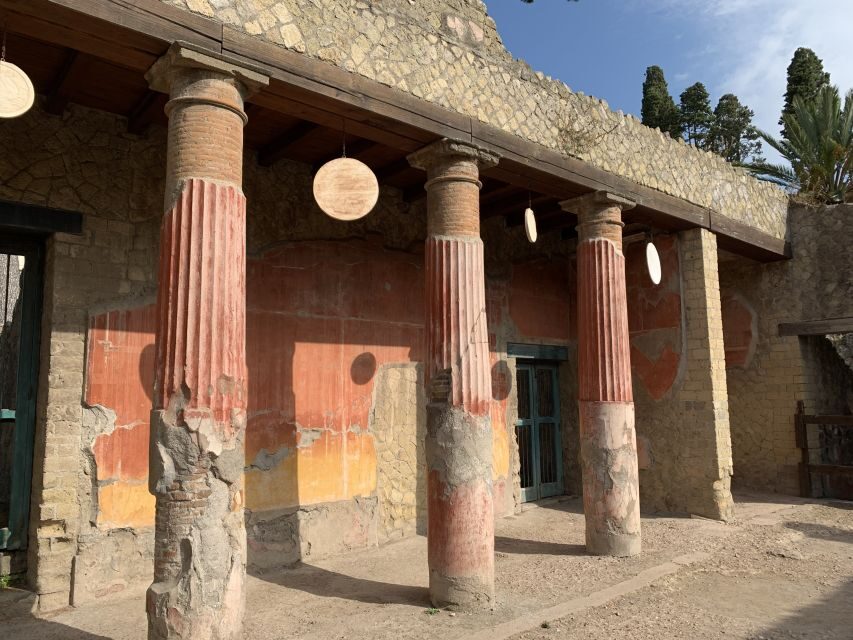
- Exceptional preservation—villas, frescoes, and mosaics in rooms you can actually walk through.
- Real Roman street-level walking to connect homes, shops, and public spaces.
- House of Skeletons for a sobering look at the tragedy, guided with tact.
Herculaneum is the Pompeii alternative with better context
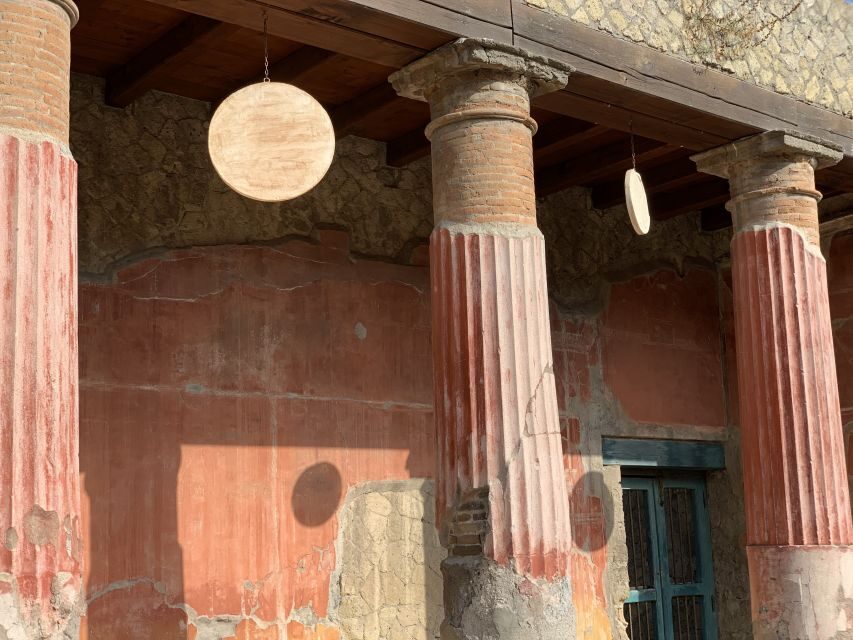
If you’ve seen Pompeii, you already know the big headline: Vesuvius erupted and Roman life stopped. What I like about Herculaneum is the way the story plays out differently. This town was covered by volcanic material under conditions that preserved structures—and also organic details that simply don’t survive the same way elsewhere, including items that suggest daily routines.
Herculaneum is also smaller, which matters when you only have a short window. In about two hours, you can walk enough of the site to understand how the town worked as a place to live, eat, bathe, and socialize—not just as a museum of fragments. And because the preservation is so strong, your guide can point out “how it worked,” not just “what’s here.”
If you're still narrowing it down, here are other tours in Archaeological Site Of Herculaneum we've reviewed.
Biglietteria Ercolano and starting on the right foot
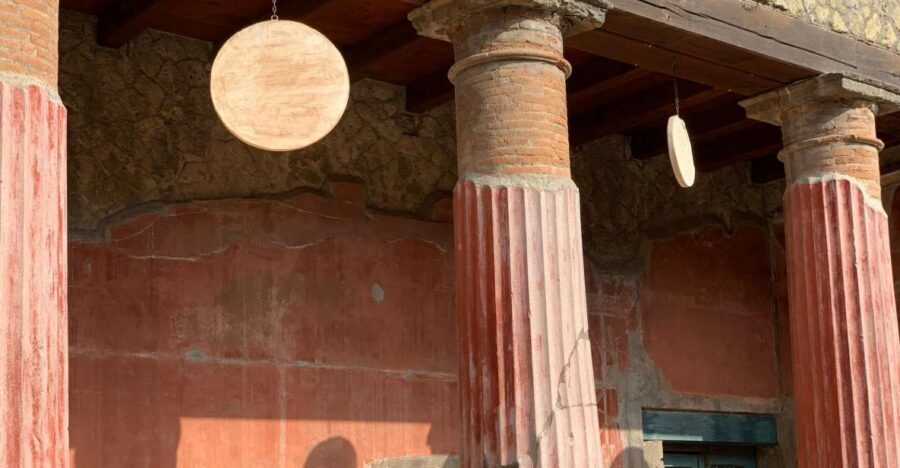
Your tour begins at the ticket office in Biglietteria Ercolano. Show up about 10 minutes early. That buffer matters because the site is busy and you’ll want a smooth handoff before the group sets off.
Once you’re inside, the practical benefit of the skip-the-line access kicks in right away: you spend more time at the ruins and less time waiting in queues. If your group is larger than 11 people, you’ll also have headset support, which is genuinely useful on busy days and helps you catch the guide’s explanations as you move between rooms.
Casa dei Cervi: villas where you can read daily life
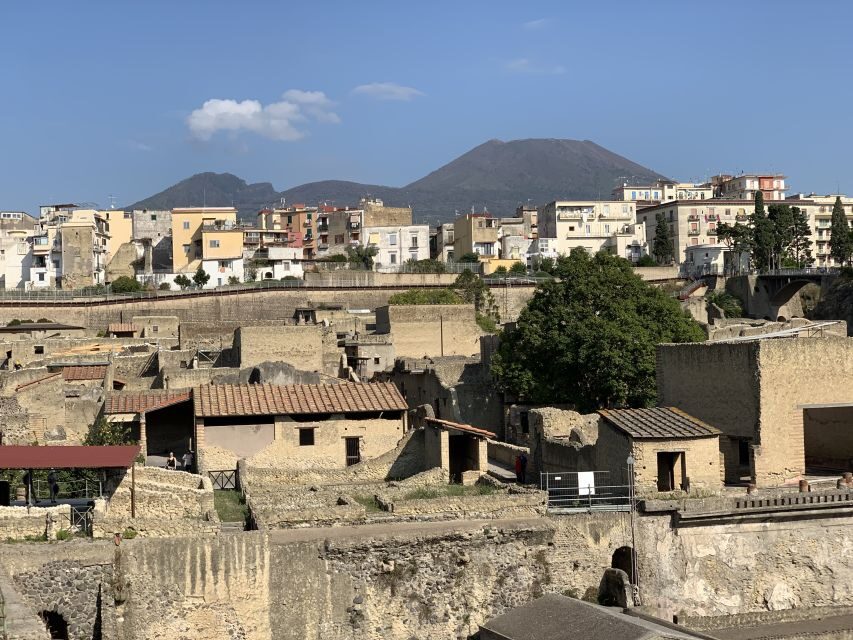
Casa dei Cervi is one of the standout stops because it’s not just an impressive floor plan—it’s a lived-in layout preserved with unusually clear detail. Here, the big value is how a good guide helps you shift from sightseeing to understanding. You start noticing how rooms relate to one another and how spaces were used.
This is also where frescoes and decorative elements matter. When you see decoration without context, it can look like pretty wall art. With expert guidance, those same surfaces start to connect to status, taste, and the visual language people used to signal identity. Even the way you move through the space helps you imagine the soundscape and social rhythm of a Roman household.
What to watch for: look at how the rooms are framed and think about sightlines—where would someone stand, where would attention go, and what would visitors notice first.
Casa di Nettuno ed Anfitrite: mosaics and frescoes with meaning
At Casa di Nettuno ed Anfitrite, the tour leans into what “preserved” really means. You’re surrounded by visual detail—frescoes and mosaics—that would be far harder to interpret without an expert to translate symbols, layout, and artistic choices.
A big reason this stop works is that you’re given time to see the building as more than a set of walls. You’ll learn how scenes and decorative programs tied into Roman beliefs, home identity, and the way people wanted their space to feel. The guide’s explanations can also help you compare what you’re seeing here with what you may have noticed at Pompeii—without turning this into a checklist of comparisons.
Possible drawback: this kind of stop can feel fast if you’re expecting lots of quiet time. If you’re the type who loves slow looking, ask the guide to pause for a minute as you move between key rooms.
Sacellum of the Augustales: where public faith met private walls
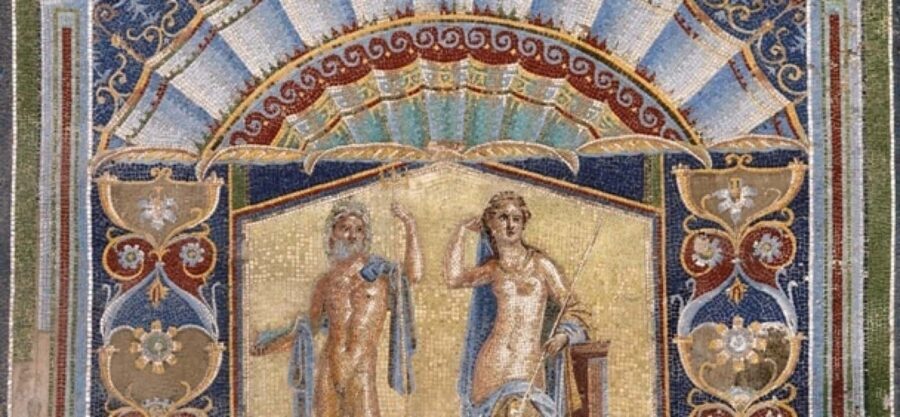
The Sacellum of the Augustales adds an important layer to the day: religion and civic identity weren’t separate from daily routine. Even if you’re not religious, you’ll probably find this stop meaningful because it shows how Roman communal life showed up in architecture.
In a short two-hour tour, this is exactly the kind of place that keeps the visit from feeling like random highlights. Your guide can explain how religious spaces supported social order and public belonging, and you’ll get a clearer sense of who had roles, what was honored, and how ritual life fit into a town’s structure.
House of Skeletons: the tragedy with care
One reason Herculaneum hits harder than you expect is the presence of skeletons. The House of Skeletons is part of this tour route, and your guide’s job is crucial here. Without guidance, you might just see human remains and feel overwhelmed or confused. With expert explanation, the moment becomes more understandable and more respectful—focused on what the evidence suggests.
This is also the stop where you’ll likely feel the contrast between a quick, surface-level ruin visit and a real historical experience. The guide’s wording and pacing matter. The best tours here treat the scene as a human event, not a thrill. The effect can be surprisingly powerful, even if you’ve read about the eruption before.
Tip: if you tend to get emotional, it’s totally okay to take a step back and let the group move. Let your guide finish the explanation at your pace, not someone else’s.
Casa dell’Albergo and the feel of a working town
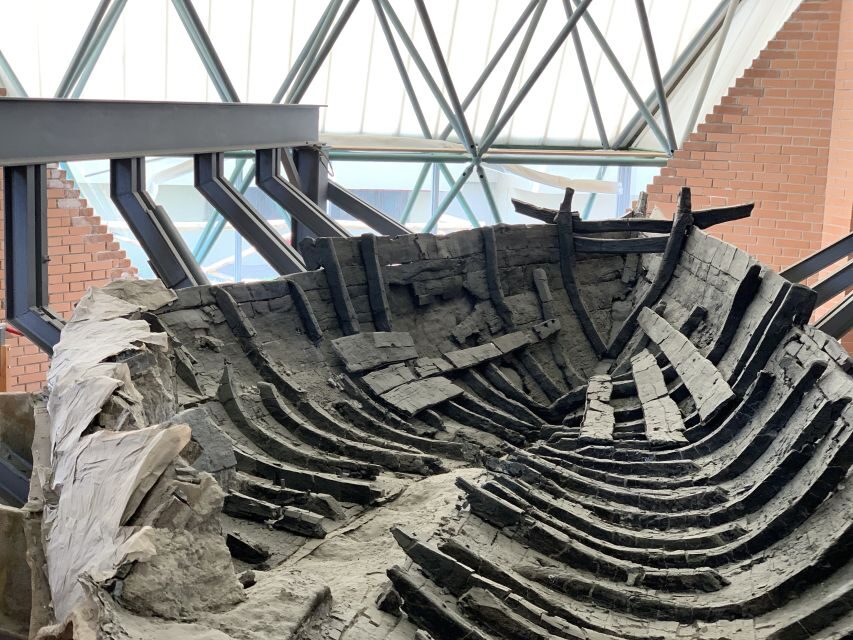
Casa dell’Albergo helps shift you from elite houses and spectacle rooms into the broader texture of town life. This is where it clicks that Herculaneum wasn’t just “fancy villas.” It was a place with movement, transactions, and routines.
Your guide can connect what you see—rooms, circulation, and setting—to daily activities that would have happened when everything was intact. That’s the secret sauce of an archaeologist-led tour: it turns stone and decoration into a plausible sequence of everyday behavior, from who hosted guests to how people went about their day.
If you’re comparing to Pompeii, this is one of the moments that tends to make the difference feel real. Herculaneum can come across as more readable because so much detail survived and because the town feels closer, smaller, and more graspable.
Archaeological site walking stops: your photo stop with purpose
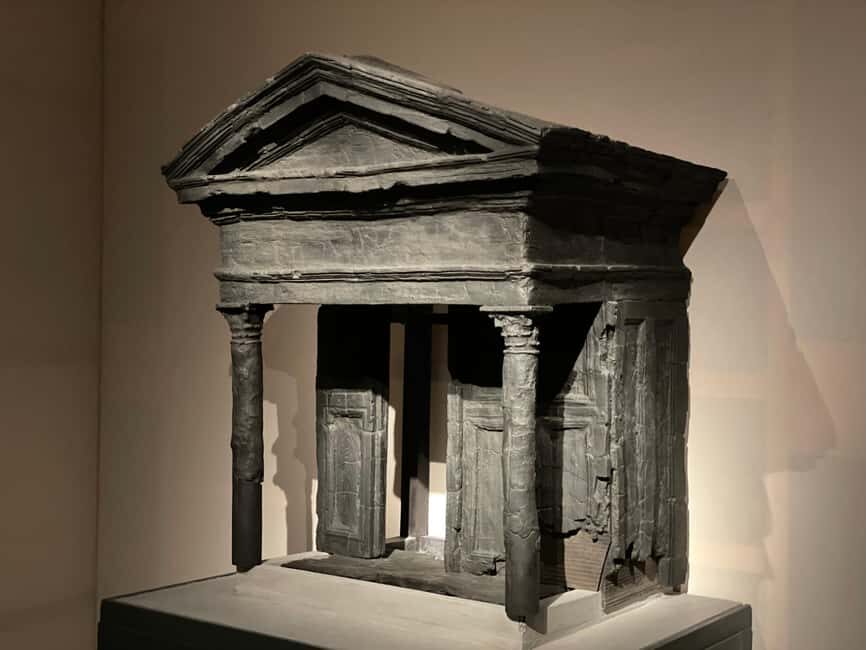
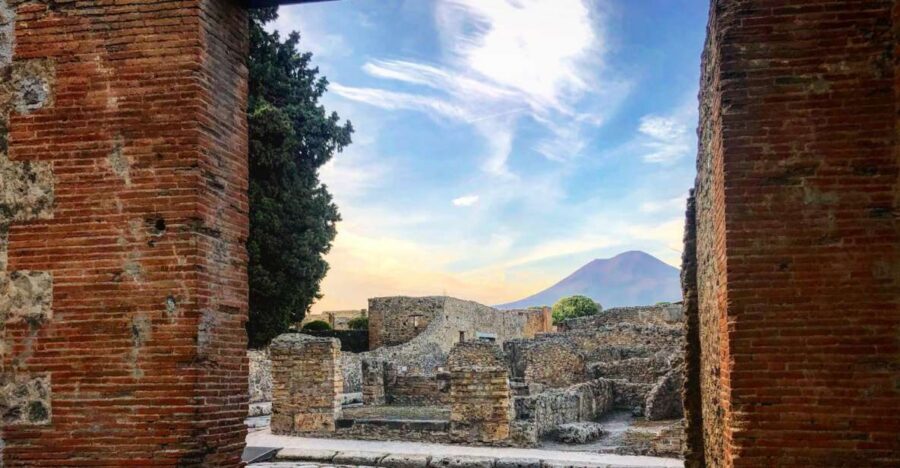
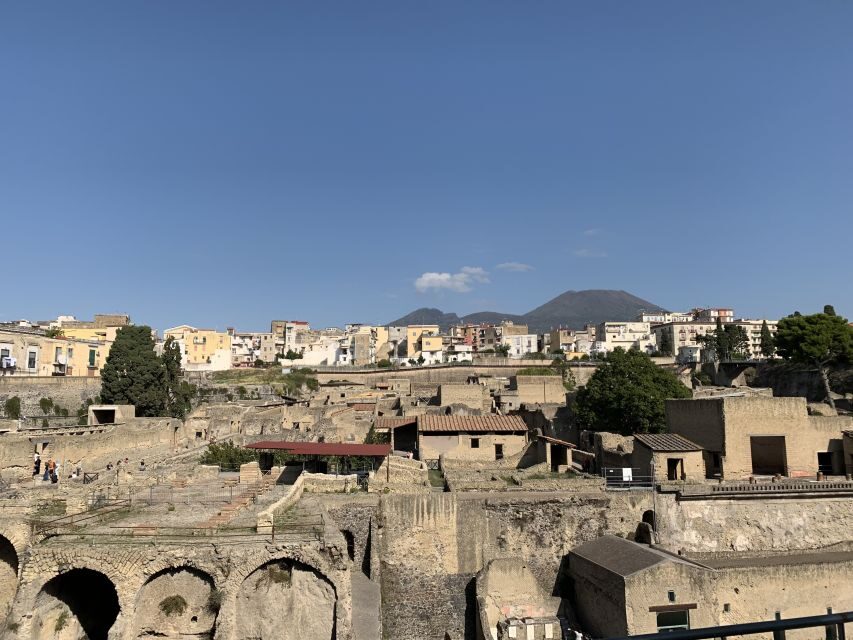
After the specific houses and monuments, you return to the general Archaeological Site of Herculaneum for the last stretch, including a photo stop. The practical value of this final segment is that your guide can knit the buildings together into a coherent map.
Yes, you’ll take pictures. But the better move is to use the camera like a notebook: capture key views where the street or layout helps you remember what you learned. In two hours, the brain can feel like it has too many images. Giving the visuals a story role helps.
Also, if timing is in your favor, you might get quieter moments where you can actually hear the guide clearly across open areas. Some guides are especially good at pacing based on how crowded the site feels.
Public baths and water systems: engineering you can still picture
One of the most impressive aspects of Herculaneum is the public baths and the clever water systems behind them. Even if you’re not an engineering person, these stops tend to land because your guide can show how the Romans solved problems with flow, function, and space.
When you stand in a bath-related area with context, you start noticing what matters: access, circulation, temperature logic, and how people used communal space. It becomes less about “ruins” and more about how a community stayed clean, socialized, and maintained routine.
This kind of explanation is hard to get from a phone audio app because you’re moving between details faster than audio can keep up. A live guide can adjust on the spot—answer questions, point out what you’re looking at right now, then connect it back to the larger idea.
How much you learn from an archaeologist, not a script
The difference between an okay guide and an outstanding one shows up in two ways.
First, strong guides make you look at the right things in the right order. That’s how you end up understanding why a mosaic, a doorway, or a room layout matters. Second, the guide turns tragedy and preservation into cause-and-effect. You learn what the eruption did, why the burial created such preservation, and what evidence suggests about the final moments.
In the tour’s best runs, you may be led by people with serious academic credentials—some guides on this route include PhD-trained archaeologists like Dr Rafaelle Romano. That level of training often comes through in clear explanations that stay human and readable, not stuffed with jargon.
Price and value for a 2-hour archaeologist-led experience
At $58 per person for a 2-hour visit, this tour can look like a splurge if you’re comparing it to basic entry tickets. But the value is in three things you’re buying together: skip-the-line access, a licensed expert guide, and interpretation of fragile, hard-to-read details.
If you only bought tickets, you could still walk the site—but you’d likely miss how to connect evidence to real life. And with Herculaneum, that’s the point. The preservation is the headline, but the meaning is what turns it from interesting to unforgettable.
Headsets included for larger groups also help justify the price because audio clarity affects how much you actually get out of the experience. For a two-hour window, that matters a lot.
What to bring, how to pace yourself, and who this suits
Bring passport or ID, plus water. Wear shoes you trust on uneven surfaces. This is a walking tour inside an archaeological site, and the tour isn’t suitable for wheelchair users. Electric wheelchairs also aren’t allowed.
In terms of pacing, two hours sounds short, but the route is structured to keep you moving through the most interpretive spaces: major villas, a civic-religious stop, the House of Skeletons, and bath-related areas. If you’re in your teens through your 60s and you can handle stairs and uneven ground, this duration usually feels right—enough time to understand without burning the day.
If you’re traveling with kids, the strong guidance style tends to help them stay engaged because the guide turns rooms into stories. If you’re traveling solo or as a couple, you still get the same benefit: a coherent narrative rather than a random walk.
Should you book? Yes, if you want the site’s meaning, not just photos
I’d book this tour if you care about understanding what you’re seeing. Herculaneum rewards careful looking, and a licensed archaeologist helps you see the difference between decoration and evidence. You’ll also appreciate the skip-the-line setup if your schedule is tight or you’re trying to keep the day moving.
I’d think twice if mobility is limited or if you need a slow, mostly sitting-focused visit. Also, if you’re sensitive to sound in busy places, consider that your ability to hear can depend on the day and the group setup—headsets help when provided, but the site is still outdoors.
If you’re doing Pompeii already, this is often a smart pairing because it changes the tone of the story: less about mass spectacle and more about preserved, readable everyday life.
FAQ
How long is the Herculaneum tour?
The tour lasts about 2 hours.
Where do I meet for the tour?
Meet at Biglietteria Ercolano. Arrive about 10 minutes before the start time.
What’s included in the price?
You get skip-the-line entrance tickets and a guided tour with a licensed guide. Headsets are included if the group exceeds 11 people.
Is hotel pickup or drop-off included?
No, hotel pickup and drop-off are not included.
What languages are the live guides available in?
Tours are available in Spanish, English, Italian, and French.
Is the tour ticket line skipped?
Yes, skip-the-line access is included.
What should I bring with me?
Bring your passport or ID card and water.
Is it wheelchair accessible?
No. It is not suitable for wheelchair users, and electric wheelchairs are not allowed.
What is the cancellation policy?
Free cancellation is available up to 24 hours in advance for a full refund.