REVIEW · SORRENTO
Pompeii, Herculaneum, Naples from Naples, Sorrento, Amalfi Coast
Book on Viator →Operated by Mondo Guide Srl · Bookable on Viator
Seeing Vesuvius’ aftermath in one trip is rare. I love how this day strings together two very different ancient neighborhoods—Pompeii’s dramatic open-air streets and Herculaneum’s nearly intact villas—so the story doesn’t feel repetitive. I also like the practical comfort of an air-conditioned vehicle, which matters a lot when you’re out for hours in summer. One real consideration: it’s a packed schedule, and you’ll need to budget for entrance tickets separately (lunch isn’t included either).
The Naples add-on is the smart move. You don’t just escape for ruins and return; you get guided time in Naples to connect what you’re seeing to the city’s food, culture, and the way locals live right now.
In This Review
- Key Things I’d Pay Extra Attention To
- Pompeii, Herculaneum, and Naples: How This Day Really Flows
- Pompeii Archaeological Park: Seeing More Than Stone Streets
- Practical tips for Pompeii
- The drawback of a short visit
- Herculaneum: The Preservation That Changes Your Perspective
- How to make your 2 hours count
- Naples Sightseeing: Turning Ruins Into a Real City Story
- What Naples time is best for
- What Naples time is not
- Price and Value: What You’re Paying For (and What You Aren’t)
- A realistic budgeting check
- Transportation, Timing, and Group Size: The Stuff That Can Make or Break It
- Group size rules you’ll feel
- What to do with your feet
- Upgrading to Private: When Personalization Is Worth It
- Who This Tour Fits Best (and Who Might Want Something Else)
- Should You Book This Pompeii–Herculaneum–Naples Day?
- FAQ
- How long is the tour?
- What time does the tour start?
- Where does the tour end?
- Is lunch included?
- Are entrance tickets included for Pompeii and Herculaneum?
- Is the vehicle air-conditioned?
- Do you get an English-speaking guide?
- What’s the maximum group size?
- Are children’s tickets free?
- What’s the cancellation policy?
Key Things I’d Pay Extra Attention To
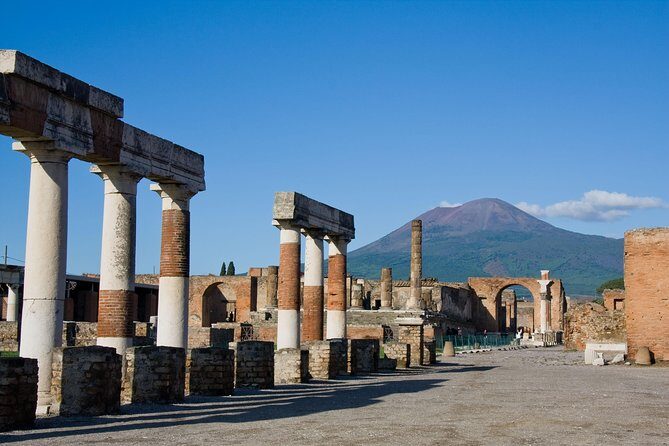
- Two ruins, opposite vibes: Pompeii feels like an open-air timeline; Herculaneum feels like someone paused daily life.
- Air-conditioned transport on an 8-hour day, with hotel-friendly pick-up logic from Naples/Sorrento/Amalfi area.
- Guided pacing: 2 hours each at Pompeii and Herculaneum is short, but workable with the right guide focus.
- Naples context in 2 hours so the ruins don’t sit in a vacuum.
- Small-group feel (max 19): you’re less likely to get lost in a crowd.
- Cobblestones warning: wear real walking shoes; you’ll feel every uneven step.
Pompeii, Herculaneum, and Naples: How This Day Really Flows
This is built for people who want the headline sites without spending a whole week on logistics. You start at 8:00 am and you’re back at the meeting point at the end. The rhythm is simple: Pompeii first, then Herculaneum, and finish with guided sightseeing in Naples.
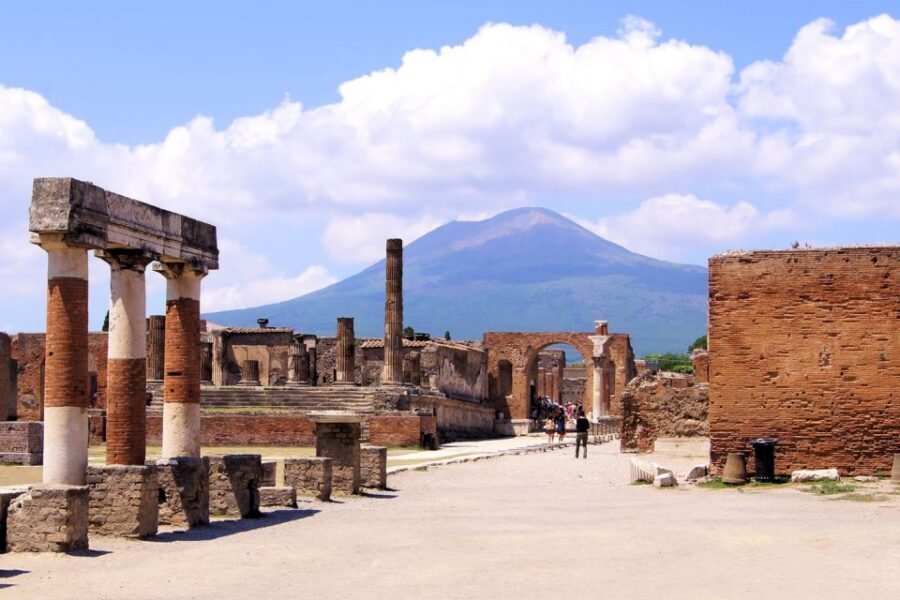
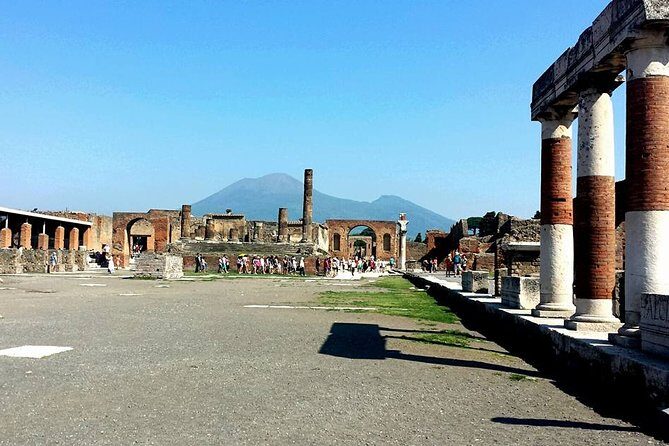
That order matters. Pompeii is the big visual wow right away: a whole city laid out in front of you, frozen at the moment it was buried. Then Herculaneum flips your understanding. It’s smaller, and the preservation is so complete that it feels less like ruins and more like a time capsule.
Finally, Naples helps you “reset” your brain. You go from ash and stone to streets, voices, and food culture—so the day lands with meaning instead of just facts.
Other Pompeii + Herculaneum tours
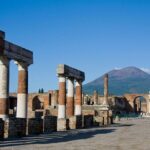
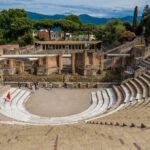
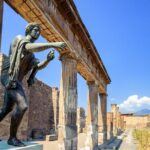
Pompeii Archaeological Park: Seeing More Than Stone Streets
Pompeii is often called an open-air museum for a reason: you walk through a real grid of streets and buildings, not a curated indoor display. Even if you’ve seen photos before, the scale still hits. You’re there for about 2 hours, and that’s just enough time to understand the city’s layout and catch key sites that show daily life before the eruption.
A good guide makes a difference here. You’ll want to focus on how Pompeii was organized—homes facing the street, the logic of public spaces, and the way the ruins preserve both architecture and routine. It’s not just dramatic wall art; it’s the shape of everyday living.
Practical tips for Pompeii
- Admission isn’t included, so plan for tickets in advance.
- Bring comfortable, grippy shoes. The site is full of uneven surfaces.
- In a short visit, pick 1–2 themes to track: daily life, public spaces, or how the city was built.
The drawback of a short visit
Two hours sounds tight because it is. Pompeii is huge. So if you love slow wandering, this tour may feel fast—but the upside is you’re less likely to end the day exhausted and disappointed. You’ll leave with a clear mental map.
Herculaneum: The Preservation That Changes Your Perspective
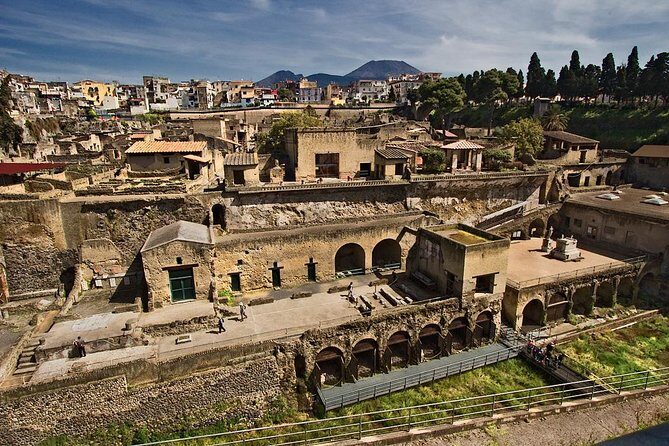
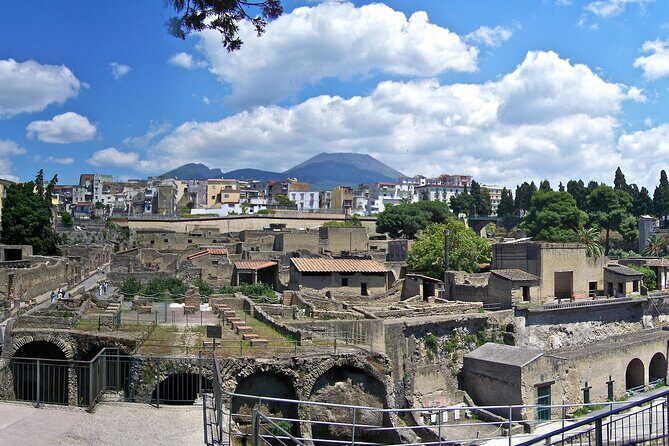
If Pompeii is the bigger stage, Herculaneum is the more intimate one. It’s the smaller sister site, and the main reason it’s so special is how well it survived. The ruins include perfectly intact patrician villas, and you can even see preserved materials that tell you this was once a working city—wood and ropes are mentioned as part of what’s displayed.
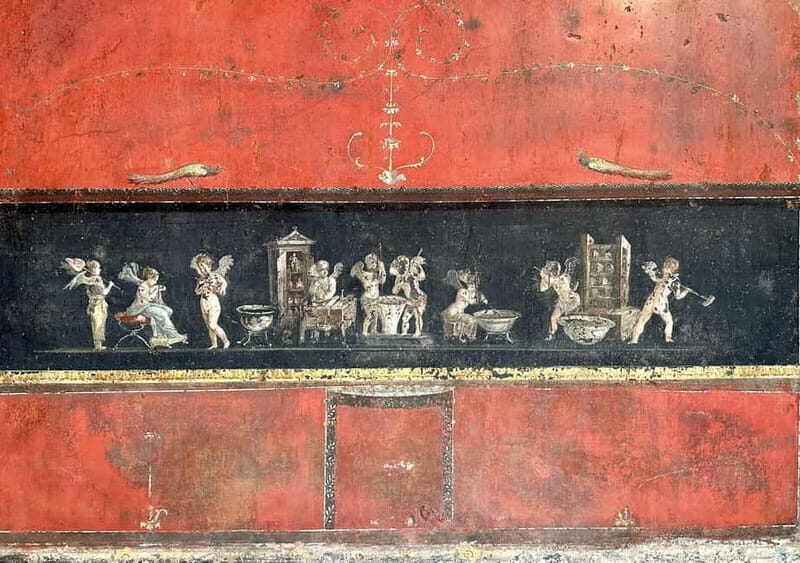
The details are what make Herculaneum hit differently. You’re not just looking at broken walls; you’re seeing the craft: brickwork, mosaics, and frescos. The contrast is striking because the volcanic event here was brutal, yet the result is a kind of preserved snapshot.
Other Herculaneum tours and tickets

How to make your 2 hours count
With only about 2 hours, treat Herculaneum like a guided gallery of how elite homes functioned. Notice:
- Where the light and views were designed to land.
- How decorative surfaces communicate status.
- The way rooms connect—like you’re mapping a house, not reading a history label.
Also, one small bonus: Herculaneum often feels easier to manage than Pompeii. The site is very walkable and can feel less crowded depending on timing, which helps you actually look at what’s in front of you.
Naples Sightseeing: Turning Ruins Into a Real City Story
After the ancient sites, you head to Naples for about 2 hours of guided sightseeing. This isn’t just a transit stop. The point is to help you connect what you learned to the city as it is today—its energy, contradictions, and how food culture plays such a big role in daily life.
The guide focus here typically works like orientation. You get a sense of where to stand, what to notice, and how the city’s present look grew out of layers of change. The tour description leans into Naples as an animated place with a serious love of cuisine. Even if you don’t eat immediately, you’ll understand why that reputation exists.
What Naples time is best for
- Getting bearings quickly so your later self-guided strolling makes sense.
- Learning how the city thinks about itself, not just how it looks in guidebooks.
- Taking notes for food choices afterward.
What Naples time is not
It’s not enough for a deep dive into museums or neighborhoods. If you want that, you’ll build a second day. But as a closing chapter to Pompeii and Herculaneum, it works well.
Price and Value: What You’re Paying For (and What You Aren’t)
At $224.31 per person, this tour is priced for people who want structure and transportation handled. You’re paying for:
- An air-conditioned minivan/minibus
- A driver and English-speaking guide (the guide portion runs through Pompeii, Herculaneum, and Naples, with staffing described by group size)
- A tight plan that gets you into and through three major stops
What you’re not paying for:
- Entrance tickets for Pompeii and Herculaneum
- Lunch
So the value depends on your travel style. If you’re the type who hates timed entry chaos and wants the sites explained so you don’t miss the “why,” this makes sense. If you’re an ultra-flexible independent traveler who prefers to roam freely and buy tickets on your own, you might do fine self-guiding—but you’d need to solve transport and timing.
A realistic budgeting check
Even though admission isn’t included, the tour price still can come out fair if you consider that private logistics in this area can be expensive. Plus, the guide time helps you prioritize what to see in limited hours.
Transportation, Timing, and Group Size: The Stuff That Can Make or Break It
This tour runs for about 8 hours. Because you’re moving between sites, timing matters more than usual. You start early, and the day is designed around travel time plus structured site time.
The vehicle is air-conditioned. That’s not a small comfort perk here—it’s one of those details you’ll notice on a hot day. The itinerary also works best if you’re okay with a “see the main things, then keep moving” pace.
Group size rules you’ll feel
- There’s a maximum of 19 travelers.
- For smaller shared groups of 6–8, the driver works with the group and an English-speaking guide covers Pompeii, Herculaneum, and Naples.
- For 9–21, you’ll have a driver and English-speaking guide for the full excursion.
In plain terms: bigger groups can feel slightly less personal, but the cap at 19 helps keep it from turning into a cattle-car situation.
What to do with your feet
One piece of advice that comes up for this type of walking: bring shoes built for cobblestones and uneven ground. You don’t want blisters cutting your day short. Treat your footwear like part of the tour planning, not an afterthought.
Upgrading to Private: When Personalization Is Worth It
The tour offers an upgrade to a private tour. Even without extra details beyond that option, you can guess what this buys you in practice: more control over pace, more direct Q&A, and less pressure to keep up with a group.
Private can be worth it if:
- You want more time at Pompeii or Herculaneum without feeling rushed.
- Your group has kids, mobility limits, or just a slower sightseeing style.
- You care more about explanation than checking boxes.
If you’re happy with a guided, efficient day and you like meeting other people, the shared option is likely the right fit.
Who This Tour Fits Best (and Who Might Want Something Else)
This is a strong match for you if you:
- Want the big three names—Pompeii, Herculaneum, and Naples—in a single day.
- Prefer having a guide help you focus in sites where it’s easy to feel overwhelmed.
- Value comfort during the long travel day (air-conditioned transport is a clear plus).
It may not be the best match if you:
- Want hours and hours in Pompeii to linger in every corner.
- Plan to add lots of extra stops on your own during the same day.
- Need lunch included as part of the price (it’s not included here).
Also, there’s a good policy point for families: children under 18 enter for free at Pompeii and Herculaneum with valid ID.
Should You Book This Pompeii–Herculaneum–Naples Day?
My take: yes, book it if your goal is a smart, guided “greatest hits” day with transportation handled. The most convincing part is the pacing logic: Pompeii gives you the big historical punch, Herculaneum gives you the emotional shock of preservation, and Naples gives you context so the day feels like more than a museum run.
If you’re the kind of traveler who hates short site times, you might feel the schedule pressure. But for most people, 2 hours at each ruin is enough to walk away with real understanding—and still have energy for the Naples finale.
One final note: cancellation is free up to 24 hours in advance, so if your plans are shifting, you still have flexibility.
FAQ
How long is the tour?
It runs for about 8 hours.
What time does the tour start?
The start time is 8:00 am.
Where does the tour end?
It ends back at the meeting point.
Is lunch included?
No, lunch is not included.
Are entrance tickets included for Pompeii and Herculaneum?
No. Entrance tickets are not included.
Is the vehicle air-conditioned?
Yes. You travel by an air-conditioned minivan/minibus.
Do you get an English-speaking guide?
Yes. An English-speaking guide covers the sites described, with guide coverage described by group size.
What’s the maximum group size?
The tour has a maximum of 19 travelers.
Are children’s tickets free?
Children under 18 can enter for free at Pompeii and Herculaneum with valid ID.
What’s the cancellation policy?
You can cancel for a full refund up to 24 hours before the experience’s start time.