REVIEW · NAPLES
From Naples: Ruins of Pompeii
Book on GetYourGuide →Operated by NapoliCityVision · Bookable on GetYourGuide
Pompeii hits hard, even on a tour. This day trip turns the buried city into something you can actually picture, with major stops like the Roman theater and preserved streets. I like that the guiding is built around real-life details, so you’re not just looking at ruins—you’re learning how people lived.
I also like the way this tour handles the practical stuff. When it’s hot, guides keep the group moving smartly, and the pacing is often described as heat-aware with shade when possible. With small groups (often around eight people), it’s easier to stay together and ask questions without feeling rushed.
One thing to consider: the time inside Pompeii is about 2 hours walking, so you’ll want to be selective about what you linger over. And it’s not suitable for wheelchair users or people with mobility impairments.
In This Review
- Key things I think you’ll care about
- How the Naples Pickup and Pompeii Ride Actually Feel
- Pompeii’s Best-Of Route: Theater, Shops, and Street Life
- The Forum and Necropolis Stops: Public Life and Final Resting Places
- Bath Houses: Why These Ruins Hit Different
- The House of Pompeii’s Richest Man: Wealth You Can Walk Through
- The Optional Cameos and Coral Craft Factory Stop
- Guide and Audio Options: Getting the Most From Two Hours
- Price and Value: What $59 Gets You From Naples
- Timing Reality Check: 3–4 Hours vs. Actual Day Flow
- Best Fit for Who? First-Timers, Families (With Notes), and History Lovers
- My Booking Verdict: Should You Do This Pompeii Tour?
- FAQ
- FAQ
- How long is the Pompeii tour from Naples?
- Do I get entry tickets to Pompeii?
- What language options are available for the tour?
- Is pickup in Naples included?
- How does the tour handle group size?
- Is there time for the cameo and coral craft stop?
- What should I bring, and is luggage allowed?
Key things I think you’ll care about
- A 2-hour guided walk that hits major sights without turning into an all-day grind
- Roman theater + daily street life, including preserved bakeries and pizzerias
- House of the richest man in Pompeii, for a quick but telling look at wealth
- Necropolis, forum, and bath houses on a route that makes sense
- Optional cameos and coral craft factory stop if time allows
- Pickup and round-trip transport from Naples so you don’t fight traffic or parking
How the Naples Pickup and Pompeii Ride Actually Feel
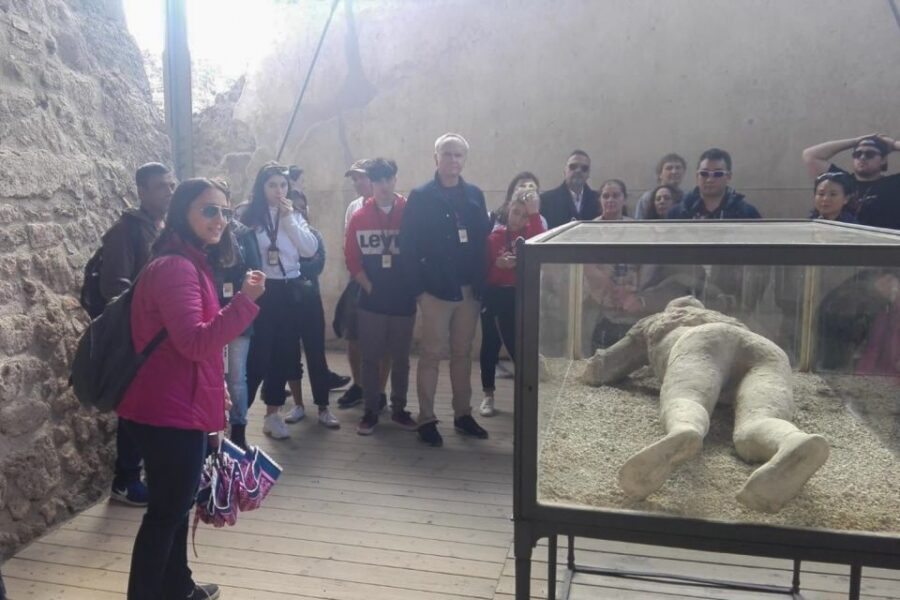
This is set up as a true day trip from Naples. You’ll pick up from one of multiple Naples meeting points (think hotel-area stops around Lungomare Caracciolo, Molo Beverello-Ontano, and central hotels). Then you’ll take a bus or coach to Pompeii with on-board multilingual commentary.
In theory, the drive is short—around 20 minutes each way—but real life depends on traffic and crowd flow. Some people note that time can stretch, so I’d treat this as a half-morning commitment rather than a quick hop. The upside is huge: you’re not negotiating Naples driving, and you’re not stuck finding your own way to the site.
A few practical notes that matter:
- You’ll want comfortable shoes. Pompeii is uneven, and you’ll be walking for the whole guided portion.
- Bring a sun hat and sunscreen. The open areas can cook you, even when you do get shade breaks.
- Avoid big luggage. You can’t bring luggage or large bags, so pack light.
On the people side, the tour is built around group control: the driver will wait up to 5 minutes if you’re late. That’s a big deal in Italy, where “meet at the exact minute” is not always realistic.
Other tours departing from Naples


Pompeii’s Best-Of Route: Theater, Shops, and Street Life
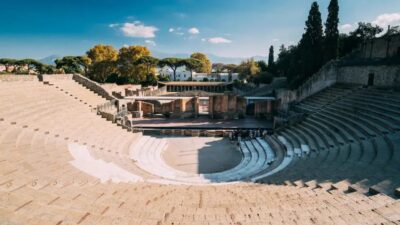
Once you enter Pompeii, the tour focuses on what you can see clearly in a short window. The headline stop is the Roman theater. It’s one of those places where the scale snaps into focus fast: seating tiers, the stage area, and the way the city’s layout makes public life feel real.
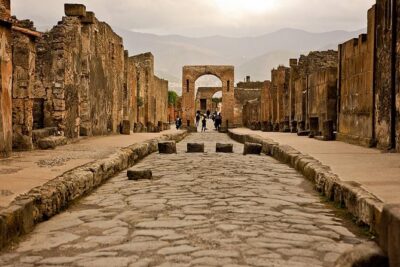
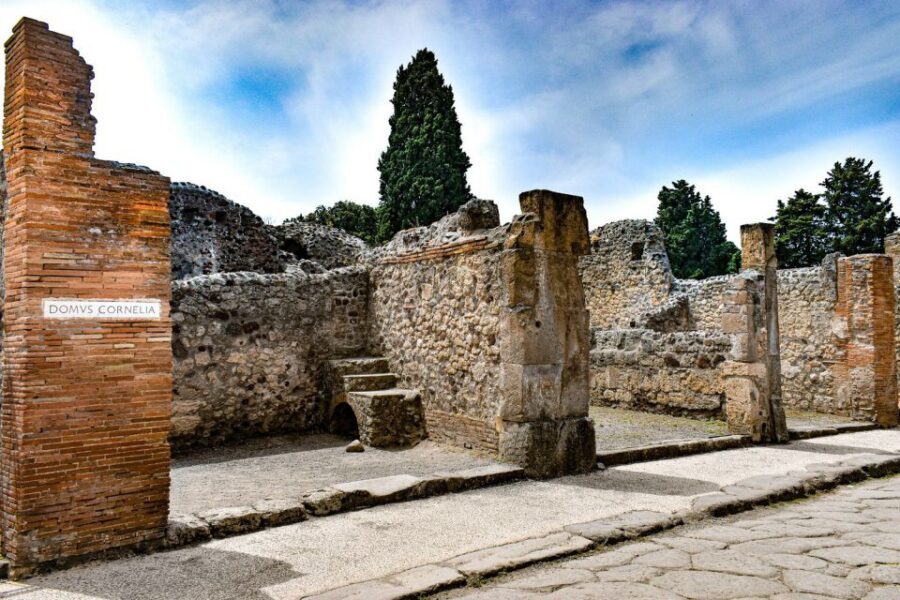
Then you shift into the parts that feel most like everyday routine. The route includes preserved areas tied to commerce—an ancient shopping street lined with bakeries and pizzerias. Even if you’ve seen “ruins” photos before, walking through these spaces changes your understanding. You start seeing “a street” and “a shop” instead of “stone remains.”
This is where the guidance quality becomes the difference between a good visit and a memorable one. Multiple guides are praised for explaining how Romans organized daily life in the 1st century. Names that pop up in the experience feedback include Salvatore and Maria, both noted for strong explanations and keeping the group on track.
If you’re a first-timer, this route is a smart way to get your bearings. If you’re aiming for an academic deep study, you may feel you want more time—but for most people, the structure hits the right balance.
The Forum and Necropolis Stops: Public Life and Final Resting Places
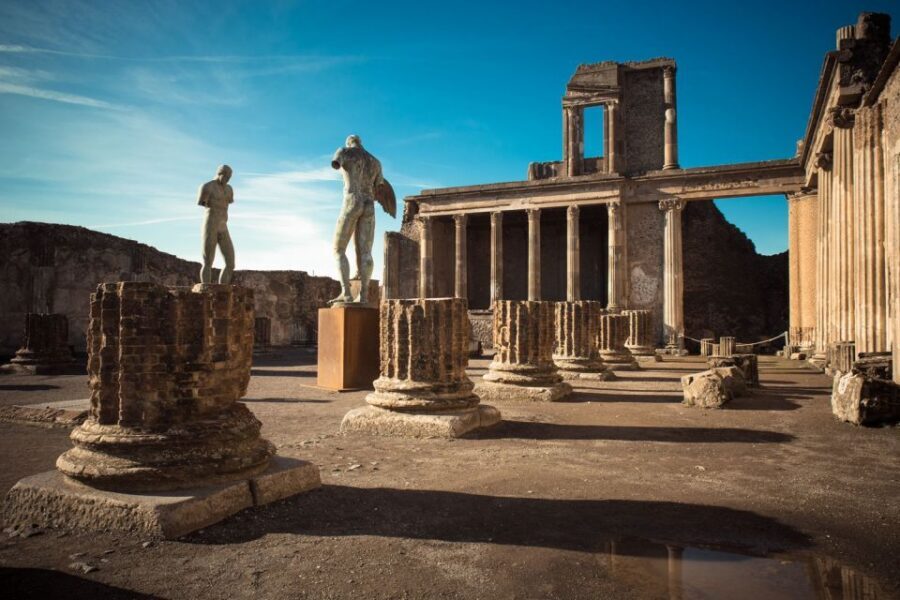
Pompeii’s power comes from contrasts. After the shopping street and public spaces, you’ll move toward the forum and necropolis areas.
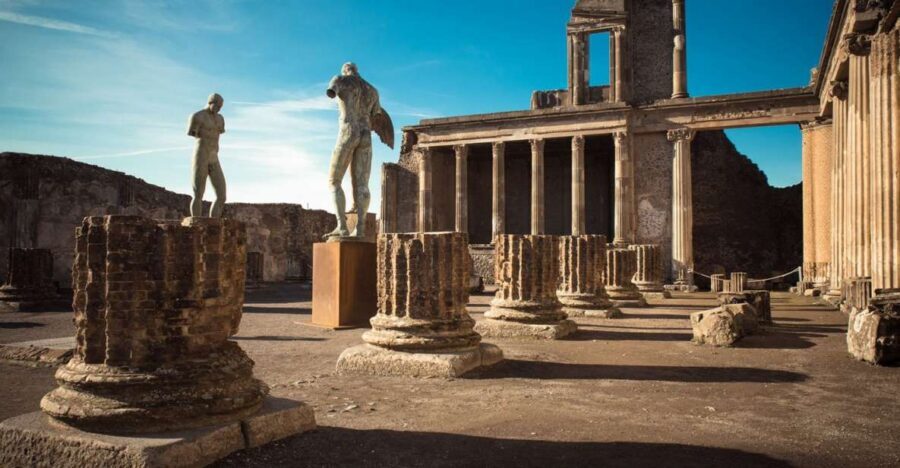
The forum stop helps you understand the city as a place where people gathered for decisions, business, and social status. It’s not just a “big square.” The spacing and surrounding structures make it easier to picture how communities worked—who came, how they moved, and why it mattered.
The necropolis section shifts the mood. This is where you see the city’s relationship with death and remembrance. Even with limited time, it gives you a more complete sense of Pompeii as a living town with a routine that extended from morning to burial.
One practical upside of being on a guided route: your eyes get trained quickly. Instead of wandering and hoping to connect the dots, you get a line of sight through the story the ruins are telling.
Bath Houses: Why These Ruins Hit Different
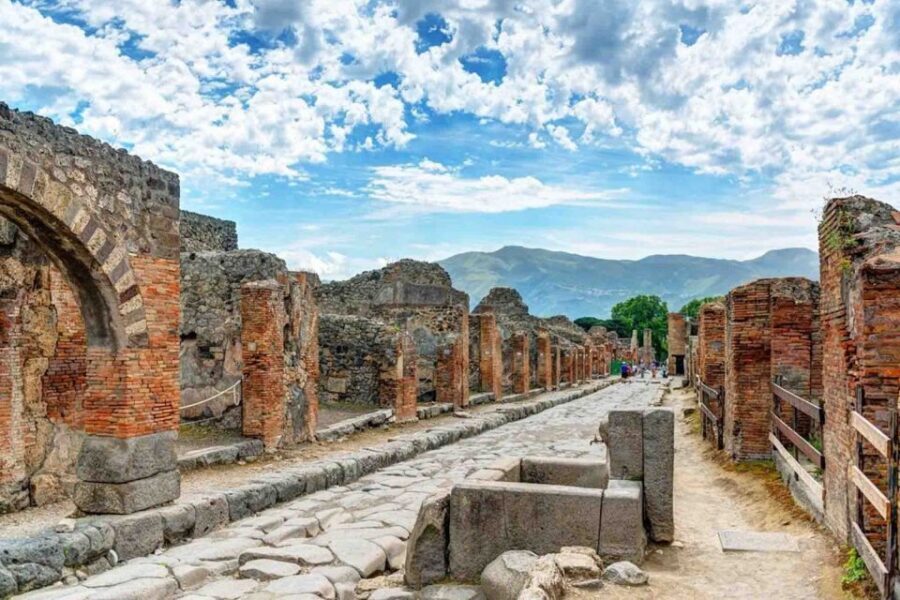
The tour also includes a stop at the bath houses. This is one of my favorite categories of Pompeii viewing because it feels familiar. People still understand why people want hot water, social chatter, and a place to wash up.
What you gain here is context. You’re not just staring at columns or walls. You’re learning how Romans designed public spaces for comfort and routine. It’s also one of the best places to imagine how bustling Pompeii must have been in normal times—before 79 A.D. turned the world silent.
If the day is warm, bath-house areas can be a mix of open and shaded. Either way, the guides typically keep the pace reasonable, and some guides are specifically praised for managing heat and helping guests stay comfortable.
The House of Pompeii’s Richest Man: Wealth You Can Walk Through
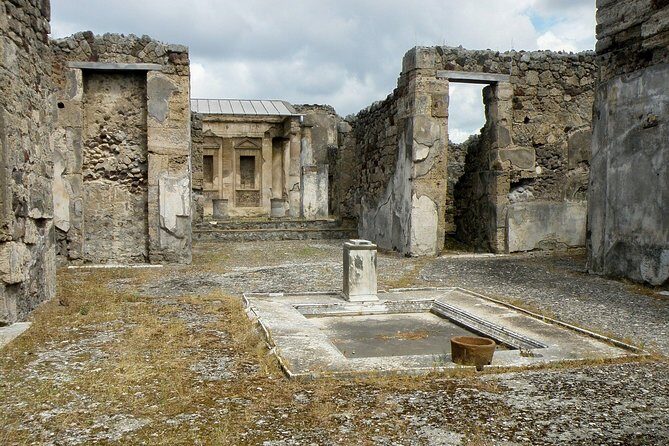
One stop you shouldn’t skip is the house of the richest man in Pompeii. This is the contrast chapter of the trip. The ruins show you what wealth looked like in a city where a regular shop and a grand residence belonged to the same geography.
In the short tour window, this stop gives you a fast lesson in how status showed up in space and layout. You get to see how the best-off separated daily life from the public street world around them.
What makes this stop valuable is how it helps your brain categorize Pompeii. Once you’ve seen both the public street life and a top-tier home, the ruins stop feeling random. They become a system—different classes, different spaces, different expectations.



The Optional Cameos and Coral Craft Factory Stop
Here’s a bonus that can add flavor to your day: you may make a stop at a local factory to learn about cameos and corals craft. These are jewel items made out of corals and seashells, and the idea is to show you the material culture that grew alongside Italy’s coastline trades.
The key detail is timing: this stop is if time permits. So don’t build your schedule around it. Still, if you like hands-on craft stories, it’s a good add-on because it breaks up the heavy “ruins only” feeling.
Guide and Audio Options: Getting the Most From Two Hours
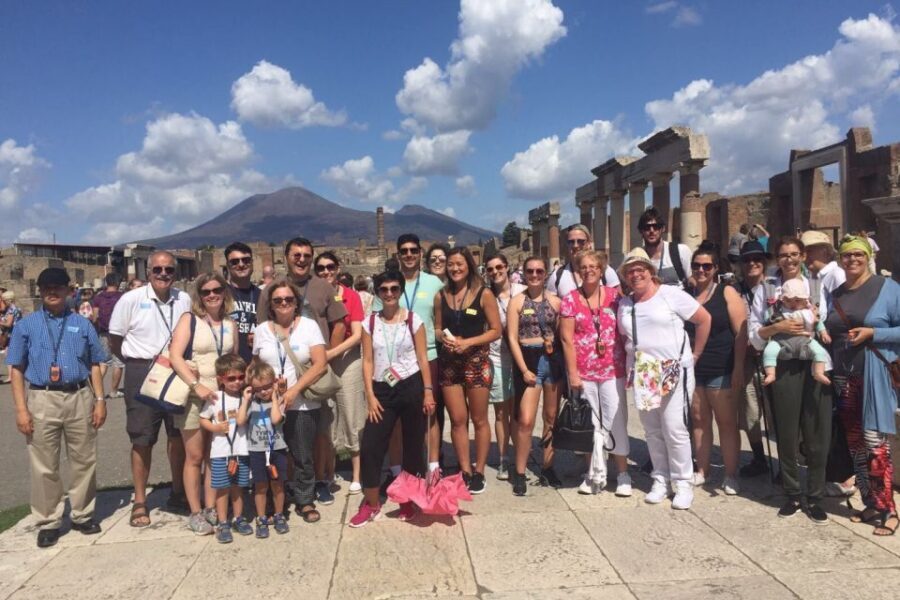
Your experience depends partly on whether you’ll have a live guide or an audio guide. The tour can be bilingual, and live guides are listed for English, Italian, and Spanish. If the group is below a certain size threshold, you’ll likely get an audio guide instead.
The good news: the audio option is often praised for being effective, even described as witty and knowledgeable. That matters because Pompeii is big, and without interpretation it’s easy to miss the story.
In the feedback, several people named standout guides and their teaching style. You’ll see references to guides like Anita, Fabio (mentioned as an archaeologist), and others including Liz, Cristian, Alessandro, Giuseppe, plus drivers noted for safe, smooth rides such as Angelo. While not every tour will have the same people, the consistent theme is that the team works to keep you oriented and engaged.
Price and Value: What $59 Gets You From Naples
At $59 per person, the value is strongest if you hate planning logistics. You’re paying for:
- Round-trip transportation from Naples
- Multilingual commentary on board
- A guided Pompeii walk for about 2 hours
- Pompeii entry ticket if you choose the option that includes it
That last point is important. If your ticket option doesn’t include entry, you’d need to add it separately. So double-check what you’re selecting before you finalize. It’s the one place where people can accidentally lose money.
Also, consider what you avoid. You avoid driving the Napoli traffic, you avoid figuring out parking, and you avoid dealing with a confusing meeting point on a busy morning. For many visitors, those stresses cost more than they think, even when the transportation looks like “just a bus.”
Time is the tradeoff for the price. You don’t get unlimited roaming. You get a curated big-picture route designed to deliver the highlights before your day gets swallowed by transit time.
Timing Reality Check: 3–4 Hours vs. Actual Day Flow
The advertised duration is 3 to 4 hours. That works well if you’re planning a packed Naples itinerary. Still, be realistic about the pacing: the walking inside Pompeii is about 2 hours, and then you have travel time back and forth.
One useful clue from experience feedback: some days feel like roughly 2.5 hours total travel time combined, depending on traffic. Another thing to keep in mind is crowd flow around entrances and meeting points. If you’re sensitive to tight schedules, plan some buffer around your pick-up and your return.
The good side: the organization seems strong. People mention communication was clear and that the return trip wasn’t delayed in some cases, even with the need to catch a flight the same day.
Best Fit for Who? First-Timers, Families (With Notes), and History Lovers
This tour fits best when you want a guided “greatest hits” version of Pompeii from Naples.
I’d especially recommend it if:
- You’re visiting Pompeii for the first time and want to see the key areas without guessing
- You like storytelling that connects ruins to everyday life
- You’d rather ride in comfort than manage driving and parking
- You want a route that includes both public spaces and class contrasts (forum and rich man’s house)
It’s a tougher fit if:
- You need step-free access or mobility support. The tour is not suitable for wheelchair users or people with mobility impairments.
- You want an academic, slow-paced, archaeology-heavy visit. Two hours on foot is great for highlights, but it isn’t built for deep research.
If you’re traveling with older guests, this tour can be a good choice because guides are specifically praised for being considerate about safety and staying aware of guests who might need extra attention.
My Booking Verdict: Should You Do This Pompeii Tour?
If you’re short on time in Naples, I think this is a solid move. You’ll get a well-structured route that covers the Roman theater, street life with bakeries and pizzerias, the forum, necropolis, bath houses, and the house of the richest man—plus optional cameo/coral craft if your schedule allows.
I’d book it if you want:
- Guidance that keeps the city understandable
- A manageable pace that still feels like you saw a lot
- Round-trip transport so your day isn’t wrecked by logistics
I’d pass or adjust expectations if:
- You need more time at the site than a two-hour walk provides
- You rely on mobility accommodations not supported here
- You prefer an independent deep dive with zero structure
FAQ
FAQ
How long is the Pompeii tour from Naples?
The overall duration is listed as 3 to 4 hours, with a 2-hour guided walking tour at Pompeii.
Do I get entry tickets to Pompeii?
Pompeii entry ticket is included if you select the option that includes it. If it’s not included in your chosen option, you’ll need to purchase it separately.
What language options are available for the tour?
The live tour guide is listed for English, Italian, and Spanish. Optional audio guides are listed for French, Chinese, German, Japanese, Russian, and Portuguese.
Is pickup in Naples included?
Yes. Round-trip transportation from Naples is included, and pickup is available from selected meeting points. You need to confirm your pick-up time and location with the provider after booking.
How does the tour handle group size?
A live guide is provided if a minimum number of participants is reached. If not, participants receive an audio guide.
Is there time for the cameo and coral craft stop?
A stop at a local factory to learn about cameos and corals is mentioned as an optional add-on and depends on time availability.
What should I bring, and is luggage allowed?
Bring comfortable shoes, a sun hat, and sunscreen. Luggage or large bags are not allowed.