REVIEW · NAPLES
Pompeii & Herculaneum Private Tour: Fast-Track, Winery & Lunch
Book on Viator →Operated by Feelnaples di Domenico De Cristofaro · Bookable on Viator
Two ancient cities, one well-timed day. I like this private Pompeii and Herculaneum tour because it pairs skip-the-line entry with a guide who keeps the day focused, and it can add a winery tasting and lunch option without turning your schedule into a mess. The result is a serious slice of Roman history that still feels like a day out, not a marathon.
The only real consideration is time and walking. Pompeii is big, and this is a fast-track format, so you’ll need good shoes and a heat-tolerant mindset—especially on summer days.
In This Review
- Key things I’d plan around
- Private pickup in Naples and skip-the-line entry that actually helps
- Pompeii with a guide: Forum, villas, and mosaics without the overwhelm
- What to watch for at Pompeii
- Herculaneum’s two-hour advantage: frescoes, homes, and less crowd pressure
- The smart takeaway
- Cantina Del Vesuvio Winery: what you actually get (and what volcanic soil means)
- Winery reality check
- Lunch timing: included only with the winery option
- How to choose lunch on a day like this
- Price and value: where the money goes on a private day
- The one value trap to avoid
- Who this private Pompeii and Herculaneum tour fits best
- Who might think twice
- Before you go: practical tips that make the day smoother
- Should you book this Pompeii and Herculaneum private tour?
- FAQ
- How long is the tour?
- Is this experience private?
- Do you offer pickup from Naples?
- Which archaeological sites do you visit?
- What does the Pompeii part focus on?
- What does the Herculaneum part focus on?
- Is admission included, and do you skip the line?
- Is the winery tasting and lunch included?
- What’s included in the Cantina Del Vesuvio winery tasting?
- What’s the cancellation policy?
Key things I’d plan around
- Private, door-to-door pickup from Naples and also the Sorrento and Amalfi Coasts
- Skip-the-line tickets plus admission timing built into the schedule
- Two very different ruins: Pompeii’s scale vs Herculaneum’s preservation
- Cantina Del Vesuvio stop with organic wine tasting from volcanic soil (optional add-on)
- Lunch timing depends on your choice: winery meal is included only if selected
- Guides matter here: you’ll be shown highlights instead of wandering for hours
Private pickup in Naples and skip-the-line entry that actually helps
This tour is private, so you’re not waiting around for other groups, and your guide can adjust the pace. That sounds small until you hit Pompeii in peak season, where crowds can turn “see the ruins” into “play human bumper cars.”
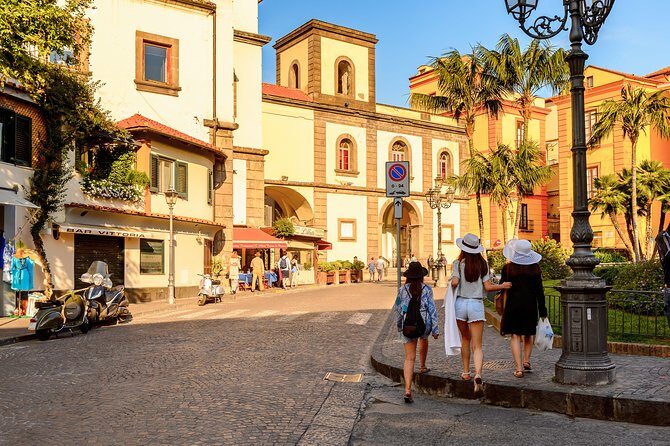
The big win is the logistics: pickup and drop-off from Naples area locations (and towns along the Sorrento and Amalfi Coasts) and a car ride that keeps you sheltered from the morning chaos. If you’re coming from a hotel or cruise port area, the fact that someone meets you at the pickup point removes a lot of stress.
Then there’s the skip-the-line part. It doesn’t magically erase lines everywhere, but it does cut down on the part of the day you can’t really enjoy—standing around while your legs and mood slowly deflate. Your schedule includes time on-site, so reducing waiting time matters.
One thing I like from the way this tour is set up: it’s flexible enough that your guide can keep you oriented and moving. In Pompeii, getting oriented fast makes the difference between seeing “rocks” and seeing real houses, streets, and public spaces with context.
If you're still narrowing it down, here are other tours in Naples we've reviewed.
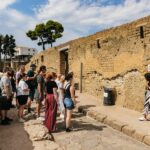
Pompeii with a guide: Forum, villas, and mosaics without the overwhelm
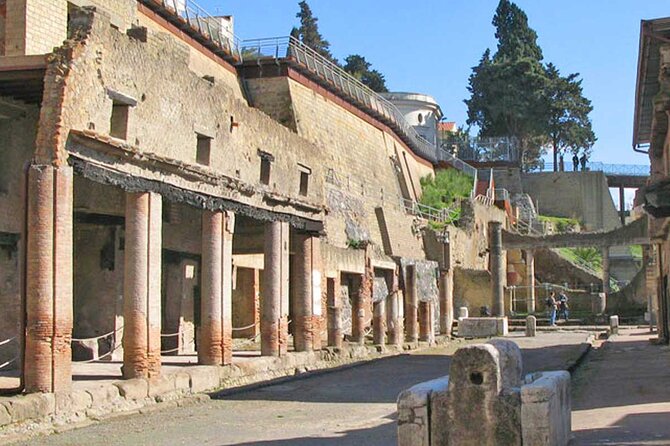
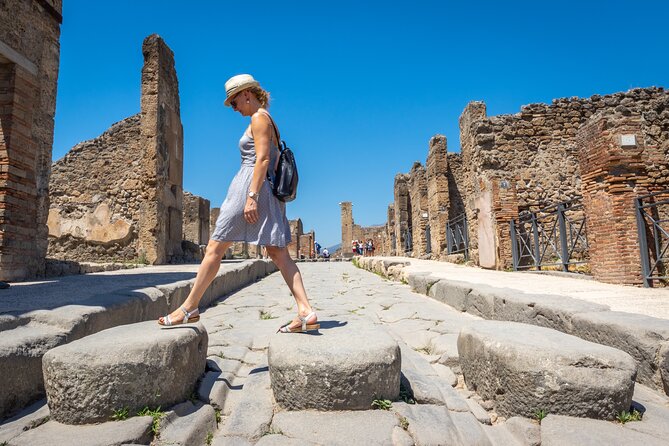
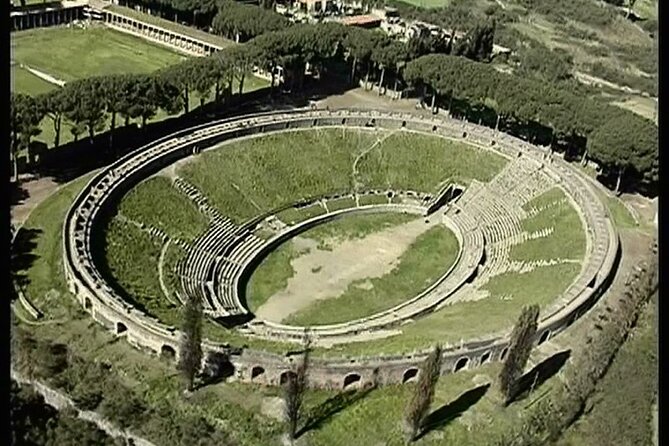
Pompeii is famous for a reason, but it’s also a trap for the unprepared. The site is enormous. Without a plan, it’s easy to walk a bunch and miss the places that tell the story.
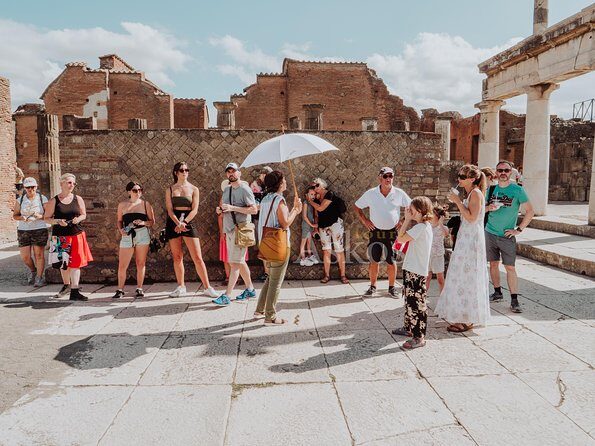
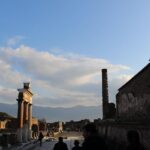
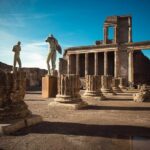
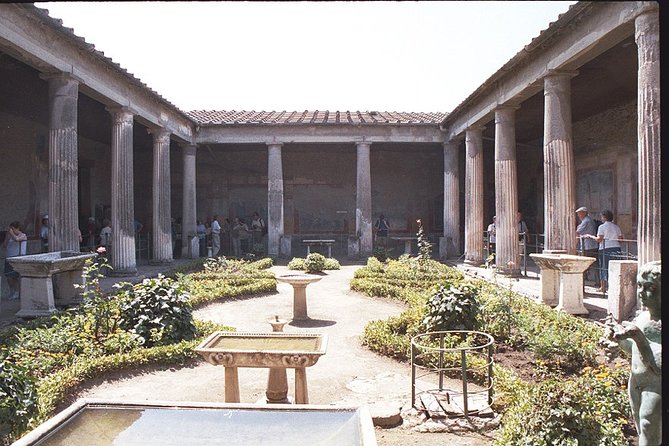
Here you get a professional guided walking tour with a focused route—about two hours in the Archaeological Park of Pompeii. The highlights are spelled out for you: the Forum, ancient villas, and mosaics. Those aren’t just random pretty things. They help you understand Pompeii as a lived-in city: politics and public life in the Forum, everyday comfort and wealth in the villas, and the artistry that made private spaces feel like home.
A good guide can also help you read the site. You’re not just looking at walls and columns; you’re learning what the spaces likely meant. That’s where the private format pays off. You can ask questions, and your guide can steer you around the busiest zones rather than forcing you to fight the crowd flow.
If you get a guide like the archaeologist-style storytellers some groups have reported—people such as Carmine, Enzo, or Anna—you’ll feel the difference quickly. One moment you’re hearing straightforward explanations, and the next you’re connecting details in the ruins to Roman daily life. That’s the kind of context that turns Pompeii from a checklist into a place you actually understand.
What to watch for at Pompeii
Because this is a fast-track route, you won’t see everything. That’s not a flaw—it’s the deal. If you want every alley, niche, and small chamber, you’ll likely need a longer self-guided day or an extra museum stop. Pompeii rewards time. This tour gives you high-impact time.
Herculaneum’s two-hour advantage: frescoes, homes, and less crowd pressure
Then the tour moves to Herculaneum (Ercolano). This is where you often feel your day “click” because Herculaneum is smaller and preserved in a different way. Instead of raw scale, you get a sharper sense of how rooms looked and how people lived inside them.
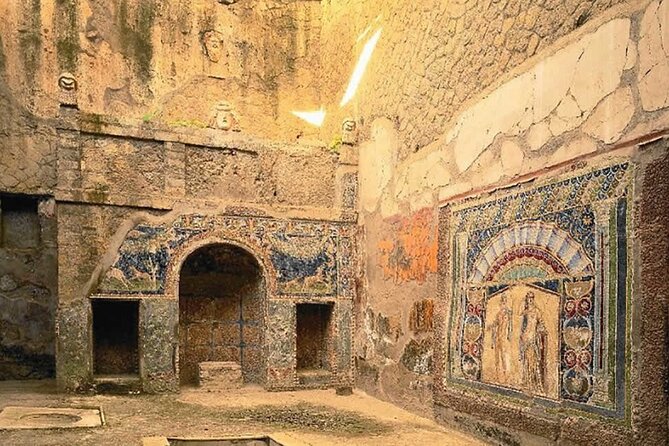
Your time here is also about two hours, and the emphasis is on beautifully preserved elements: homes, frescoes, and public buildings. That preservation matters. In Pompeii, many things are more exposed to time. In Herculaneum, you can see the city as something that feels closer to intact life—painted walls, detailed layouts, and a more intimate sense of neighborhood rhythm.
I also like the way this order can work. Starting with Pompeii gives you the big-picture setting: a major city with a wide range of buildings and public spaces. Then Herculaneum reframes the story with smaller, more human-scale details. Some guides even use that contrast to help you compare what you’re seeing, like how one site feels broader and the other feels more preserved.
If you’re someone who gets overwhelmed in large sites, Herculaneum is often the relief stop. It tends to feel calmer and easier to take in, even though it’s still a real archaeological park with walking involved.
The smart takeaway
If you only have one day, don’t skip Herculaneum. You may still feel the size of Pompeii, but Herculaneum can leave the stronger memory because it’s easier to visualize daily life inside Roman buildings.

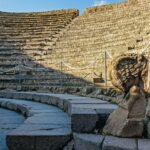
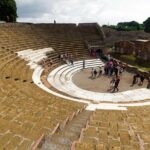

Cantina Del Vesuvio Winery: what you actually get (and what volcanic soil means)
The optional winery stop is at Cantina Del Vesuvio, part of the Russo family since 1930. You’re not just doing a quick sip-and-run. If you select the winery add-on, you’ll get a guided wine tasting of organic wines produced from rich volcanic soil—the soil tied to Mount Vesuvius’ landscape.
The tour provides a structured tasting menu with specific pairings. Even if wine isn’t your main obsession, this is useful because it keeps the stop organized and timed, which is exactly what you want on a day that also includes two archaeological parks.
A sample tasting flow includes:
- Welcome drink: Capafresca Spumante Rosé Extra Dry
- Tasting bites: extra virgin olive oil and a red wine vinegar condiment DOP, plus local cured items and breads
- Main course: spaghetti with Piennolo tomato and basil sauce
- Dessert: Pastiera Napoletana (ricotta, grain, candied fruit)
- Wine pairings: multiple Vesuvio Lacryma Christi DOC labels, including Classico Bianco, Rosato, and Rosso (and more for dessert)
The details are what I’d call practical value. Most people don’t want to guess what they should order or whether they’re getting a “real” meal or a snack. Here, the menu is mapped, and vegetarian and vegan options are available upon request.
One more thing I like: they connect the wine to place. Volcanic soil is one of those facts that can sound like wine-nerd trivia. But when a producer ties it to the area’s identity—what grapes taste like in that specific environment—you get a better story to take home.
Winery reality check
This is still a fixed schedule stop. If you’re the type who wants long lingering conversations in a tasting room, you might wish you had more time. But if you want a well-paced day that adds something local without derailing Pompeii and Herculaneum, this works.
Lunch timing: included only with the winery option

There’s a clear fork in the road here. This tour offers free time for lunch in a local restaurant or winery, but that depends on which option you choose.
If you select the Cantina Del Vesuvio add-on, the tour includes a traditional lunch there. The meal can include wine pairing as part of the experience, with a tasting that includes five Vesuvio Lacryma Christi DOC wine selections paired with the lunch.
If you do not choose the winery option, you’ll still get time built into the day for lunch, but you’d handle it yourself (the tour notes that lunch in this case is at your own expense).
How to choose lunch on a day like this
If you’re short on time and you want one “easy” plan for food, choose the winery option. It removes the decision fatigue and keeps the schedule smooth.
If you’d rather eat somewhere specific—maybe a neighborhood restaurant in Naples—skip the winery add-on and use the free time to hunt for a meal that fits your tastes.
Either way, plan for a full day. You’ll be walking at both archaeological sites, and you don’t want lunch decisions to create stress during peak hours.
Price and value: where the money goes on a private day
At $493.71 per person, this isn’t a budget tour. But for a private, 7–9 hour day, it’s in the category where you’re paying for coordination: the car pickup, the driver, the guide(s), and the time-savings built around tickets and site access.
What you’re getting with the tour as provided includes:
- Fuel surcharge and local taxes
- Driver and local guide
- Hotel/port pickup and drop-off
- Skip-the-line tickets
- Wine tasting and traditional lunch at Cantina del Vesuvio only if selected
The value question really comes down to your priorities. If you’re the kind of traveler who wants to understand what you’re seeing, a strong guide can be worth real money at Pompeii and Herculaneum. Pompeii in particular can chew up time and attention. A private plan helps you spend your energy on the best pieces instead of chasing your own route.
Also, if your day is limited—especially with a cruise port schedule—this kind of organized return timing matters. Some people have praised how easy pickup and drop-off felt, with enough buffer to make it back comfortably.
The one value trap to avoid
Double-check what’s included for your exact option. The winery tasting and lunch are not included unless you pick that add-on. It’s an easy checkbox decision, but it changes the day’s cost-and-value math.
Who this private Pompeii and Herculaneum tour fits best

This is a good match if you want:
- A private experience where your guide can manage pace and questions
- A structured day that hits Pompeii and Herculaneum without turning into logistics roulette
- High-impact sightseeing if you don’t have many days in the area
It also makes sense for groups where someone else in your party might appreciate reduced stress. A private guide can help the history feel understandable, and the day can feel less exhausting because you’re not constantly figuring out what to do next.
Guides on this route are often archaeologist-type storytellers. Some groups have specifically mentioned guides such as Carmine and Barbara, and drivers like Alfonso, Chido, and Enzo. I can’t promise which names you’ll get, but the pattern is consistent: people tend to care about what’s in front of them, and they know how to explain it clearly.
Who might think twice
If you want to wander slowly and stop for long stretches without a plan, this fast-track structure may feel limiting. You can still enjoy it, but you won’t get unlimited time for every side area.
Also, if you have mobility constraints, note the tour states moderate physical fitness and that passengers must be able to independently get in and out of the vehicle. If you need assistance, having a companion to help is advised.
Before you go: practical tips that make the day smoother

Start with the basics. Bring comfortable walking shoes and water. Pompeii and Herculaneum are outdoor sites, so shade and cooling will be your friend when the weather turns.
Wear layers if you visit in shoulder season; archaeological sites can swing from cool mornings to warm afternoons fast. If you’re visiting in peak heat, plan your day mindset like this: you’ll want the guide to keep the flow, you’ll want your breaks when offered, and you’ll want to keep your energy for the highlights.
Also, consider adding one extra Naples stop if you love artifacts. One of the most common “afterthought” ideas from people who do Pompeii well is visiting the National Archaeological Museum in Naples for artifacts tied to Pompeii. The tour can be a great first hit, and the museum can extend what you learned.
Should you book this Pompeii and Herculaneum private tour?
I’d book it if you have limited time and you want the day to feel guided, efficient, and genuinely meaningful. The combination of Pompeii + Herculaneum in one outing is strong, and the skip-the-line approach reduces the parts of travel you can’t enjoy.
Choose the winery add-on if you want an organized meal with wine pairings that match the volcanic Vesuvio theme. Skip it if you’d rather eat on your own schedule.
If you’re debating this versus going independently, go with this tour if you want less guessing and more understanding. Pompeii is too big to “wing” well unless you’ve got a lot of time. This tour gives you the best chance to see the story, not just the stones.
FAQ
How long is the tour?
It runs about 7 to 9 hours.
Is this experience private?
Yes. It’s a private tour, and only your group participates.
Do you offer pickup from Naples?
Yes. Pickup is offered from locations in Naples, and also from towns along the Sorrento and Amalfi Coasts.
Which archaeological sites do you visit?
You visit the Archaeological Park of Pompeii and the archaeological park of Herculaneum (Parco Acheologico di Ercolano).
What does the Pompeii part focus on?
The Pompeii stop includes key highlights like the Forum, ancient villas, and mosaics.
What does the Herculaneum part focus on?
Herculaneum includes preserved homes, frescoes, and public buildings, with emphasis on Roman life as shown by what survived from 79 AD.
Is admission included, and do you skip the line?
The tour includes admission tickets and skip-the-line access is listed as part of the included features. You’ll still want to confirm details at booking so everything matches your selected option.
Is the winery tasting and lunch included?
Wine tasting and lunch at Cantina del Vesuvio are included only if you select that option. Otherwise, lunch would be on your own during the free time provided.
What’s included in the Cantina Del Vesuvio winery tasting?
The tasting includes a guided wine tasting paired with items such as an olive oil and vinegar condiment tasting, antipasto, a main course of spaghetti with Piennolo tomato and basil sauce, and dessert (Pastiera Napoletana). Wine pairings are included as part of that menu flow.
What’s the cancellation policy?
You can cancel for a full refund up to 24 hours in advance. If you cancel less than 24 hours before the start time, the amount paid is not refunded.