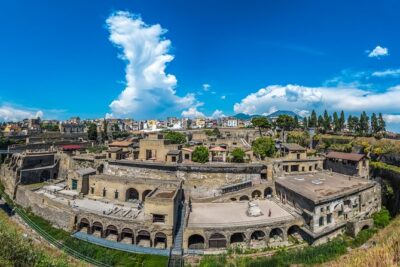
Herculaneum still feels shockingly real. On this small-group guided tour, you walk the UNESCO ruins of Herculaneum (Ercolano) and get a human-scale view of how people lived when Vesuvius buried the town in 79 AD, with a certified guide and an archaeologist in your group.
What I love most are the surviving rooms and street layout you can actually stand beside—doors, walls, and even fresco colors—and the way the guide connects each stop to daily routines, from baths to civic life. The only drawback to plan for is that the Herculaneum park entrance fee is extra (it’s not included in the tour price), and you’ll also be doing short stretches of walking and steps.
In This Review
- Key highlights you should care about
- Why Herculaneum feels different from Pompeii
- What you’re paying for: $34.84 plus the €16 park ticket
- The 2-hour route: small group pacing that doesn’t rush the meaning
- Entering Parco Acheologico di Ercolano: streets, houses, baths
- The ancient waterfront: terrace views and the beach line
- Casa dei Cervi: the House of Deer and its status
- The House of the Wooden Partition: why room layout mattered
- Casa di Nettuno e Anfitrite: mosaics with a sea theme
- Casa Sannitica and the decumanus maximus: older roots and main-street power
- College of the Augustales and Casa d’Argo: religion and imagination
- Salone della Barca di Ercolano: the charred boat story
- Who this tour fits best (and who should reconsider)
- Should you book Secret Herculaneum: The Hidden Treasure of Ancient Roman Civilization?
- FAQ
- How long is the Secret Herculaneum tour?
- What is the price, and does it include the entrance ticket?
- Where does the tour start and end?
- How many people are in a group?
- Is the tour offered in English?
- Do I need a printed ticket?
- Is the site suitable for most travelers?
- What about wheelchair access?
- What happens if the weather is poor or I need to cancel?
Key highlights you should care about
- A compact, walkable UNESCO site where houses and civic buildings are still standing in recognizable form
- Inside-the-houses storytelling, not just exterior views, so you understand the purpose of rooms
- Big-name artifacts in small moments, including mosaics and the charred boat pavilion
- A very small group cap (10 people), which makes questions actually possible
- English-language guide plus an archaeologist, so details don’t stay vague
- Multiple house styles and status levels, from merchant homes to older dwellings
Why Herculaneum feels different from Pompeii
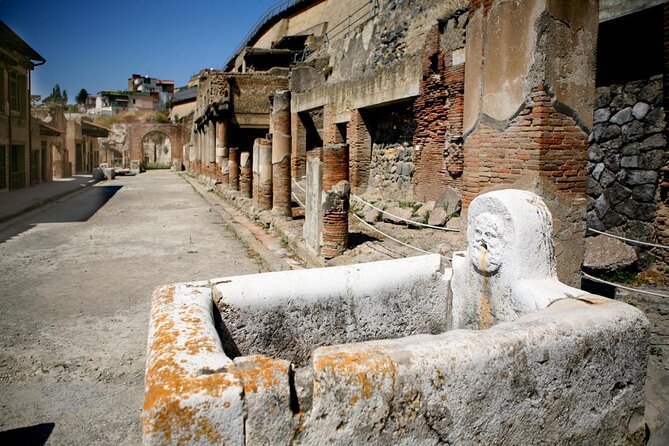
Herculaneum is often compared to Pompeii, and for good reason: both were hit by Vesuvius in the same 79 AD catastrophe. But Herculaneum tends to land differently because the town is less sprawling. You can cover a meaningful chunk of it without feeling like you’re doing a forced march across endless blocks.
The result is a visit that feels more “complete.” Instead of only imagining how rooms once connected, you can stand in places where the urban structure is still legible—street corners, thresholds, and building layouts. Even the small details matter here. It’s the kind of site where a guide’s pace helps: you get time to notice doorways, floors, and what each room likely meant for daily life.
If you're still narrowing it down, here are other tours in Naples we've reviewed.
What you’re paying for: $34.84 plus the €16 park ticket
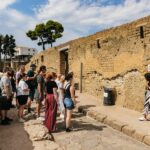
The tour itself is priced at $34.84 per person for about 2 hours, and what you’re really buying is the human layer: a certified guide and an archaeologist who can explain what you’re looking at and why it matters. That’s not the same thing as paying for plain entry.
The important catch is that the archaeological park entrance fee is not included. You’ll pay €16.00 per person for the Parco Acheologico di Ercolano admission. So your total outlay is the tour price plus that entry fee.
Is it still good value? For most people, yes—because you’re not just walking around. You’re getting an informed route through the places that visitors often miss when they go alone, including the specific houses tied to famous artworks and the “Roman daily life” context that makes the stones feel like a town again.
The 2-hour route: small group pacing that doesn’t rush the meaning
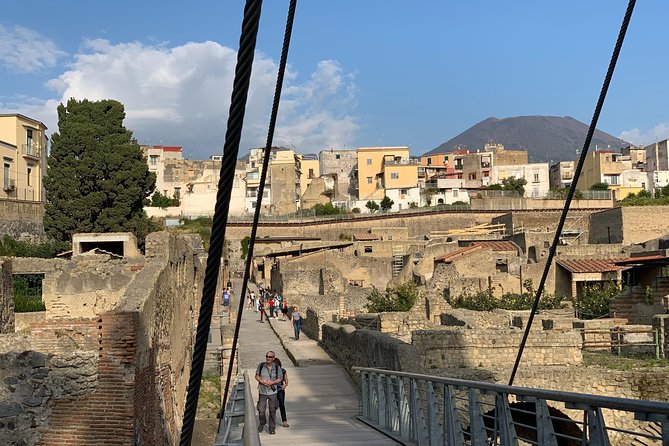
This experience is built around a tight loop through the park. The stops run in short segments (around ten minutes each), and the group size caps at 10 travelers, which matters more than you’d think. In smaller groups, your guide can slow down when something catches your eye, and you’re less likely to feel lost behind a crowd.
You’ll also start and end at the Herculaneum Ticket Office area in Ercolano, so you’re not figuring out a puzzle of meet-up points at multiple entrances. The tour uses a mobile ticket, and confirmation arrives at booking.
One practical note from real-world experience: make sure you check in correctly at the start. When a few people weren’t ready, it caused a noticeable delay for the rest of the group. Arriving a bit early keeps your whole visit on schedule.
Entering Parco Acheologico di Ercolano: streets, houses, baths
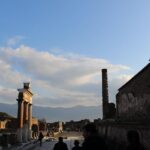
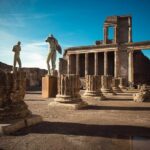
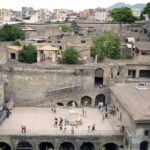
The tour begins in the Parco Acheologico di Ercolano, where the city was buried by Vesuvius and later uncovered. The guide’s job is to help you read what you’re seeing: this isn’t “ruins as rubble.” It’s a city where doors, walls, and rooms are still sharply visible.
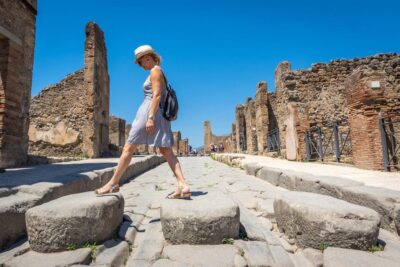
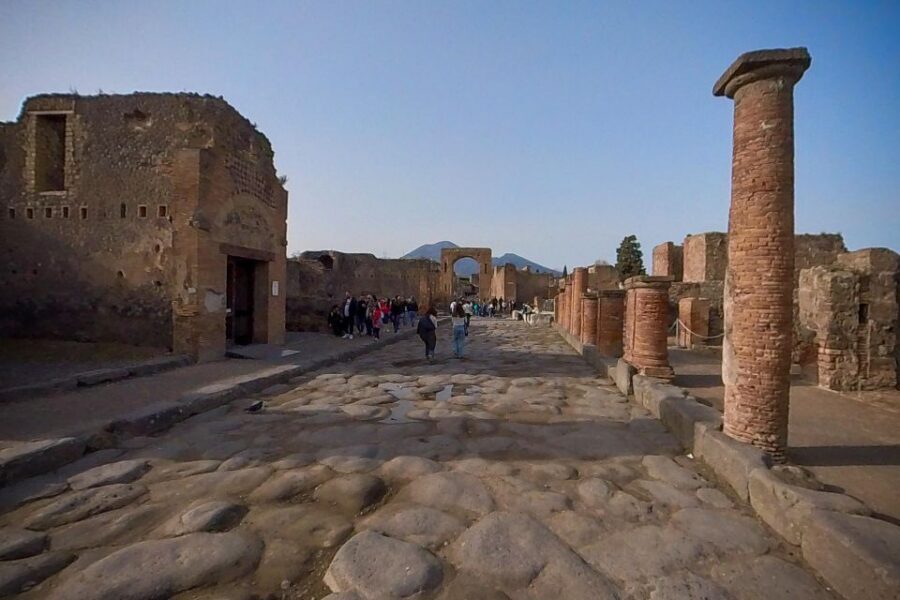
A strong part of this opening segment is the walk along the paved streets. You’re shown how the layout shaped movement and everyday routines. The tour also highlights spaces tied to public and semi-public life—especially the gymnasium and the baths—where people gathered to talk about everything from business to politics. That’s the shift you want: from looking at stones to understanding social life.
If you’re sensitive to sound, plan for it. Some guides are animated and loud; others may speak more softly. On one tour, a guest mentioned the guide’s voice was a bit low for easy listening. If hearing is important for you, try to stand where you can see and hear clearly, and ask questions when you have them.
Wheelchair use needs advance notice (24 hours before the visit). And for everyone else, wear solid shoes. Even though the route is compact, the site includes uneven ground and stairs in places.
The ancient waterfront: terrace views and the beach line
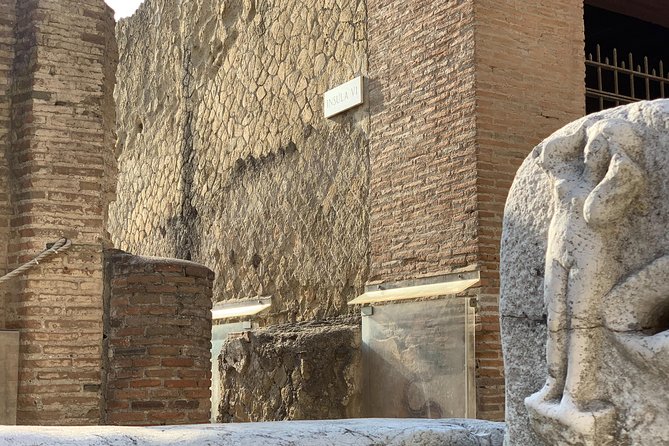
After the main park areas, the route includes a stop at the “ancient beach,” the waterfront edge of a Roman city that—remarkably—was preserved along much of its shore line. This is where Herculaneum changes mood. You start thinking about trade, daily errands, and how coastal access shaped wealth and employment.
Then you’ll head to La Terrazza di M. Nonio Balbo, a terrace tied to Marco Nonius Balbo, one of the city’s prominent citizens and patrons. The terrace connection matters because it turns a viewpoint into a social statement. A vantage like that wasn’t casual. It was how status looked out over the sea.
Casa dei Cervi: the House of Deer and its status
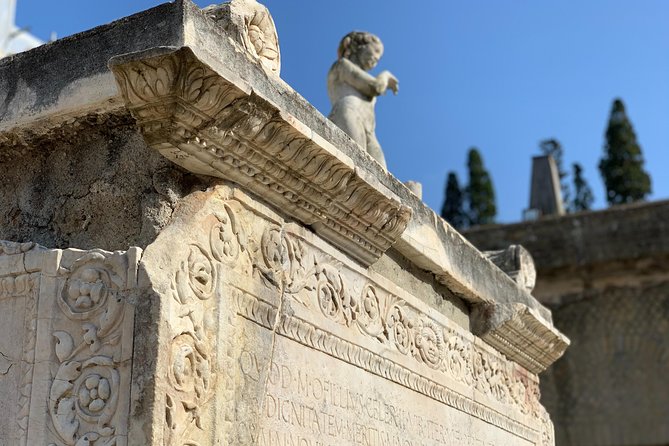
One of the standout stops is Casa dei Cervi—the House of Deer. The name comes from two marble groups showing deer attacked by dogs. That kind of sculpture isn’t just decorative. It’s a message about taste, wealth, and what the household wanted to show to visitors.
What I like about this stop is that it gives you a concrete anchor. You can point at the artwork and then ask the guide the bigger question: what does it tell us about the people who lived here? When a guide connects luxury objects to daily living and social display, the whole tour stops feeling like a checklist and starts feeling like a story.
The House of the Wooden Partition: why room layout mattered
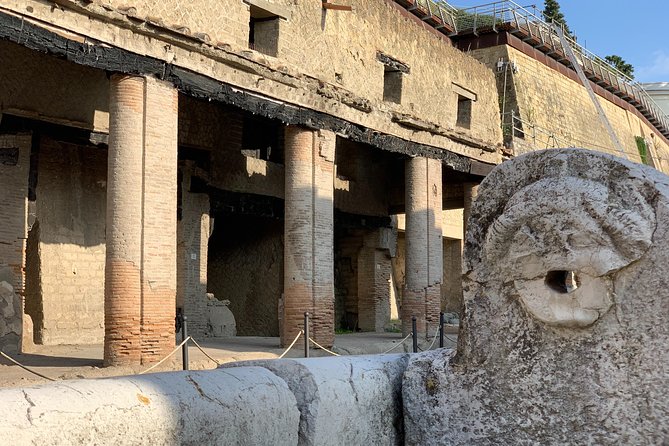
Next is Partem Domus lignea, known as the House of the Wooden Partition. It’s named for a folding wooden structure that separated the atrium from the tablinum (the homeowner’s study).
This is a great stop for anyone who likes “how did it work” details. You’ll see the physical logic of Roman domestic space: rooms could function differently depending on visitors, events, and who needed access. In other words, the layout wasn’t only architecture—it was routine.
Casa di Nettuno e Anfitrite: mosaics with a sea theme
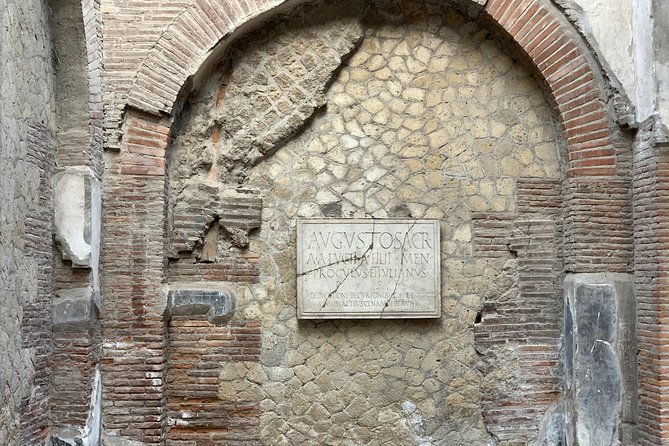
In Casa di Nettuno e Anfitrite, you’ll focus on a merchant’s home and a famous mosaic showing Neptune and Amphitrite. A mosaic like this does more than decorate. It signals the identity and interests of the household, especially in a port-adjacent town where trade and seafaring ideas would have felt close to everyday life.
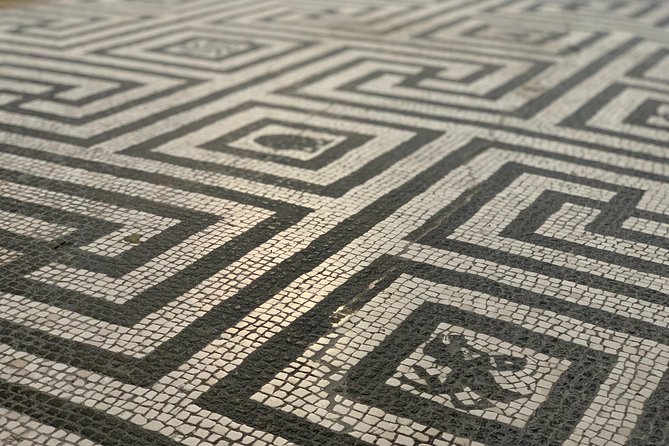
If mosaics are your thing, keep your eyes up and close. Small patterns, figures, and placement can change the meaning of a scene. The guide’s job here is to show why the subject choice matters in context.
Casa Sannitica and the decumanus maximus: older roots and main-street power
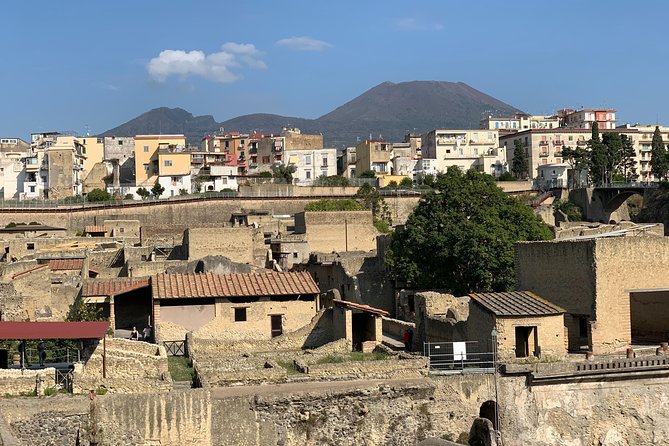
The route includes Casa Sannitica, often described as one of the most popular and among the oldest dwellings on the site. It’s a reminder that Herculaneum wasn’t all “late-stage wealth.” There were older layers of life here, and seeing a home that represents earlier roots adds balance to the more showy properties.
Then you’ll walk the decumanus maximus, the main street of Roman cities. In Herculaneum, this was where prestigious homes lined the way. This is where the tour becomes very readable: you understand why the street mattered, and you see how architecture and power lined up along it.
College of the Augustales and Casa d’Argo: religion and imagination
The College of the Augustales focuses on a Roman worship space connected to imperial-era rites, tended by priests. The point isn’t only what the building looked like. It’s why a city would dedicate a formal setting to emperor worship and ritual duties.
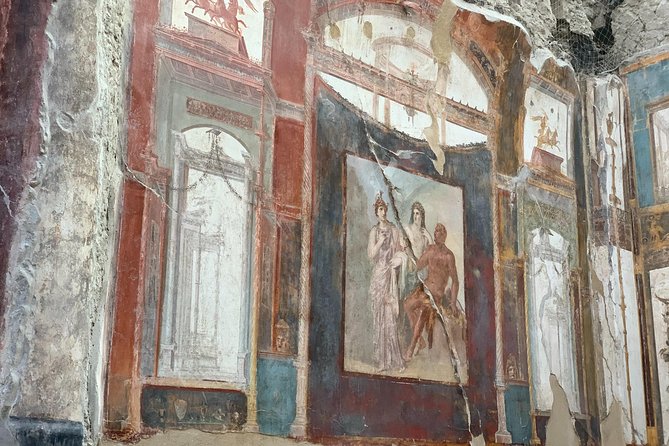
Then comes Casa d’Argo, named after a now-disappeared fresco that showed Argo Panoptes, the giant with a hundred eyes. Even though the image is gone, the story around it gives you a sense of what the household wanted to project—watchfulness, myth, and a visual vocabulary that felt at home in Roman culture.
Salone della Barca di Ercolano: the charred boat story
The final big emotional moment is the boat pavilion, Salone della Barca di Ercolano. Here, a charred boat found along Herculaneum’s beach during excavations (in 1981) is preserved.
This stop hits differently because it turns catastrophe into evidence. You’re not just learning about eruption effects in general—you’re seeing a specific object connected to the waterfront. It’s the kind of artifact that makes people stop talking and start thinking.
If you’re choosing between sites in the region, this is also a reason to pick Herculaneum for your day. You’ll walk away with at least one image that feels uniquely tied to this town.
Who this tour fits best (and who should reconsider)
This is a strong pick if you want:
- A short, focused way to see Herculaneum without getting lost in self-directed guesswork
- A guide who can explain how houses, streets, baths, and civic life connect
- A smaller, more manageable Roman ruin day than Pompeii
It may be less ideal if:
- You want lots of free time to roam without a timed route. This tour is structured, with short stop windows.
- You need step-free access. Wheelchair use is possible with advance reporting, but the park includes terrain and steps.
Should you book Secret Herculaneum: The Hidden Treasure of Ancient Roman Civilization?
If you like Roman history that feels physical—floors under your feet, room layouts, mosaics you can actually see—book it. The combination of a certified guide plus an archaeologist, a 10-person cap, and the focus on specific houses makes it a smart use of limited time in the Ercolano area.
Also, do the simple homework: add the €16 park entrance into your budget, bring sturdy shoes, and arrive ready to check in. If you want the best experience with sound and comfort, stand where you can clearly hear your guide, and ask questions early rather than waiting until the end.
If you’re choosing Herculaneum over Pompeii for the day, this tour is one of the more efficient ways to understand why Herculaneum often lands as the more haunting, human-sized ruin visit.
FAQ
How long is the Secret Herculaneum tour?
It lasts about 2 hours.
What is the price, and does it include the entrance ticket?
The tour price is $34.84 per person. The park entrance fee is not included and costs €16.00 per person.
Where does the tour start and end?
It starts at the Herculaneum Ticket Office in 80056 Ercolano and ends back at the meeting point.
How many people are in a group?
The group size is capped at a maximum of 10 travelers.
Is the tour offered in English?
Yes, it’s offered in English.
Do I need a printed ticket?
No. The tour uses a mobile ticket.
Is the site suitable for most travelers?
Most travelers can participate, but you should be able to walk and handle steps/stairs, and wear good sturdy walking shoes.
What about wheelchair access?
Wheelchair use must be reported 24 hours before the visit.
What happens if the weather is poor or I need to cancel?
The experience requires good weather. If it’s canceled due to poor weather, you’ll be offered a different date or a full refund. You can cancel for a full refund up to 24 hours in advance.