REVIEW · NAPLES
Private Transfer: Naples to Sorrento with Pompeii Guided Tour
Book on Viator →Operated by IAMME IA! - Gray Line Amalfi Coast · Bookable on Viator
Pompeii and Sorrento in one tight plan. I like that you get door-to-door pickup in Naples plus an official-guided 2-hour walk through Pompeii’s key ruins, all wrapped into a short 4–5 hour window. You’ll also enjoy the air-conditioned private car and a drop-off in Sorrento at your exact address. The main drawback to plan for: Pompeii’s “highlights” format moves quickly, so you won’t have hours and hours to wander on your own.
This is one of those tours that makes sense when you want Pompeii without letting it eat your entire day. It’s also booked far in advance (about 80 days on average), which usually means people are using it as a smart connector between Naples and the Sorrento coast. If you’re sensitive to heat or long walking distances, you’ll want comfortable shoes and sunscreen ready—Pompeii doesn’t slow down just because you’re on a schedule.
In This Review
- Key things to know before you go
- How the Naples pickup and Sorrento drop-off really work
- Pompeii with an official guide: what you’ll see in 4–5 hours
- Archaeological Park of Pompeii: the overview that makes everything click
- Forum of Pompeii: the city’s center of daily life
- Temple of Jupiter (Capitoline Jupiter): big presence, scenic view
- Macellum: market life and the practical side of Roman worship
- Via dell’Abbondanza: the main drag of ancient Pompeii
- Stabian Baths: where routines played out by temperature
- Lupanar: the famous brothel and its gritty details
- Casa del Fauno: a major aristocratic house
- Teatro Grande: theaters built into the landscape
- Basilica: where business and justice happened
- Skip-the-line entry plus the official guide: why this combination is worth paying for
- Transportation, comfort, and luggage: the parts people forget
- The value question: what $492.76 per person buys you
- Who should book this (and who should consider another plan)
- A practical note about the feedback you might see
- Should you book this Naples–Sorrento Pompeii transfer?
- FAQ
- Does this tour include pickup in Naples?
- How long does the Pompeii guided part last?
- Are Pompeii admission tickets included?
- Is this a private tour or shared group?
- What language options do I have?
- What should I do about cancellation?
Key things to know before you go
Private, only your group — pickup and drop-off are tailored to your route, not a crowded bus shuffle.
Skip-the-line Pompeii entry — admission is included, and you’re not stuck at the main entrance.
2 hours with an official guide — you get the story with a real expert, not just plaques.
A “greatest hits” Pompeii route — you’ll see the Forum, baths, the main street, and major houses, but in short stops.
Door-to-door in Sorrento — you end right where you need to be, instead of “go figure it out” logistics.
How the Naples pickup and Sorrento drop-off really work

This is built like a true transfer, not a “meet me at a station and good luck” situation. In Naples, your driver meets you at the airport, port, train station, or your hotel with a board showing the lead passenger’s name. Because it’s private transportation, your timing is tied to your own itinerary, and you’re not sharing the ride with strangers who might be late.
Once you reach Pompeii, the rest of the day follows a clean flow: guided time in Pompeii, then back on the road to Sorrento. The payoff is the drop-off at your accommodation (or another location you choose). That matters in Sorrento, where streets can be confusing and taxis aren’t always the quickest solution when you’re carrying bags.
One small but important detail: you’re asked to provide the drop-off address in Sorrento at booking. Don’t leave this until the last minute—getting it wrong can turn a smooth plan into an awkward delay.
Other guided Pompeii tours we've reviewed

Pompeii with an official guide: what you’ll see in 4–5 hours
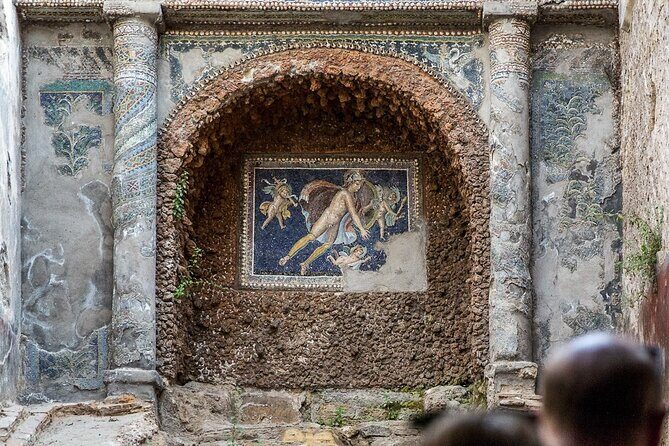
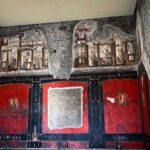
The Pompeii portion is designed to hit the big, high-signal areas fast. Your schedule includes 2 hours inside the Archaeological Park with an official guide, plus a sequence of short stops afterward. All admission ticket fees for the listed areas are included.
Here’s what that “greatest hits” route means on the ground—what you can expect to notice at each point, and why it’s worth your time.
Archaeological Park of Pompeii: the overview that makes everything click
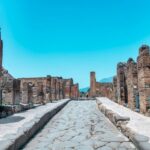
Your walk starts with the wider site introduction: after the 79 AD eruption of Mount Vesuvius, Pompeii was covered by lapilli and lava that preserved buildings and infrastructure. With a guide, you’ll get the context that turns scattered stones into a functioning ancient city.
This first chunk is where you learn the basics of layout, everyday life, and what you’re looking at. Without this part, Pompeii can feel like random ruins. With it, even quick photo stops start to make sense.
Forum of Pompeii: the city’s center of daily life
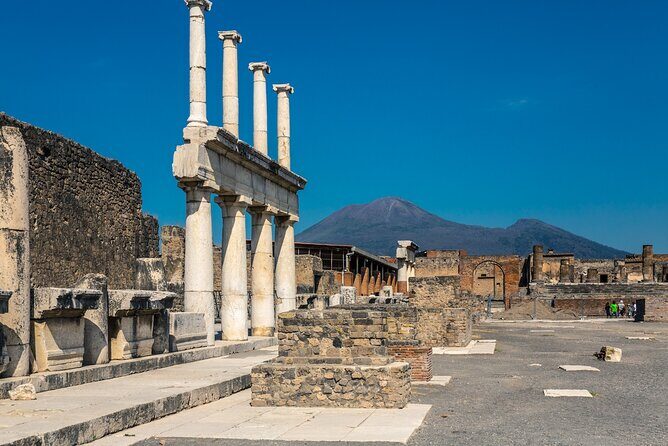
Next you’ll stop at the Forum, the core of public activity: civic administration, justice, business, trade, and places connected to worship. This is one of the easiest areas to understand quickly—because the buildings are set up to show you how people organized the city’s public life.
Spend a few minutes here and you’ll feel the “hub” effect: it’s not a memorial site. It’s the working heart of town.
Temple of Jupiter (Capitoline Jupiter): big presence, scenic view
The Temple of Jupiter dominates the north side of the Forum, and you’ll also notice the striking framing of Mount Vesuvius rising behind it. When the colony was founded in 80 BC, the temple was renovated and became a real Capitolium, with cult statues tied to Jupiter, Juno, and Minerva.
In a short stop, you won’t get deep architectural study—but you will get the dramatic sightline and the religious role of the space.
Other Pompeii + Sorrento tours
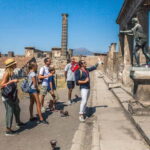





Macellum: market life and the practical side of Roman worship
The Macellum was a market complex—part elevated worship space, part economic activity. Even in a brief visit, it’s a good reminder that ancient religion and daily commerce weren’t neatly separated. The descriptions include how the building also tied into the imperial cult, and how spaces may have supported specific types of sales.
If you like “how people actually lived,” this is a strong pause point.
Via dell’Abbondanza: the main drag of ancient Pompeii
Via dell’Abbondanza is Pompeii’s main street, running east-west from the Forum area toward Porta Sarno. It was crowded—shops, workshops (officinae), snack bars, cafes, and restaurants for food and drink.
This is the moment to think less like a museum visitor and more like a pedestrian. Stand where the street lines up, imagine noise and foot traffic, and the city feels more real.
Stabian Baths: where routines played out by temperature
At the Stabian Baths (Terme Stabiane), you’ll see the logic of how people moved between bathing rooms—men’s and women’s areas had separate entrances, and the men’s section included spaces for dressing and baths at different temperatures (tepid to cold to hot). They were damaged by the earthquake of 62 AD, which helps explain why some structures look the way they do.
Short stop or not, baths give you a very “human scale” view of everyday routine.
Lupanar: the famous brothel and its gritty details
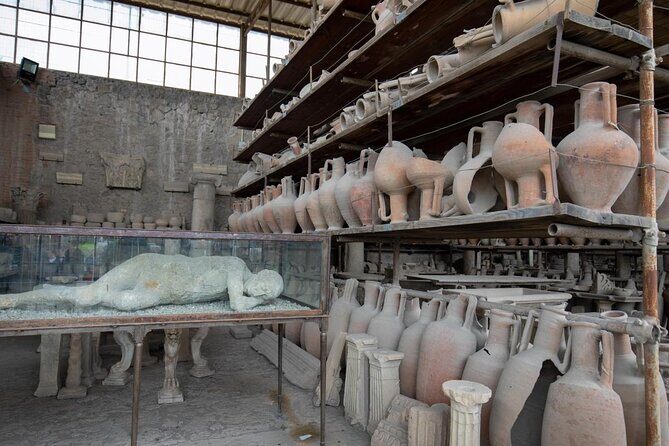
The Lupanar is one of Pompeii’s most talked-about sites for a reason: it’s an official brothel, and it’s known for preserved erotic frescoes above the doors, plus graffiti left by visitors. The descriptions also point to purpose-built design with small rooms and built-in masonry beds.
If that topic makes you uncomfortable, you can choose to keep it brief. If you’re curious about how society worked—beyond temples and theaters—this stop shows the blunt everyday reality of Roman life.
Casa del Fauno: a major aristocratic house
The House of the Faun is a large, impressive private residence, built during the 2nd century BC, with major artworks and evidence of elite status. It’s often noted as one of the most luxurious houses from the Roman Republic era.
In a short visit, you won’t absorb everything—but you can still sense scale, wealth, and how Pompeii’s elite lived.
Teatro Grande: theaters built into the landscape
The Large Theater (Teatro Grande) was built into a hillside area, with Roman-style seating shaped into sectors. It connected to Greco-Roman traditions for staged tragedies.
Even from a distance, you’ll feel the design logic—this wasn’t just a building. It was a staged experience shaped for visibility and audience flow.
Basilica: where business and justice happened
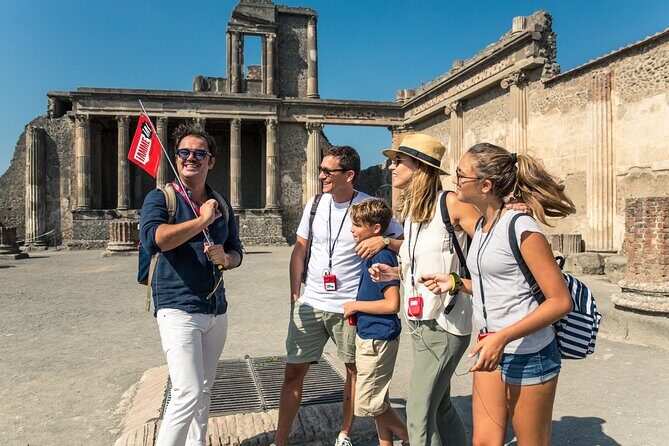
Last on the list is the Basilica, with large interior space used for business and administration of justice. It was one of the most sumptuous buildings in the Forum area.
This stop ties together what you saw at the Forum: the city’s rules, commerce, and civic identity all in one place.
Skip-the-line entry plus the official guide: why this combination is worth paying for
You’re paying for time control. With skip-the-line entrance fees included, you avoid one of Pompeii’s most common slowdowns. And with an official local guide, you’re not stuck guessing what you’re looking at when you’re moving past major sites every few minutes.
That matters because this tour is compact by design. You’re not touring Pompeii leisurely for half a day. You’re getting a guided route that prioritizes the highest impact areas so you can still reach Sorrento the same day.
Transportation, comfort, and luggage: the parts people forget
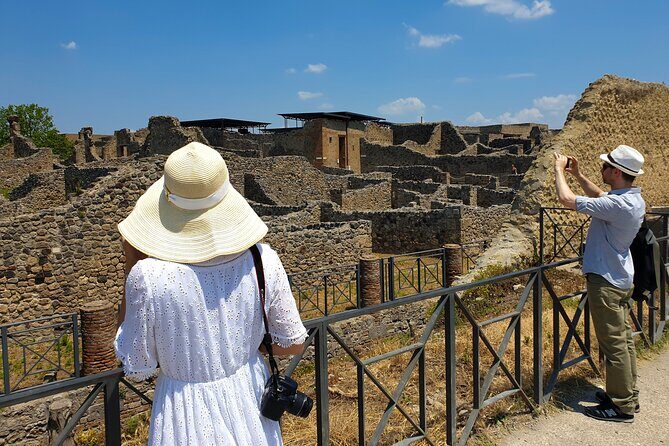
The tour includes a private, air-conditioned vehicle with luggage space. You can bring 1 medium or big suitcase per passenger seat, plus a small item (camera bag/laptop/shoulder bag). Since vehicle capacity can vary, the guidance asks you to double-check with the local supplier.
Plan your clothing with real-world Pompeii in mind: it’s outdoors, and in summer it can get extremely hot. Sunscreen and comfortable shoes aren’t optional-style suggestions—they’re what keep this from becoming an endurance test.
The value question: what $492.76 per person buys you
At $492.76 per person, this isn’t a “cheap transfer.” The value comes from the combination of four things you’re unlikely to replicate cheaply in one package:
- Private round-trip driving between Naples and Sorrento
- Official local guide for your Pompeii walk
- Admission ticket coverage for the areas you visit
- Skip-the-line entry so you lose less time at the gate
If you’re splitting this cost among multiple people, it can feel much more reasonable. If you’re traveling solo or as a couple and want maximum time in Pompeii, you might price-compare against other formats. But if your goal is efficiency—Pompeii highlights with a real guide, then off to Sorrento—this pricing strategy starts to make sense.
Who should book this (and who should consider another plan)
This tour fits you best if:
- You’re moving between Naples and Sorrento and want Pompeii without extra complexity
- You prefer an official guide to help you understand what you’re seeing quickly
- You don’t want to spend the whole day organizing transportation and entry logistics
It may be less ideal if:
- You want deep, slow exploration of Pompeii with lots of free time
- You’re hoping for a long lunch break built into the schedule (lunch and beverages are not included)
- You’re traveling with very limited walking tolerance, since Pompeii involves repeated short walks between sites
A practical note about the feedback you might see

The overall rating shown for this experience is 4.2 out of 5 from 40 reviews. The detailed review text included with your request appears to focus heavily on a different kind of outing (Capri boat-day style comments). So I’d treat those specific details as unrelated to the Pompeii transfer and stick to the Pompeii-focused facts in the itinerary details above.
Should you book this Naples–Sorrento Pompeii transfer?
I’d book it if you want Pompeii to feel clear and meaningful without turning your day into a logistics headache. The strongest reasons are door-to-door transfers, an official guide, and skip-the-line entry—the combo that protects your time.
Skip booking (or switch to a longer Pompeii plan) if you want hours of independent wandering, or if you’re not comfortable with a schedule where most Pompeii stops are intentionally short.
If you do book: choose your Sorrento drop-off address carefully, pack sunscreen and comfortable shoes, and treat Pompeii here like a guided “highlights set.” You’ll get the essentials and still arrive in Sorrento ready to enjoy the evening.
FAQ
Does this tour include pickup in Naples?
Yes. Pickup is offered at the hotel, airport, train station, or port in Naples, and your driver will meet you holding a board with the lead passenger’s name.
How long does the Pompeii guided part last?
You get a 2-hour walking tour at the Archaeological Park of Pompeii with an official guide, plus additional shorter site stops afterward. The full experience is about 4 to 5 hours.
Are Pompeii admission tickets included?
Yes. Admission tickets are included for the listed Pompeii sites, and skip-the-line entrance fees are part of the package.
Is this a private tour or shared group?
It’s private. Only your group will participate, and you’ll have private transportation in an air-conditioned vehicle.
What language options do I have?
The Pompeii tour is operated in the selected language, and the driver will speak English or Italian.
What should I do about cancellation?
Free cancellation is available if you cancel up to 24 hours in advance for a full refund.