REVIEW · NAPLES
Herculaneum Guided Group Tour from Naples
Book on Viator →Operated by Worldtours · Bookable on Viator
If you want Rome’s past without the stress, this helps. A guided run through Herculaneum gives you a fast way to understand how a Roman town looked and felt when it was frozen in time.
I love the round-trip transport from Naples—you’re not juggling buses, taxis, or a rental car just to reach the archaeology. I also like that you get a local live guide (and it’s guaranteed with a minimum group size), which is what turns a set of ruins into a story you can follow.
The one caution: it’s a timed experience with a fair amount of walking, and some parts can feel strenuous in heat if you’re mobility-limited or sensitive to hot weather.
In This Review
- Key things to know before you go
- Naples to Herculaneum Without a Rental Car
- Entering Parco Acheologico di Ercolano and Why It’s Special
- The House Tour: Deer, Bicentenary, and Wood Sliding Panels
- What a Local Guide Adds (From Names to Style)
- Herculaneum vs Pompeii: The Comparison That Actually Helps
- Timing, Heat, and How to Prepare for a 3-Hour Run
- Price and Value: Is $82.06 Worth It?
- Logistics in Real Naples: Pickup Points and Real-Life Delays
- Who Should Book This Herculaneum Tour From Naples
- Should You Book This Herculaneum Tour or Pass?
- FAQ
- FAQ
- How long is the Herculaneum guided group tour from Naples?
- Does this tour include entrance tickets to Herculaneum?
- What pickup details do I get?
- Is the tour in English?
- What’s the group size and maximum number of travelers?
- Is lunch included?
- What happens if the weather is bad?
Key things to know before you go
- Naples pickup and drop-off: hotel/port service plus a clear meeting point at Starhotels Terminus.
- Skip-the-line included: you spend less time stuck at entrances and more time inside the site.
- Real Roman houses in short visits: you’ll see highlights in the House of the Deer, the House of the Bicentenary, and the wood-panel area.
- Group size stays controlled: max 40, with an upgrade option that can get you down to about eight people (extra cost).
- English-led, sometimes multilingual: English is offered, but some days may include additional languages in the group.
- Don’t underestimate summer conditions: a couple of people flagged heat, so plan like it matters.
Naples to Herculaneum Without a Rental Car
Herculaneum is close enough to Naples that a day trip feels practical, but far enough that DIY travel can eat your time. This tour handles the hardest part: getting you there and back on schedule with an air-conditioned minibus.
You start and end in Naples, with pickup from the city (including a specific meeting point at Starhotels Terminus, Piazza Giuseppe Garibaldi). Your exact pickup time and how to find the group get emailed about 24 hours after you book, so treat that message like your “ticket to ride.”
The timing is also built around keeping the visit focused. It runs about 3 hours, with about 2 hours spent at the main archaeological park. That means you’ll see the core highlights without spending half your day stuck in transit.
If you're still narrowing it down, here are other tours in Naples we've reviewed.

Entering Parco Acheologico di Ercolano and Why It’s Special
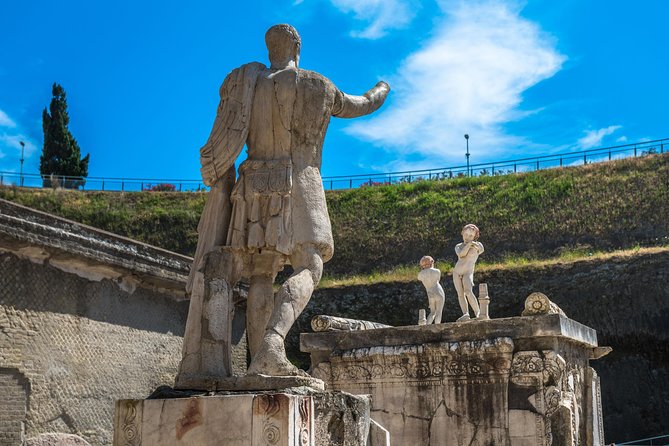
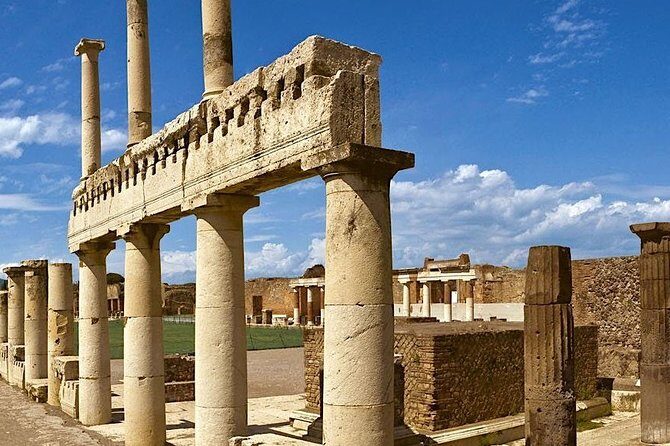
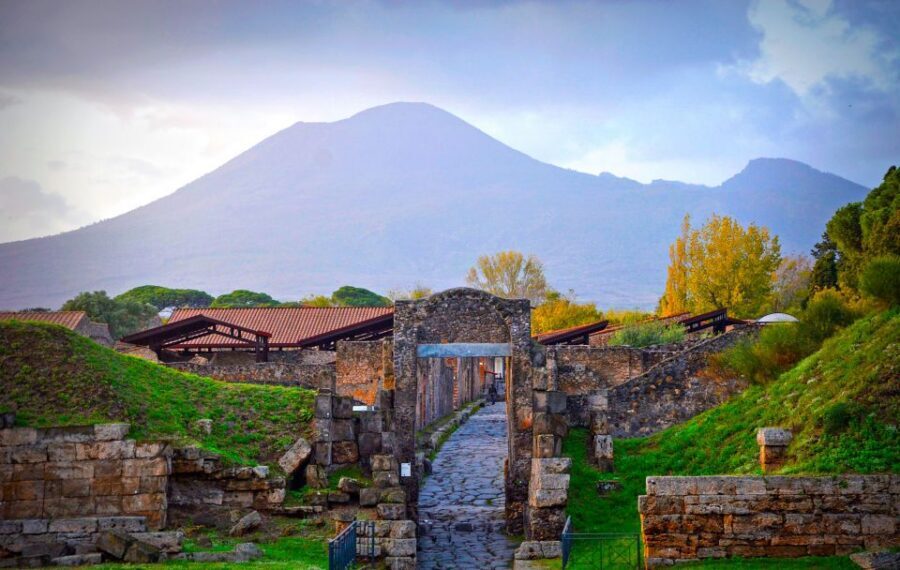
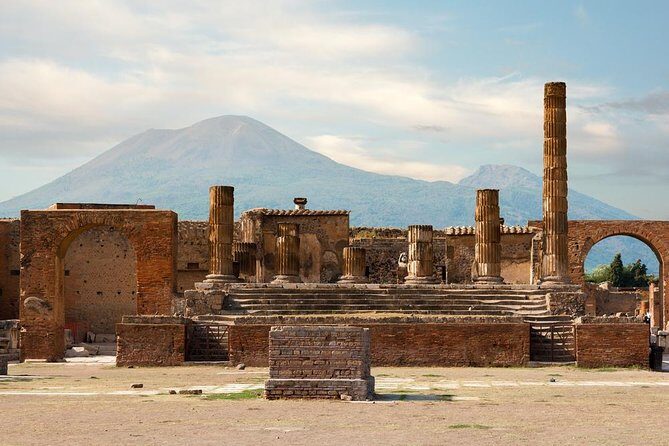
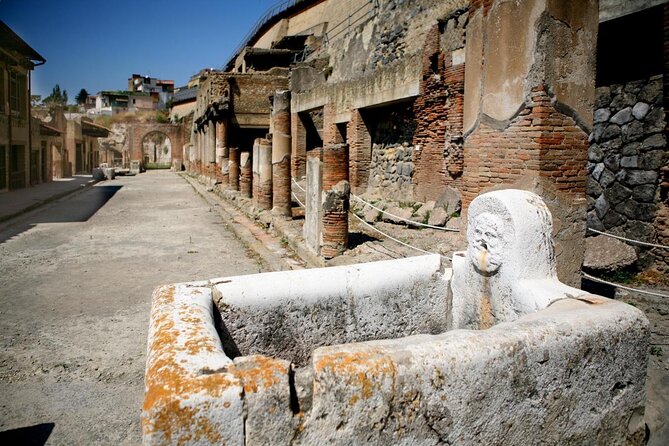
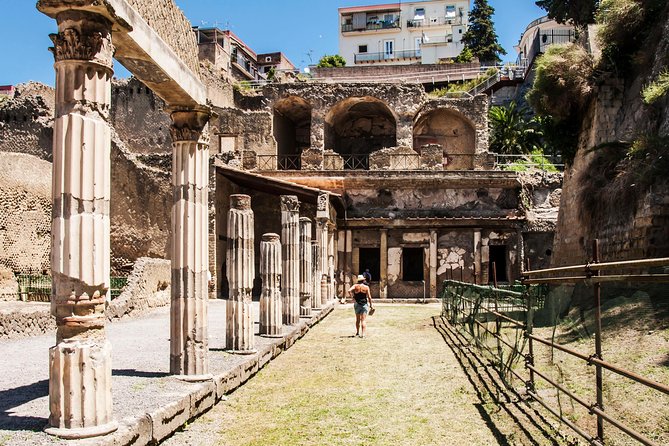
Parco Acheologico di Ercolano is the heart of Herculaneum. The site became famous because it was discovered in the 18th century, and since then it has revealed an astonishing Roman city preserved under layers of volcanic material.
When you arrive, the value of a guided approach hits quickly. Herculaneum is not just “more ruins.” It’s a whole neighborhood preserved in a compact area, and your guide helps you connect streets, rooms, and everyday objects into a coherent picture of life. If you’ve been to Pompeii and you’re craving something different, Herculaneum often feels more intimate because the scale is smaller.
Here’s what I think most people get out of the main park visit:
- You see how the town layout worked, instead of viewing structures as random buildings.
- You get context on what was found and what ongoing discoveries still add to the story.
- You learn why preservation quality at Herculaneum can feel almost surprising compared with what you might recall from Pompeii.
One real-world consideration: parts of Herculaneum are undergoing restoration. Some structures may look partly “recovered” rather than purely original, and that can slightly change the feel of what you’re seeing. It doesn’t ruin the experience, but it’s worth keeping in mind if you’re trying to visualize the city exactly as it once was.
The House Tour: Deer, Bicentenary, and Wood Sliding Panels
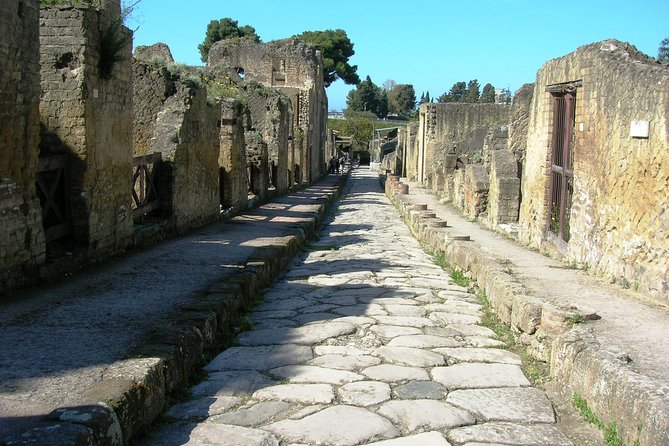
After the main park orientation, you’ll make quick stops in standout houses. These are not long museum-style hangs; they’re short, high-impact visits designed to show you what makes Herculaneum famous.
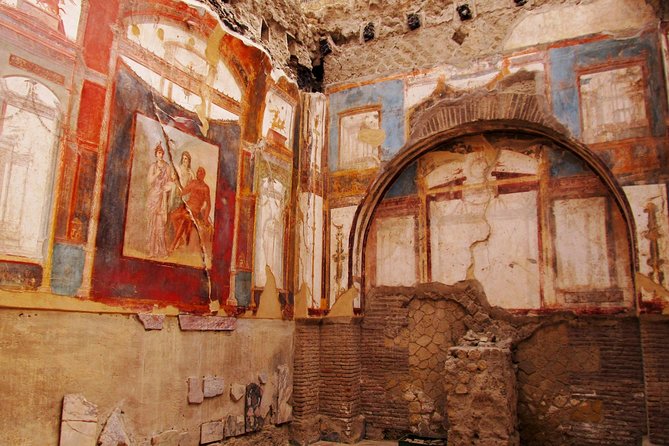
Casa dei Cervi (House of the Deer) is first, usually around 15 minutes. The highlight here is the way certain rooms and spaces are interpreted through the finds. Even in a short stop, a guide can point out what makes this house different—layout clues, craftsmanship details, and the kind of everyday life evidence that makes Herculaneum so compelling.
Then you move to Casa del Bicentenario (House of the Bicentenary) for about 10 minutes. This one is brief, but the point is momentum: you’re building a picture of domestic life in a town, not just collecting single-room trivia.
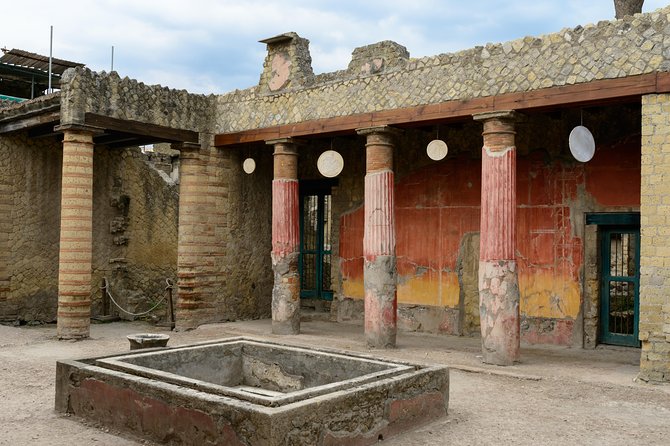
Last is Partem Domus lignea – Casa del Tramezzo di Legno, also around 10 minutes. The focus is on the wooden sliding panels area. This is the kind of architectural feature that helps you feel how Roman interiors worked—how spaces could change function, and how craftsmanship shows up in everyday construction.
These short house stops are a double-edged sword. On the plus side, you get several “wow” moments in a single session. On the minus side, if you love slow, photo-heavy wandering, 10–15 minutes can feel fast. If that’s your style, go in with realistic expectations: this tour is structured, not free-roam.
What a Local Guide Adds (From Names to Style)
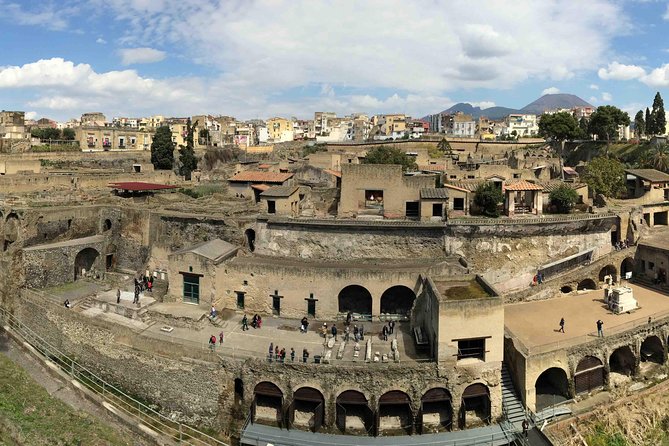
The biggest quality lever here is the guide. The offering lists a local archaeological guide, and the live guide is guaranteed with a minimum group size.
From past departures, English guides have included people like Lello, Axel, Carmen, Carmela, Rafaelo, and Alessio—and the common thread is that they focus on making the site make sense. You’re not just reading labels in multiple languages; you’re getting a narrated walk through how Herculaneum reveals Roman habits.
That said, guide delivery can vary. A few people flagged instances where English clarity depended on the day and where microphone/audio support wasn’t always used. If you rely heavily on hearing a guide (or you’re in the back of the group), you may want to position yourself closer to the front and keep your attention sharp at explanation time.
Also, if your group is multilingual, you may hear explanations repeated or split across languages. The tour can be implemented in up to two languages in a group, so if you booked specifically for English-only, it’s still fair to expect occasional bilingual flow.
Herculaneum vs Pompeii: The Comparison That Actually Helps
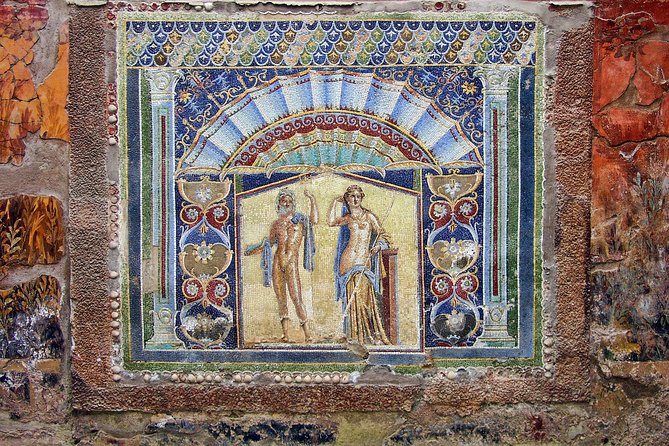
If you’ve been to Pompeii, this trip can sharpen what you remember. Herculaneum is generally closer to Naples and sits beneath the modern landscape, in a compact area that can feel more “embedded” in place.
One of the most helpful differences to understand before you arrive:
- Herculaneum can feel more like a snapshot of daily life.
- Some artifacts—down to items like jewelry and furniture—can appear beautifully preserved, making the period feel personal rather than just monumental.
You may also notice crowds are often less intense than what you might expect at Pompeii. That doesn’t mean it’s empty; it means you’re more likely to actually hear the guide and see details without constant bottlenecks.
The restoration factor matters again here. Pompeii is famously exposed, but Herculaneum’s preservation can be so good that restoration choices become visible. If you’re picturing a perfectly “original” city, you might feel a little jarred when new elements like added roof tiles appear in the mix. Still, the trade-off is that you’re getting a clearer window into real objects and rooms than many other archaeological experiences.




Timing, Heat, and How to Prepare for a 3-Hour Run
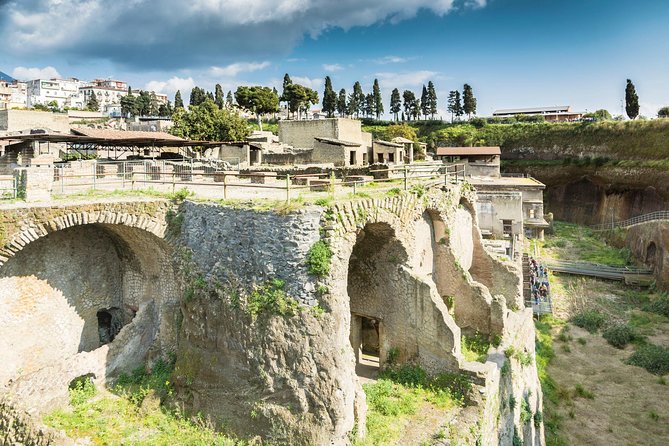
This is a fast-paced day trip. You’ll be on the clock from Naples pickup through the main park visit and the short house stops. About 2 hours inside the archaeological park is where most of the learning happens, so this is where comfort matters.
Heat came up in feedback. One person described conditions around 98 degrees, and felt that the 2-hour park portion was too long in that heat. Whether your day is mild or blistering, this is the preparation checklist I’d follow:
- Drink water before you board. Bottled water is included, but it’s smart to start hydrated.
- Wear sun protection. A hat and sunscreen make a big difference for longer ruin exposure.
- Bring something light you can layer. Sites can have shade patches, but you’ll still feel temperature swings.
Your physical fitness needs are listed as moderate. That usually means walking over uneven ground and moving with a group pace. If you have mobility concerns or a knee issue, plan to take it slow, and don’t be shy about moving toward the edge of the group during explanations so you’re not pressured by foot traffic.
Price and Value: Is $82.06 Worth It?
At $82.06 per person, value comes down to what’s included and how much hassle it saves you.
This offering includes:
- Round-trip hotel/port pickup and drop-off
- Air-conditioned transportation
- Bottled water
- Herculaneum entrance fee plus skip-the-line
- A local archaeological guide (with a live guide guarantee at the stated minimum)
For many people, the biggest value is time. Even if you could reach the site independently, you’d spend energy on sorting transport, timing entry, and finding your way once you arrive. Here, that work is handled for you.
You’re also paying for interpretation. These ruins can be impressive, but they’re easier to “read” when someone explains what you’re looking at—why certain rooms matter, what preservation means, and how discoveries connect to daily life.
The only time this price starts to feel less attractive is if you strongly prefer self-guided wandering, or if you’re the type who wants to spend hours inside one house. This is a highlight tour. If you want depth and time at each room, you may prefer a longer format or museum-style visit after.
If you want a more personal pace, there’s an option to upgrade for a small-group experience as low as about eight people (added cost). That can improve listening comfort in tight indoor house spaces.
Logistics in Real Naples: Pickup Points and Real-Life Delays
Naples is famously traffic-heavy. This tour includes multiple pickup points in Naples, and it emphasizes clear communication with pickup details sent after booking.
You’ll want to do three practical things:
- Save the pickup email and meeting instructions.
- Arrive a little early at your pickup point so you’re not negotiating mid-delay.
- Keep your phone handy for any updates.
Some experiences also reported pickup confusion tied to map links or meeting point changes, and at least one flagged a pickup being moved. To stay safe, treat the emailed meeting instructions as the source of truth and take a screenshot.
Finally, group tours move like group tours. There can be small waiting moments before departing, especially when multiple people are picked up from different spots.
Who Should Book This Herculaneum Tour From Naples
This is a good fit if you want:
- A guided alternative to DIY transport
- A structured way to see Herculaneum in a short window
- A Pompeii companion visit that focuses on daily life and preservation details
It’s also worth considering if you’ve already done Pompeii and you want a different feel—smaller scale, compact neighborhood layout, and often quieter viewing.
I’d be a little cautious if:
- You need a very slow pace and lots of time to linger
- You have limited mobility and heat sensitivity
- You expect English to be perfectly uniform for every moment (some groups can be multilingual)
Should You Book This Herculaneum Tour or Pass?
If your main goal is to see Herculaneum without logistics stress, I’d book it. The pickup-from-Naples setup plus skip-the-line entry is the kind of convenience that makes a short trip actually feel worth it, and the guide-driven storytelling is the real payoff.
If you hate structured tours and you want hours of unhurried wandering, this may feel tight. But if you’re traveling efficiently and you like learning as you go, this is a strong way to experience one of Italy’s most preserved Roman towns.
FAQ
FAQ
How long is the Herculaneum guided group tour from Naples?
It runs about 3 hours on average, with around 2 hours at Parco Acheologico di Ercolano and shorter guided stops at the houses inside the site.
Does this tour include entrance tickets to Herculaneum?
The offering includes the Herculaneum entrance fee and skip-the-line access. Still, it’s smart to double-check your confirmation details.
What pickup details do I get?
Pickup time and meeting instructions are sent by email about 24 hours after booking. The tour meets at Starhotels Terminus (Piazza Giuseppe Garibaldi, 91, Napoli) and ends back at the meeting point.
Is the tour in English?
English is offered. The tour may also be operated with a multi-lingual guide, and the group can include up to two languages.
What’s the group size and maximum number of travelers?
It can accommodate up to 40 travelers. There’s also an option to upgrade to a small-group experience, with as few as eight people (for an added cost).
Is lunch included?
No. Lunch is not included, but bottled water is provided.
What happens if the weather is bad?
The experience requires good weather. If it’s canceled due to poor weather, you’ll be offered a different date or a full refund.