REVIEW · NAPLES
Vesuvius – Herculaneum – Pompeii Excavations Tour
Book on GetYourGuide →Operated by Ncc Napoli Mutotravel · Bookable on GetYourGuide
The Vesuvius–Pompeii combo is a time machine. In one long day you hit three eruption-linked sites and end with a guided feel for how everyday Roman life worked. I like the mix of Vesuvius viewpoints plus ash-preserved streets that make the story click fast. The one drawback to flag up front: admission tickets aren’t included, so your final day budget needs a little planning.
This tour runs about 8 hours, with a pickup in Naples at a clear cruise-terminal meeting spot. If you’re short on time, it’s a practical way to see the big names without trying to puzzle out transport on your own.
I also like how the day is built around straightforward logistics: a chauffeur in a Mercedes comes to meet you, and at the end you’re taken back to where you met. With a 4.2 average rating across 9 reviews, the theme is consistent—organized, comfortable, and done at a pace that doesn’t feel like sprinting.
In This Review
- Key highlights to know before you go
- Why this “volcano + 2 ancient cities” day works
- Port of Naples pickup: finding Mutotravel fast
- Vesuvius: climb for the view over Pompeii and the bay
- Herculaneum: walking through the ash-preserved city
- Pompeii excavations: basilica, baths, temples, oven, and the Theater
- Money and admissions: why your real cost is slightly higher
- 8 hours on the clock: staying comfortable and not rushed
- Who this tour suits best
- Should you book the Vesuvius–Herculaneum–Pompeii tour?
- FAQ
- FAQ
- What stops are included on the tour?
- Where do I get picked up in Naples?
- How long is the tour?
- What’s included in the $95 price?
- Are admission tickets included?
- How does the tour end?
- Is free cancellation available?
Key highlights to know before you go
- Three sites in one day: Vesuvius, Herculaneum, then Pompeii
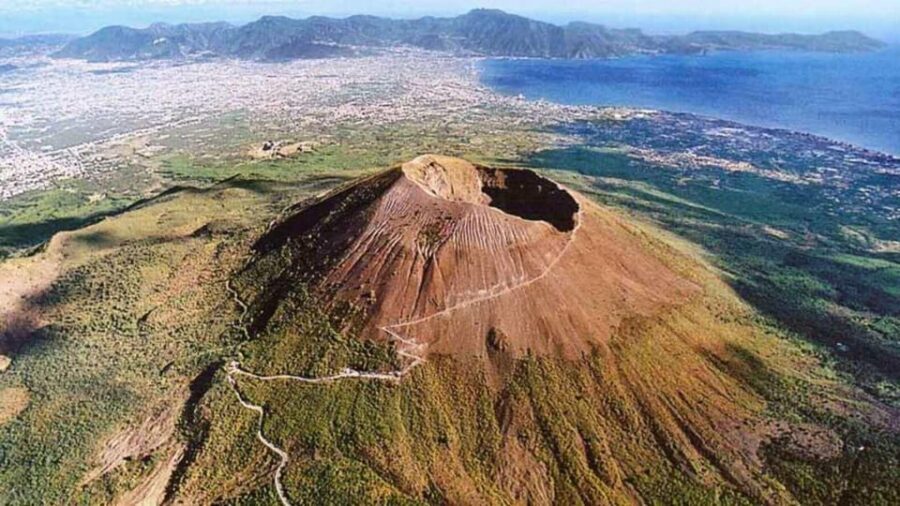
- Panoramic payoff from Vesuvius: views over Pompeii and the Bay of Naples
- Herculaneum’s preservation: you walk amid streets and spaces that survived the ashfall
- Pompeii guided focus: basilica, baths, temples, oven, and the Great Theater
- Comfortable transport: round-trip rides from Naples on a Mercedes with a professional driver
- Water included: bottled water to keep the day steady
Why this “volcano + 2 ancient cities” day works
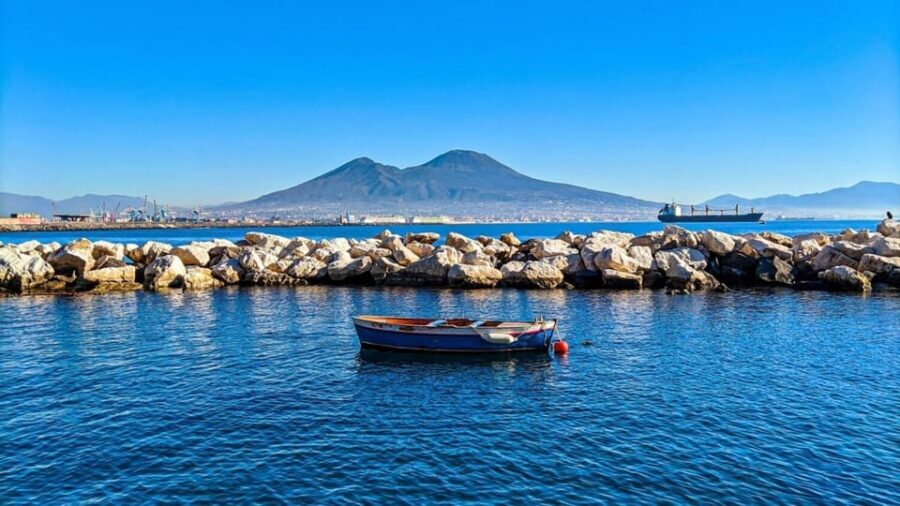
Seeing Vesuvius and the two ruined cities on your own can turn into a timing headache. This format solves that by bundling the big geographic triangle into one schedule: you start with the mountain, then you move to the cities shaped by the eruption, ending in Pompeii where the public buildings and daily routines are easiest to picture.
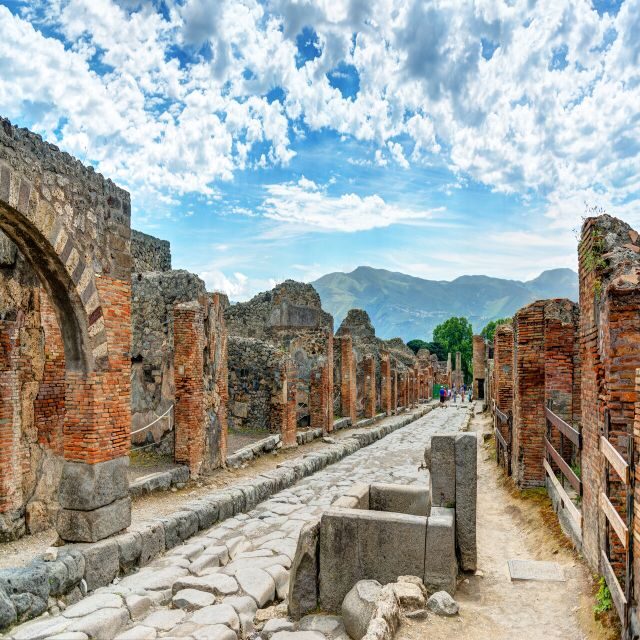
What makes this route interesting is the way the evidence changes as you travel. Vesuvius gives you the height and the geography. Herculaneum shows you how the ash preserved an entire town in a strikingly intact way. Pompeii then gives you scale: temples, baths, civic spaces, and entertainment—more than just rubble, it’s a city layout you can read.
It’s a value play, too. For $95, you’re paying mainly for the coordination: round-trip transportation, bottled water, and a driver who handles the driving side. The big “extra” cost is admissions (more on that below), but the tour reduces the hassle of getting between stops.
Other Herculaneum tours and tickets

Port of Naples pickup: finding Mutotravel fast
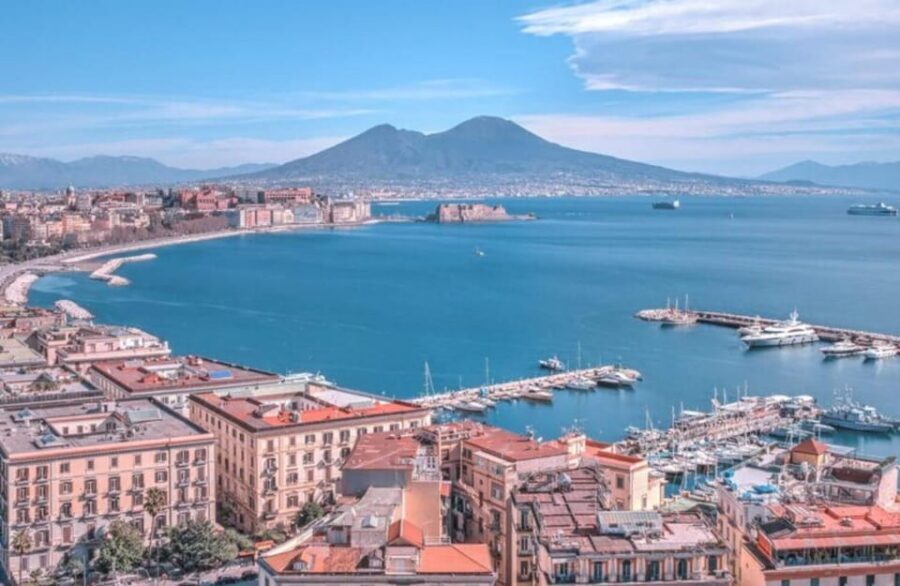
Your day starts at the Port of Naples meeting point: outside the Cruise Terminal, near the main exit. Staff will be waiting with a banner showing the client name from the reservation, and you’ll connect with a chauffeur who uses a Mutotravel sign.
This matters more than it sounds. The Naples port area can be busy, and meeting points make or break a smooth departure. Here, you get a specific location and a visible sign, so you’re not stuck wandering for a transfer van.
You’ll travel in a Mercedes with a professional chauffeur. One detail I appreciate from the driver experiences shared for this tour: the roads can be narrow, and the drivers (including people like Luigi and Antonio) are described as confident and quick through the tricky driving sections. In other words, you’re not just “on a bus,” you’re in hands that understand the route.
Vesuvius: climb for the view over Pompeii and the bay
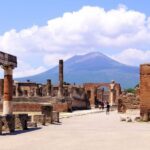
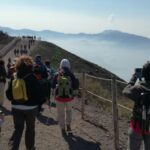
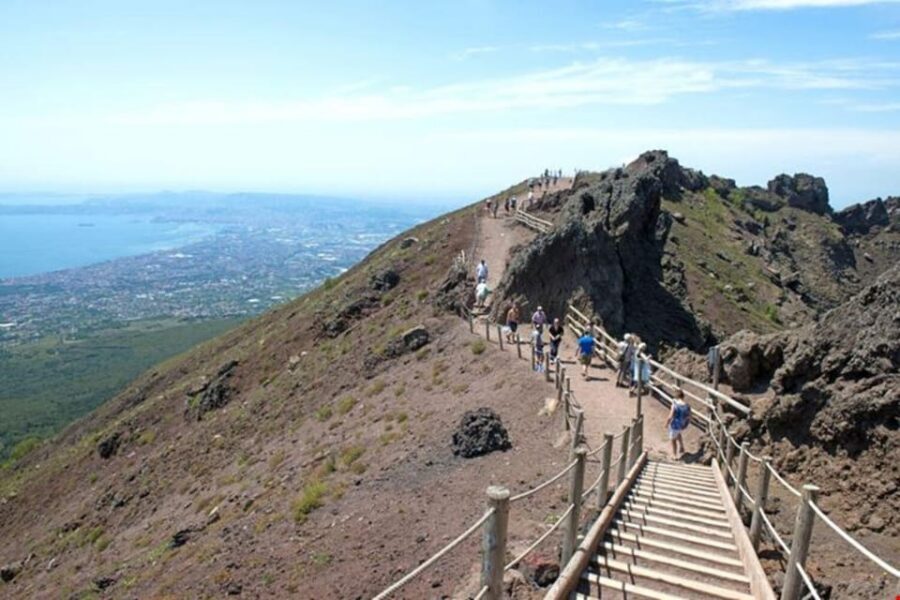
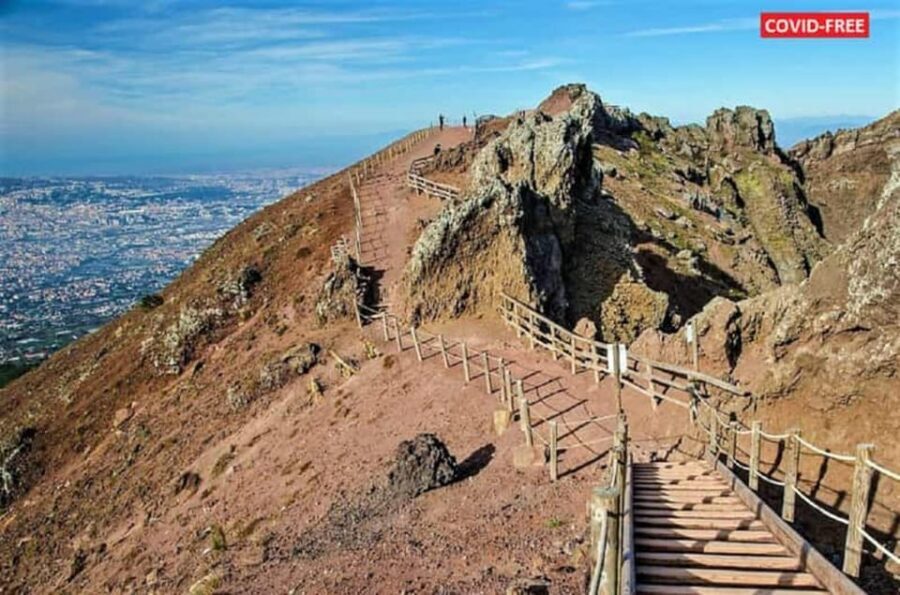
The first real stop is Mount Vesuvius. The plan includes time for you to climb to the top, then enjoy panoramic views over Pompeii and the Bay of Naples.
That viewpoint is the whole point of putting Vesuvius first. When you can see the terrain, the eruption story stops being abstract. Pompeii isn’t just a name on a map anymore—it’s a place you can literally line up with what you’re looking at from above.
Practical note: the climb is part of the experience here. If you have mobility concerns, this is the place to think about your comfort level first. Also, pack for changing conditions. Mountain weather can shift, and you’ll want layers you can adjust as you move from port to climb to viewpoint.
Once you’re back from the mountain, you’re transported onward to Herculaneum, keeping the day moving so you’re not losing time between “wow” moments.
Herculaneum: walking through the ash-preserved city
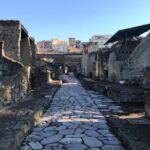
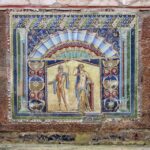
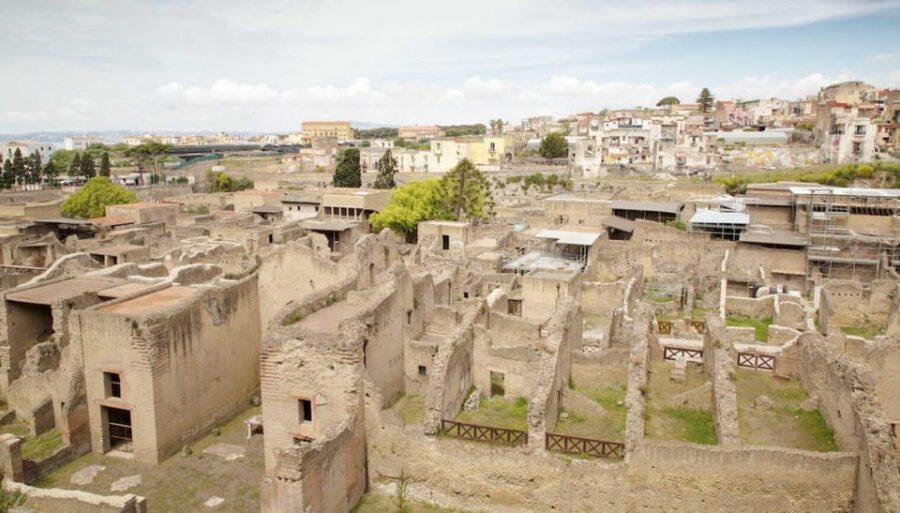
Next comes Herculaneum, where you can observe destruction linked to the 79 AD eruption. The big difference versus Pompeii is the feel of the site. Here, the town is described as spectacularly preserved from the ashes, which makes the experience feel less like reading ruins and more like exploring a city that got frozen mid-life.
You’ll walk around the ancient city rather than treating it as a quick photo stop. That walking time is valuable because it lets you register the layout and scale—where streets likely ran, how spaces relate, and how the town’s character comes through even after the disaster.
What I like about starting with Herculaneum before Pompeii is how it sets your expectations. Herculaneum gives you preservation. Pompeii then gives you variety: civic buildings, religion, baths, entertainment, and streets that look more “open,” so the contrast helps you understand how different parts of the broader area were affected.
Pompeii excavations: basilica, baths, temples, oven, and the Theater
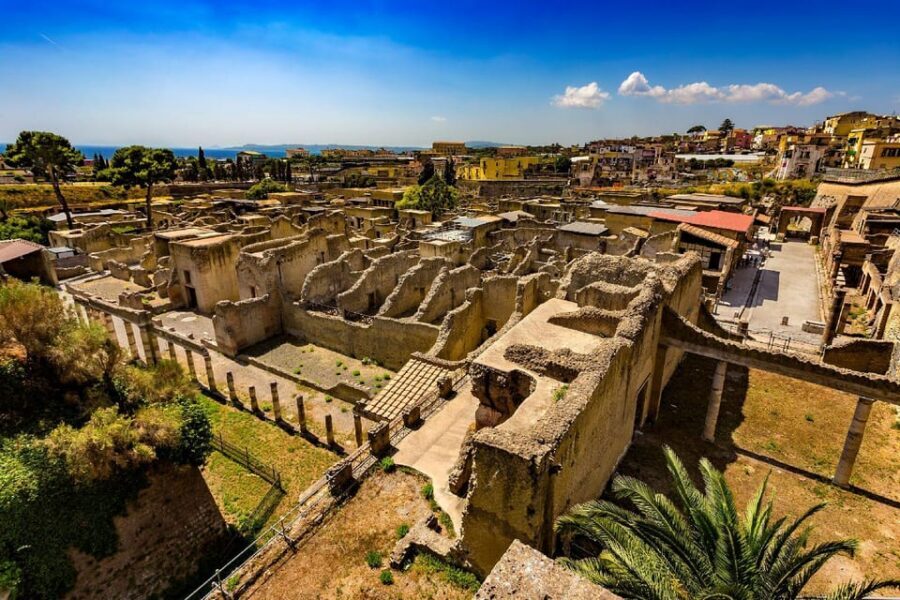
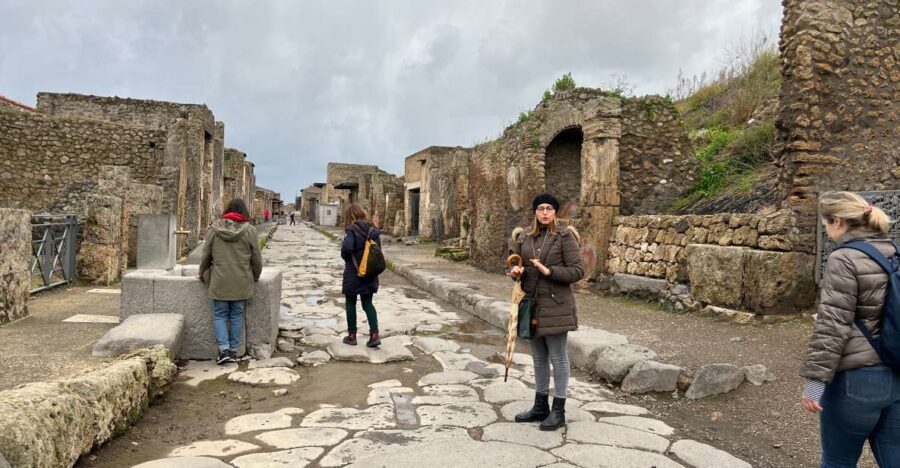
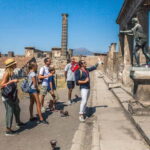
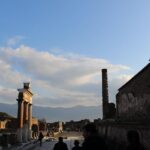
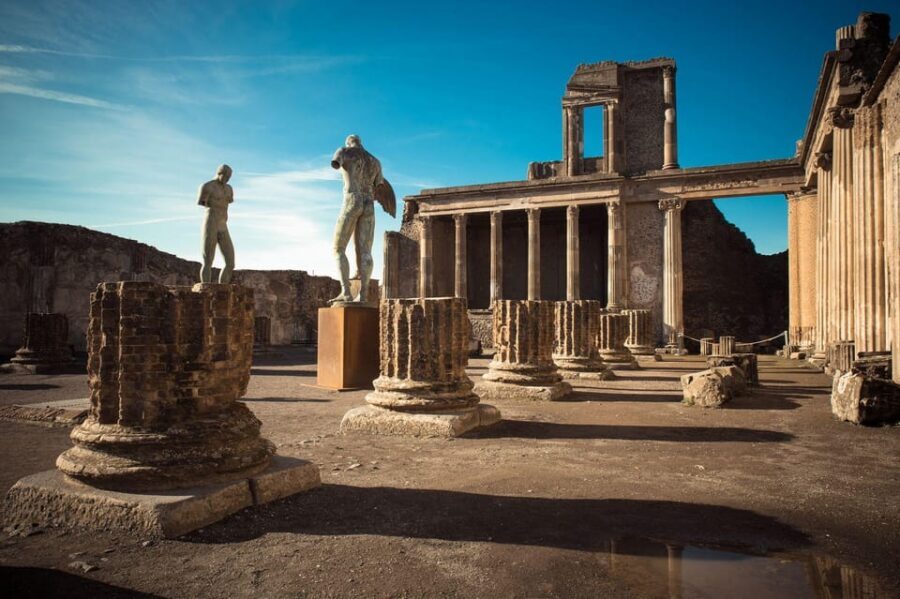
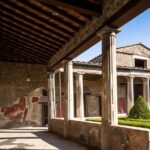
You finish at the Pompeii archaeological site, guided by an archaeological guide who shares anecdotes about the people who lived in Pompeii. That human layer is important. Pompeii can feel like architecture until a guide connects the dots—how residents worked, gathered, prayed, shopped, and spent time.
The tour’s highlights at Pompeii include specific places tied to everyday life:
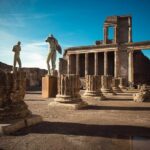
- the basilica, described as the economic and legal center
- baths, so you can picture how hygiene and social time blended
- temples, for the religious side of city life
- the oven, a clue to domestic food routines and the rhythm of cooking
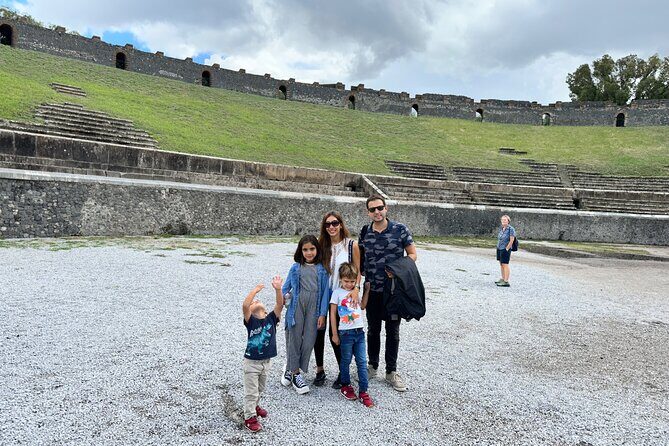
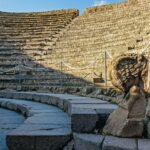
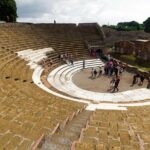
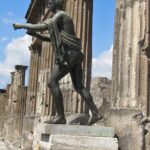
- the great Theater of Pompeii, showing how large-scale public entertainment mattered
If you care about how Romans lived, these are the right anchors. They cover commerce, law, routine, worship, and leisure—five categories that help you build a mental map fast. And because the guide adds anecdotes, you’re not just walking past stone labels; you’re hearing stories that help you place the buildings into real behavior.
A good tip for this part of the day: when the guide talks, pause your phone instinct for a moment. Let the story settle, then use your camera to “confirm” what you heard. It makes the site feel less like a blur of landmarks.

Money and admissions: why your real cost is slightly higher
The price is listed as $95.00 per person, and the tour includes round-trip transportation plus bottled water. The key missing piece is straightforward: all admissions are excluded.
So budget for ticket costs for Vesuvius, Herculaneum, and Pompeii separately. This isn’t a dealbreaker—just don’t assume the $95 covers entry. If you’re comparing tours, treat admissions as an add-on and focus your decision on what you’re truly buying here: coordination, transport, and guided time at Pompeii (plus guided context across the day).
I think this structure can still be good value if you want one vehicle, one schedule, and a guide at the hardest-to-navigate stop of the day.
8 hours on the clock: staying comfortable and not rushed
This is an 8-hour day. That’s enough time to hit all three sites, but it’s still one long stretch, so your comfort planning matters.
The positives are practical:
- You’re not hopping between multiple transfers; the tour includes round-trip transportation.
- You get bottled water.
- You’re guided through the flow: mountain, then Herculaneum, then Pompeii.
- At the end, you’re accompanied back to the point where you met.
From the way the experience is described, the driving component seems well handled on narrow roads (again, names like Luigi and Antonio come up in the driver praise). That helps you spend energy on the sites, not on stress.
My main caution is simply stamina. There’s walking at Herculaneum and Pompeii, plus the Vesuvius climb. If you know you move slowly, consider whether the day’s pacing will feel good or tiring. You can still do it—just plan around your pace, not the schedule fantasy.
Who this tour suits best
This tour makes the most sense if you:
- have limited time in the Naples area and want the big three in one shot
- like guided structure, especially at Pompeii where you’ll get anecdotes about residents
- want Vesuvius for the geography and views, not just a roadside viewpoint
- prefer a comfortable vehicle and a professional driver to reduce transport effort
It may be less ideal if you:
- hate paying separate admission tickets for each site
- strongly dislike climbing portions of a hike (Vesuvius includes a climb to the top)
- need a very slow, unhurried visit style at each archaeological area
If you’re somewhere in the middle, this format still works well because it’s designed to cover the core experiences without leaving you stranded between places.
Should you book the Vesuvius–Herculaneum–Pompeii tour?
If you want one day that connects the eruption story from mountain to preserved streets to major city ruins, I’d say this is a solid choice. The combination of Vesuvius views, Herculaneum preservation, and Pompeii’s guided highlights is exactly what makes the route memorable.
Book it if your priority is convenience plus guided context, and you’re okay treating the ticket prices as an extra cost. Skip it if you’d rather spend more time in only one site and don’t want a full-day pace.
FAQ
FAQ
What stops are included on the tour?
You’ll visit Mount Vesuvius, Herculaneum, and the Pompeii archaeological excavations.
Where do I get picked up in Naples?
Pickup is at the Port of Naples, outside the Cruise Terminal, near the main exit. Staff will be waiting with a banner with the client name.
How long is the tour?
The tour duration is 8 hours. Starting times vary, so you’ll need to check availability.
What’s included in the $95 price?
Included are round-trip transportation and bottled water.
Are admission tickets included?
No. All admissions are excluded, so you’ll need to purchase entrance tickets separately.
How does the tour end?
After the visit, the group is accompanied back to the point where you met for pickup.
Is free cancellation available?
Yes, you can cancel up to 24 hours in advance for a full refund.