REVIEW · NAPLES
From Naples: Herculaneum Skip-the-Line Guided Tour
Book on GetYourGuide →Operated by WORLDTOURS S.r.l. · Bookable on GetYourGuide
Herculaneum can feel almost live. This skip-the-line Naples tour gets you to one of Rome’s best-preserved towns with a guided walk focused on what people actually ate, owned, and feared before the 79 AD eruption.
I especially like the priority access (less waiting at the gate) and the chance to see specific highlights like the House of the Deer and the Forum Baths with an archaeologist explaining the site.
One thing to consider: the tour is short for such a detailed place, and audio on the bus and at the ruins can vary, so bring patience and plan to stand closer to the guide when you can.
In This Review
- Key takeaways before you go
- Naples-to-Herculaneum: the easy ride and pickup options
- Skip-the-line at Herculaneum: what priority access really changes
- Your 90 minutes with an archaeologist: the main stops you will see
- House of the Deer
- Forum Baths
- House of Neptune and Amphitrite
- Gymnasium and the Forum
- A note on guide quality (with real names you may recognize)
- How the 79 AD eruption story is handled on the ground
- Why Herculaneum often beats Pompeii for first-timers
- Group size, audio, and bus comfort: the real-world details
- 1) Audio and hearing devices
- 2) Bus fit
- Practical tips: what to bring, what to wear, what not to pack
- Wear and bring
- Avoid
- Price value check: is $63 fair for what you get?
- Who this Naples-Herculaneum tour is best for
- Should you book this Herculaneum skip-the-line tour from Naples?
- FAQ
- How long is the tour from Naples to Herculaneum?
- What’s included in the price?
- Where are the pickup locations in Naples?
- What languages are the tours available in?
- Will I get a live guide inside Herculaneum in low season?
- Is this tour suitable for wheelchair users or limited mobility?
- What should I bring to the ruins?
- Are there rules about age tickets?
Key takeaways before you go
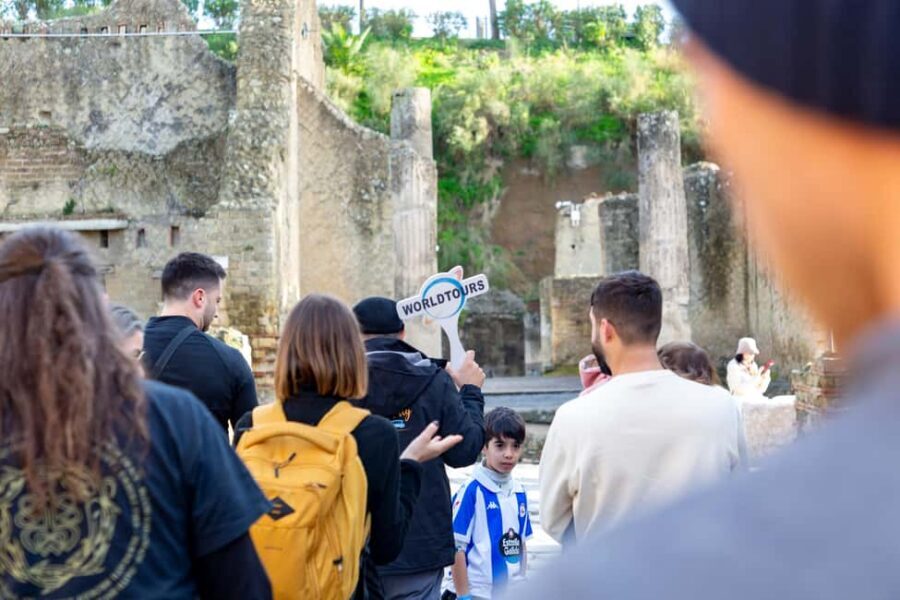
- Skip-the-line tickets help you spend your time walking, not waiting.
- An archaeologist-led route keeps the ruins from turning into random walls.
- You’ll hit named highlights like House of Neptune and Amphitrite, the Gymnasium, and the Forum.
- The 79 AD eruption story is told on the ground, including evidence linked to people trying to flee toward the sea.
- Small-group feel often means better questions and easier pacing through a smaller site than Pompeii.
Naples-to-Herculaneum: the easy ride and pickup options
This is built for people who want the convenience of Naples transportation without the stress of figuring out buses, trains, and schedules. You’ll be picked up in Naples from one of six options, including spots like Palazzo Caracciolo Napoli – MGallery and Stazione Marittima on Molo Beverello, plus locations near major rail access like Terminus (Hotel NH Napoli Panorama is also listed). The operator’s team meets you holding a sign with the Worldtours logo, and they’ll handle the handoff even if the van can’t pull up right at your exact accommodation.
Once you’re on board, expect a coach ride of about 30 minutes in each direction, with commentary during the drive. In real life, that matters. Herculaneum is in Ercolano, so the trip is short enough that you don’t feel like you’re wasting half a day just getting there, but long enough to settle in and get the basics before you step onto Roman streets.
Other skip-the-line Pompeii tickets and tours

Skip-the-line at Herculaneum: what priority access really changes

Priority access is the difference between arriving and immediately starting the walk versus losing chunks of your limited time to queues. With this tour, you get the skip-the-line entrance ticket, and you’re not stuck trying to time entry on your own.
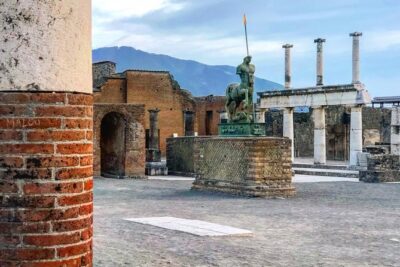
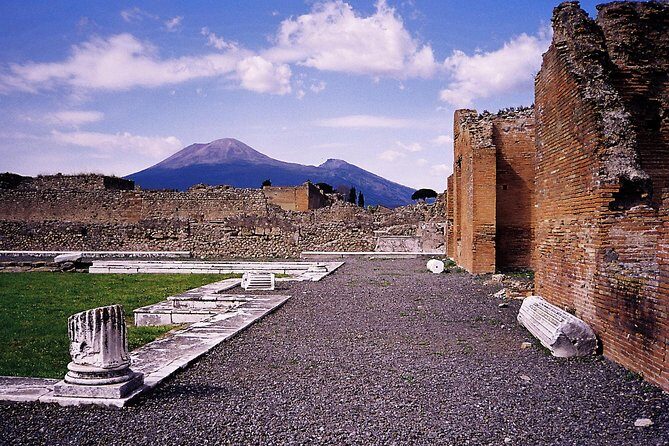
Herculaneum is smaller than Pompeii, but that doesn’t mean it’s quick. The appeal is the level of preservation: buildings, mosaics, frescoes, ceramics, and everyday objects survive in a way that turns a site visit into a “how did they live?” experience. Priority entry helps you start that mental movie earlier—before you’re tired or rushed.
Your 90 minutes with an archaeologist: the main stops you will see
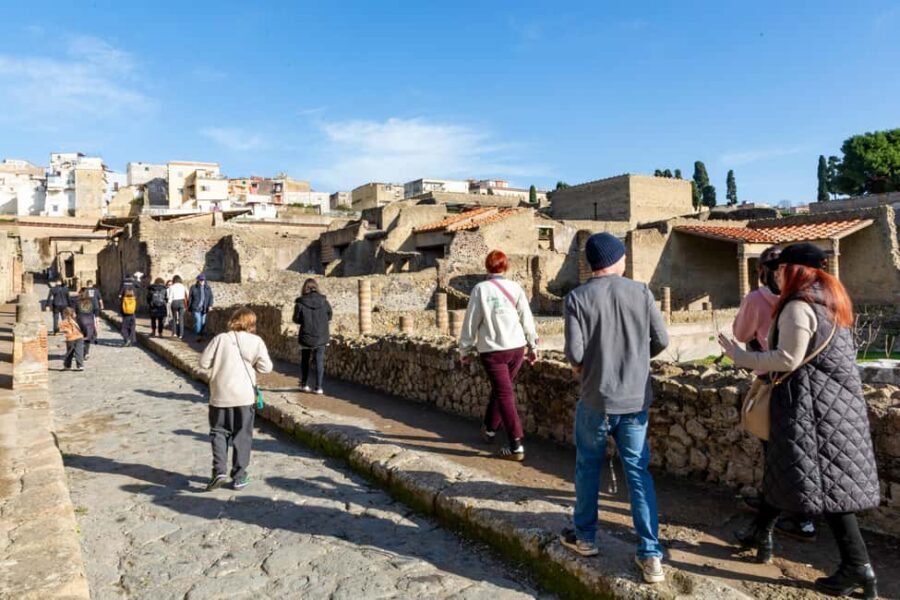
The guided portion inside Herculaneum runs about 1.5 hours, which is a real sweet spot for first-timers. It’s long enough to connect the dots, but short enough that the tour doesn’t dissolve into a lecture you survive with willpower.
Here are the highlights you’ll walk to, and what they help you understand:
House of the Deer
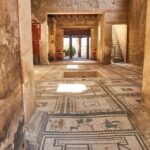
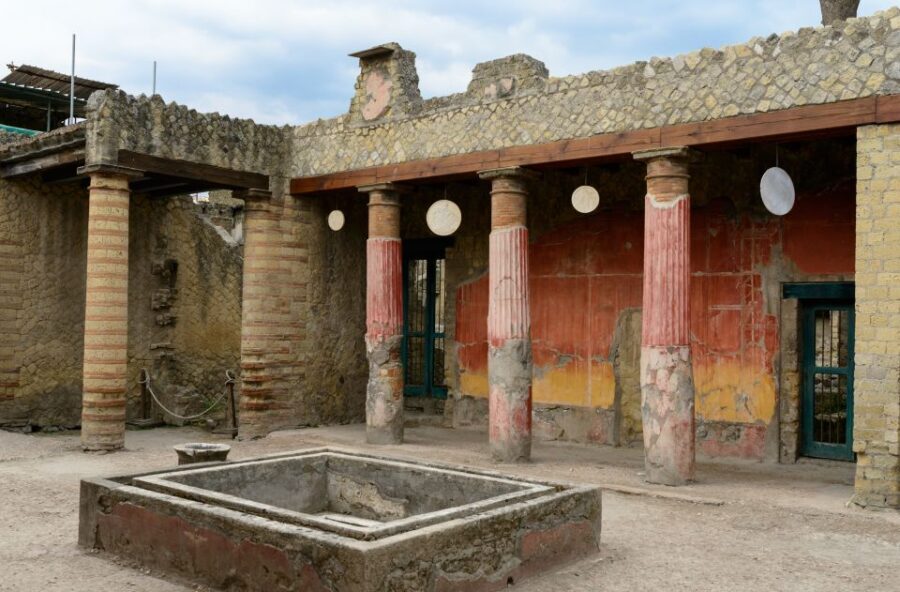
This is one of the featured residences on the route. In a place famous for preservation, these houses give you more than ruins. You start seeing how wealth, taste, and daily movement worked—how a home was laid out for receiving people, resting, and living around decorative surfaces.
Forum Baths
Baths were social life, not just hygiene. When you’re standing in the area tied to the baths, the guide helps you connect the dots between architecture and routine: where people would gather, how rooms relate to one another, and why public facilities mattered even in a disaster-prone landscape.
Other Herculaneum tours and tickets



House of Neptune and Amphitrite
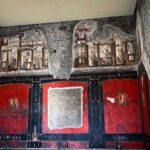
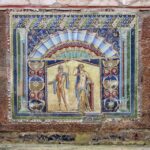
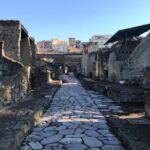
Another key house stop, and a strong reminder that art wasn’t reserved for museums. You’ll get a sense of how imagery—often tied to mythology and status—became part of ordinary surfaces. Even if you only catch fragments, it’s the kind of detail that makes Herculaneum feel unusually human.
Gymnasium and the Forum
These spaces help you shift from private life to public life. The forum gives you the “what was the town for” perspective, while the gymnasium points toward the role of exercise, status, and community rhythms in Roman culture. It’s the route that turns Herculaneum from pretty ruins into a functioning town you can picture.
A note on guide quality (with real names you may recognize)
Guide performance can make or break a short tour. In the feedback you’ll see names like Tomas, Alessio, and Salvatore used repeatedly for strong on-site guiding. I’d treat that as a good sign for this particular operator’s staffing. Still, timing and audio clarity matter too, so don’t assume every moment will be perfect—just know the route is designed to work even if you’re not a “ruins person.”
How the 79 AD eruption story is handled on the ground
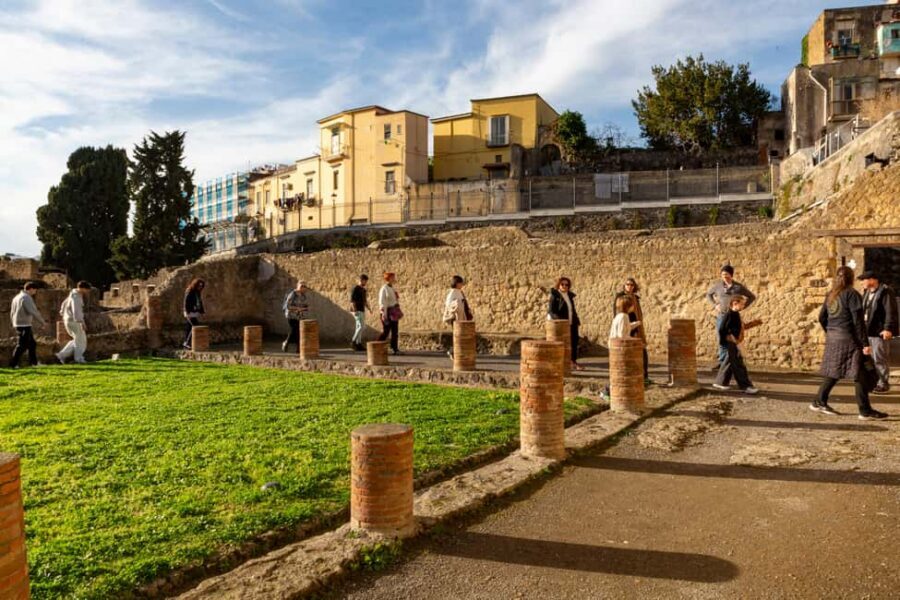
Herculaneum’s emotional pull comes from how clearly the disaster reads in physical remains. On October 24, 79 AD, Mount Vesuvius erupted and destroyed both Pompeii and Herculaneum. This tour uses that context as a through-line while you walk.
You’ll be shown evidence connected to what survived: charred wood, paintings, mosaics, and ceramics that endured nearly 2,000 years. You’ll also see the remains associated with people who tried to flee toward the sea. For many first-timers, that’s the moment when the town becomes more than architecture. It becomes a snapshot of fear and urgency, anchored to real locations you’re standing in.
Why Herculaneum often beats Pompeii for first-timers
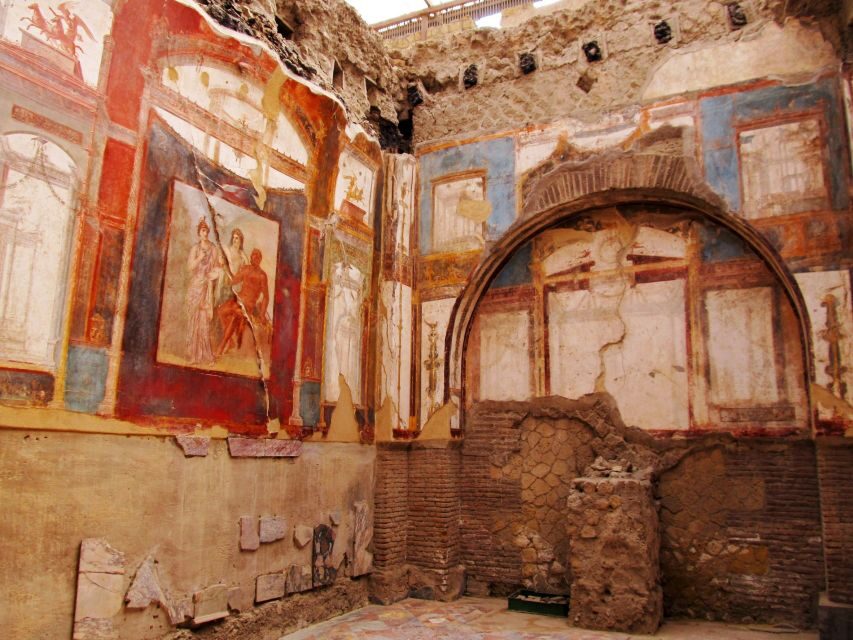
If you’re comparing, Herculaneum tends to win on preservation and the feel of daily life. Pompeii is bigger and louder, but Herculaneum’s scale and survival are what make it hit harder for a lot of people. Reviews often mention that the preserved detail is better than Pompeii, and the site’s size helps keep the pacing manageable.
There’s also a practical reason you’ll feel the difference. This tour is designed as a half-day, so you’re not juggling a full-day plan. If you want one strong Ancient Rome stop from Naples without stacking logistics, Herculaneum is a smart choice.
Group size, audio, and bus comfort: the real-world details
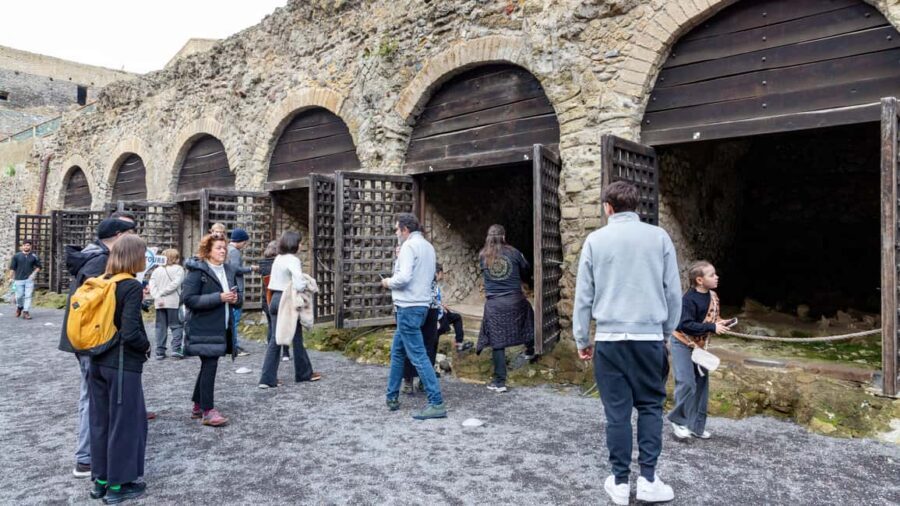
This tour is offered as a small group experience. In some departures, groups were reported as very small, even around six people. That’s a big deal at Herculaneum because it’s not a place you want to sprint through. Smaller groups also mean you can ask questions and get the guide’s attention when something clicks for you.
Still, there are two comfort variables to know:
1) Audio and hearing devices
This is the one downside that shows up more than once. Some people reported muffled or distorted microphone commentary on the bus, and others said headsets at the site weren’t clear. The fix is simple: if there are audio devices, stand closer to the guide when you can.
2) Bus fit
One review flagged that the bus felt uncomfortable if you’re taller (over about 6 feet). Also, space on board is limited, and that connects to the rules: you can’t bring large luggage, and you shouldn’t expect to store big items comfortably.
If you run sensitive to motion, note that one person reported feeling dizzy on the ride. You can’t control winding roads and traffic, but you can prepare: sit where you feel steadier, and bring water and focus.
Practical tips: what to bring, what to wear, what not to pack
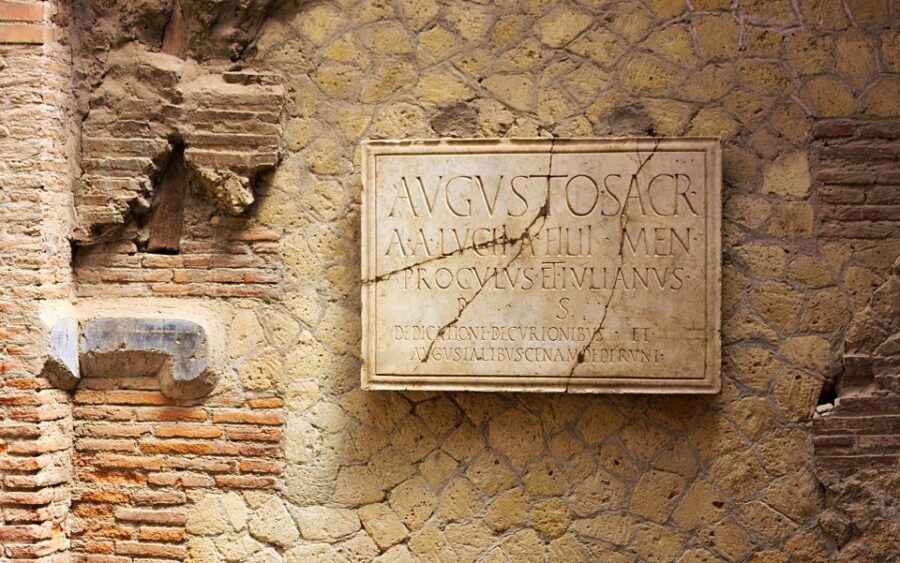
This tour gives you a clean checklist, and it’s worth following.
Wear and bring
- Comfortable shoes (you’ll walk through uneven outdoor areas)
- Water
- Hat and sunglasses (especially in hotter months)
- Camera (you’ll want photos of mosaics and fresco fragments)
- Passport or ID card (also tied to under-18 entry)
Avoid
No pets, no luggage or large bags, and no food or drinks in the vehicle. Smoking is also not allowed on board. If you’re bringing strollers, wheelchair types, or mobility aids, note the rules are strict: it’s also marked as not suitable for people with mobility impairments and wheelchair users, and non-folding strollers/non-folding wheelchairs are not permitted in the bus.
Bottom line: pack light. Think day-trip small.
Price value check: is $63 fair for what you get?
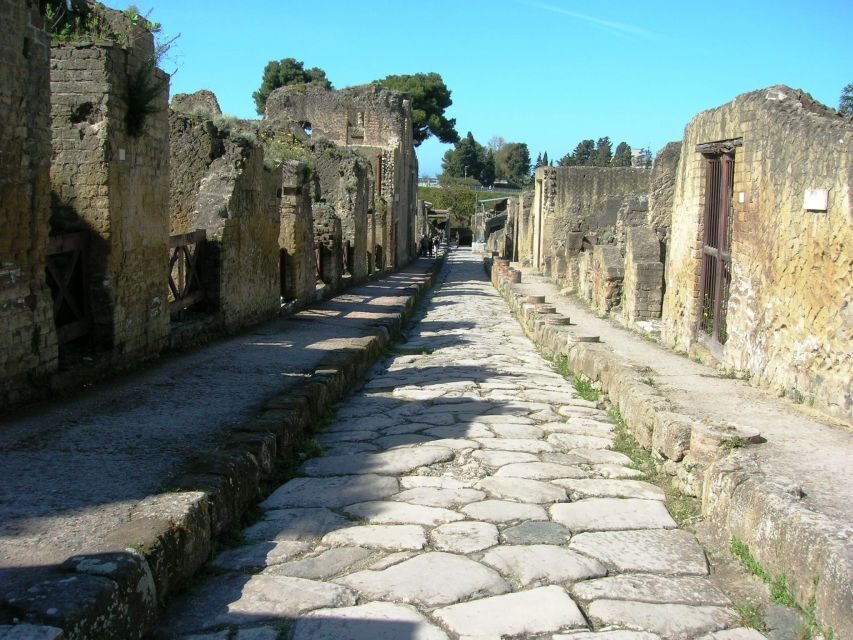
At $63 per person for about 3 hours, this is priced like a true “access + guidance” product rather than a basic transfer. You’re paying for four things:
1) Pickup and drop-off in Naples
You’re not left to figure out how to get back. That alone can save time and hassle, especially if you’re staying near the port.
2) Skip-the-line ticket to Herculaneum
Entry time matters when your visit window is tight.
3) Guided tour with an archaeologist (about 1h30 on site)
This is where you get the meaning. Herculaneum can look like ruins until someone connects rooms, mosaics, and street layouts to daily life and the eruption story.
4) On-board commentary
It’s not the main event, but it builds context so the first moments at the site land better.
Also, there’s a small pricing nuance: the tour price is discounted on the first Sunday of each month because Pompeii entrance is free. Even if you don’t plan to add Pompeii, it’s a reminder this is meant to be an easy, repeatable plan for people already in Naples.
For many people, $63 compares favorably to piecing together a taxi or bus plus entry and hoping you time everything yourself. And if you’re trying to avoid the crowds and friction of getting there by train, this tour is a calmer option.
Who this Naples-Herculaneum tour is best for
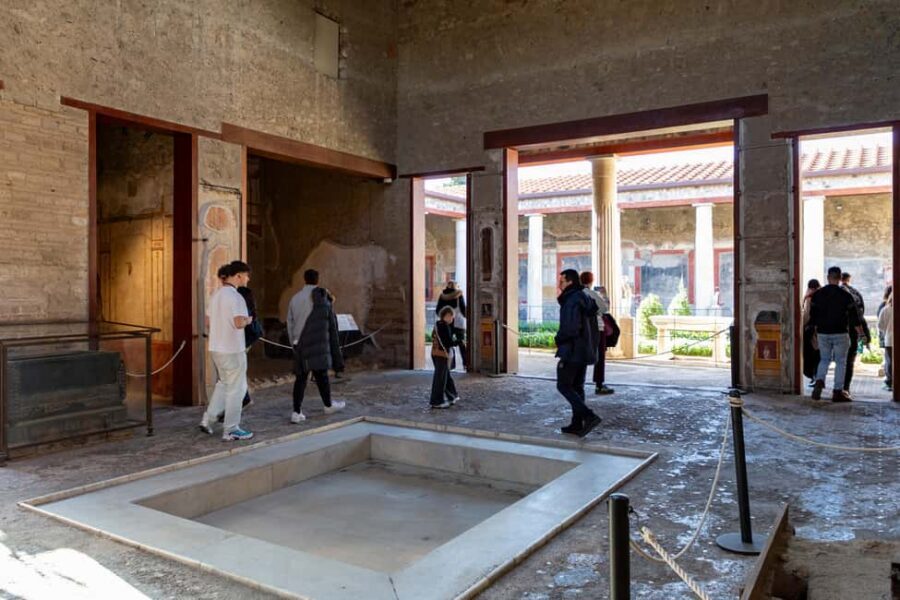
I think this tour fits best if you want one well-structured Roman stop with minimal planning.
You’ll likely enjoy it if:
- You’re short on time in Naples and want a half-day plan
- You don’t want to manage trains to Ercolano
- You prefer guided storytelling tied to specific sites like the Forum Baths and key houses
- You like smaller groups and the chance to ask questions
You should consider skipping or switching to a different format if:
- You need wheelchair access (this one is not suitable)
- You want more than about 1.5 hours at the site (some people felt the time could be longer)
- You’re very sensitive to audio quality on buses or to motion discomfort
Should you book this Herculaneum skip-the-line tour from Naples?
If you want an efficient, meaningful visit with less hassle than DIY, this is a strong booking. Priority entry plus pickup/drop-off removes the usual friction that eats time in Naples. And Herculaneum rewards that approach because the guide helps you see everyday Roman life in a way that’s hard to replicate with just a self-guided walk.
My advice for the best outcome: plan for a light pack, wear real walking shoes, and stand nearer the guide when the audio devices act up. If you’re okay with a shorter on-site window and you don’t need wheelchair access, this tour is one of the simplest ways to experience why Herculaneum feels so preserved—and so tragic.
FAQ
How long is the tour from Naples to Herculaneum?
The total duration is about 3 hours, with around 1.5 hours spent on the guided visit inside Herculaneum.
What’s included in the price?
You get pickup and drop-off in Naples, a skip-the-line entrance ticket to Herculaneum, an expert archaeologist-guided tour (about 1h30), and commentary on board.
Where are the pickup locations in Naples?
Pickup is offered from six options, including Royal Continental Hotel, Palazzo Caracciolo Napoli – MGallery, Stazione Marittima on Molo Beverello, Terminus Hotel NH Napoli Panorama, and more depending on your selection.
What languages are the tours available in?
The live tour guide is available in English, Italian, and Spanish. The tour may be bilingual.
Will I get a live guide inside Herculaneum in low season?
During low-season, a live guide inside Herculaneum is provided for groups with a minimum of 6 participants per language. Groups of up to 5 receive audioguides.
Is this tour suitable for wheelchair users or limited mobility?
No. The tour is listed as not suitable for people with mobility impairments and wheelchair users.
What should I bring to the ruins?
Bring your passport or ID card, comfortable shoes, sunglasses, a hat, a camera, and water, plus comfortable clothes.
Are there rules about age tickets?
Yes. The Herculaneum entrance fee is free for people under 18, and you’ll need to show a valid passport to the ticket office.