REVIEW · NAPLES
Herculaneum Private Walking Guided Tour 2 hours
Book on Viator →Operated by Tour Guide Naples · Bookable on Viator
A city under mud is still talking. This 2-hour private guided walk through Herculaneum, at the Parco Acheologico di Ercolano, turns the volcanic burial of 79 AD into something you can actually picture. You’ll hear how an elite resort—possibly tied to the legend of Hercules—functioned as a real place, not just a set of stones.
I especially like the way the guide weaves together Roman private life: family roles, religious practice, temples, daily beliefs and superstitions, plus funeral rites. And I love that Herculaneum wasn’t just preserved by ash; a torrent of mud helped protect ruins from weathering and even illegal excavations, so you get a rare look at wooden elements, foodstuffs, fabrics, and architecture that can feel startlingly close.
One consideration: the price is $195.91 per person, and the entrance fee to the archaeological park isn’t included. Also, two hours goes by fast—great for orientation, but not for a slow, stand-around-and-stare visit.
In This Review
- Key highlights worth knowing
- Herculaneum’s quieter mood (and why it matters)
- Two hours with a licensed guide: what you’ll actually get
- Parco Acheologico di Ercolano: your main walking experience
- Why Herculaneum’s preservation feels almost unfair
- Price and value: what $195.91 really buys
- Timing, meeting point, and how to plan your morning
- Who this private Herculaneum tour is best for
- Book it, or keep it DIY?
- FAQ
- How long is the Herculaneum private walking guided tour?
- Where does the tour start?
- Is the entrance fee included?
- What’s included in the price?
- Is this tour private or shared?
- Do I need to bring a ticket?
- What time does the tour begin?
- Is it easy to reach the meeting point with public transportation?
- Can I cancel and get a full refund?
Key highlights worth knowing
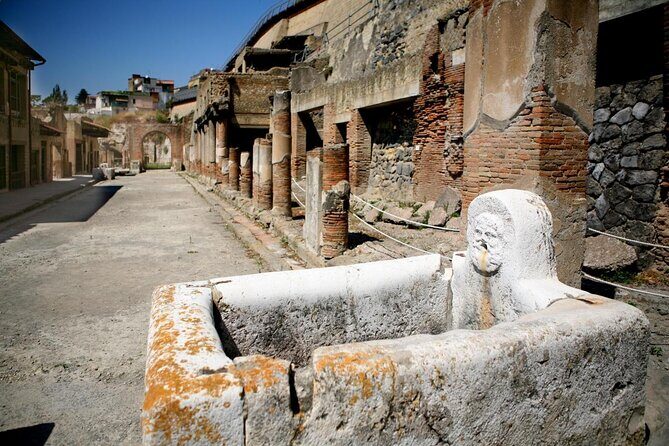
- A licensed guide who explains more than the stones: family life, religion, beliefs, funerary rituals, and how Roman homes were put together
- Herculaneum’s preservation is the star: wooden elements, foodstuffs, fabrics, and buildings can look unusually intact
- Smaller and easier to cover in one visit: the site can feel more manageable than Pompeii when you only have limited time
- Private format: only your group, so you can ask questions and pace the walk
- Two hours is ideal for a first pass: enough time to build context without running on fumes
Herculaneum’s quieter mood (and why it matters)
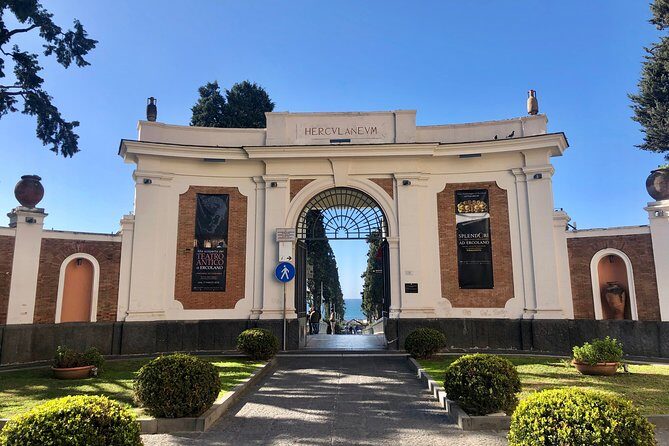
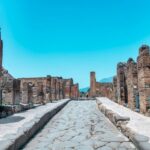
If you’ve been to Pompeii, you know how fast it can become sensory overload: crowds, lots of street-level rubble, and big sweeping distances. Herculaneum has a different feel. It’s still Roman, still dramatic, and still tied to the same eruption that buried Pompeii in 79 AD—but the atmosphere is calmer, and the ruins often feel more like rooms you’re stepping into rather than ruins you’re sprinting across.
That matters for you because the best Roman archaeology isn’t just about seeing objects. It’s about understanding how people lived. Here, the tour focuses on how an elite resort worked socially and spiritually—how families organized daily life, how religious practice showed up in the city, and how people handled death and burial rituals. When that context clicks, the walking becomes less like sightseeing and more like decoding a whole culture.
Another reason this experience feels special is the mud. Pompeii was buried, but Herculaneum was buried under a torrent of mud. That extra layer did more than hide the city—it helped protect the site from atmospheric agents and even from illegal excavators. The result is that you can experience Herculaneum as a more intimate snapshot of Roman life.
Other Herculaneum tours and tickets

Two hours with a licensed guide: what you’ll actually get
The core value here is the licensed guide, and the way the tour is designed to give you a framework fast. In about two hours, the explanation isn’t limited to names and dates. You’ll get the story behind the city’s life: the role of the family, religious life and temples, and the mix of cultures, beliefs, and superstition that shaped everyday decisions.
Even if you’re not a self-described “history person,” this style works because it’s built around human behavior. You start thinking in terms of routines and relationships: who mattered in a Roman household, how belief systems could influence choices, and how funerary rites fit into the broader worldview.
Guides from this operator have been praised for making this material readable and lively. Names that have come up include Roberta, Gennaro, Andrew, Ionica, Alfredo De Luca, Ornella, and Ugo Somma. The common thread in that kind of feedback is not just knowledge, but the ability to make the ancient setting feel real—especially for younger visitors, including teenage groups. If you’re traveling with kids or teens, that matters. A dry lecture won’t last. A guide who can tell the story clearly will.
Parco Acheologico di Ercolano: your main walking experience
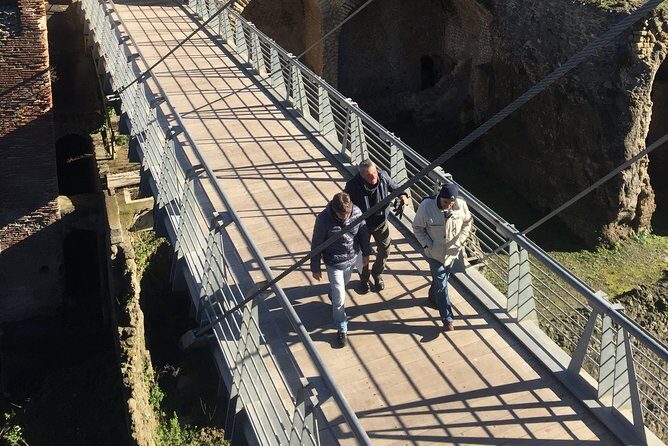
Your walking tour is centered on the Parco Acheologico di Ercolano (Herculaneum’s archaeological park). The tour runs about two hours and takes place in a single main area, which helps you avoid the “half-day between places” problem. You’re not bouncing around multiple stops; you’re walking the site with a guide who can keep the narrative connected.
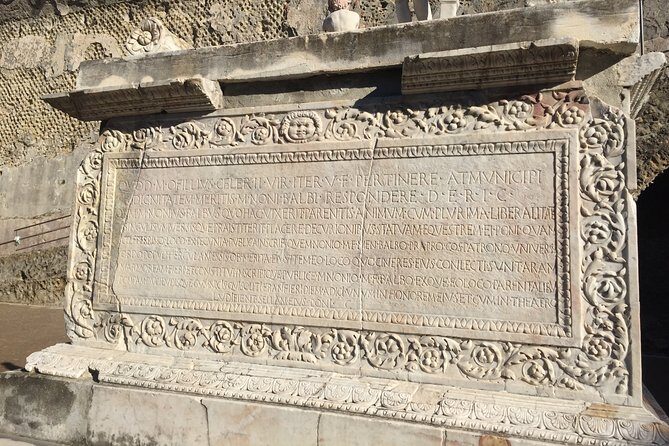
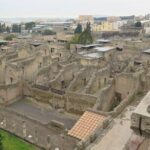
What you can expect during the walk is a guided explanation of Roman houses and how they were laid out—the typology of Roman homes—so you’re not just staring at walls. The tour also connects religious and cultural life to physical spaces in the city. You’ll hear about temples and how belief showed up in the rhythms of daily life.
There are also themes around funereal rites and the social meaning of death. That sounds heavy, but when it’s explained in context, it turns into one of the most useful parts of the tour. It helps you understand what Romans likely expected from an afterlife or spiritual order, and how rituals reinforced community identity.
One practical point: you’ll need to plan for the fact that the entrance ticket isn’t included. The guide is included, but the park admission is separate, so factor that into your total cost and your timing at the site entrance.
Why Herculaneum’s preservation feels almost unfair
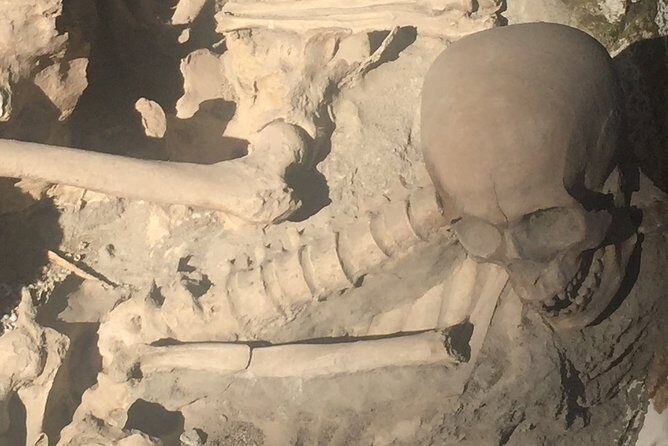
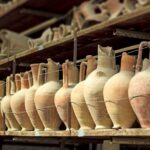
This is where Herculaneum earns its reputation. The ruins aren’t just stone shells. A big part of the tour’s appeal is the natural preservation of materials like wooden elements, foodstuffs, and fabrics. That’s unusual, and it’s exactly the kind of detail that transforms Herculaneum from a “cool place” into a “wow, I get it” experience.
In practical terms, it changes what you notice while walking. Instead of thinking only about architecture, you can imagine daily objects and household life in a more concrete way. Fabrics and wooden elements can make you picture clothing, storage, and everyday routines. Food-related preservation nudges you toward the lived reality of a city, not just the Roman idea of a city.
And because the mud helped shield the site from weathering, the tour’s story doesn’t feel like a reconstruction of guesswork as much as a guided reading of what survived. You still need a guide to interpret it, but the material evidence does a lot of the persuasion for you.
If you like archaeology that feels personal—like you’re seeing how people ate, dressed, and believed—this preservation angle is a major reason to book.
Price and value: what $195.91 really buys
At $195.91 per person, this isn’t the cheapest way to visit Herculaneum. You’re paying for three things:
1) A private format (only your group participates)
2) A licensed guide who explains family life, religion, beliefs, superstitions, funeral rites, and Roman home layout
3) A focused two-hour experience that builds context quickly
So the value question is really this: do you want to understand what you’re seeing, without spending extra time researching on your own? If yes, the price makes sense. Herculaneum rewards interpretation. If you arrive armed only with a basic map, you’ll still see impressive ruins, but you may miss how the city functioned socially and spiritually.
It’s also a smart option if you’re traveling with people who need guidance to stay engaged—teenagers, mixed-age groups, or anyone who prefers a clear narrative over wandering. Reviews for guides like Gennaro and Roberta highlight that exact strength: making the place click for younger visitors too, which can be hard to pull off in a site like this.
Where the cost can sting is for budget-only travelers who are comfortable doing a self-guided visit and who already have strong background knowledge. If that’s you, just visiting the park can be less expensive—though you’d be trading the guide’s storytelling for lower cost.
Other private and VIP Pompeii tours

Timing, meeting point, and how to plan your morning
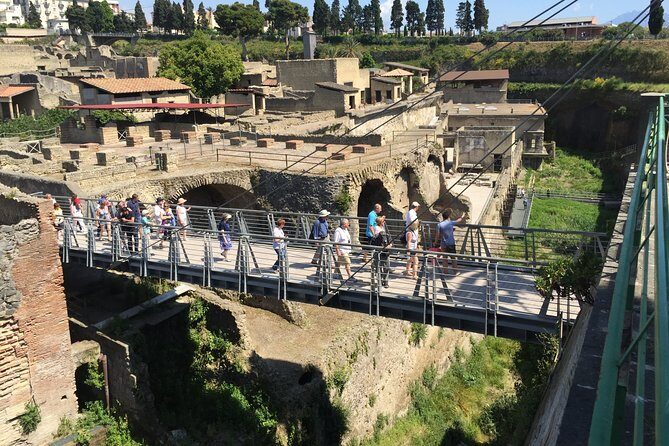
The tour start time is 9:00 am, and it begins at Ercolano Scavi, 80056 Ercolano, Metropolitan City of Naples, Italy. It ends back at the meeting point. That simple loop matters: you can build your day around it.
The area is described as near public transportation, so you shouldn’t have to plan your whole day around a private car just to get there. That said, you’ll want to give yourself extra time to arrive and get oriented, since you’ll be starting promptly at 9:00 am.
Also, this is a walking tour. The listing says most travelers can participate, so it’s not framed as extreme. Still, wear comfortable shoes. Archaeological sites can be uneven, and you’ll be focused on the ground and the guide’s instructions, not on sightseeing sneakers.
Who this private Herculaneum tour is best for

This tour is a strong fit if you want the Roman world explained in a way that connects to real life. It’s especially good for:
- Families and groups that include teens (guides here have been praised for holding attention and making the story feel alive)
- Travelers who want private pacing—questions included, no one forced to keep up
- People who care about details like Roman household life and religious practice, not just big visuals
- Anyone who wants a complete first visit in roughly two hours, without turning it into a half-day marathon
It may be less ideal if you want lots of free time on your own to roam slowly or if you prefer deep scholarly lectures with no narrative focus. Two hours is designed to be efficient—helpful if you’re fitting Herculaneum into a busy itinerary.
Book it, or keep it DIY?
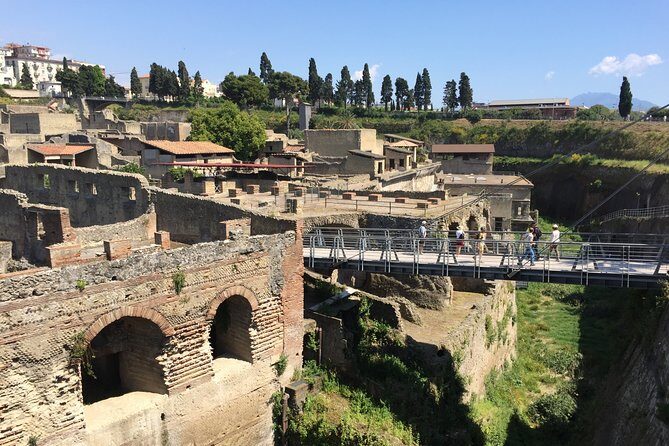
I’d book this tour if you want Herculaneum to make sense fast—family roles, religion, temples, beliefs and superstition, funeral rites, and how Roman houses were organized—explained by a licensed guide. The price is high enough that you should feel confident you’ll use the guide time well, and the tour’s structure is built for exactly that.
I’d consider DIY (or skipping) if you’re on a tight budget or you’re the kind of visitor who prefers reading signage and wandering at your own pace with minimal guidance. In that case, you might save money and still enjoy the preserved materials—but you’ll work harder to connect the ruins to Roman daily life.
If you’re on the fence, this is the kind of experience where a good guide can turn preserved wood and fabrics from a list of facts into a vivid picture of ordinary people living extraordinary lives.
FAQ
How long is the Herculaneum private walking guided tour?
The tour lasts about 2 hours.
Where does the tour start?
It starts at Ercolano Scavi, 80056 Ercolano, Metropolitan City of Naples, Italy.
Is the entrance fee included?
No. Admission to the Parco Acheologico di Ercolano is not included.
What’s included in the price?
The licensed tour guide is included.
Is this tour private or shared?
This is a private tour/activity. Only your group will participate.
Do I need to bring a ticket?
You’ll receive a mobile ticket.
What time does the tour begin?
The start time listed is 9:00 am.
Is it easy to reach the meeting point with public transportation?
Yes, the meeting point is described as near public transportation.
Can I cancel and get a full refund?
Yes. Free cancellation is available up to 24 hours in advance for a full refund.