REVIEW · POMPEI CAMPANIA
Pompeii Skip-the-Line Tkt +transfer from C/mare di Stabia
Book on GetYourGuide →Operated by Around Vesuvio · Bookable on GetYourGuide
Pompeii is big. The best way to see it is with skip-the-line entry plus an audio guide you can control at your own pace. This setup also matters because you’re not juggling buses or ticket queues on top of a full ancient site day.
I like how the day is built around freedom: you get an audio guide and an updated map, so you can linger where the streets, frescoes, and daily-life details grab you. I also like that the transfer goes directly from Castellammare di Stabia, which cuts down on pre-trip stress.
One watch-out: the return logistics can feel slow if you’re unlucky with timing, so it helps to stay alert about where you’re supposed to go and when your pickup window is closing.
In This Review
- Key things I’d pay attention to
- Pompeii, but with logistics handled (Castellammare di Stabia to the site)
- Skip-the-line entry: what you gain and how to use it
- Using the audio guide: freedom with structure
- Pompeii at your pace: how to structure 5.5 hours
- The best Pompeii stops to aim for (and why they matter)
- The amphitheater: big scale, real atmosphere
- The plaster casts of the victims: heavy, specific, unforgettable
- Frescoed houses: art you can still read
- Spas, temples, shops, and thermopolis: the city’s routines
- Theaters and brothels: social life, not just sightseeing
- Pompeii navigation and the map reality check
- Transfer timing: what to expect on the way back
- Price and value: does $77 make sense?
- Who this Pompeii option is best for
- Should you book this Pompeii skip-the-line ticket + transfer?
- FAQ
- What’s included with the Pompeii skip-the-line ticket and transfer?
- Where do I meet for the transfer?
- How long is the experience?
- Do I need to bring an ID for the audio guide?
- What languages are available for the audio guide?
- What language is the driver?
- Is food or drinks included?
- How does cancellation work?
- Can I reserve without paying immediately?
Key things I’d pay attention to
- Skip-the-line Pompeii ticket to save time at a site that doesn’t get smaller
- Audio guide + updated map so you can navigate and learn without rushing
- Easy transfer from Castellammare di Stabia (roundtrip included)
- Top Pompeii moments covered like the amphitheater and the plaster casts of the victims
- Plan for a 5.5-hour window starting from ticket activation, not when you first arrive
Pompeii, but with logistics handled (Castellammare di Stabia to the site)
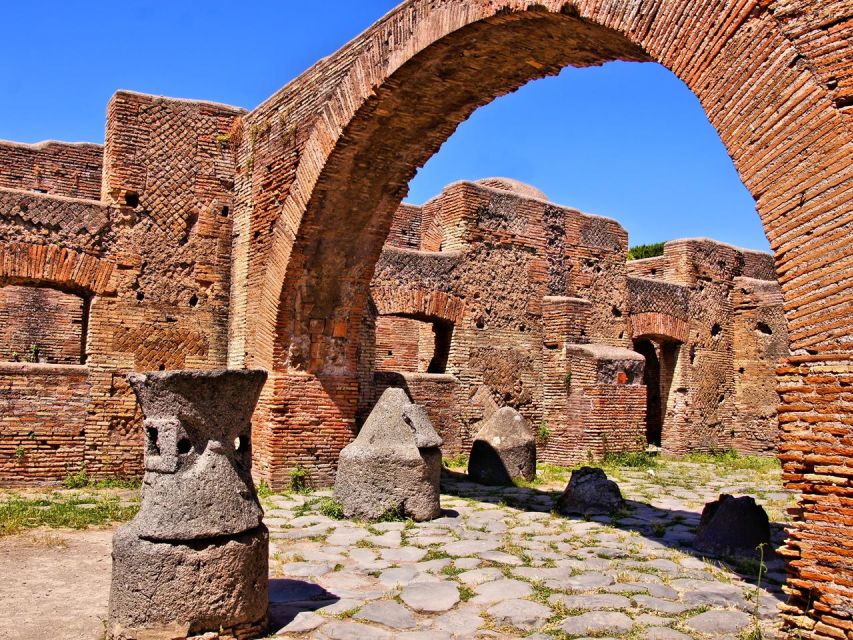
The biggest win here is simple: you start from Castellammare di Stabia and get a roundtrip transfer with the Pompeii day ticket bundled in. That removes a common headache. Instead of piecing together schedules, you can focus on the site itself—where it really takes effort, even when you’re just walking.
Your driver is listed as English/Italian, and the meeting point is very specific: you meet exactly at the bus stop. That sounds small, but it matters. Pompeii days tend to run on tight rhythms, so I’d treat the meeting point like an appointment.
Also, remember the activity time is set to 5.5 hours from first activation. In practice, that means your day starts when your ticket/audio process kicks off. If you’re trying to time a photo-heavy route, it’s worth planning for the clock.
If you're still narrowing it down, here are other tours in Pompei Campania we've reviewed.


Skip-the-line entry: what you gain and how to use it

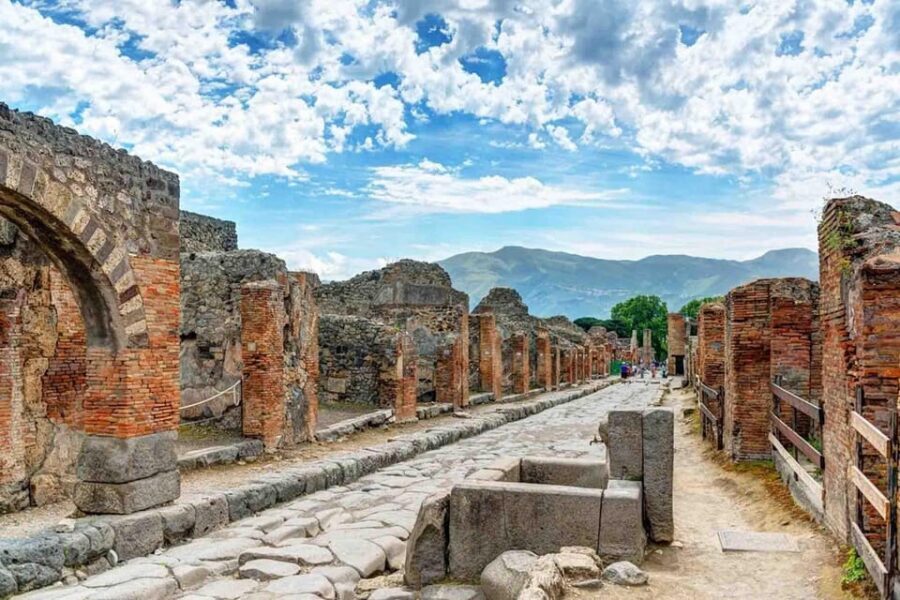
A skip-the-line ticket is one of those purchases that feels almost invisible until you’re standing in the wrong queue. Here, you’re meant to avoid the long wait and spend that time inside Pompeii instead. That’s real value, especially because the site is spread out and you’ll walk more than you expect.
When you arrive, you’ll have your ticket access ready, and you’ll also have an audio guide plus an updated map. This combo is where the skip-the-line benefit becomes more than convenience. You can enter, get oriented, and start learning immediately—without losing your momentum to setup.
Important detail: you need a valid ID document to rent the audio guide. Don’t leave it in a hotel safe or assume you can sort it out on the spot. Bring the ID you plan to use on the day, because that rental step is what turns the audio from optional to essential.
Using the audio guide: freedom with structure

The audio guide is included, and it’s available in a lot of languages (including Chinese, English, French, German, Hebrew, Italian, Portuguese, Russian, and Spanish). Even if you’re not listening the entire time, it’s great for the moments when you stop, look around, and realize you don’t know what you’re seeing.
Here’s the practical way I’d use it at Pompeii:
- Use the guide early to understand what you’re looking at (streets, public spaces, domestic areas).
- Let it prompt you to slow down at the places that make Pompeii feel human—frescoes, shop fronts, and the stuff people did every day.
- If you hear something you love, plan to spend extra time there. That’s the advantage of a self-paced visit: you’re not locked to someone else’s pace.
The point isn’t to “finish” Pompeii. It’s to connect the ruins to daily life. An audio guide helps you do that faster than wandering with no context.
Pompeii at your pace: how to structure 5.5 hours
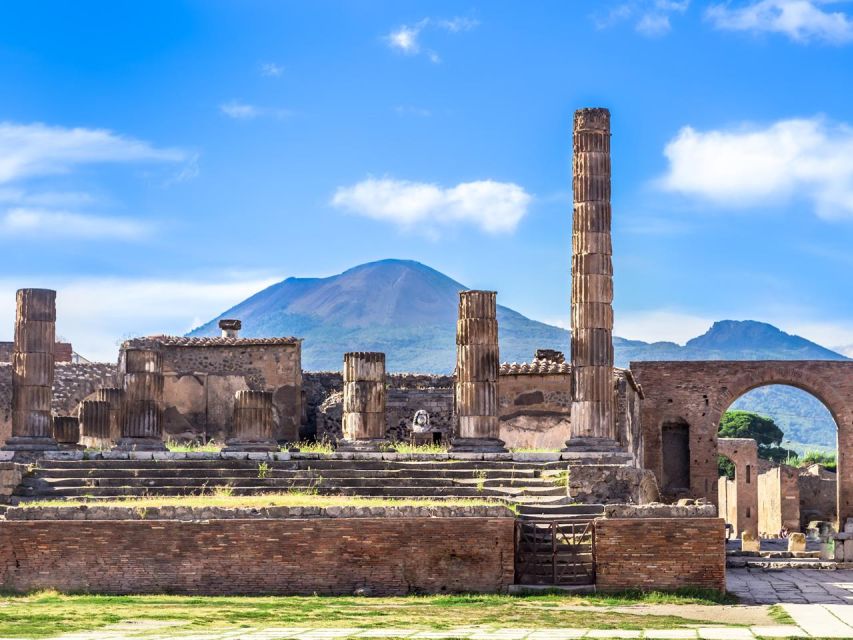
This is not a scripted guided tour where you follow minute-by-minute. It’s a self-paced visit with a ticket, audio, and map. That’s liberating, but it also means you’ll want a simple plan so you don’t spend half your time deciding where to go next.
With 5.5 hours total, I recommend thinking in two phases:
1) Orientation and the big public spaces (amphitheater and major landmarks)
2) Daily-life stops (homes with frescoes, spas, temples, shops, and places like the thermopolis)
If you try to do everything, you’ll feel rushed and end up skimming. If you choose a focused route, you’ll leave feeling like you actually understood the city.
The best Pompeii stops to aim for (and why they matter)
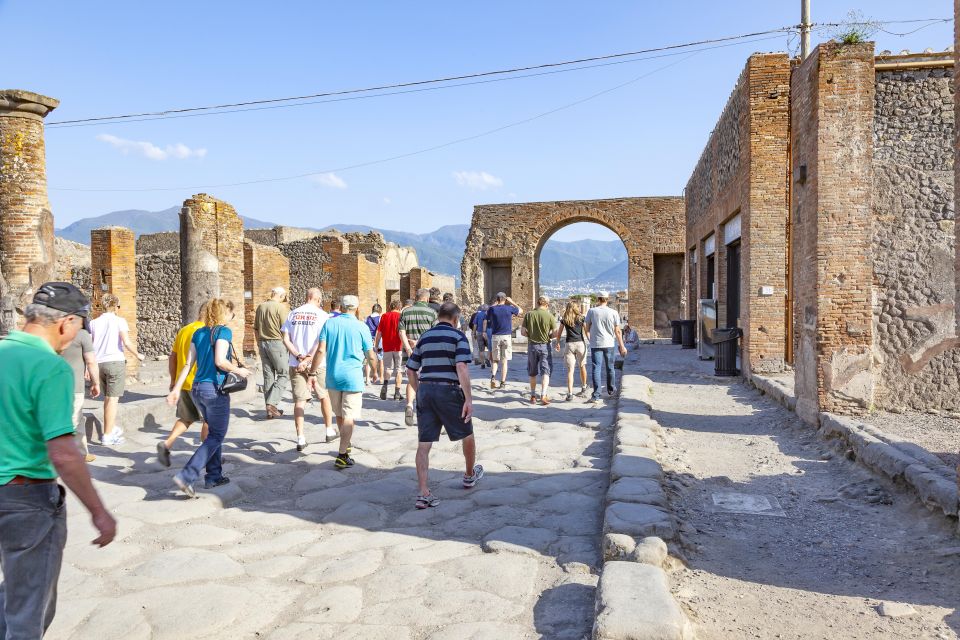
You’ll see plenty, but these are the areas that usually deliver the most meaning—because they show different sides of the city.



The amphitheater: big scale, real atmosphere
Pompeii has Roman monuments, but the well-preserved amphitheater is the kind of place where ruins stop feeling like “old walls” and start feeling like a functioning entertainment venue. Standing where people once sat (even if the seats are broken or weathered) gives you a sense of how public life worked—crowds, spectacle, and routine.
If you like architecture or you just want one moment that makes Pompeii feel dramatic without needing extras, aim for the amphitheater early. It’s also easier to enjoy when you’re not doing it as the last sprint of the day.
The plaster casts of the victims: heavy, specific, unforgettable
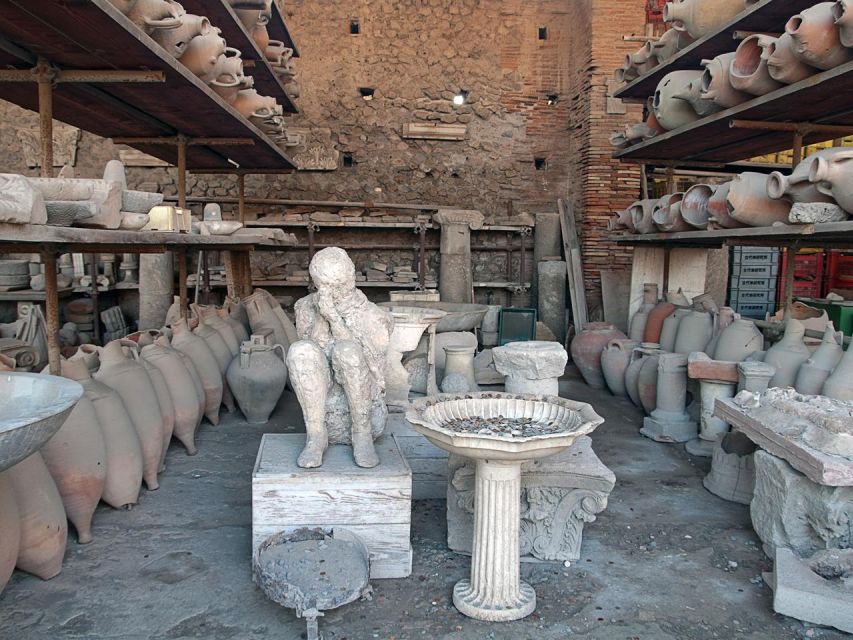
One of the emotional anchors of Pompeii is the casts of the victims. It’s not “fun,” but it’s one of those places that makes the eruption real instead of abstract.
Because this stop is intense, plan to treat it like a pause in your route. Give yourself a few minutes to absorb it, then continue on when you’re ready. The audio guide can help you understand what you’re looking at, but your own pace matters here.
Frescoed houses: art you can still read
Pompeii is famous for domestic spaces, especially the areas with frescoed houses. These aren’t generic decorations. They show taste, wealth, and everyday visual language.
If you get the chance, spend time at a house where you can see the main rooms and artwork clearly. It’s the difference between looking at ruins and understanding what people valued inside their homes.
Spas, temples, shops, and thermopolis: the city’s routines
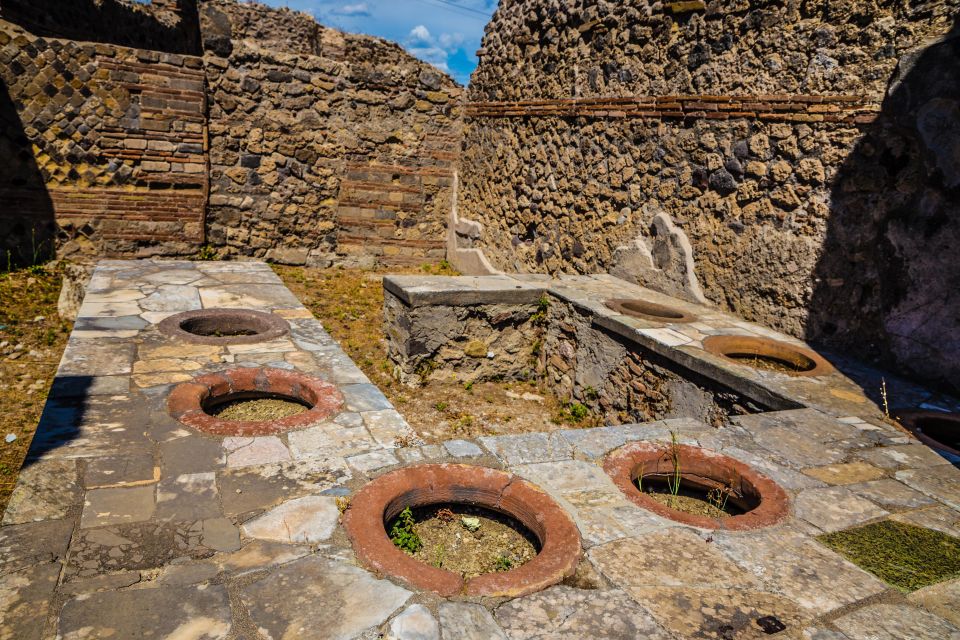
This ticket experience calls out a lot of “regular life” places: spas, temples, shops, and thermopolis (the old-school equivalent of fast food). I love these stops because they show Pompeii wasn’t just monuments and legends. It was commerce, worship, bathing, and quick meals.
A thermopolis is especially cool to picture. You’re looking at a setup where people likely grabbed hot food and drink as part of normal life. The audio guide can help connect the building details to how it may have functioned.
Theaters and brothels: social life, not just sightseeing
You’ll also encounter theaters and brothels. These are part of how Pompeii handled leisure and adult life. If you’re expecting something sterile, Pompeii corrects that fast.
These spaces also tend to make the site feel more grounded. People weren’t living for one eruption. They lived for festivals, shows, and relationships—same city, same streets, different days.
Pompeii navigation and the map reality check
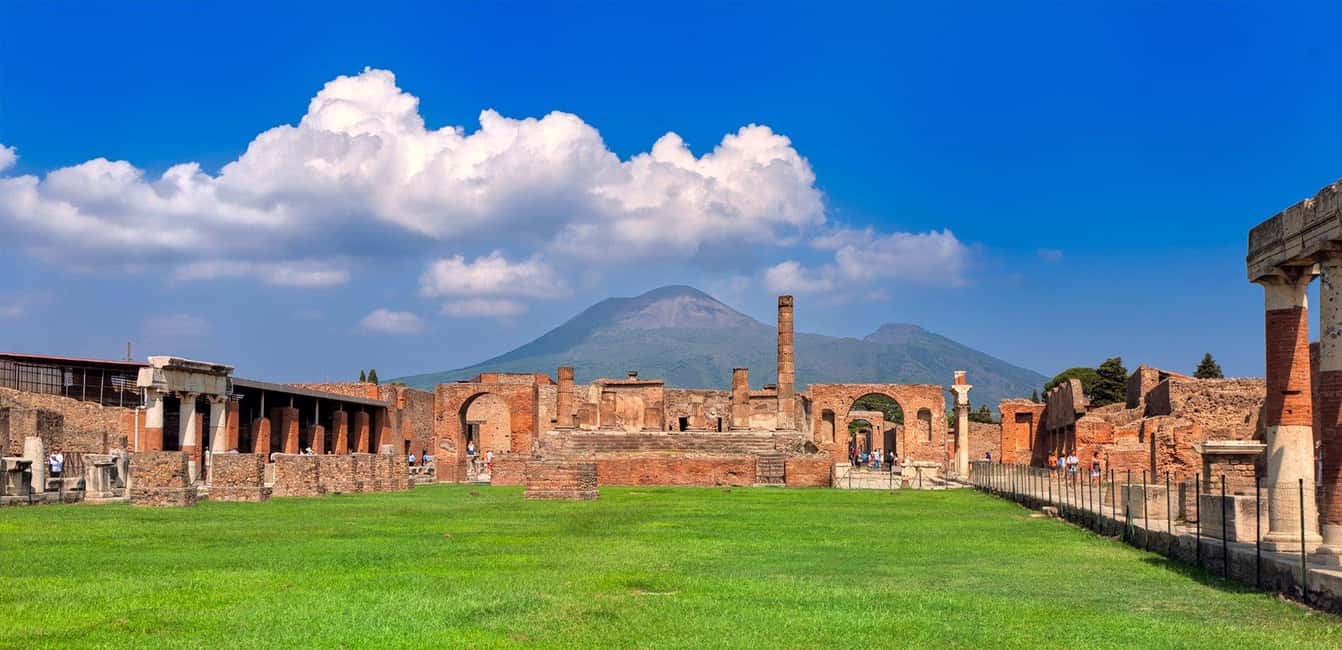
An updated map is included, and that matters because Pompeii can confuse you in seconds. Streets look similar, entrances are easy to mix up, and you can lose time without realizing it.
Here’s what I’d do with the map:
- Pick 3–5 targets max. Once you’ve picked them, use the map to route between them.
- If something looks like it’s pulling you in, check whether it’s along the path you already chose. Don’t abandon your route completely unless you’re okay with sacrificing one target.
- Keep your return plan in mind while you wander, not after.
Also, a real-world tip from the experience: there are three gates at Pompeii, and it’s possible to exit through the wrong one. If you’re planning to do an exit-and-reconnect later, pay attention to the signage around gates so you don’t burn time hunting for the right area afterward.
Transfer timing: what to expect on the way back
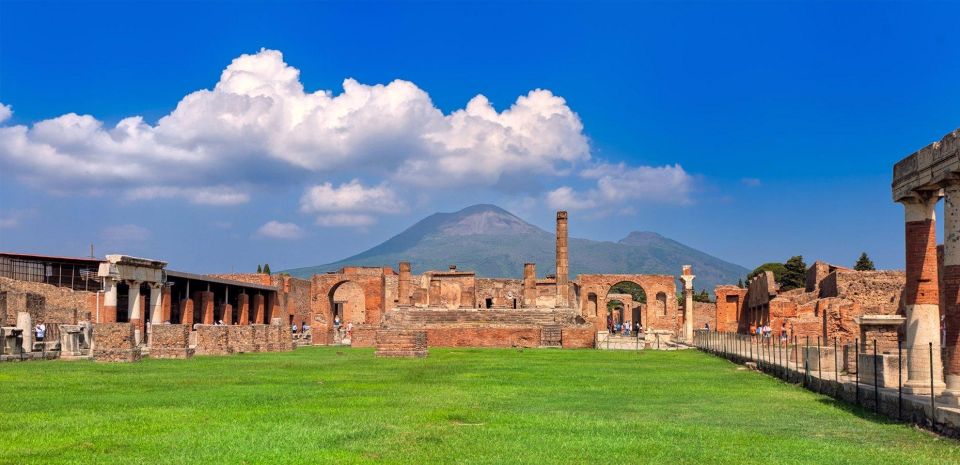
The roundtrip transfer is included, but the return part is where your strategy helps. One issue you should know: the return trip has had cases where people experienced an over-an-hour wait with limited communication from the office when they returned.
That doesn’t mean it will happen to you, but it’s enough that I’d plan for it. My advice:
- Don’t linger so long that you miss the point where pickup staff are expecting people.
- If you’re unsure where to go for the return, ask quickly rather than waiting it out.
- When you finish your last stop, move toward the return area rather than trying to squeeze in one more room.
If you build in a little buffer, the day stays enjoyable even if timing gets imperfect.
Price and value: does $77 make sense?
At $77 per person, you’re paying for a package: a skip-the-line Pompeii ticket (€20 value listed) plus an audio guide and roundtrip transfer from Castellammare di Stabia.
Here’s the value logic I’d use:
- If you had to organize transport yourself, you’d likely spend time (and often money) just to get to the site and coordinate a return.
- Audio guides aren’t free at places like Pompeii when you’re buying on your own, and they’re worth it because they turn the ruins into stories.
- Skip-the-line access is about time saved, and time is the one resource Pompeii will always take from you.
So if you want Pompeii without the extra planning burden, this price can be a fair deal. If you already know you’ll want a very specific self-guided route and you’re strong at coordinating buses, you could potentially do it cheaper. But most people pay for convenience with a site this big.
Who this Pompeii option is best for
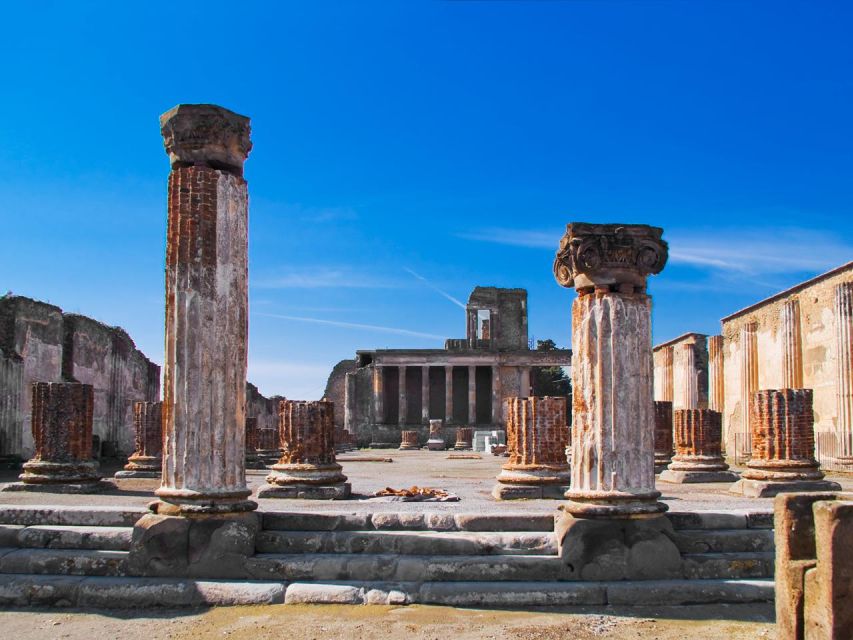
This fits best if you:
- Want Pompeii entry with less waiting and fewer logistics headaches
- Prefer a self-paced visit rather than staying in a group line
- Like using an audio guide to turn ruins into real places
- Are departing from Castellammare di Stabia and want an easy roundtrip solution
It’s less ideal if you:
- Hate any uncertainty around pickup timing and communication
- Want a fully guided narrative where someone constantly herds the group (this is not that)
Should you book this Pompeii skip-the-line ticket + transfer?
I’d book it if your priority is getting into Pompeii smoothly and enjoying the site on your own terms. The mix of skip-the-line access, an included audio guide, and a direct roundtrip transfer from Castellammare di Stabia is the kind of combo that protects your time.
Just go in with two smart habits: bring a valid ID for the audio guide rental, and keep a close eye on the return plan so you don’t waste time at the end of the day.
FAQ
What’s included with the Pompeii skip-the-line ticket and transfer?
You get a skip-the-line Pompeii ticket (€20 listed), an audio guide, and a roundtrip transfer from Castellammare di Stabia to Pompeii.
Where do I meet for the transfer?
You meet exactly at the bus stop.
How long is the experience?
It’s valid for 5.5 hours from first activation.
Do I need to bring an ID for the audio guide?
Yes. It’s important to bring a valid ID document to rent the audio guide.
What languages are available for the audio guide?
The audio guide is available in Chinese, English, French, German, Hebrew, Italian, Portuguese, Russian, and Spanish.
What language is the driver?
The driver is listed as English and Italian.
Is food or drinks included?
No. Food and beverages are not included.
How does cancellation work?
Free cancellation is available up to 24 hours in advance for a full refund.
Can I reserve without paying immediately?
Yes. There’s a reserve now & pay later option, so you can book your spot and pay nothing today.