REVIEW · POMPEI CAMPANIA
From Naples: Pompeii Ruins VIP Guided Tour
Book on GetYourGuide →Operated by NapoliCityVision · Bookable on GetYourGuide
Pompeii works best when time is tight. This Naples day trip pairs skip-the-line entry with a small-group walk through the ruins, so you get the big sights without burning hours in logistics. I love how the tour focuses on recognizable highlights like the amphitheater and the Villa of the Mysteries, and I also like that you get the human story of daily Roman life. One possible drawback: 3.5 hours means you see a lot, but you won’t have the kind of slow, wandering time you might want if you love details.
Here’s what makes this feel like a “VIP” day: you’re picked up in Naples, transferred in comfort, then dropped into Pompeii with a guide-led route (or audio support when needed). The goal is simple: get you oriented fast, then let you understand what you’re looking at. If you hate walking heat or you need wheelchair access, this isn’t the right fit—Pompeii is not built for that.
In This Review
- Key things to know before you go
- A Naples-to-Pompeii day that actually fits real schedules
- Pickup, transfer, and the small-group feel that keeps you calm
- The Pompeii walking route: what your 2 hours is really for
- The amphitheater and theater: where people watched life happen
- Villa of the Mysteries and mosaic art you can actually read
- Streets, shops, and the Roman shopping street effect
- Forum, necropolis, and baths: three stops that explain a whole society
- Understanding the 79 AD destruction story without getting lost in facts
- The Cameos and Corals stop: what you gain if time allows
- Guide vs audio guide: how to get the right kind of narration
- Price check: what you’re paying for at $135.94
- What to bring (and what to wear) for comfort at Pompeii
- Who this VIP Pompeii tour is best for
- Should you book this Naples to Pompeii VIP guided tour?
- FAQ
- How long is the Pompeii part of the tour?
- Do I get a live guide, or is it audio instead?
- What languages are available?
- Is skip-the-line entry included?
- What should I bring to Pompeii?
- Is this tour suitable for wheelchair users or people with mobility impairments?
Key things to know before you go
- Skip-the-line entry via a separate entrance helps you start sightseeing quicker.
- Small group (max 12) keeps the pace manageable and the experience more personal.
- Two hours inside Pompeii is focused on major zones like the forum, baths, necropolis, and key streets.
- Guide or audio depending on group size means you should choose your language expectations carefully.
- Comfort matters: bring comfortable shoes plus a hat and sunscreen for hot-weather days.
A Naples-to-Pompeii day that actually fits real schedules
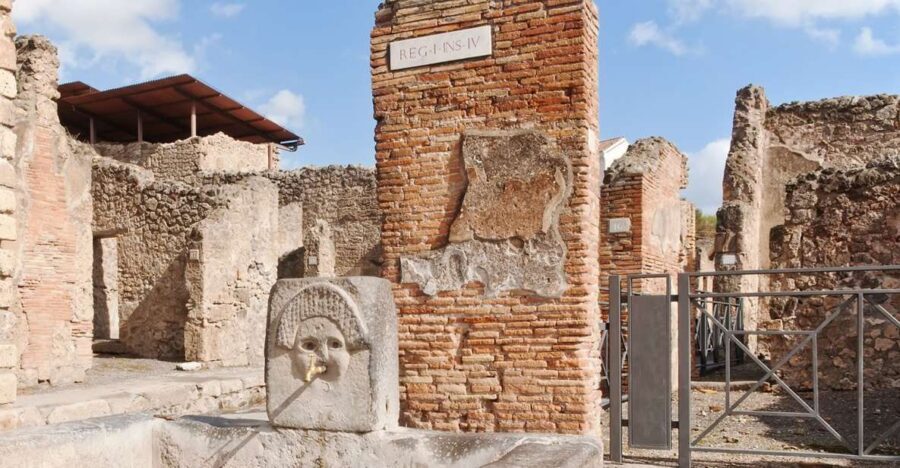
Pompeii is huge, and doing it well on a day trip is all about time management. This tour is designed around a tight window: you spend about 2 hours at Pompeii, then you’re back in Naples. If you’re basing yourself in Naples and want more than a quick photo stop, that extra guided structure matters.
What I like about this setup is that it’s not trying to make you memorize everything. Instead, you get a route that hits major, meaningful places—ancient streets, public spaces, and the kind of houses and art that make Pompeii feel real. You’ll also hear how the city ended in 79 AD and how the ruins stayed preserved for centuries.
The tradeoff is pace. You’ll walk, you’ll move between zones, and you’ll likely want to linger afterward on your own if one area grabs you. But if your goal is a strong “first visit” that gives you context, this duration makes sense.
Other tours departing from Naples


Pickup, transfer, and the small-group feel that keeps you calm
Your day begins in Naples with a round-trip transfer from selected meeting points. The tour is capped at 12 participants, which is a big deal when you’re dealing with crowds at Pompeii. Smaller groups tend to stay together more easily, and you spend less time playing catch-up.
One detail I appreciate: the driver waits up to 5 minutes if you’re late. That’s reassuring when you’re dealing with finding the meeting spot in a busy city. Also, oversize luggage isn’t allowed. If you’re traveling with a big suitcase, plan to keep it out of the way so the pickup stays smooth.
Comfort counts too. The transfer is described as having AC, and when you’re heading to open-air ruins, that’s not a minor detail—it can make the first hour feel much less exhausting. You’ll still want to prepare for walking in sun once you’re in Pompeii, but it helps to arrive feeling decent.
The Pompeii walking route: what your 2 hours is really for

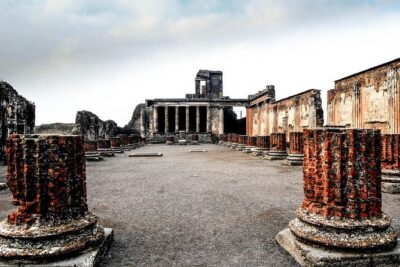
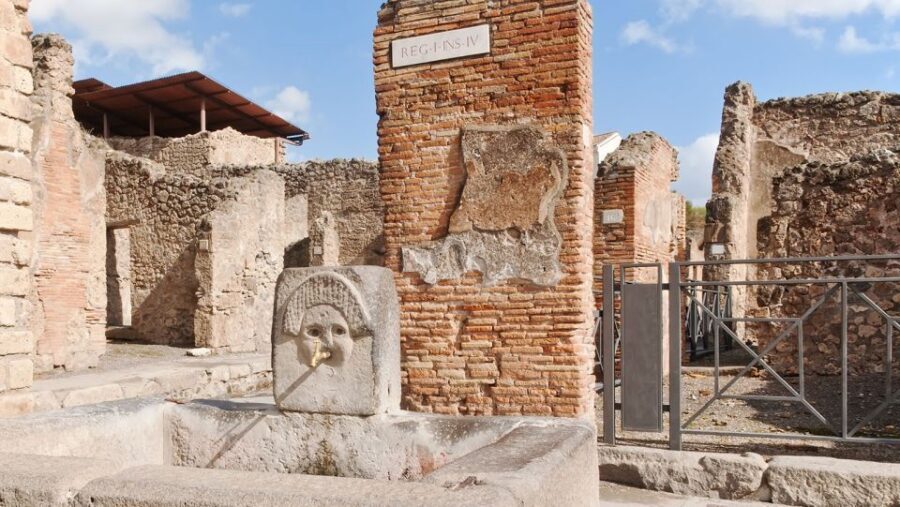
Inside Pompeii, the tour is built to give you a mental map quickly. Rather than treating everything as separate monuments, the walk connects spaces so you can understand how the city functioned—where people gathered, shopped, watched performances, ate, prayed, bathed, and lived.
You’ll start with the Pompeii Archaeological Site and then follow a guided route that includes major public and residential areas. Highlights include places such as the theater and the shopping street—good anchors for understanding what everyday life looked like in a Roman city.
Then the tour expands to the “big zones” many first-time visitors expect: forum spaces, bath houses, and a necropolis area. Those stops matter because they cover different parts of civic life: politics and commerce, hygiene and routine, and death and remembrance. Even if you’re not a history nerd, you’ll leave with a clearer picture of what kind of city Pompeii was.
The amphitheater and theater: where people watched life happen
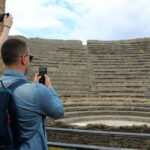
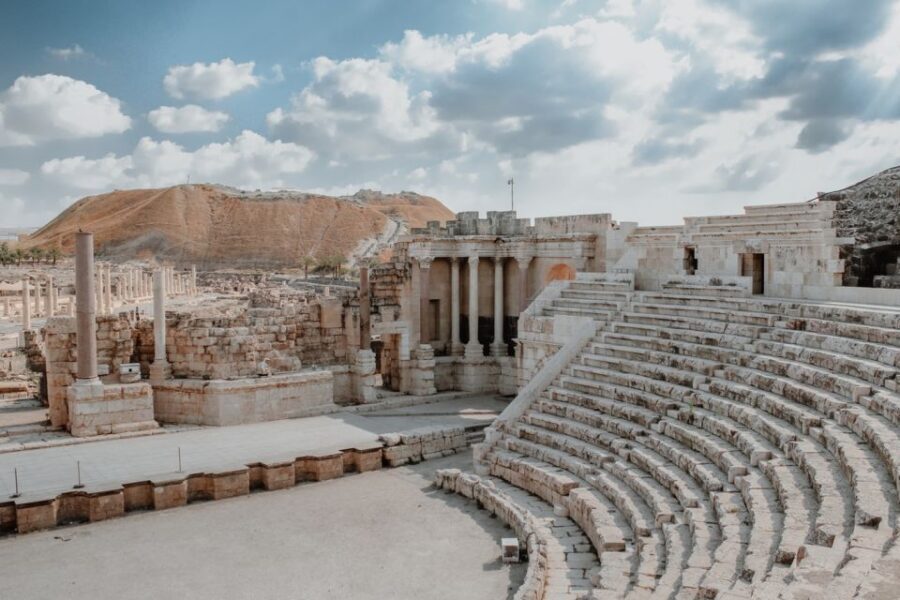
Roman entertainment wasn’t just for elites. Pompeii shows that in how prominent performance spaces were. On this tour, you get time at the theater—where citizens enjoyed performances—and you also see the amphitheater as one of the big, well-preserved highlights.
Why I think these stops are valuable: they help you stop seeing Pompeii as ruins and start seeing it as an operating city. When you stand in a performance space, it’s easier to picture noise levels, crowds, and daily routines. You’ll also better understand why public areas were built to last.
The amphitheater, in particular, works well as a “wow moment,” because you can usually recognize the shape and purpose instantly. The theater pairs with it nicely, so your brain gets both the “watching” and the “social gathering” sides of Roman life.
If you’re the type who likes your sightseeing to feel story-based, these performance areas are where that storytelling clicks.
Villa of the Mysteries and mosaic art you can actually read
Some ruins impress because they’re big. Others impress because of the details that survive. This tour leans into that second type of “wow.”
You’ll visit major preserved spots like the Villa of the Mysteries, along with colorful mosaic art. Mosaics in Pompeii aren’t just decorative; they show how people expressed identity and taste inside ordinary living spaces. In a short guided visit, it’s easy to forget that art was part of daily life, not just something placed for tourists. Seeing mosaics during a walk that also explains daily Roman routine helps you understand that connection.
The Villa of the Mysteries is also a strong choice because it’s the kind of site that makes people ask questions. The answer is usually the best part of a guided stop: you learn what the space suggests and why archaeologists care so much about how it has survived.
In hot weather, mosaics and interior-style details can be easier to focus on than sprawling outdoor streets. You might find yourself lingering longer than planned, which is a good sign—this tour gives you enough structure to make those details land.
Other private and VIP Pompeii tours





Streets, shops, and the Roman shopping street effect
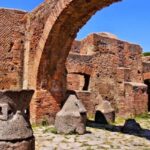
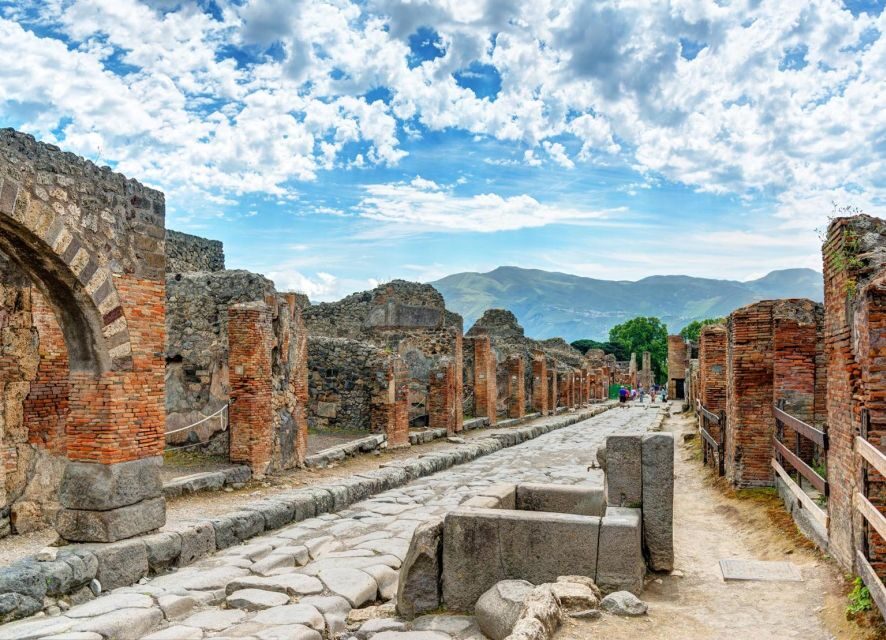
Pompeii is famous for street-level immersion—stone pathways, built-in entrances, and the sense that life was happening right up to the moment it stopped. On this day trip, you’ll stroll an ancient shopping street with preserved bakeries and pizzerias, plus you’ll see the feel of an everyday commercial district.
This is where Pompeii can start to feel less like a museum and more like a real place. When you walk a street where shops and food-related spaces were preserved, you get a clearer idea of how Roman daily routines worked. It also helps you visualize the soundscape: vendors, customers, deliveries, conversation.
The tour also includes a stop at the house of the richest man in Pompeii. That’s useful because it gives contrast. You can’t fully grasp a social system without seeing both extremes—public areas and luxury living.
Forum, necropolis, and baths: three stops that explain a whole society
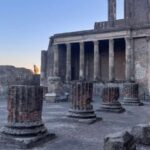
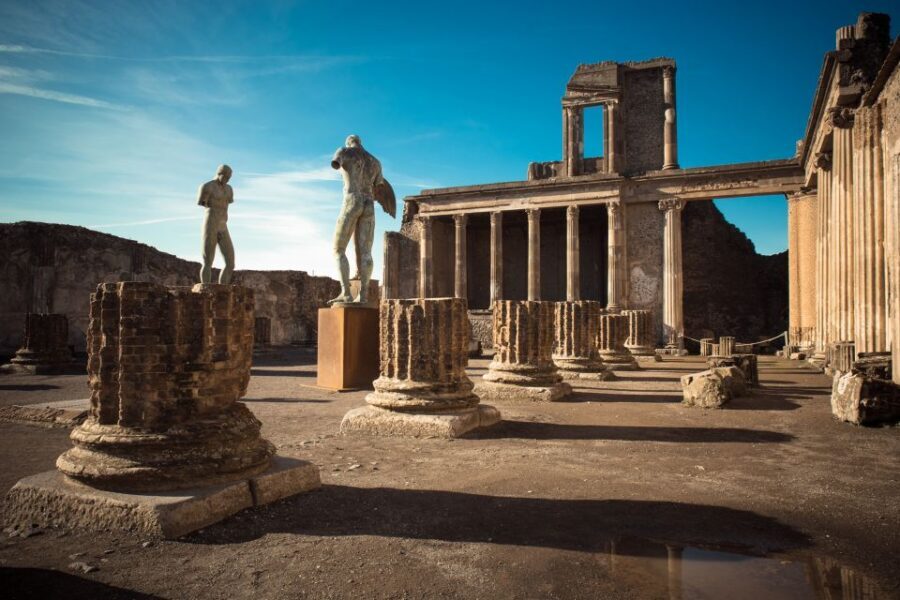
Public buildings are where Pompeii starts to make structural sense. The forum helps you understand civic life. The bath houses show routine and social habits tied to hygiene and relaxation. And a necropolis gives you a sense of how the city handled death and memory.
You may think bath houses sound dull until you see how central they were to daily life. Then it clicks: you’re not just looking at walls, you’re looking at rhythms—meeting neighbors, unwinding, and keeping up appearances.
The necropolis stop is equally important, even if it feels more sobering. It broadens the story beyond entertainment and shopping. You get a fuller view of Roman society in one pass.
If you want your first visit to feel coherent, this combination works. It prevents Pompeii from becoming a checklist of big names. You end with a sense of how the city functioned as a system.
Understanding the 79 AD destruction story without getting lost in facts
This tour doesn’t treat the eruption as a dramatic finale you ignore afterward. You hear the tale of how Pompeii was destroyed in 79 AD, and that timing anchors everything you see.
That matters because Pompeii’s power comes from preservation. You’re walking through spaces that were frozen in place rather than slowly rebuilt over centuries. When your guide connects the physical ruins to the catastrophe, the ruins stop being “old rocks” and start being evidence of real lives.
It’s also helpful for visitors who aren’t sure what to look for. If you’re unsure where to focus, the story gives direction: this street mattered, this building mattered, and the way things survived helps archaeologists piece together daily behavior.
The Cameos and Corals stop: what you gain if time allows
One extra option adds a practical crafts angle. If there’s time, you stop at a local factory to learn about the process of making cameos and corals—jewels made out of corals and seashells.
This isn’t Pompeii, but it’s a smart complement. Pompeii helps you understand ancient life; the cameo and coral craft connects the region’s materials and traditions to something you can still find today. Even a short explanation can help you recognize why these crafts are a known specialty in the area.
Since it’s noted as dependent on time, don’t plan your whole day around it. Treat it as a bonus if it happens.
Guide vs audio guide: how to get the right kind of narration
Here’s a key operational detail you should understand before you go: the tour uses a live guide in high season when there are at least 6 participants per language. If you’re in a smaller group—up to 5 participants—you’ll get an audio guide instead.
Both can work, but they’re not the same experience. A live guide can respond to the group’s pace and answer on-the-spot questions. Audio guides are still helpful, but you’ll rely more on your own attention and timing.
The good news: audio languages include French, Portuguese, Polish, Chinese, German, and Japanese. Live guide languages are Italian, English, and Spanish. If you care most about storytelling and smooth explanations, try to choose a time and language option where you’re more likely to get the live guide.
Also, because this is a small group tour, you’re usually not trapped with strangers for hours in silence. Even with audio, the walk feels structured rather than self-guided wandering.
Price check: what you’re paying for at $135.94
At $135.94 per person, this isn’t the cheapest way to reach Pompeii. The value comes from three things that are hard to replicate cheaply:
First, you’re paying for round-trip transfer from Naples, plus staff coordination around pickup. That saves mental energy and time.
Second, you pay for skip-the-line entry through a separate entrance. At Pompeii, line time can stretch, and that’s the fastest way to lose your day trip advantage.
Third, you pay for interpretation—live guide when available, plus audio support if not. Pompeii is massive, and a guided route makes the “what you’re seeing” part much easier.
If you’re the kind of traveler who enjoys reading signs and researching on your own, you might do fine on a self-guided visit. But if you want your first Pompeii visit to feel coherent and not stressful, the price often feels justified for the time you save.
What to bring (and what to wear) for comfort at Pompeii
Pompeii is an open-air walking day. Come prepared and you’ll enjoy it more.
Bring:
- Comfortable shoes (you’ll be walking on uneven ancient surfaces)
- Hat and sunscreen for sun exposure
Not allowed:
- Oversize luggage (plan to travel light so pickup and movement stay easy)
Also, give yourself a buffer at pickup. The driver waits up to 5 minutes, which is friendly—but you still want to be ready.
If it’s a hot day, you’ll feel it once you’re out in the ruins. The AC on the transfer helps, but the walking itself is still sun-exposed.
Who this VIP Pompeii tour is best for
This tour fits best if you:
- want a first visit to Pompeii with a guided focus on key sights
- prefer small groups over big buses
- value smooth logistics from Naples rather than planning every detail
- like your sightseeing tied to a story of daily life and the 79 AD destruction
It’s not suitable for people with mobility impairments and it’s not for wheelchair users. Pompeii’s uneven surfaces and the amount of walking you’re doing make that a dealbreaker.
If you’re traveling as a couple, a small family group, or solo, the small-group cap helps keep the day manageable.
Should you book this Naples to Pompeii VIP guided tour?
If your goal is to see the major highlights of Pompeii in a day without wasting time, I’d book it. The combo of skip-the-line entry, round-trip transfer, and a tight 2-hour guided walk gives you a strong Pompeii experience without turning your day trip into a full-day survival test.
I’d hesitate only if you crave long, unstructured wandering or if accessibility needs are a factor. For everyone else, this is a smart way to get oriented, understand what matters, and leave with Pompeii still feeling like a place people lived—not just an archaeological site.
FAQ
How long is the Pompeii part of the tour?
The full experience is about 3.5 hours, with 2 hours spent on the Pompeii guided walking tour.
Do I get a live guide, or is it audio instead?
A live guide is provided in high season when there are at least 6 participants per language. If the group is smaller (up to 5 participants), you’ll use an audio guide.
What languages are available?
Live guide languages are Italian, English, and Spanish. Audio guides are available in French, Portuguese, Polish, Chinese, German, and Japanese.
Is skip-the-line entry included?
Yes. The tour includes skip-the-line access via a separate entrance.
What should I bring to Pompeii?
Bring comfortable shoes, a hat, and sunscreen.
Is this tour suitable for wheelchair users or people with mobility impairments?
No. It’s not suitable for wheelchair users or people with mobility impairments.