REVIEW · POMPEII ARCHAEOLOGICAL SITE
Pompeii 2-Hour Private Tour
Book on GetYourGuide →Operated by Italy Roots Travel · Bookable on GetYourGuide
Pompeii feels personal with the right guide. This 2-hour Pompeii 2-Hour Private Tour gets you into the ruins fast at Scavi Villa dei Misteri, then focuses on the Forum, the Temple of Jupiter, and the plaster casts that preserve the 79 AD tragedy. I especially like the skip-the-ticket-line advantage and the way a private group format makes it easier to ask questions and follow the story of everyday Roman life. The main consideration: you cover the highlights quickly, so comfortable shoes and a steady pace matter.
What makes this experience click is the emphasis on how people actually lived. The tour is built around streets, shops, and homes, so you’re not just seeing big landmarks. You’re learning why the city’s layout, artwork, and everyday spaces were set up the way they were, including the fact that very different social classes lived close together.
In This Review
- Key things I’d count on
- Meet at Scavi Villa dei Misteri: start where the ruins begin
- Two hours in Pompeii: the private format that keeps momentum
- Forum and Temple of Jupiter: where Pompeii’s power and faith met
- Rich houses and ordinary streets: the social mix you can actually walk through
- Plaster casts of victims: what you’ll see, and how to handle it
- How the guide makes Pompeii click in a short time
- Price and value: what $181.26 per person buys you
- Packing list and on-site rules that affect your comfort
- Who this Pompeii 2-hour private tour suits best
- Should you book this Pompeii 2-hour private tour?
- FAQ
- Where does the Pompeii tour start?
- How long is the Pompeii 2-hour private tour?
- Is the entry ticket included?
- Do we skip the ticket line?
- What languages are available for the guide?
- What should I bring?
- Are large bags allowed inside Pompeii?
- Is it suitable for wheelchair users or mobility impairments?
- Is free cancellation available?
Key things I’d count on
- Meet at Scavi Villa dei Misteri and start right at the site entrance area
- Forum and Temple of Jupiter anchor the political and religious story
- Rich houses plus everyday streets show the social mix of Pompeii
- Plaster casts of victims turn history into something you can picture
- Licensed English-speaking guide with flexible, question-friendly pacing
- Two hours of focused highlights leave you ready to explore on your own
Meet at Scavi Villa dei Misteri: start where the ruins begin
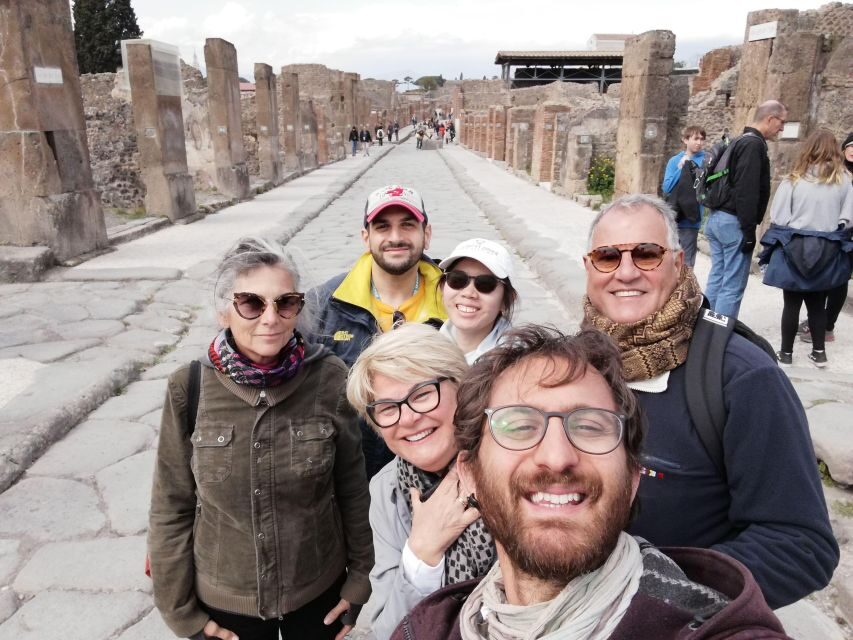
Your tour starts at Via Villa dei Misteri, 2 with the meeting point set outside the Pompei Villa dei Misteri train station area (listed address: Via Villa dei Misteri, 1). Plan to arrive about 10 minutes early, because the guide will be holding a sign with your name.
This matters more than it sounds. Pompeii can feel like a maze once you’re there, and that small bit of structure helps you get oriented without wasting time. If you’re coming by train, you’ll also appreciate that the start point is right by the Scavi Villa dei Misteri station.
Also check the bag rules before you head out. Bags larger than 30x30x15 cm aren’t permitted in the archaeological areas, but there are free cloakrooms at access points, so you’re not forced to carry everything on the walk.
Other private and VIP Pompeii tours
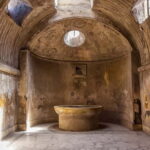
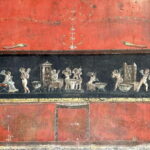
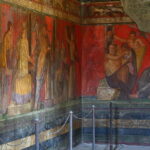
Two hours in Pompeii: the private format that keeps momentum
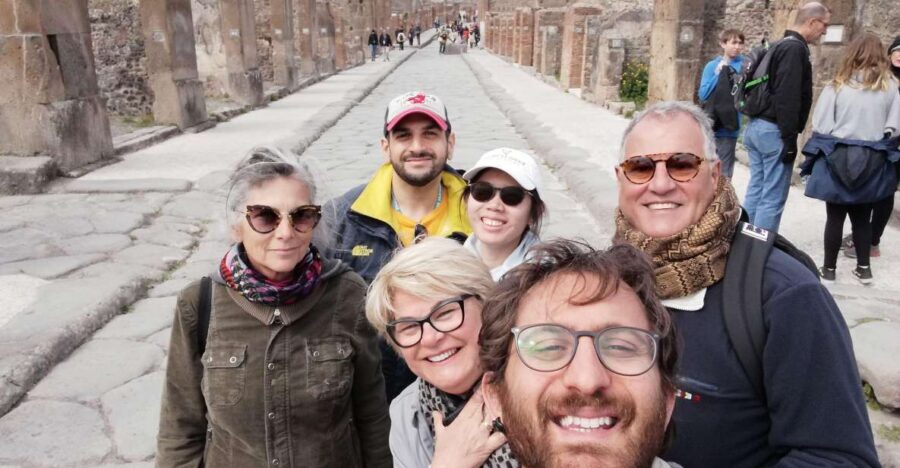
This is a private group tour with a tight 2-hour timeline. That short duration is a feature if you’re trying to see Pompeii efficiently, especially if you also want time later for wandering, photos, or a second stop on your own.
The biggest practical win is not having to burn time queued at entry. The tour includes entry tickets and you get skip-the-ticket-line access, which is a real morale boost when you arrive already warm, already tired, and already surrounded by crowds.
A private setup also changes how the tour feels. Instead of listening while craning your neck over other people, you can keep your attention on what the guide is pointing out and ask follow-up questions as you go. In Pompeii, that’s huge, because details are everywhere: walls, thresholds, room layouts, and the way streets connect to homes and shops.
The one drawback is obvious: with only two hours, you’re not doing a full museum walk of every corner. You’ll get the story and the core sites, but you need to accept that you are choosing highlights, not checking every building.
Forum and Temple of Jupiter: where Pompeii’s power and faith met
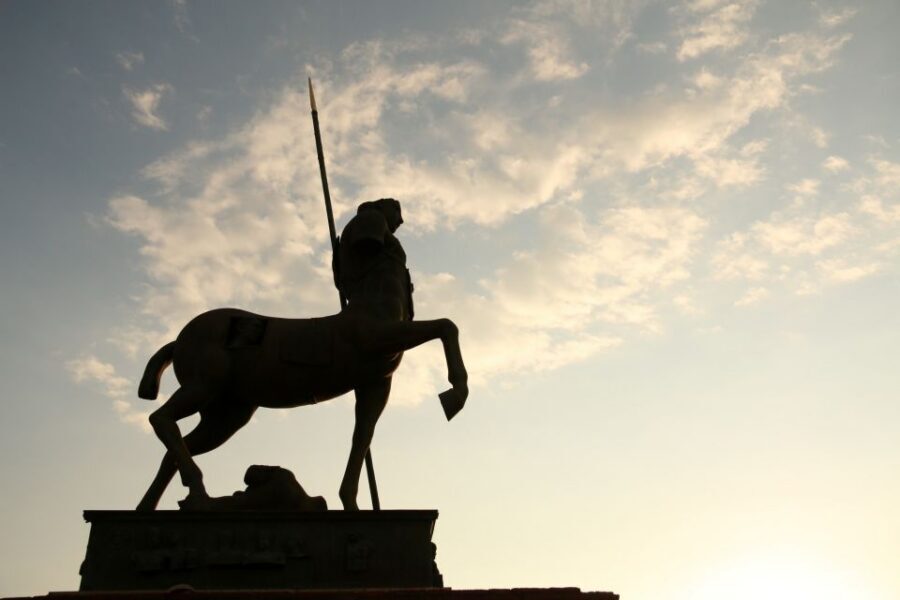
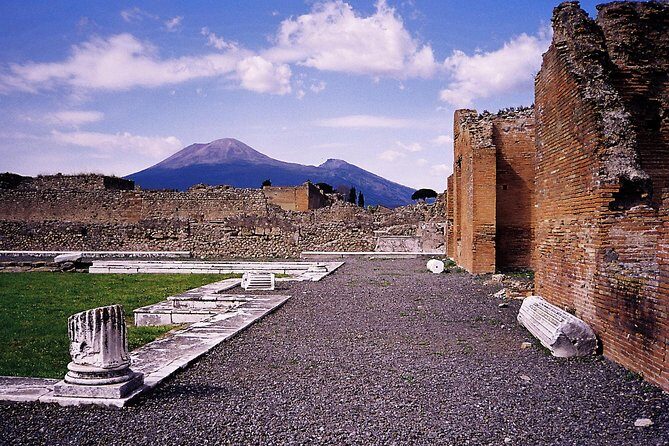
Pompeii’s Forum is the heart of its religious, cultural, and political life, and this tour uses it as a backbone. You’re not just passing by the big open spaces. The guide explains what the Forum meant in the rhythm of daily life, and why public buildings weren’t separate from private living.
The Temple of Jupiter is called out as another iconic stop, and it fits perfectly with the Forum theme. Together, these sites help you understand that Roman city life wasn’t only about commerce or entertainment. Religion and civic identity were part of the everyday map.
What I like about this approach is that it gives you a framework. Once you know what the Forum represented, a lot of what you see elsewhere starts making sense. For example, you begin noticing how buildings relate to movement through the city, how spaces are used for gatherings, and how Roman design reinforced social order.
Rich houses and ordinary streets: the social mix you can actually walk through
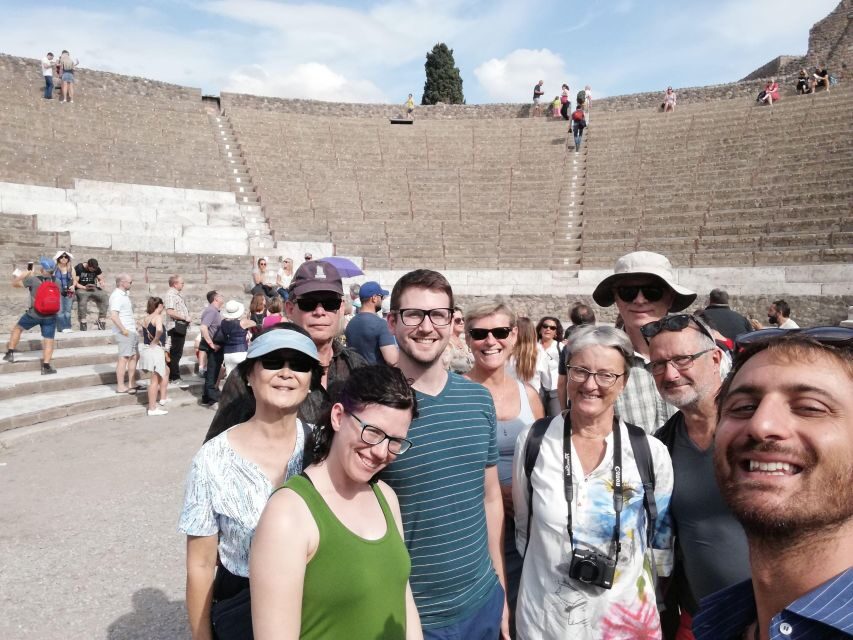
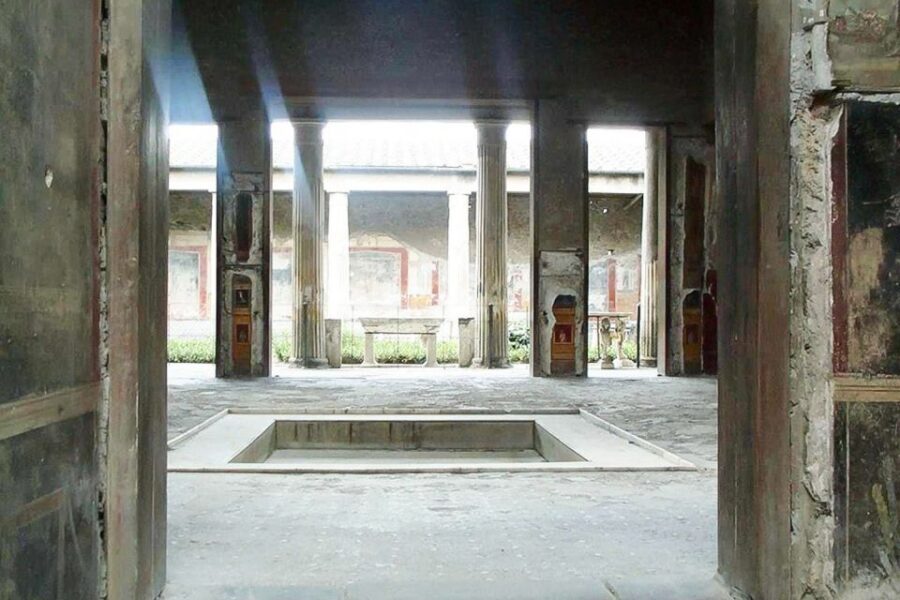
Pompeii’s shock value isn’t just the destruction. It’s the way the city shows different lifestyles sharing the same streets. This tour leans into that, guiding you through ruins of shops, houses, and streets, then highlighting some of the richest houses in the city.
That pairing is smart. If you only see luxury homes, Pompeii can start feeling like a theme park of wealthy Roman taste. If you only see basic streets and small spaces, you miss how status shaped daily life. But when the tour puts them side by side, you can see the contrast—and you can understand how ordinary people and very rich families lived close to each other.
Your guide will connect what you see to Roman daily life, including the role of slaves and the realities of ordinary households versus wealthy ones. Even with a short tour, the goal is to help you read the ruins like a living city: where people bought things, where they worked, where they relaxed, and how homes functioned as both private space and a statement of status.
One more detail that makes this feel real: the tour focuses on the technical, artistic, and historical aspects of a city destroyed in 79 AD. So you’re not only learning what something was, you’re learning how and why it was built the way it was.
Plaster casts of victims: what you’ll see, and how to handle it
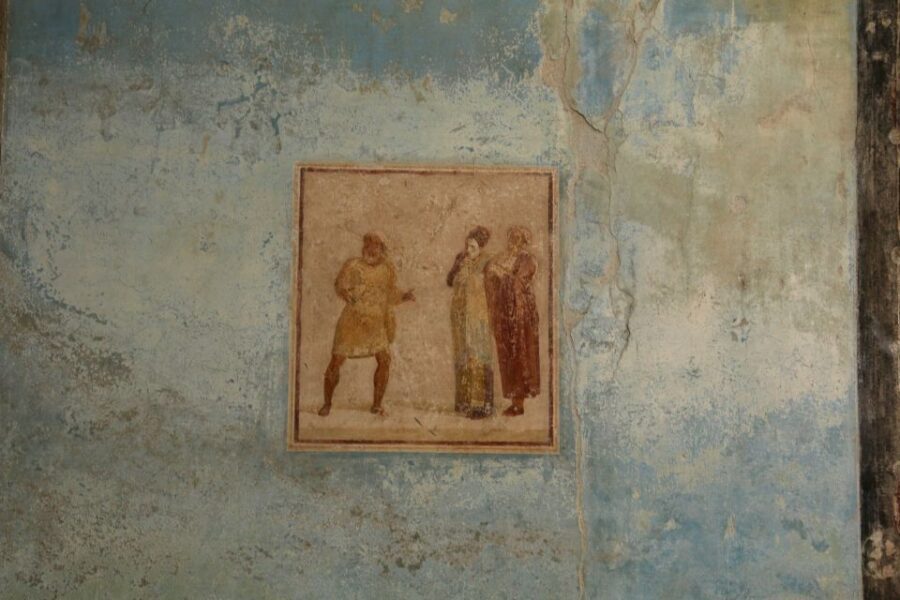
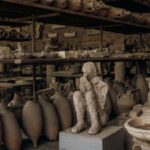
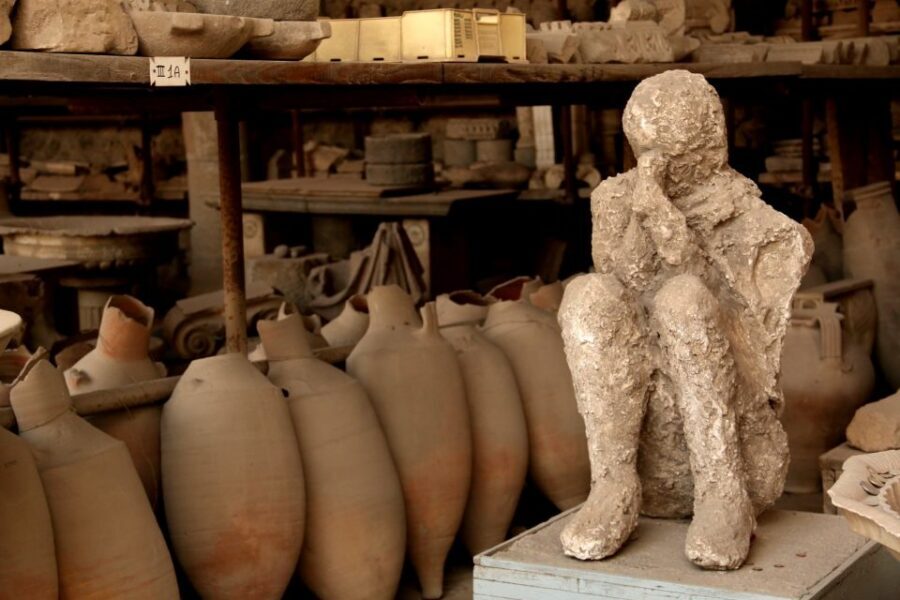
One of Pompeii’s most unforgettable elements is the plaster casts of victims, described here as bodies frozen in time. This tour includes that viewing, and it’s one of the main reasons Pompeii can feel so emotionally heavy compared with other ancient ruins.
Practically, the cast displays help you visualize scale and human detail. Even if you’ve heard about Pompeii’s eruption story, seeing these forms in place makes the tragedy immediate. A good guide also helps you process what you’re seeing by framing it within the broader history of the city and the eruption of Vesuvius in 79 AD.
Personally, I find it helps to stay grounded in how the tour is structured. You’re not dropping into the cast area without context. The route is set up so that earlier stops give you a sense of the city’s normal life—Forum and everyday streets—so the cast section lands as the rupture of that normal world.
A simple tip: bring water and take small breaks as needed. Pompeii can be mentally intense, and heat can add stress. A calm pace makes the experience more meaningful and less tiring.
Other half-day Pompeii tours
How the guide makes Pompeii click in a short time
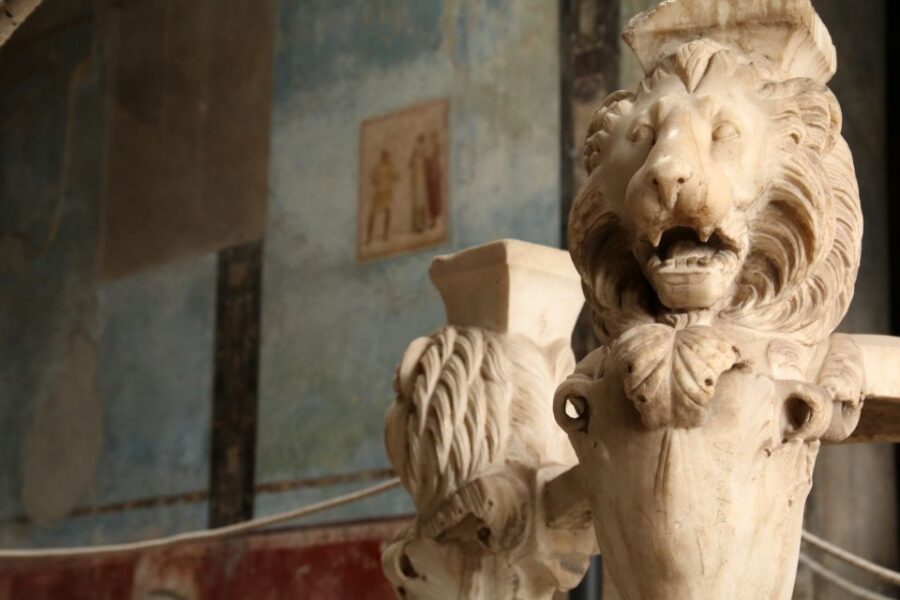
The tour is led by a licensed, English-speaking guide (and the service lists English, Italian, and Spanish as available languages). In a place this big, having someone connect the dots is the difference between seeing ruins and understanding a city.
I also like that this tour is described as tailored, with a route that can include hidden treasures that many other tours miss. That matters because Pompeii can feel uneven: if your first exposure is mostly high-profile spots, you might miss the smaller clues that give you real insight into daily living.
The guide’s role is also about pacing and clarity. One of the most praised parts of the experience is how the guide can answer questions and adjust explanations so they don’t feel overwhelming. That’s especially useful if you’re traveling with kids, because you need context that doesn’t bury the story under too much detail.
There’s also a practical comfort factor in private group tours. You can ask for time to take photos, pause for a restroom break, or shift the order of what you prioritize, as long as the 2-hour plan holds.
Price and value: what $181.26 per person buys you
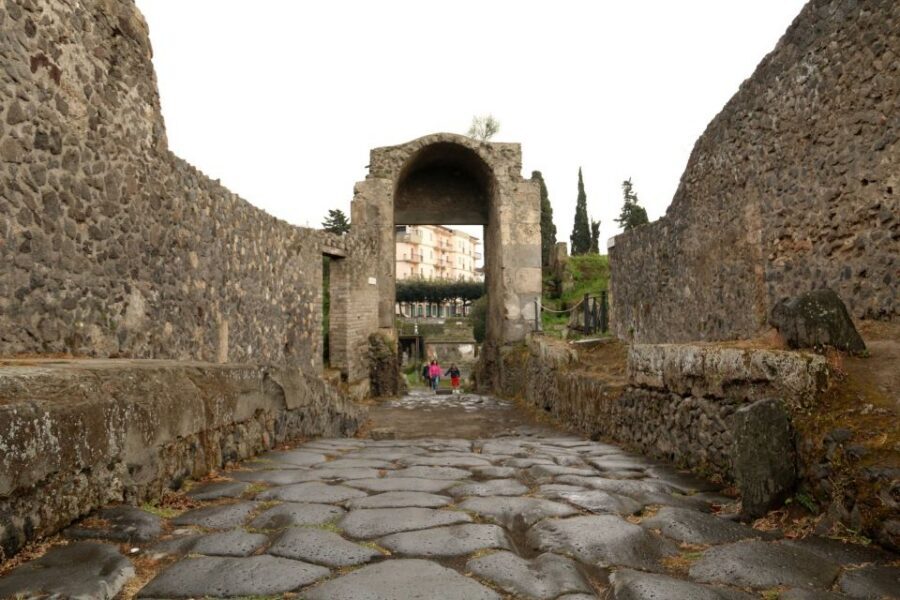
At $181.26 per person for a 2-hour private experience, this isn’t a budget tour. So let’s talk value in real terms.
You’re paying for four things that matter in Pompeii:
- A licensed guide who helps you interpret what you’re seeing
- Entry tickets included
- Skip-the-ticket-line convenience
- A private group experience, meaning you’re not competing with a large crowd for your guide’s attention
If your goal is a fast, high-impact introduction to Pompeii’s highlights, this pricing starts to feel more reasonable. You aren’t just buying access to ruins; you’re buying help with how to understand them.
If you already love self-guided archaeology and you’re happy reading signage, you may feel the cost more sharply. But for most people—especially first-timers, families, or anyone trying to avoid time-wasting lines—the structure earns its keep.
Packing list and on-site rules that affect your comfort
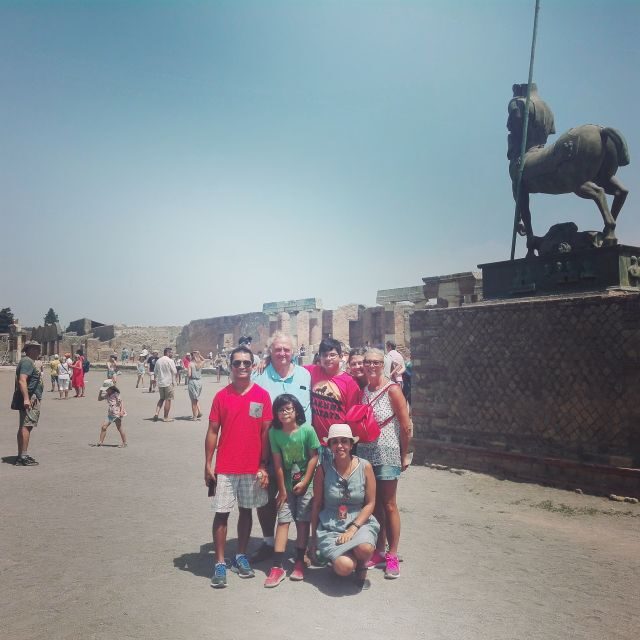
Pompeii rewards good planning. Here’s what you should bring based on the tour guidance:
- Passport or ID card (and bring it even for those under 18 to get free admittance)
- Comfortable shoes (expect uneven ground)
- Hat and sunscreen (sun protection is not optional)
- Water, with a bottle for each person
- An umbrella if you want flexibility for sun or sudden weather
Also plan for the bag restrictions. Large bags and luggage aren’t allowed in the sites, and bags over 30x30x15 cm are not permitted. The good news is that there are free cloakrooms available at access points, so you can still travel light without sacrificing belongings.
Finally, remember the simplest rule for a smoother start: arrive early, look for the guide holding your name sign, and don’t show up with bags that will force delays at the entry controls.
Who this Pompeii 2-hour private tour suits best
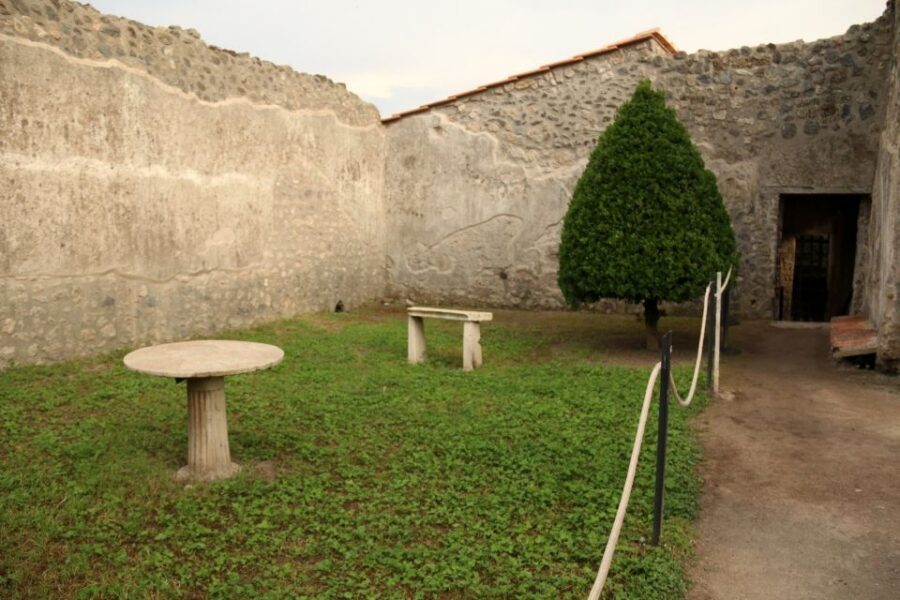
This tour is a strong fit if you want:
- A high-impact Pompeii introduction without doing a full all-day visit
- Focus on the Forum, the Temple of Jupiter, rich houses, and the plaster casts
- A licensed guide who can keep the experience understandable, not just recited
- Fewer crowd headaches, since it’s a private group with ticket-line skipping
It may not be the best fit if you need a very slow, flexible walking pace. The activity notes indicate wheelchair accessibility, but it also states it’s not suitable for wheelchair users and for people with mobility impairments. If mobility is part of your planning, treat that as a yellow flag and confirm details with the provider before booking.
Should you book this Pompeii 2-hour private tour?
If you want Pompeii without aimless wandering, I think this is an excellent choice. You get the core sites that explain how the city worked (Forum and Temple of Jupiter), plus the emotional anchor of the plaster casts, all in a guided format that saves time at entry.
Book it if your schedule is tight and you value interpretation—seeing how Romans lived, not only what’s left standing. Consider it less if you’re trying to cover every building in Pompeii or you’re extremely budget-sensitive.
If you want a smart first visit that helps you understand the ruins fast, this private, skip-the-line, 2-hour tour is a solid bet.
FAQ
Where does the Pompeii tour start?
Meet in front of the Pompei Villa dei Misteri train station area at Via Villa dei Misteri, 1, 80045 Pompeii. The tour starts at Via Villa dei Misteri, 2.
How long is the Pompeii 2-hour private tour?
The duration is 2 hours. Starting times depend on availability.
Is the entry ticket included?
Yes. Entry tickets are included in the tour price.
Do we skip the ticket line?
Yes, this tour includes skip-the-ticket-line entry.
What languages are available for the guide?
The live tour guide is available in English, Italian, and Spanish.
What should I bring?
Bring a passport or ID card (including for those under 18), comfortable shoes, a hat, sunscreen, and water for each person. An umbrella can also help.
Are large bags allowed inside Pompeii?
No. Luggage or large bags are not allowed in the archaeological sites if they exceed 30x30x15 cm. There are free cloakrooms at the access points.
Is it suitable for wheelchair users or mobility impairments?
The activity lists wheelchair accessibility, but it also states it is not suitable for wheelchair users and for people with mobility impairments. You should check before booking.
Is free cancellation available?
Yes. You can cancel up to 24 hours in advance for a full refund.