REVIEW · POMPEII ARCHAEOLOGICAL SITE
Pompeii: Skip-the-Line Tickets and Tour with Archaeologist
Book on GetYourGuide →Operated by Raphael Tours & Events · Bookable on GetYourGuide
Pompeii clicks faster with a guide. This small-group, skip-the-line tour gets you into the ruins quickly with archaeologist-led storytelling and instant access rather than waiting outside. You walk the streets and landmarks of an ancient city that was buried under ash, then explained in a way that makes the place feel human again.
I especially like that you cover big, recognizable Pompeii moments plus the little daily-life details, all with a real field archaeologist style of interpretation. One consideration: Pompeii is huge, so in two hours you’ll see a strong highlights route, not the whole site.
Meet your guide at the Coffee Shop Vittoria near the Porta Marina Inferiore entrance, and then you’ll head straight into the archaeological area. The tour runs in English and focuses on making what you’re seeing make sense—then you can keep exploring on your own right after.
In This Review
- Key Things That Make This Pompeii Tour Work
- Skip the Crowds at Porta Marina Inferiore
- Coffee Shop Vittoria Meeting: What Happens Before You Enter
- What You’ll See on Foot: Streets, Villas, Bread Ovens, and More
- Pompeii’s Daily Life Storyline (Gym, Triclinium, Market, Forum)
- Small-Group Timing, Headsets, and the Pace You’ll Want
- Price of $105: Is This Tour Worth It?
- Should You Book This Archaeologist-Led Pompeii Tour?
- FAQ
- Where do I meet the guide?
- How long is the Pompeii tour?
- Is skip-the-line access included?
- Does the price include admission tickets?
- Is the tour offered in English?
- Is lunch or drinks included?
- What should I bring, and what isn’t allowed?
- Can I cancel and get a full refund?
Key Things That Make This Pompeii Tour Work
- Skip-the-line entry via a separate entrance so you start exploring sooner
- Archaeologist guide commentary focused on how people lived, not just what’s broken
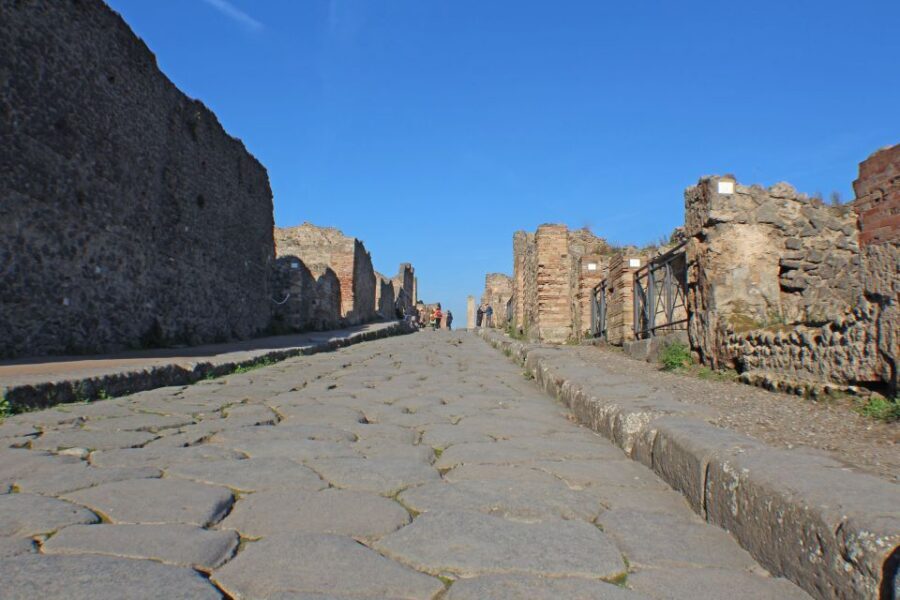
- Walking on original volcanic stone pavement, which makes the city feel real underfoot
- Daily-life stops built around themes like food, public life, and domestic living
- Small-group pacing with time for questions and photos
Skip the Crowds at Porta Marina Inferiore
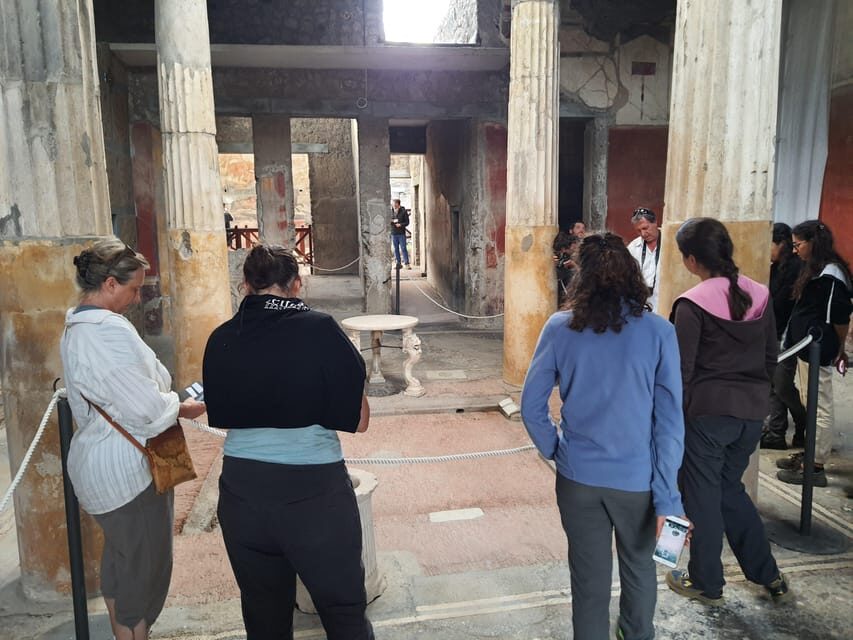
One of the best parts of this tour is the straightforward goal: reduce your time standing in line. Instead of getting stuck in Pompeii’s bottlenecks, you go through a separate entrance and begin the visit with less friction. That matters because the site is sprawling, and time spent waiting is time you can’t get back.
Also, Pompeii rewards momentum. When you enter with a guide’s framing, the ruins stop feeling like disconnected walls and start reading like a city map in your head. You’ll be guided through key areas, then brought back to the “why” behind what you see—Roman daily life, public routines, and how spaces were used.
The other practical benefit: a tour like this helps you avoid the first-day confusion that comes from Pompeii’s scale. If you’re short on time, this is a solid way to get oriented fast.
Other Pompeii tours with an archaeologist
Coffee Shop Vittoria Meeting: What Happens Before You Enter
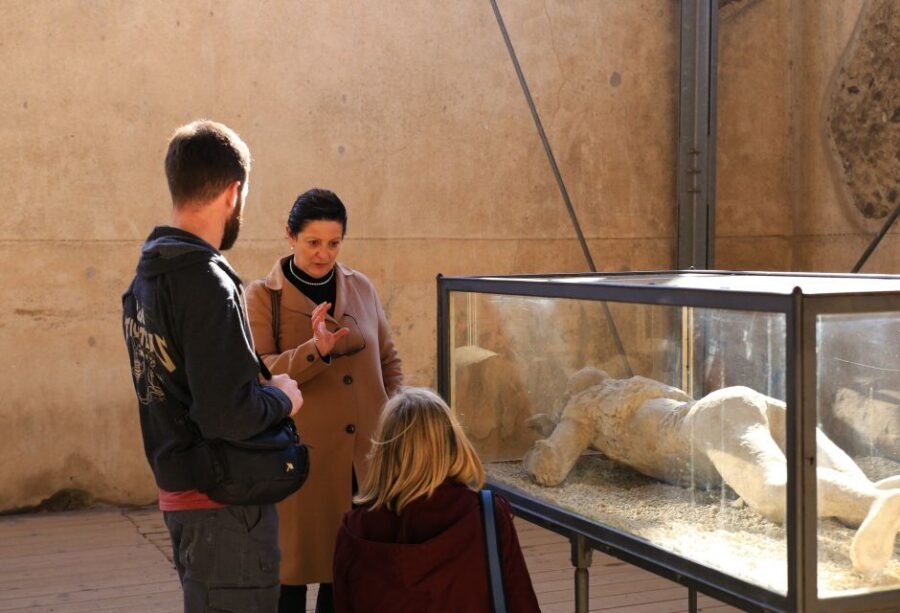
You’ll meet your archaeologist guide at the entrance of Coffee Shop Vittoria, close to the Porta Marina Inferiore entrance. The good news is that the meeting spot is specific and not vague. If you arrive early, you can settle your nerves, plan your photos, and make sure you’ve got comfortable shoes ready.
Before you head in, you’ll want to be ready for a few on-site rules. Baby strollers aren’t allowed, and the tour doesn’t take luggage or large bags. Umbrellas aren’t allowed either. If you’re traveling light, you’ll have an easier time moving as a group, especially when you’re switching between viewpoints and open streets.
What’s included is simple and fair: you get a professional guide and admission tickets to the site. What’s not included is also clear: lunch and drinks, plus hotel pickup and drop-off. So plan to handle meals on your own, and build this tour into a wider Pompeii plan rather than expecting it to be a full-day solution.
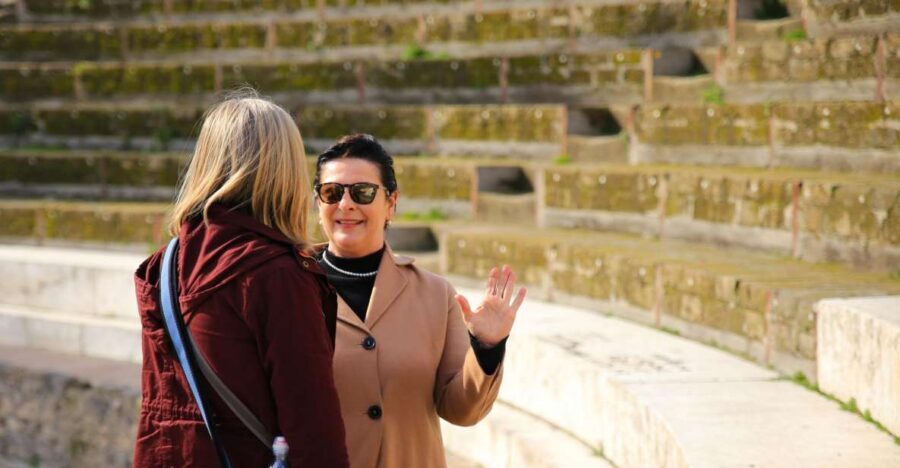
The tour is in English, and the format is designed so you don’t have to crowd the guide. In at least some groups, headsets have been provided, which means you can keep your eyes on the ruins while still hearing the explanation.
What You’ll See on Foot: Streets, Villas, Bread Ovens, and More
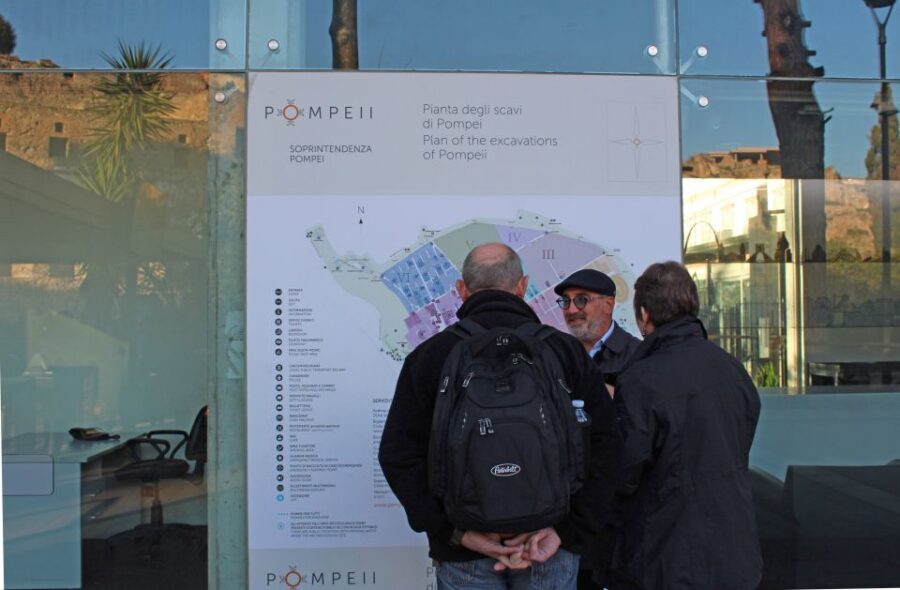
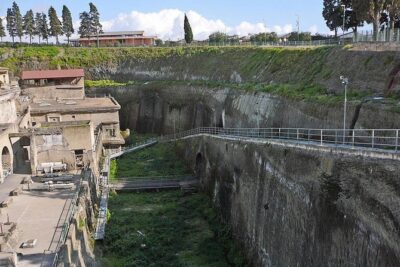
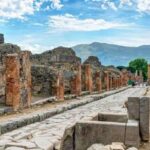
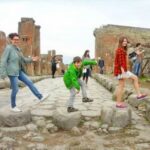
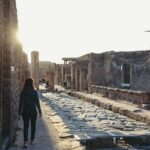
This is a walk-through Pompeii experience, not a bus ride with quick stops. You’ll spend your time moving through remaining streets and major landmarks, with the focus on helping you understand what you’re looking at as you go. A standout detail is that you may walk on the original volcanic stone pavement, which gives you a very direct sense of the city’s physical layout.
The tour’s storytelling tends to follow a theme: what ordinary people did from day to day. You’ll hear descriptions that make spaces feel active again—things like the daily routine, where people gathered, and what kinds of buildings shaped social life. One person described it as immersive storytelling rather than a standard “lecture tour,” and that matches the overall design here.
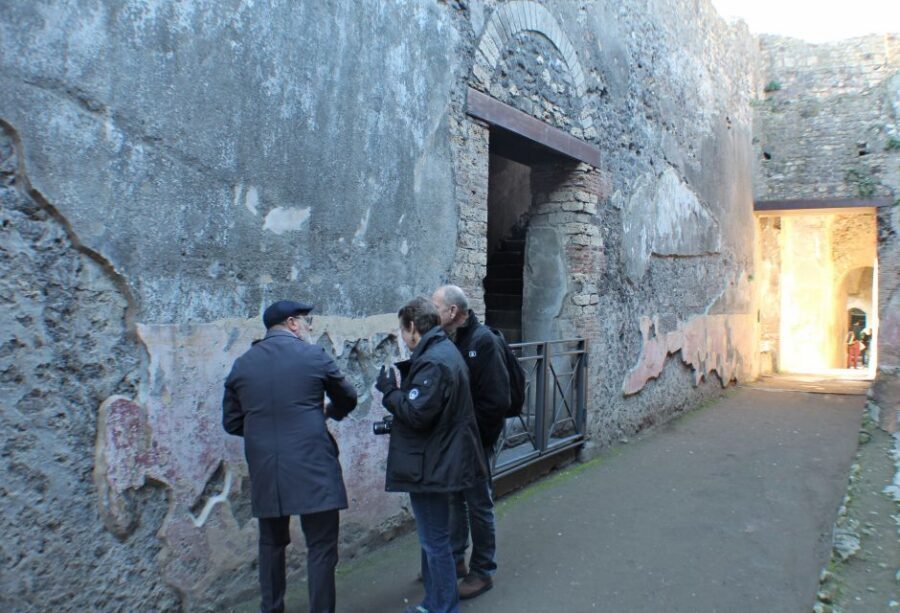
You also get a sense of Pompeii’s preservation and its limits. The ruins are remarkably intact in places, but excavating and restoring this kind of site isn’t quick or cheap. Expect the guide to explain why excavation work is slow and careful, and why the site you see today is a product of decades of painstaking work.
If you’re the type who gets more out of ruins when you have a “what was this used for” answer, you’ll get a lot from this tour.
Pompeii’s Daily Life Storyline (Gym, Triclinium, Market, Forum)
Where this tour really shines is its chosen path through daily-life themes. Rather than only pointing at dramatic structures, the archaeologist guide connects spaces to behaviors. You’ll get images in your head quickly: the workout space where gladiators trained, the home dining area where people reclined for meals, and the food-production world behind the scenes.
Here are the core storyline moments you should expect:
- A gymnasium setting: the tour frames it as a place of training and discipline, helping you picture what daily routines looked like
- A triclinium meal setting: you’ll hear about Roman dining style, including how people used seating and space during feasts
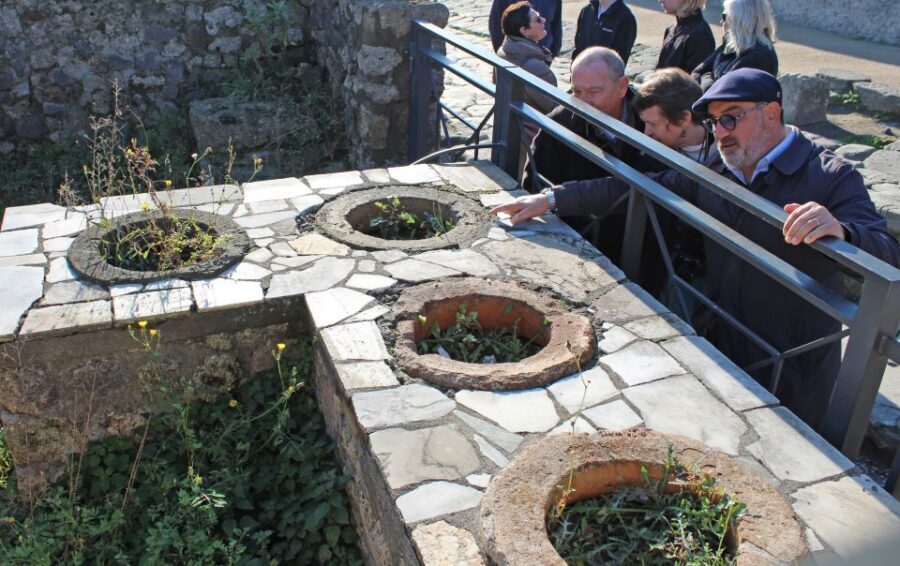
- Ovens and bread-making: the tour brings up the everyday food process, including the idea of fresh bread rising in the ovens
- Market walking: you’ll follow paths that show where people moved, shopped, and interacted
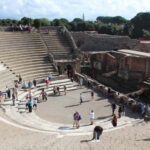
- The Forum: the guide connects civic spaces to public life, including how people gathered around politics and announcements
These stops are valuable because they turn Pompeii into a living social system. You’re not just seeing buildings; you’re seeing roles: who worked, who ate, who argued or campaigned, and how people used public and private spaces.
One more angle that comes through in the best guide styles: sensitivity to real people. Some guides have been praised for treating personal, human stories with care rather than turning everything into a spectacle. That changes the tone of the visit, and it’s a big reason this kind of tour can feel more meaningful than wandering alone.
Small-Group Timing, Headsets, and the Pace You’ll Want
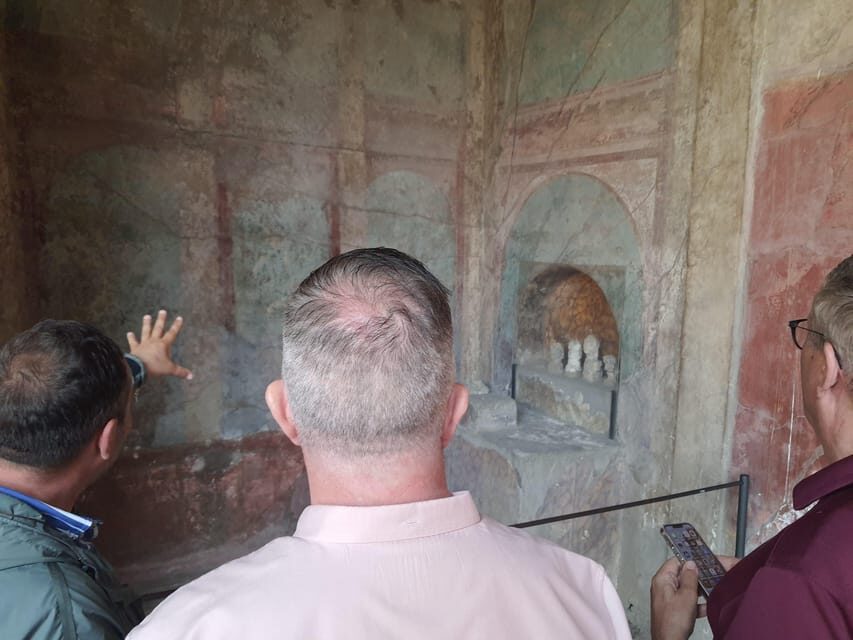
This is a small-group tour, and that’s not a throwaway detail. Smaller groups make it easier to slow down at the right moments, answer questions, and keep everyone moving without feeling herded. Some groups have been described as around 15 people, which is the sweet spot for a guided walk: big enough to feel lively, small enough to stay coordinated.
The timing also helps. The tour is listed at 2 hours, but some departures have run closer to about 2.5 hours depending on how things flow. Either way, it’s short enough to be manageable and long enough to cover a meaningful chunk of the site.
The pace is designed to avoid the worst crowd traps. In a place like Pompeii, people tend to cluster at the most photogenic corners. A good archaeologist guide helps you manage that pressure by guiding you through busy areas efficiently and keeping your attention on what matters. You’ll also have time for photos and questions, rather than being rushed from one photo spot to the next.
At the end, many tours finish near the train station area, which can be handy if you’re continuing your day by rail back toward Naples or connecting to another stop.
Other skip-the-line Pompeii tickets and tours

Price of $105: Is This Tour Worth It?
At $105 per person for a 2-hour guided visit, you’re paying for three things: skip-the-line access, an archaeologist-led explanation, and admission included in the price. You’re also buying back your own time and attention.
Here’s the value equation that usually makes sense:
- If you arrive at Pompeii and plan to wander on your own, you’ll spend a lot of effort figuring out what you’re looking at.
- If you book this, you trade some flexibility for clarity. The guide helps you interpret the buildings and spaces, so your self-guided time afterward (if you add it) becomes much more rewarding.
This is also a “pay for the right kind of expertise” price. The guides attached to this tour have repeatedly been described as engaging, humorous, and interactive, including guides with names like Lallo, Lello, Italo, Anna, Maria, and Leonardo. Those are the styles you want here: explain without talking down, connect the ruins to human routines, and keep the group moving.
The rating is strong too—4.9 out of 5 with 467 reviews—which fits the overall pattern: people come away feeling they understood Pompeii rather than just photographed it.
If you’re traveling with kids or teens, this tour can work well because it leans into storytelling and interaction. If you’re visiting solo or as a couple, it’s equally useful for getting oriented quickly and learning the “why” behind what you see.
Should You Book This Archaeologist-Led Pompeii Tour?
I’d book it if your goal is understanding, not just checking Pompeii off a list. The skip-the-line setup is worth it, and the daily-life storyline is what makes the ruins click. You’ll walk away with a stronger sense of how the city functioned—food, public life, training spaces, home dining—rather than a handful of disconnected views.
I’d think twice if you want to see Pompeii slowly and spread out over the whole site. Two hours is a highlight route. You’ll still want extra time on your own afterward if you want to linger in multiple neighborhoods.
My practical advice before you go:
- Wear comfortable shoes. You’ll be walking on uneven stone.
- Bring a sun hat and sunscreen. The site can be exposed.
- Don’t plan on lunch being handled for you. This tour doesn’t include food or drinks.
- Skip the big items. No luggage/large bags, no strollers, and no umbrellas.
- If you’re traveling with children, bring their passport or ID since names must match what’s on the document.
If you match the pace and expectations, this is one of the most efficient ways to get real value out of Pompeii—without spending your energy in lines.
FAQ
Where do I meet the guide?
You meet the guide at the entrance of Coffee Shop Vittoria, close to the Porta Marina Inferiore entrance.
How long is the Pompeii tour?
The tour duration is listed as 2 hours.
Is skip-the-line access included?
Yes. You get skip-the-line entry through a separate entrance.
Does the price include admission tickets?
Yes. Admission tickets to the site are included, along with a professional guide.
Is the tour offered in English?
Yes, the live tour guide is English.
Is lunch or drinks included?
No. Lunch and drinks are not included.
What should I bring, and what isn’t allowed?
Bring comfortable shoes, a sun hat, sunscreen, and an ID document for children. Baby strollers, luggage or large bags, and umbrellas aren’t allowed.
Can I cancel and get a full refund?
Yes, free cancellation is offered up to 24 hours in advance for a full refund.