REVIEW · POMPEII
Pompeii 2 hours Private guided tour, A JOURNEY THROUGH THE TIME
Book on Viator →Bookable on Viator
Pompeii feels close when you have a guide. This private visit is a fast, friendly way to see the Roman streets of Pompeii and reach the Forum, with original frescoes and mosaics along the route. You’ll finish with a clear, memorable Vesuvius moment instead of wandering around hoping you picked the right things.
I especially like the private group pace, which makes it easier to ask questions without feeling rushed or shuffled. I also like the guide support, including help finding the right entrance and clear instructions so you lose less time dealing with logistics.
One possible drawback: Pompeii entry is not included. You’ll need to budget separately for the admission ticket, and you’ll be walking outdoors for about two hours.
In This Review
- Key highlights at a glance
- Where the tour starts: Piazza Esedra and a smoother entrance
- Two hours in Pompeii: what you’ll realistically see
- Roman streets, shops, and the city’s daily rhythm
- Houses with frescoes and mosaics: why this stop matters
- Baths and temples: public life beyond the biggest sights
- The Forum and the Vesuvius moment that ties it together
- Price and value: $240.30 per group plus the Pompeii ticket
- Who this private Pompeii tour is best for
- Tips to make your 2-hour Pompeii visit smoother
- Should you book this tour?
- FAQ
- How long is the Pompeii 2 hours private guided tour?
- Is the tour private or shared?
- Where do we meet, and do we return to the same place?
- What language is the tour offered in?
- Are entrance tickets included in the price?
- How much are the site entrance tickets?
- How many people can be in a group?
- What if I need to cancel?
- Are service animals allowed?
Key highlights at a glance
- Private, up-to-10 group means the tour can move at your speed
- Meet at Piazza Esedra and get a straightforward start to your visit
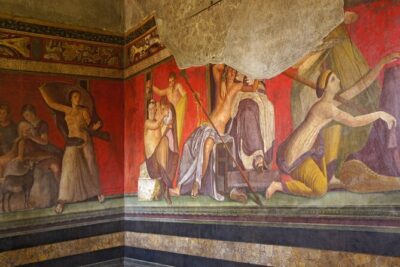
- Frescoes and mosaics in select houses, plus shops, baths, and temples
- Forum + Vesuvius focus so you leave with a strong storyline
- Strong English (and more languages in practice) with a guide who answers questions
Where the tour starts: Piazza Esedra and a smoother entrance
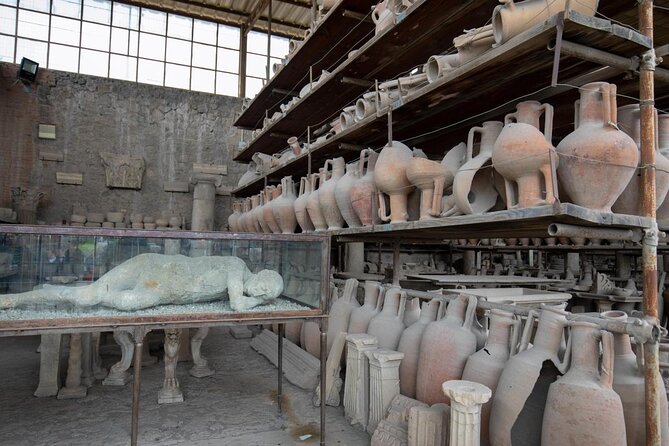
You meet in Pompeii at Piazza Esedra, 80045 Pompei NA. It’s a practical place to start, and the activity ends back at the same meeting point, which helps if you’ve got limited time or a tight schedule for getting back to Naples or Sorrento.
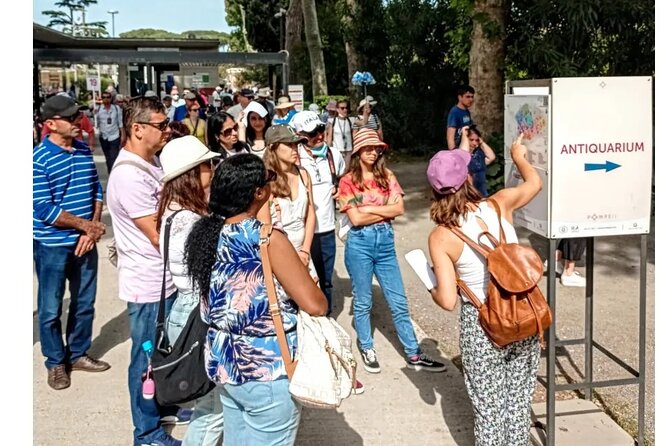
The real value here is that you’re not arriving to a giant archaeological site and figuring out everything on the fly. The guide is there to help you get oriented and point you toward the right way to enter and start smoothly. Even if you’re excited to get in fast, that little bit of guidance can save time and stress.
If you’re using public transportation, you’ll also appreciate that the meeting area is described as being near public transport. That matters on a day when you might otherwise lose momentum waiting for the right bus, train connection, or taxi.
If you're still narrowing it down, here are other tours in Pompeii we've reviewed.



Two hours in Pompeii: what you’ll realistically see
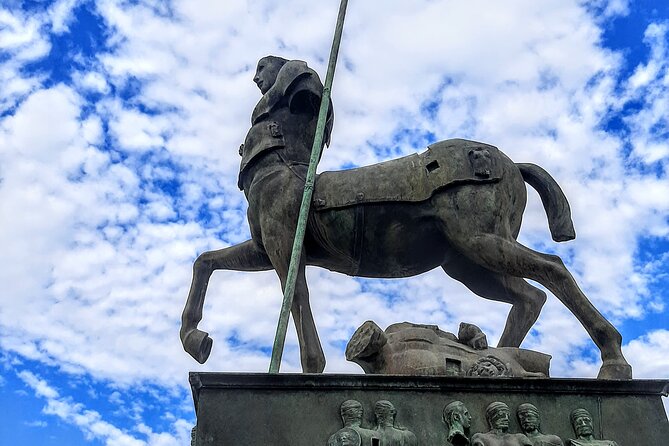
This is an approx. 2-hour private guided walk. Pompeii is big, and trying to do everything solo often turns into a checklist sprint. Here, the format makes a promise: you’ll cover the most meaningful parts in a way that feels connected, not random.
Instead of jumping around, the tour follows a sensible flow through Roman streets and key public spaces. You’ll also spend time at a selection of the houses and buildings that best represent what daily life looked like before the eruption.
Because it’s private, you’re less likely to get stuck behind a slow-moving crowd or forced into someone else’s pace. That matters in Pompeii, where the ground is uneven in places and you’ll want to pause when something catches your eye.
And if you’re the type who likes to ask questions, this format helps. Two hours sounds short, but a good guide can fill that time with explanations that make the stones feel like a lived-in city.
Roman streets, shops, and the city’s daily rhythm
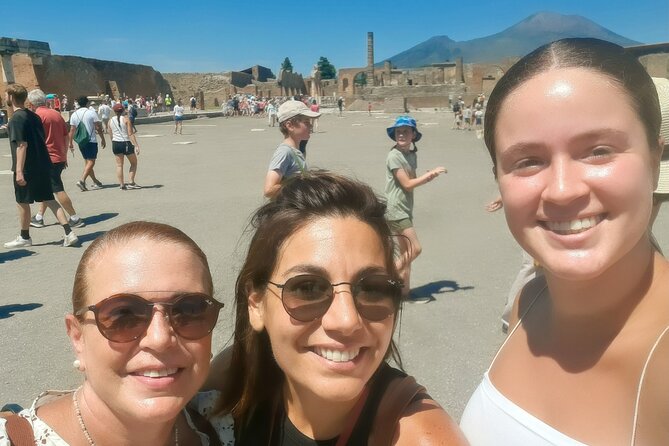
Walking through the ancient streets of Pompeii is the backbone of this experience. It’s not just about looking at ruins; it’s about understanding how the city functioned. As you move along, you’ll see how people navigated neighborhoods, what kind of streets lined up with shops, and how public life sat right next to everyday movement.
This is also one of the easiest ways to get your bearings. Without a guide, Pompeii can feel like you’re touring disconnected rooms and columns. With a guide, the same spaces start to “talk” to each other.
You’ll also pass through areas connected to shops and other street-level activity. These details are small compared with the big landmarks, but they’re often what make the city feel real.
A practical note: you’ll be walking and spending time outdoors. Wear comfortable shoes, and plan for sun exposure since you’re moving through open archaeological space for the full two hours.
Houses with frescoes and mosaics: why this stop matters
One of the most rewarding parts of the tour is the focus on houses with original frescoes and mosaics. These aren’t just pretty walls. A guide helps you see what you’re looking at: what the artwork suggests about wealth, taste, and daily life, and how rooms were used.
You’ll get a sense of the contrast between public and private space. Pompeii’s streets show the city’s rhythm, but the homes help you understand the people inside that rhythm.
Frescoes can be harder to appreciate without context because they’re static and fragmented in places. A good guide acts like a translator—explaining what’s notable and helping you interpret details instead of just snapping photos.
This is also where the private format helps again. You’ll be able to slow down in the rooms that matter most to your group, instead of racing through everything at group-tour speed.
Baths and temples: public life beyond the biggest sights
The tour doesn’t stop at the flashiest ruins. You’ll also see parts of the city tied to baths and ancient temples.
This is a smart choice for first-time visitors. Pompeii is famous for its grand moments, but the city also worked through social routines—gathering, bathing, worship, and shared public spaces. Baths are especially useful for understanding the social side of daily life, because they were places where people spent time together.
Temples help explain the cultural spine of the city. Even if you’re not a history specialist, a guide can point out what makes these spaces significant and how they relate to the urban layout.
If you’re traveling as a family, this mix tends to work well. The baths and temples give variety between home interiors and street walking, which helps keep kids and teens engaged without needing constant “look over here” momentum.

The Forum and the Vesuvius moment that ties it together
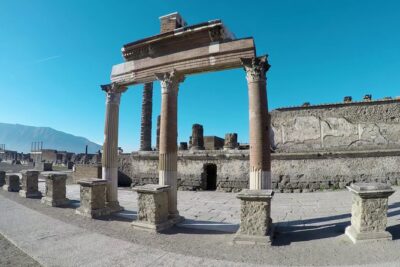
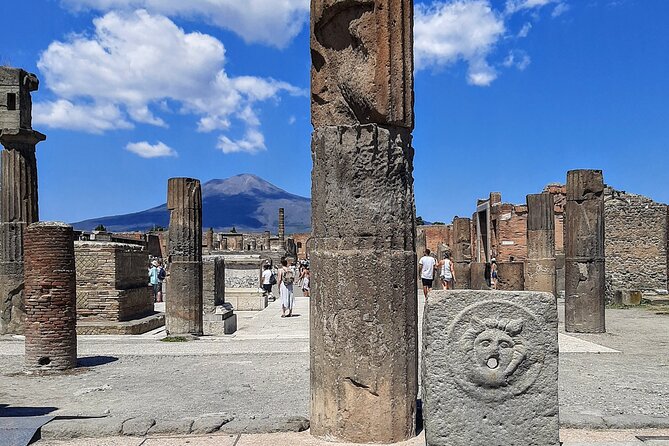
The tour reaches the Forum, the main square, where the experience becomes especially memorable. This is where the city’s public identity comes into focus.
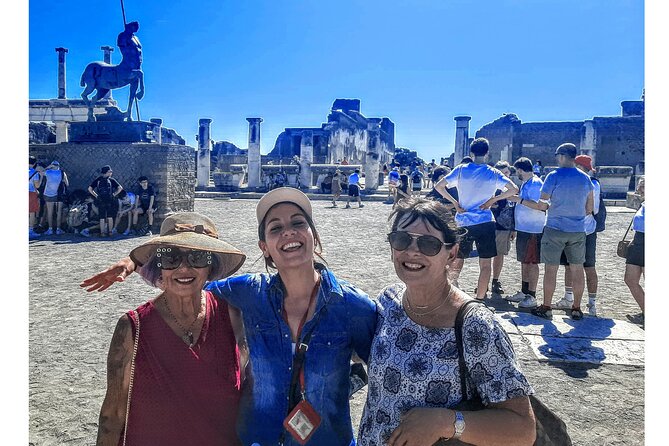
From there, you’ll reach the section where the majestic figure of Vesuvius stands. That part is more than a photo op. It’s the moment that locks the entire story together: a city shaped by everyday life, then suddenly stopped by a volcanic disaster.
If you’re trying to leave Pompeii with understanding, this is the payoff. It’s a clear ending point that makes the ruins feel like chapters rather than random stops.
It’s also a good moment for questions. People often want to know how the eruption changed everything, what people would have seen right before the tragedy, and why certain structures survived while others didn’t. A guide can answer those questions while you’re standing in the right setting.
Price and value: $240.30 per group plus the Pompeii ticket
The tour price is $240.30 per group (up to 10) for about two hours, offered in English. That pricing is often a sweet spot if you’re traveling with a small group of friends or family.
Here’s the key value math: the price covers the private guided tour, but the admission ticket is extra. The site admission is listed at €19.00 for standard entry, €2.00 for EU citizens ages 18–24, and free for children under 18.
So, if you’re one or two people, a private tour can feel pricier than a public-group option. But it often becomes a better deal when you split across several people, and when you factor in the time you save by not figuring out everything alone.
Also, a private guide helps you avoid the common Pompeii trap: spending half your visit chasing the wrong sights or standing confused in the wrong area. That doesn’t sound dramatic, but it changes the quality of your day.
Who this private Pompeii tour is best for
This is a great match if you want Pompeii to feel like a guided story, not a self-made scavenger hunt.
It’s especially useful if:
- you’re a first-time Pompeii visitor and want the highlights with context
- you’re traveling with teens or family members who need clear explanations at a walking pace
- you want English guidance without squeezing into a larger group
- you prefer questions and slow-down moments, not just head-down walking
In the reviews, a specific guide name comes up often: Rossella. People describe her as attentive, patient, and good at explaining Pompeii in a calm, teacher-like way. One family appreciated how she handled their pace and focus on questions, and another liked how she guided first-time visitors and helped with entry.
Tips to make your 2-hour Pompeii visit smoother
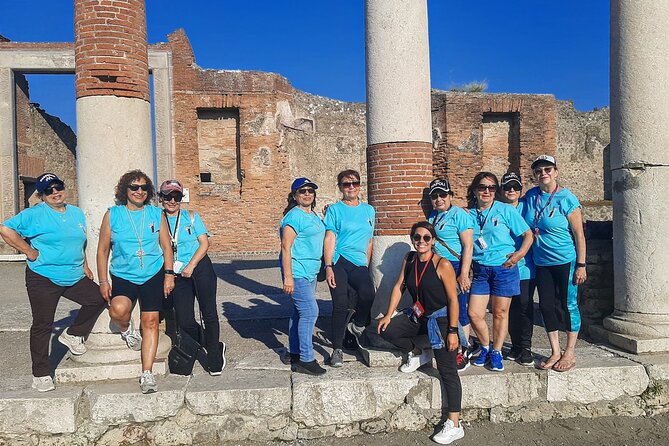
A short private tour works best when you prepare for the reality of walking. Wear comfortable shoes, bring water, and expect that you’ll spend those two hours outdoors.
Because the site ticket is not included, I’d plan ahead and budget for it so you’re not scrambling at the entrance. If you’re traveling with EU citizens ages 18–24 or children under 18, double-check how the listed categories apply so you pay the correct fare.
Also, if you care about pacing, think about how you like to tour:
- If you enjoy photos, tell yourself you’ll stop when the guide suggests it, not only when you feel like it.
- If you love details, keep a running list of questions as you walk so you can ask them when the guide is explaining.
Finally, if you’re traveling from Naples, Sorrento, or elsewhere, plan buffer time. Pompeii timing can be touchy, and you want to start the tour feeling relaxed.
Should you book this tour?
I’d book it if you want a guided Pompeii visit that feels focused, organized, and easy to follow. The price makes sense most when you’re splitting among a group, and the two-hour structure helps you see a lot without turning the day into a sprint.
Skip it (or at least think twice) if you love long, independent wandering and don’t need a story-driven explanation. Pompeii is still impressive on your own, but you’ll likely get less clarity about what you’re seeing and why it matters.
If your goal is to understand Pompeii quickly and leave with the Forum-and-Vesuvius storyline in your head, this private tour is a smart way to do it.
FAQ
How long is the Pompeii 2 hours private guided tour?
It lasts about 2 hours.
Is the tour private or shared?
It’s a private tour/activity. Only your group participates.
Where do we meet, and do we return to the same place?
The start is Piazza Esedra, 80045 Pompei NA, Italy, and the activity ends back at the meeting point.
What language is the tour offered in?
The tour is offered in English.
Are entrance tickets included in the price?
No. Admission tickets to the site are not included.
How much are the site entrance tickets?
The site ticket is €19.00. For EU citizens ages 18–24 it’s €2.00, and children under 18 are free.
How many people can be in a group?
The tour price is per group up to 10 people.
What if I need to cancel?
Free cancellation is available up to 24 hours in advance for a full refund.
Are service animals allowed?
Yes, service animals are allowed.