REVIEW · POMPEII
Sharing Tour of Pompeii
Book on Viator →Operated by Tours Pompei · Bookable on Viator
Pompeii hits hard in 2.5 hours. A guide-led walk takes you to a Roman temple, the Casa dei Vettii, and the lupanari, so you get real context fast. I love the English-led explanations and how each stop adds meaning to what you’re seeing in the ruins. Main drawback: the tour price does not include the Pompeii entrance ticket (it’s €20 per person).
This is priced per group (up to 8), runs about 2 hours 30 minutes, and uses a mobile ticket—simple and modern for a site this old. It’s also popular enough that it’s often booked around 50 days ahead, and it currently holds a 4.9 rating with 98% recommending it. If you want a smart overview without getting lost, this is a strong pick—just budget for that entrance ticket.
In This Review
- Key highlights at a glance
- Pompeii in 2.5 Hours: What You Actually Get
- Finding the Start: Villa Dei Misteri Meeting Point and Pickup
- The Roman Temple Stop: Sacred Space Under Ash
- Casa dei Vettii: Roman Wall Art and Everyday Drama
- The Lupanari: What Roman “Appointment Houses” Tell You
- Guide and Pace: Private Group Comfort Without the Chaos
- Price and Tickets: The Real Cost Math
- Timing Tips: Getting the Most Out of Your Walk
- Who This Tour Fits Best
- Should You Book This Pompeii Tour?
- FAQ
- Where is the tour meeting point?
- Is pickup included?
- How long is the Pompeii tour?
- What’s the price, and how big is the group?
- Are the Pompeii entrance tickets included?
- What is the cancellation policy?
Key highlights at a glance
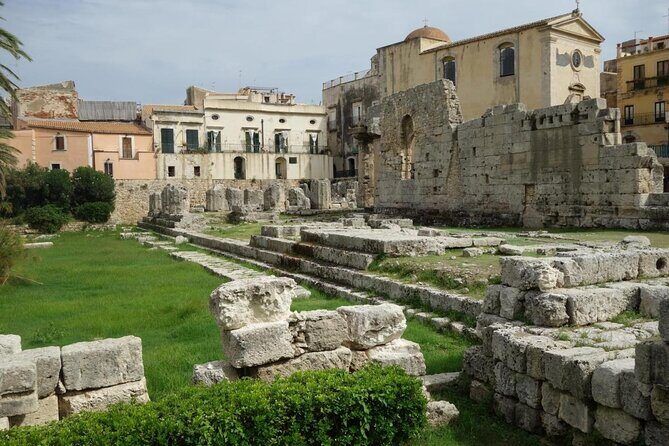
- A tight route through three Pompeii must-sees in about 2.5 hours
- Casa dei Vettii gets center stage for Roman wall art and first-century domestic life
- A Roman temple ruin helps you understand Pompeii’s sacred layout
- The lupanari offers blunt, real-world context about daily commerce in the Roman city
- Up to 8 people per group keeps things organized while you still move at a guided pace
- Mobile ticket + English guide makes logistics easier once you’re in Pompeii
Pompeii in 2.5 Hours: What You Actually Get

Pompeii is huge, and it’s easy to waste time wandering with no plan. This tour works because it focuses your time on three high-signal stops: a Roman temple, the Casa dei Vettii, and the lupanari. In a couple hours, you’ll start seeing patterns—religion, home life, and business—rather than just isolated walls.
I like that the order isn’t random. You move from sacred space to domestic space to the lupanari, which is where commercial sex work happened in Roman times. That arc gives you a fuller picture of the city as a place people lived and worked in, not only a place that got buried.
The “sharing” label can be confusing, so here’s the practical way to think about it: you’re grouped together for the tour, but it’s still private in the sense that only your group participates. That usually means less waiting around and fewer awkward language mismatches.
Other small-group Pompeii tours



Finding the Start: Villa Dei Misteri Meeting Point and Pickup

Your meeting point is Pompei Scavi Villa Dei Misteri, 80045 Pompei. The guide is described as waiting for you with a Sharing Tour of Pompei sign, which is exactly what you want when you’re meeting a group in an active archaeological area.
Pickup is offered, so if it’s available for your booking, it can save you from the stress of arriving early and searching. If pickup isn’t offered or doesn’t work with your schedule, the good news is the site is near public transportation, which makes it easier to reach independently.
My advice: plan to arrive a bit early, even if you’re confident. Pompeii can make time feel weird—crowds, ticket lines, and just the sheer size of the ground you’re walking on. A few extra minutes at the start helps the tour feel smooth.
The Roman Temple Stop: Sacred Space Under Ash
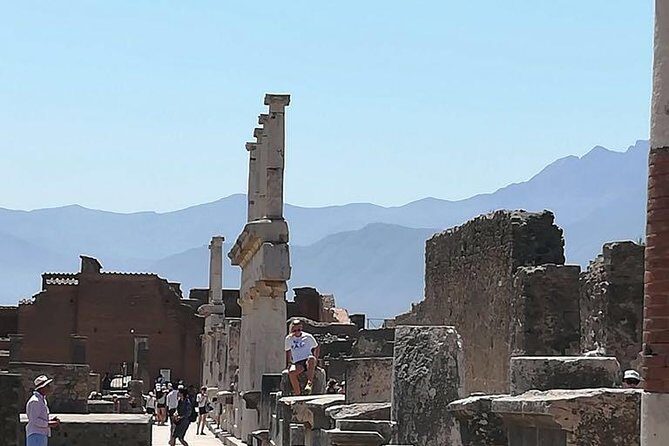
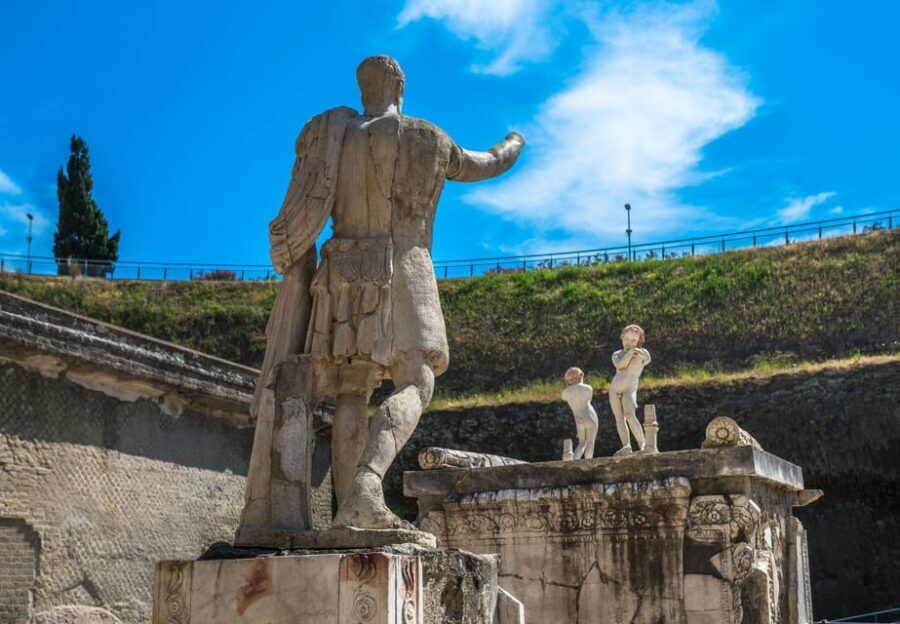
One of the stops is a Roman temple that was buried by the eruption of Vesuvius in 79 and later recovered through archaeological excavations. A temple ruin isn’t just about columns and stones. When a guide frames it properly, you start to understand why the space mattered in the city’s daily rhythm.
Here’s what you’ll likely pick up at this kind of stop:
- How temple sites shaped where people moved and gathered
- Why worship spaces were built to last and look imposing
- How the eruption froze the scene, then excavations let us read it again
The main value is perspective. If you walk into Pompeii only chasing famous villas and paintings, you can miss the city’s bigger logic. This temple stop helps you connect architecture to belief—who came here, when it mattered, and what the layout suggests about public life.
Potential drawback: temple stops can feel a bit “set-piece” compared with house interiors. If you’re hoping for constant entertainment every minute, you might wish it were more hands-on. Still, it’s an important foundation stop.
Casa dei Vettii: Roman Wall Art and Everyday Drama
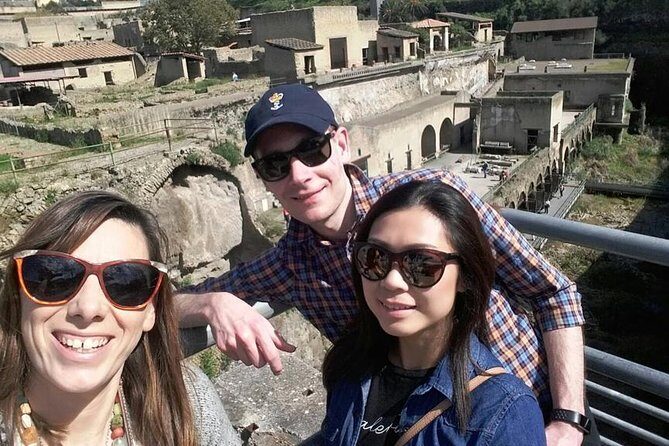
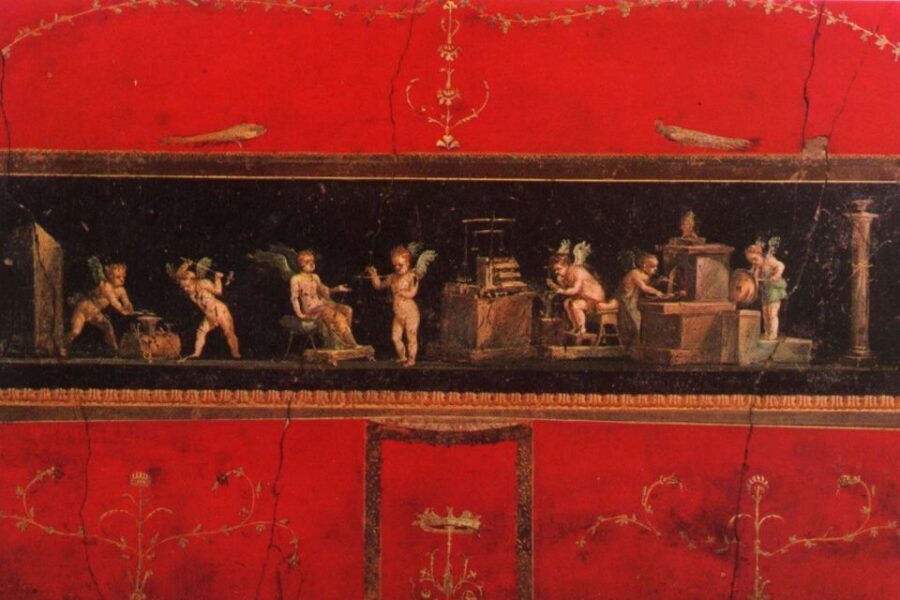
The Casa dei Vettii is where the tour shifts into the kind of Pompeii that makes you slow down. This Roman domus was buried in 79 by the eruption and found later during excavations. It’s also known as one of the great examples of Roman art from the first century, and it gets its name from the owners.
Why this house matters for you: houses in Pompeii are not just pretty. They’re a snapshot of status and taste. You’re walking through a domestic space that shows how people advertised themselves through decoration, symbols, and layout.
At the Casa dei Vettii stop, the guide should help you notice details that most self-guided visits can miss, such as:
- How art functioned like a message board for the household
- How rooms connect and why the house is laid out the way it is
- How the first-century references make the place feel less like a museum and more like real life
The house also does a smart job of slowing the pace. Pompeii is easy to rush, but houses reward patience. If you like architecture, interior decoration, or simply understanding how people lived, this stop is the payoff.
Possible drawback: if crowds and heat are heavy on the day you go, indoor or semi-covered areas may feel packed. The guide-led timing helps, but you should still expect you’ll be sharing space with other people in the archaeological zone.
The Lupanari: What Roman “Appointment Houses” Tell You
The third stop is the lupanari, from the Latin lupa meaning prostitute. In Roman times, these were places dedicated to mercenary sexual pleasure—essentially appointment houses or brothels. Some parts are still visible in Pompeii, and that visibility is why this stop hits so hard.
This isn’t a “shock tour.” It’s a way to understand the city as a working economy. Pompeii wasn’t only temples and fancy homes. It had services, commerce, and transactions just like any city.
If you go in expecting only scandal, you’ll miss the point. The best way to experience it is to focus on everyday structure:
- How commercial spaces were set up
- How the city accommodated workers and customers
- Why the layout survived long enough for us to interpret it today
The lupanari stop can be uncomfortable, depending on your mood and sensibilities. But it’s also honest. Pompeii is often sanitized in people’s minds. This stop restores the real-world complexity.
If you’d rather avoid frank themes, decide before you book. The tour includes it as a standard stop, so it’s not something you can easily skip mid-route.




Guide and Pace: Private Group Comfort Without the Chaos
The tour includes a private tour guide. That matters in Pompeii, where sightlines can be confusing and signage may not answer the “why does this matter?” questions. A guide helps you connect the stones to the story: what was here, what happened, and what we can still read today.
With up to 8 people per group, you’re not stuck in a giant herd. That small size tends to make it easier to ask questions and to keep everyone moving at a similar pace. It’s also a big reason I’d choose this over a longer, more exhausting route. You get a focused experience without burning through your energy.
Duration is about 2 hours 30 minutes. That’s an ideal window if you’re also doing other things in Naples or along the Amalfi Coast. Pompeii can eat a whole day if you let it. This option helps you see a lot without committing your entire trip.
Price and Tickets: The Real Cost Math
The headline price is $193.49 per group (up to 8), which is actually quite reasonable if you split it among your group. The catch is that the Pompeii entrance ticket is not included in the tour price. It’s listed as €20.00 per person, and the tour operator buys the entrance tickets daily for customers—but you should still plan on paying that amount.
So, what’s the value?
- You’re paying for a guide and a structured route through key stops
- You’re not paying for entry, because that’s separate and set by the site
- You get pickup offered (when available) and a mobile ticket, which reduces hassle
If you’re traveling solo, the “per group” pricing means you might feel the cost more. If you have 2–4 people, this starts to make a lot of sense compared with multiple separate guides or small private tours that can balloon in price.
One more practical note: bring the budget for the entrance ticket, and don’t count on the tour price covering it. That avoids the annoying end-of-tour surprise.
Timing Tips: Getting the Most Out of Your Walk
This tour is about 2 hours 30 minutes, so it’s built for a focused visit rather than a long wander. That means you should show up ready to move and listen. If you’re the type who loves to stare at paintings, plan to do that during the Casa dei Vettii stop while you can still catch the guide’s explanations.
Pompeii is outdoors, and the terrain can be uneven—so wear shoes you trust. Even when a tour is well organized, you’ll still be walking on old ground in daylight. A hat and water can make the difference between a fun day and a tired one.
Also, because this experience is often booked around 50 days in advance, don’t wait until the last minute if your schedule is fixed. If your visit is on a busy date, earlier booking is the easiest way to reduce risk.
Who This Tour Fits Best
This is a good fit if you want an efficient overview that still touches real, specific Pompeii sites. The Roman temple stop is for people who like civic and religious context. Casa dei Vettii is for people who care about domestic spaces and first-century art. And the lupanari is for people who want Pompeii to be honest about how the city functioned.
It can also work well if you like having a guide because it keeps the experience organized. And since it’s only your group that participates, you’re less likely to get stuck waiting behind a slow-moving crowd.
Most people can participate, and service animals are allowed, but as with any archaeological site, comfortable walking matters. If you have mobility concerns, I’d treat the day like an outdoor walk with uneven surfaces rather than a flat museum visit.
Should You Book This Pompeii Tour?
Yes—if you want a structured, English-led Pompeii overview that hits three powerful stops without a full-day commitment. I especially like the balance: temple (public meaning), Casa dei Vettii (art and status), and the lupanari (the city’s commercial reality). That mix gives you more than the usual “look at ruins” experience.
Book it with a clear budget in mind. The tour price covers the private guide and the route, but the Pompeii entrance ticket is separate at €20 per person. Also, check your plans if your dates are tight, because the experience can be canceled if the minimum number of travelers isn’t met.
Given the strong score of 4.9 and 98% recommended, this looks like a well-run option. For many people, that’s the best sign: a Pompeii tour that people consistently feel is worth their time and money.
FAQ
Where is the tour meeting point?
The tour meets at Pompei Scavi Villa Dei Misteri, 80045 Pompei, Metropolitan City of Naples, Italy. Your guide will be waiting for you with the Sharing Tour of Pompei sign.
Is pickup included?
Pickup is offered. If pickup is available for your booking, you’ll get details at or after confirmation. Otherwise, you’ll meet at the Villa Dei Misteri meeting point.
How long is the Pompeii tour?
The tour lasts about 2 hours 30 minutes.
What’s the price, and how big is the group?
The price is $193.49 per group, up to 8 people.
Are the Pompeii entrance tickets included?
No. The Pompeii entrance ticket is not included in the tour price. The entrance ticket is listed as €20.00 per person, and it is bought daily for customers.
What is the cancellation policy?
You can cancel for a full refund up to 24 hours before the experience starts. If it’s canceled because the minimum number of travelers isn’t met, you’ll be offered a different date/experience or a full refund.