REVIEW · POMPEI CAMPANIA
Pompeii and Oplontis: Small Group Tour with an Archaeologist
Book on GetYourGuide →Operated by Askos Tours · Bookable on GetYourGuide
Pompeii hits different when someone explains it. This small-group Pompeii and Oplontis tour is led by an archaeologist, and it moves at a pace that helps the ruins make sense instead of just looking like piles of stone. I especially liked the Forum and public-life route through Pompeii, and then the shift to Oplontis to see Roman luxury up close at the Villa of Poppea. One thing to consider: the walking is real, and this tour is not suitable for people with mobility impairments or wheelchair users.
You get a tight mix of big-name sights and details you’d miss on your own. Expect skip-the-line entry, guided stops across Pompeii’s western area, then a short transfer to Torre Annunziata for Oplontis. There’s also headset support, which matters when you’re outdoors and the group is moving.
In This Review
- Key highlights you’ll care about
- Pompeii and Oplontis in 4.5 hours: a realistic time plan
- Meeting at Porta Marina Superiore: how to find your group
- Inside Pompeii: the western-area route that makes the city readable
- Forum energy: where politics and daily life met
- Temple of Apollo: religion as a city function
- Basilica, Baths, and Menander: public buildings you can actually follow
- Theatre and Stabian Baths: how Pompeii entertained itself
- The short break and transfer: why it feels smooth (even with a train)
- Oplontis and the Villa of Poppea: Roman luxury with real frescoes
- Skip-the-line access and headsets: the quiet advantages
- Price and value: is $105 fair for Pompeii + Oplontis?
- Who this Pompeii and Oplontis tour suits best
- Things to know before you go
- Should you book this archaeologist-led tour?
- FAQ
- Where is the meeting point?
- How long is the tour?
- What languages are available?
- Is there skip-the-line access?
- Do we get headsets?
- How do you get from Pompeii to Oplontis?
- What do you see in Pompeii?
- What do you see at Oplontis?
- Is it suitable for wheelchair users or people with mobility impairments?
- Is cancellation possible?
- Are meals included?
Key highlights you’ll care about
- Archaeologist-led explanations that connect buildings to how people lived
- Skip-the-line access to Pompeii and Oplontis tickets
- Two UNESCO World Heritage Sites in about 4.5 hours
- Headsets included, so you can actually hear the guide while walking
- Pompeii + Oplontis contrast: public life, then elite villas
Pompeii and Oplontis in 4.5 hours: a realistic time plan
This tour is built for travelers who don’t have a full day but still want more than a rushed checklist. You’ll spend about 2 hours in Pompeii and 1.5 hours at Oplontis (Villa Poppea), with a short break and a train transfer in between. That timing is smart because Pompeii is huge, and trying to do everything alone usually turns into either chaos or compromise.
Also, the format is designed for focus. Small-group tours tend to work better at Pompeii, where the temptation is to “see it all” and end up remembering nothing. Here, you’ll move site-to-site with a guide keeping the story moving.
Other Pompeii tours with an archaeologist

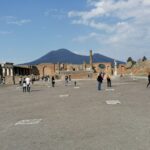
Meeting at Porta Marina Superiore: how to find your group
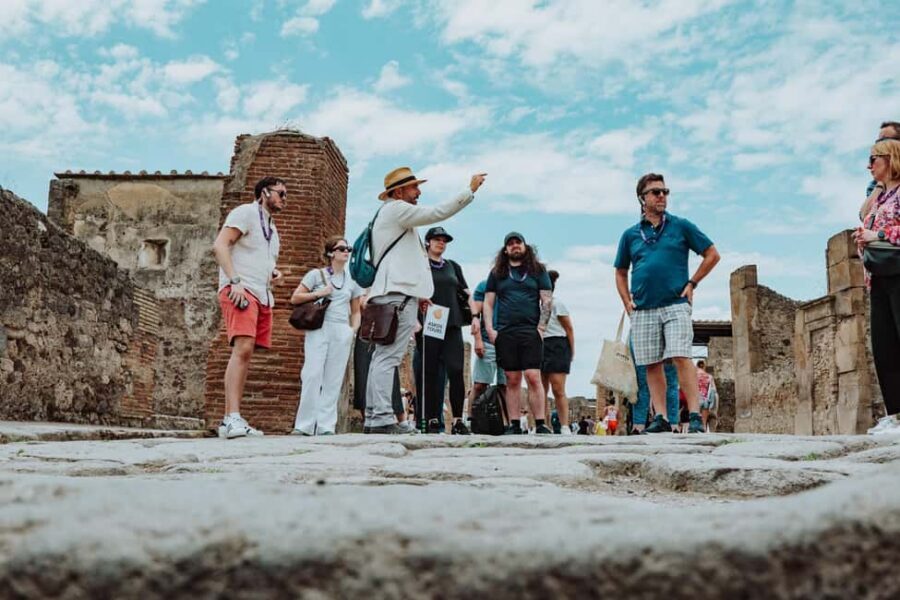
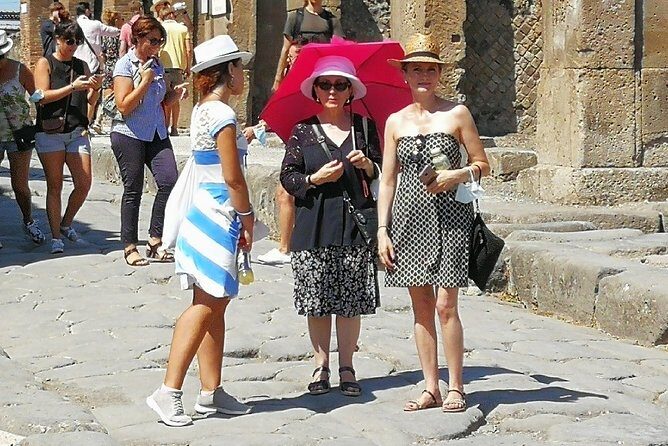
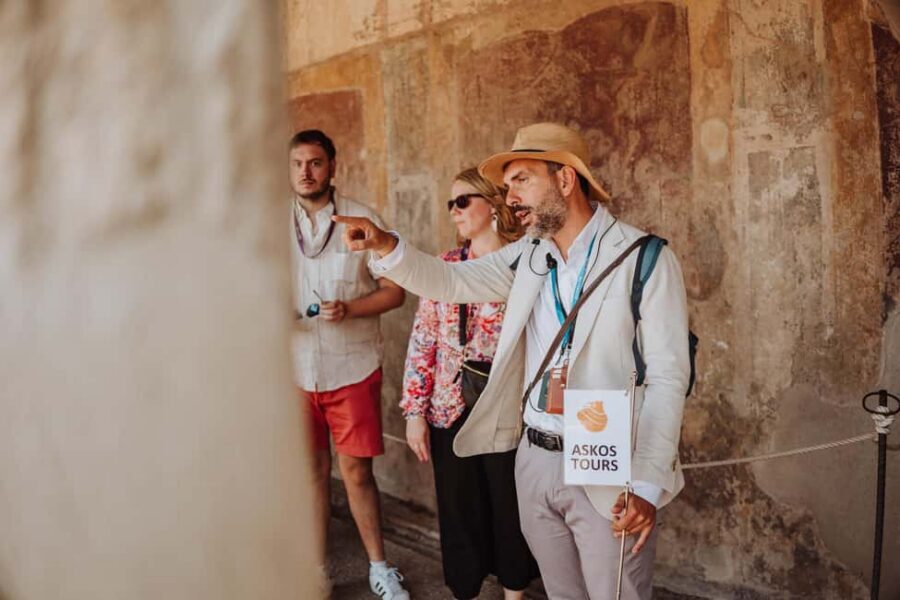
Your meeting point is at the main entrance of the Pompeii ruins called Porta Marina Superiore, opposite the restaurant Hortus. The guide holds an ASKOS TOURS sign, so you won’t be hunting in the crowd too long.
The starting location listed is Via Villa dei Misteri, 2, but don’t worry about decoding it. Use the Porta Marina Superiore description and the sign as your anchor. In practice, that’s the easiest way to avoid arriving flustered and late, especially when Pompeii roads and entrances can feel confusing on a first visit.
Inside Pompeii: the western-area route that makes the city readable
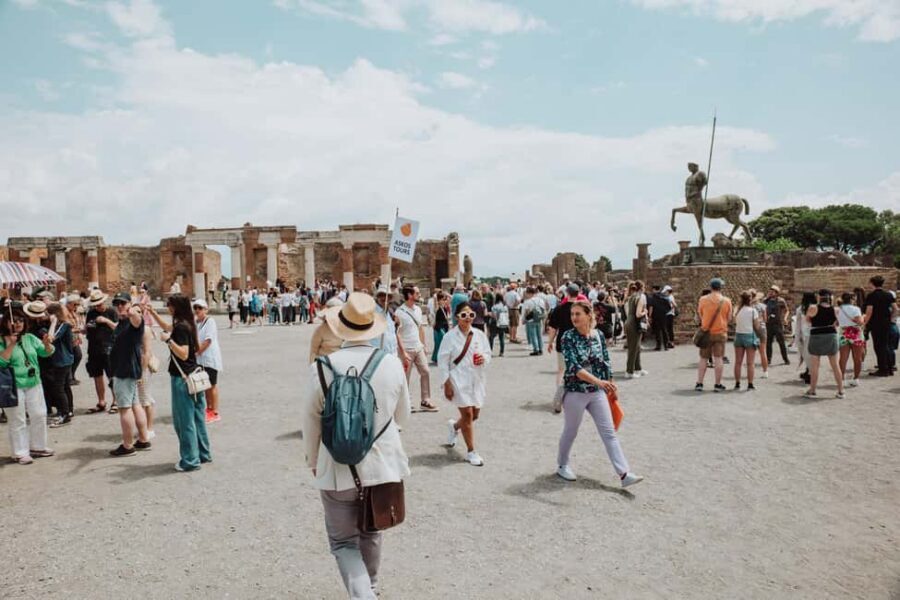
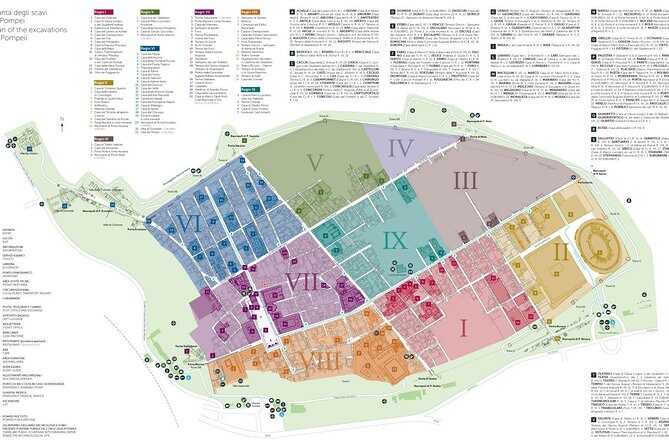
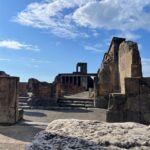
You’ll begin at Porta Marina Superiore and spend roughly 2 hours exploring Pompeii’s western area. The tour’s value isn’t that it covers the “most famous” spots. It’s that the guide connects what you see—forums, theaters, houses, baths—to what it meant to live there.
Forum energy: where politics and daily life met
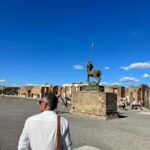
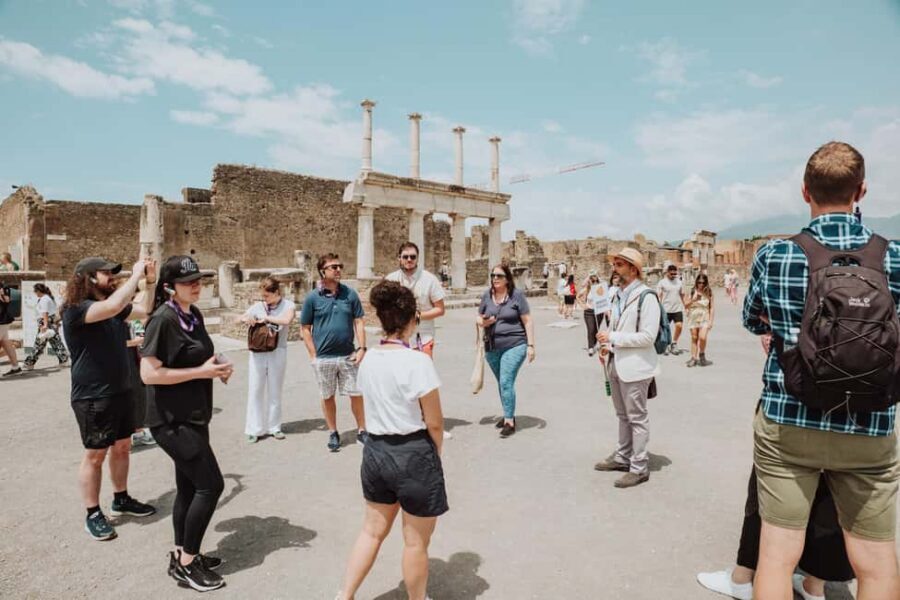
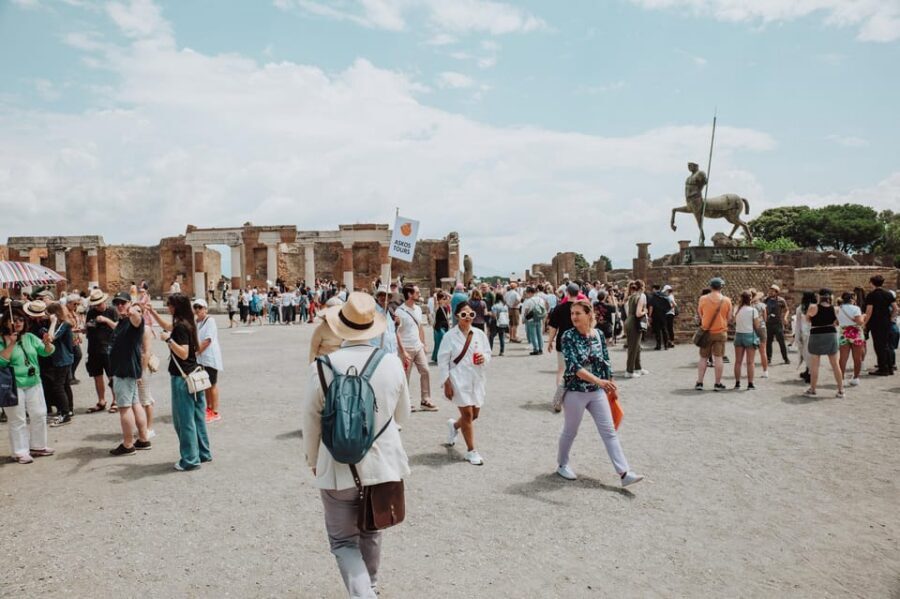
One of the big stops is the Forum, the heart of Pompeian public life. The Forum isn’t just impressive because it’s central. It’s useful because it’s where you can picture community decisions, trade, social status, and ceremony all in one place.
This is also where an archaeologist-led approach really pays off. Instead of you guessing why a space mattered, you’ll get the “why” behind the layout and the daily rhythm of the city.
Temple of Apollo: religion as a city function
The Temple of Apollo is a great pause in the walk, because it reminds you that religion wasn’t separate from everyday life. In Pompeii, sacred space and public space are mixed into the same urban fabric. You’ll likely get context for what the temple represents and how it fits into Pompeii’s broader cultural identity.
Other Herculaneum tours and tickets

Basilica, Baths, and Menander: public buildings you can actually follow
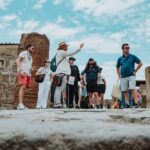
Stops like the Basilica, Forum Baths, and the House of Menander help you understand Pompeii as a place with both official work and personal life.
- The Basilica is a strong “civic” landmark—useful for grasping how people moved and met in public spaces.
- The Forum Baths bring you back to routine. Baths were part of daily social life, not just hygiene.
- The House of Menander is where you get more of the domestic side, and it pairs well with the tour’s attention to detail.
Theatre and Stabian Baths: how Pompeii entertained itself
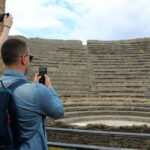
The Large Theatre and Terme Stabiane (Stabian Baths) rounds out the western circuit by showing how Pompeii handled leisure. The theatre helps you picture performances and crowds. The baths show how people spent hours—socializing, resting, and keeping connections alive.
Tip for you: when you’re watching an archaeologist explain how spaces were used, take 20 seconds to look for movement patterns—where people would enter, gather, and exit. That’s often where the city “clicks” mentally.
The short break and transfer: why it feels smooth (even with a train)
After Pompeii, you’ll have a 30-minute break and then a transfer by train of about 15 minutes to Torre Annunziata, which is the jump-off for Oplontis. That break matters more than it sounds. Pompeii gets hot, and the ruins encourage slow walking that can add up fast.
This also keeps your energy reasonable. The Pompeii portion is packed with sight after sight, and Oplontis is visually different—more villa energy than city energy. By the time you arrive, you’ll be in the right mindset to appreciate the change.
Oplontis and the Villa of Poppea: Roman luxury with real frescoes
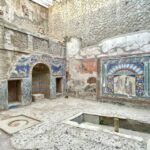
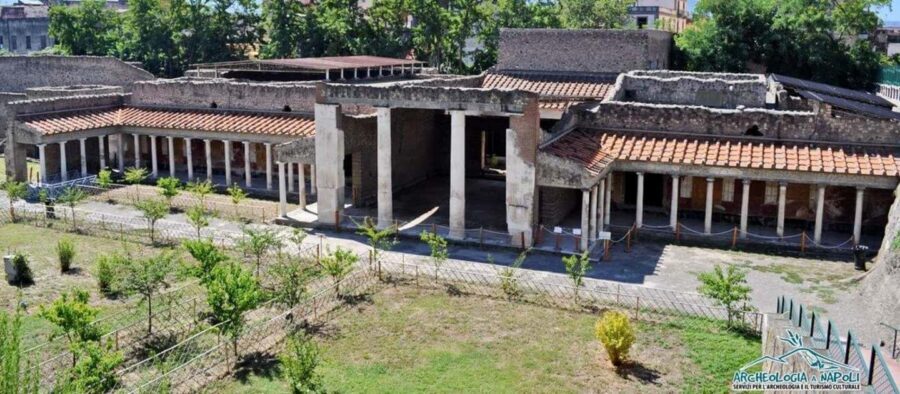
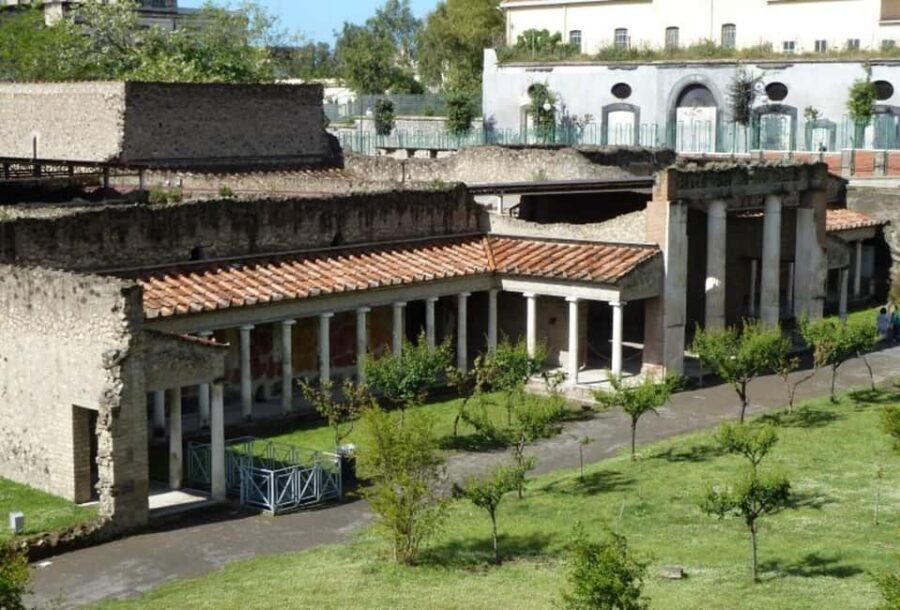
Oplontis is where the tour shifts tone. Instead of Pompeii’s street-grid and public spaces, you’ll step into the world of an elite residence: the Villa of Poppea. The time here is about 1.5 hours, which is plenty to absorb what makes a villa feel luxurious even when it’s in ruins.
The guide will focus on:
- the villa’s grand architecture
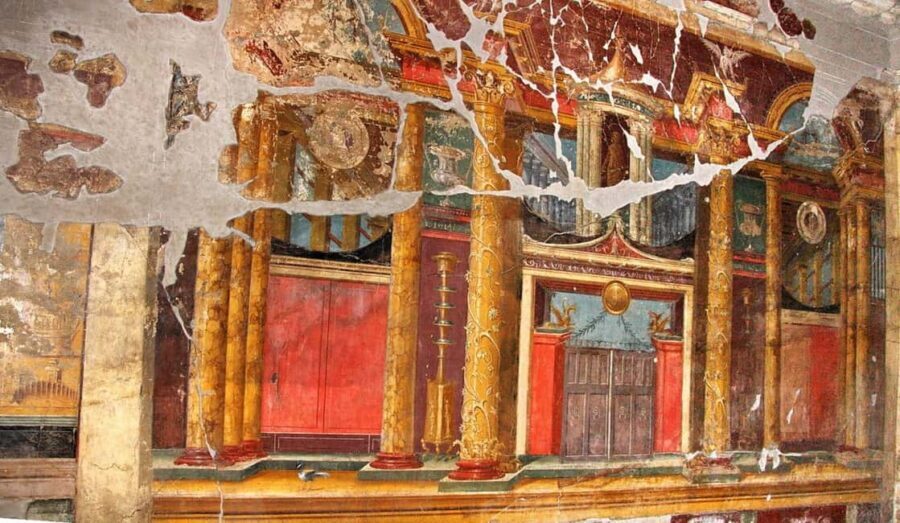
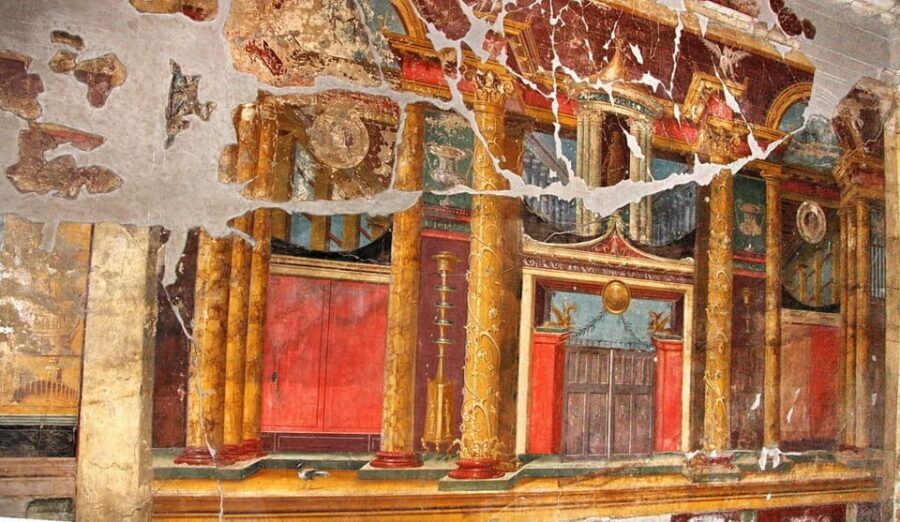
- the exquisite frescoes
- the history of the site and what it suggests about the people who lived there
Why this stop is valuable: frescoes and villa layout aren’t just “pretty walls.” They’re clues about wealth, taste, and status. Seeing Oplontis right after Pompeii helps you understand Roman life as layered—public identity in the city, personal display and comfort in elite homes.
One practical point: Oplontis is smaller than Pompeii, but it still involves walking and careful viewing. If you’re the type who gets impatient with ruins, slow down here. This is where details matter.
Skip-the-line access and headsets: the quiet advantages
Pompeii can be a waiting game if you go without help. This tour includes skip-the-line access to Pompeii express and includes Oplontis tickets, which helps your time stay focused on the ruins instead of sitting in queues.
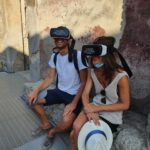
Headsets are included, and that’s a big deal. Outdoor archaeology is noisy: foot traffic, wind, and the natural challenge of staying close to your guide. With headsets, you’re less likely to miss key explanations while you walk.
Also, a small-group pace helps. I liked that the rhythm stays steady and the guide can handle questions without the tour turning into a shouting match. If you care about details—names, functions, timelines—that kind of responsiveness is a real bonus.
Price and value: is $105 fair for Pompeii + Oplontis?
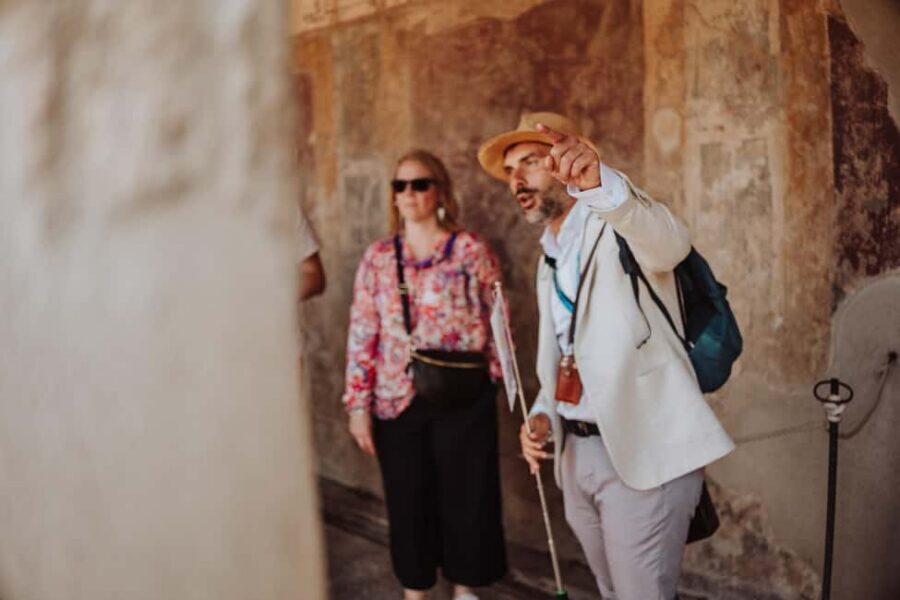
At $105 per person for a 4.5-hour guided experience, the value depends on what you’d otherwise do.
Here’s what you’re getting for your money:
- Guided tour by an archaeologist (big value if you enjoy learning)
- Small group format
- Skip-the-line access for Pompeii and tickets for Oplontis
- Headsets
- One-way train ticket from Pompeii to Torre Annunziata
- Two UNESCO World Heritage Sites in one shot
What you’re not getting: meals and drinks. So you’ll either bring snacks or plan to buy something on your own during the break, which is smart anyway because you can choose what fits your diet and budget.
If you’re short on time or you want the sites connected by context, this price feels reasonable. If you’re the kind of traveler who loves freeform exploring and doesn’t care much about interpretation, you might compare it to self-guided entry tickets and decide based on how much you value a human guide.
Who this Pompeii and Oplontis tour suits best
This is a good match if you:
- want Pompeii plus Oplontis without spending a full day
- like learning from an expert, especially with an archaeologist’s explanations
- prefer a small-group format that keeps you moving but not overwhelmed
- want a balanced experience: public life in Pompeii, then villa life at Oplontis
It’s not a good fit if you need wheelchair access or have mobility limitations, since the tour is not suitable for people with mobility impairments or wheelchair users.
Language note: the live tour guide is Italian. If you don’t speak Italian, consider whether you’re comfortable with a more general level of understanding, since this tour doesn’t list English guidance.
Things to know before you go
A couple of practical thoughts before you commit:
- You’ll be outdoors a lot. Bring sun protection and wear shoes you trust on uneven ground.
- Plan to spend your money on water/snacks yourself because meals aren’t included.
- Your main “anchor” is the meeting point: Porta Marina Superiore, opposite Hortus, with an ASKOS TOURS sign.
Also, I’ll mention something important for your planning mindset: there has been at least one reported situation where the Oplontis portion was cancelled the day before, with a fast refund afterward. It doesn’t mean it’s guaranteed to happen, but it does mean you should keep an eye on your confirmation and be ready with a backup plan for that day.
Should you book this archaeologist-led tour?
I’d book it if you want Pompeii and Oplontis in one efficient visit and you care about understanding what you’re seeing. The pairing is smart, and the archaeologist-led approach plus headsets improves the experience more than you might expect.
I’d skip it if you need mobility-friendly touring or if you strongly prefer English-language guiding. If you fit the audience, this is a solid way to get real context fast—especially when you want Pompeii to feel like a city, not just ruins.
FAQ
Where is the meeting point?
You meet at Porta Marina Superiore, the main entrance of Pompeii, opposite the restaurant Hortus. The guide will hold an ASKOS TOURS sign.
How long is the tour?
The total duration is about 4.5 hours.
What languages are available?
The live tour guide is Italian.
Is there skip-the-line access?
Yes. The tour includes skip-the-line access for Pompeii and includes Oplontis tickets.
Do we get headsets?
Yes. Headsets are included.
How do you get from Pompeii to Oplontis?
You use a Circumvesuviana one-way ticket from Pompeii to Torre Annunziata.
What do you see in Pompeii?
You visit the Forum, Temple of Apollo, Basilica, House of Menander, Forum Baths, Large Theatre, and Terme Stabiane.
What do you see at Oplontis?
You visit Scavi di Oplontis – Villa Poppea for about 1.5 hours.
Is it suitable for wheelchair users or people with mobility impairments?
No. The tour is not suitable for people with mobility impairments or wheelchair users.
Is cancellation possible?
Yes. There is free cancellation up to 24 hours in advance for a full refund.
Are meals included?
No. Meals and drinks are not included.