REVIEW · POMPEI CAMPANIA
Pompeii Small Group Tour – Tickets Included
Book on GetYourGuide →Operated by Tastethexperience · Bookable on GetYourGuide
Pompeii is huge, and a guide helps. This small-group tour takes you inside the Pompeii Archaeological Park with an archaeologist guide who explains what you’re looking at, from public buildings to everyday Roman life. I like that the entry ticket is included in the price, so you don’t spend your morning juggling paperwork. One thing to consider: it’s not suitable for people with mobility impairments, since you’ll be walking through uneven ancient surfaces.
My favorite part is the time structure. In just about 2 hours, you’ll focus on the highlights that most people miss when they wander solo: theaters, temples, and the big bathing complexes. And if you’ve ever felt Pompeii is an overwhelming maze of stone, this is the kind of route that helps it click—especially with guides like Pina, Daniel, Karolina, and Viviana who are praised for packing facts into a comfortable pace.
In This Review
- Key things I’d watch for before you go
- Why this Pompeii tour feels like the smart play
- How the route works (and why 2 hours is enough)
- The theaters, temples, and public spaces you’ll actually remember
- The bathing complexes: where Roman daily life becomes clear
- Meeting points and drop-offs: how to avoid losing time
- Pace, small groups, and photo time that doesn’t feel rushed
- Price and value: what $48 buys you in Pompeii terms
- First Sunday of the month: free entry, but not guaranteed
- Who should book this tour (and who might look elsewhere)
- A quick heads-up on the experience details that matter
- Should you book this Pompeii small-group guided tour?
- FAQ
- How long is the Pompeii small-group tour?
- Is the entry ticket to Pompeii included?
- Where do I meet for the tour?
- Where will I be dropped off after the tour?
- What languages are the guides?
- How big are the groups?
- Is Pompeii free on the first Sunday of the month?
- Is this tour suitable for people with mobility impairments?
- What is the cancellation policy?
Key things I’d watch for before you go
- Guided time is the main value: plan on a focused route rather than a full-stroll of the entire park
- You’ll see the headline areas fast: theaters, temples, bathing complexes, and more key zones
- The meeting spot varies: choose your option carefully since departure points can differ
- Small-group pacing feels human: less chaos, more Q&A, and time for photos
- First Sunday is free, but entry isn’t guaranteed: tickets can’t be reserved ahead
- You may get extra audio help: some groups report earpieces for clear commentary
Why this Pompeii tour feels like the smart play
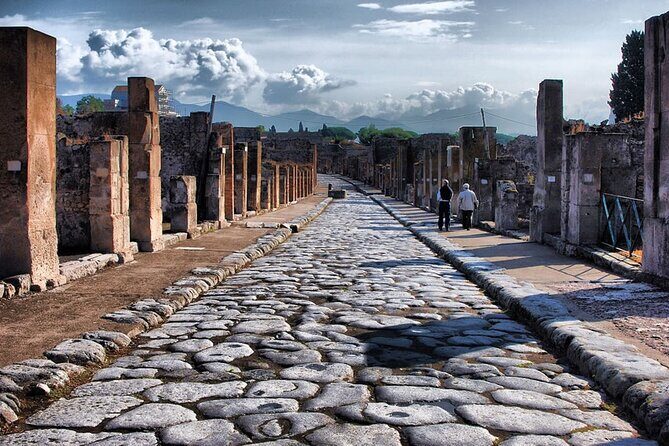
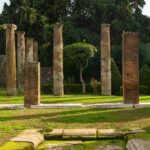
Pompeii doesn’t behave like a normal museum. It’s an entire town made of stone, plaster, and street corners. The ruins are stunning, yes, but without context they can feel like a lot of similar-looking walls. This tour’s whole advantage is that it turns the site into a story you can follow.
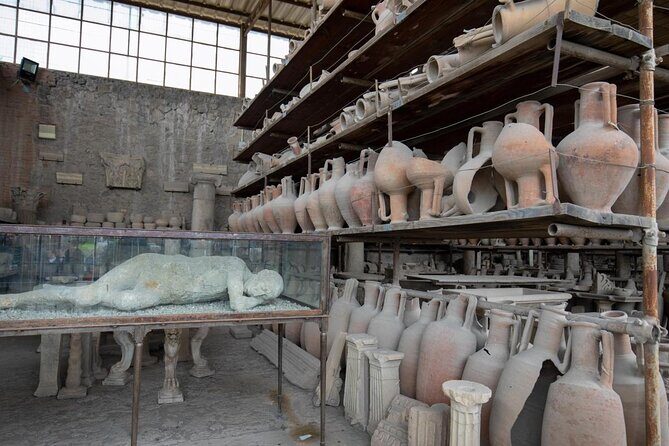
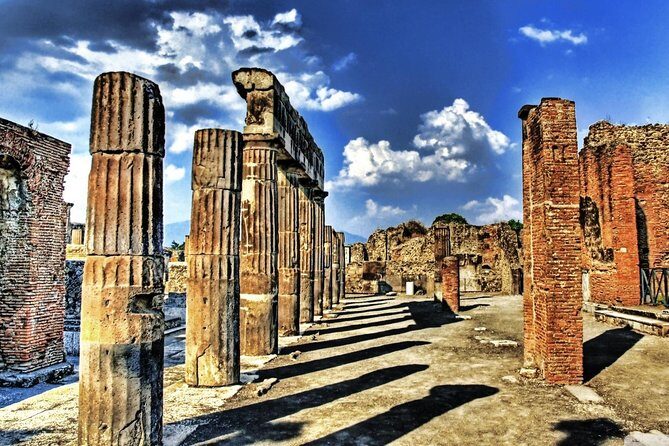
You’ll walk through major areas and learn what each space was for—public life in the theaters, religious meaning around temples, and daily routine in the bathing complexes. That matters because Pompeii’s power isn’t only in what survived. It’s in how people lived, worked, prayed, ate, relaxed, and—eventually—faced the eruption of 79 AD.
Other Pompeii entry tickets and audio guides



How the route works (and why 2 hours is enough)
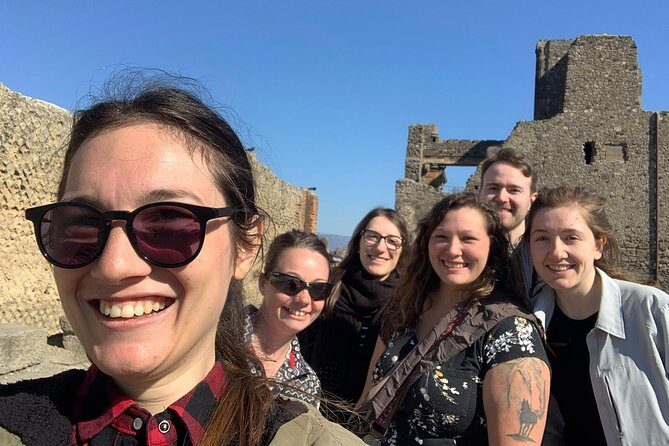
The guided portion runs about 2 hours, and your booking is set to match that kind of “get the highlights + make it make sense” visit. That timing is also practical for your day. Pompeii can eat time fast, especially if you stop often for photos and you keep checking your bearings.
What you can expect during the walk:
- Theaters and public buildings that show how Romans gathered for entertainment and community life
- Temples and sacred spaces so you understand that Pompeii wasn’t only homes and shops—it was religious and civic too
- Bathing complexes (not just one small bath, but a set of big facilities) that reveal social status and routine
Here’s the key point: you aren’t trying to cover every square meter. You’re learning how to read the site. After the tour, you’ll have a mental map of what you’re looking at, which makes any extra self-guided wandering far more rewarding.
The theaters, temples, and public spaces you’ll actually remember

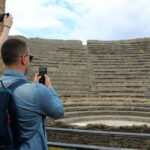
Pompeii’s theaters are more than big stone shells. Your guide helps you connect the shape of the space with the purpose: how performances were staged, how audiences gathered, and why these buildings mattered for city identity. If you’ve ever wondered why Romans built entertainment as part of everyday public life, the explanation usually clicks quickly when you’re standing there.
Temples tend to be where people either get fascinated or get lost. They look similar at a distance, and at ground level you might miss the reason the area was special. With a guide, you get the “why,” not only the “what.” You’ll also understand how religion was woven into city life rather than floating in a separate category.
And then there are the public zones that connect everything. That’s where Pompeii starts to feel like a place and not only a disaster site. It’s also where guides who are praised for interpreting the story—people like Pina—can really help. The strongest moments tend to be when your guide connects architectural features to daily routines and beliefs.
The bathing complexes: where Roman daily life becomes clear
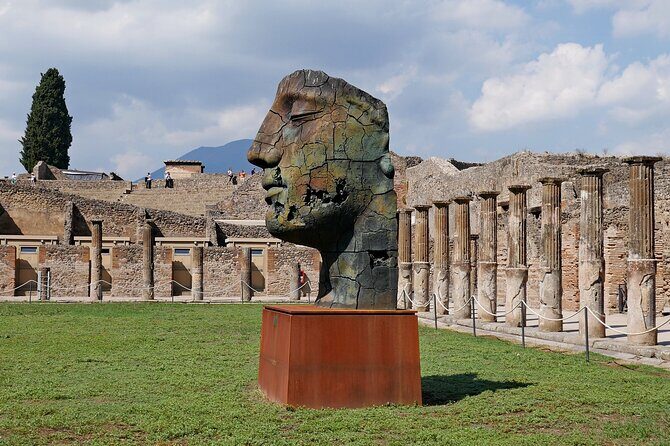
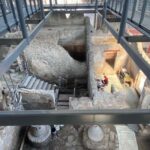
One of the most distinctive parts of Pompeii is the presence of six bathing complexes, which your tour highlights. Bathing wasn’t a tiny hygiene stop. It was social time, status, and routine wrapped into one system.
On this tour, the bathing areas aren’t treated like a side attraction. They’re part of the main walk because they show how Romans organized leisure and cleanliness. If you’ve got limited time, seeing the baths with context is one of the best uses of your visit.
Why it’s valuable:
- Bath spaces help you picture a day in Pompeii, not just a tragedy
- You get a feel for Roman engineering and layout
- You understand why these areas were public and social
One caution: because the tour is time-focused, don’t expect a slow, museum-style pause at every corner. It’s a guided route, so your energy works best when you’re ready to listen, look, and move.
Meeting points and drop-offs: how to avoid losing time
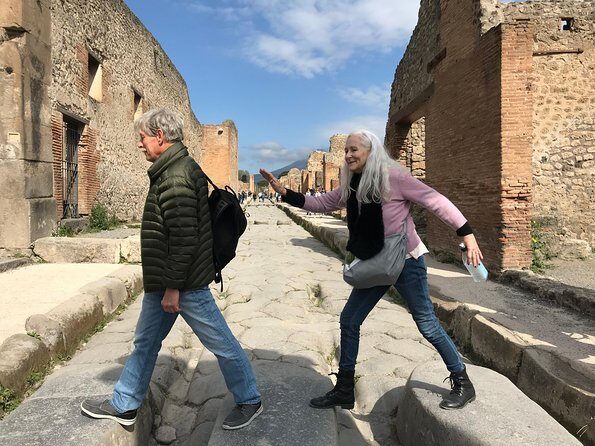
This tour comes with multiple starting location options, and the meeting point can vary based on what you booked. Similarly, the drop-off locations include places such as Pompeii Archaeological Park, Starhotels Terminus, and Hortus Pompei (plus the Restaurant & Garden Bar option listed in the options).
Practical advice:
- Pick the option that’s easiest for you to reach before the tour begins. If your plan depends on public transit or timed entry, don’t choose a meeting point you can’t comfortably find.
- When you arrive, give yourself a little buffer for walking and orientation. Some people report finding the meeting spot can be tricky if signage is unclear.
If you need the most friction-free start, choosing the option closest to the archaeological park entrance usually makes your morning feel calmer.
Other small-group Pompeii tours

Pace, small groups, and photo time that doesn’t feel rushed
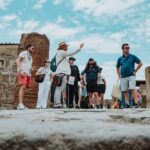
The promise here is small-group touring. In real life, that usually means fewer people blocking the view and more chance to ask questions without shouting. In the feedback, a consistent theme is that guides manage to pack a lot into the 2-hour window at a comfortable pace.
Another detail worth knowing: some groups report using earpieces, which can help you hear commentary clearly while still having freedom to look around and take photos. That’s not something you should assume for every departure, but it’s a positive sign if you happen to see it in your group.
A good rule: treat Pompeii like a place where you’ll remember the story, not just the snapshots. If you want photos, aim to take them while the guide pauses or while you’re standing on a point of interest. Otherwise, you may end up with lots of images but fewer connections.
Price and value: what $48 buys you in Pompeii terms
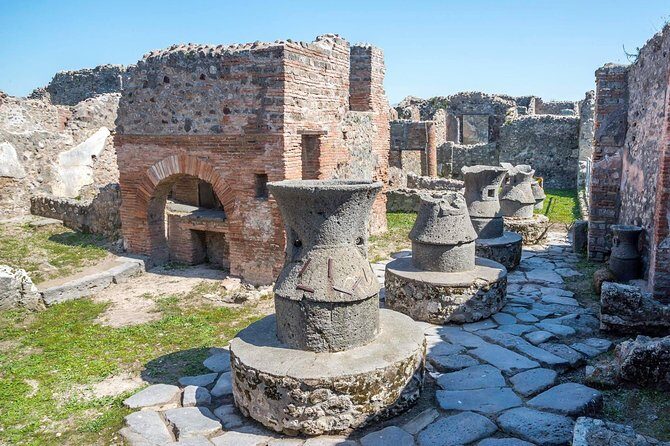
At $48 per person, the big value isn’t just the guiding. It’s that the price includes entry tickets to the Pompeii Archaeological Park. For a short visit, that matters because it removes one of the most annoying travel steps: figuring out admission lines and ticket timing while you’re already eager to start.
You also get a guide time investment that’s hard to replicate on your own—your route through theaters, temples, and bath areas is exactly what turns a chaotic site into an understandable one. If you’ve got limited daylight or you’re pairing Pompeii with other places in Campania, this kind of structured visit tends to give you the best “experience per hour.”
Is it the cheapest way into Pompeii? Probably not if you only care about being inside. But if you want Pompeii to make sense while you’re there, this is strong value for a focused, guided outing.
First Sunday of the month: free entry, but not guaranteed
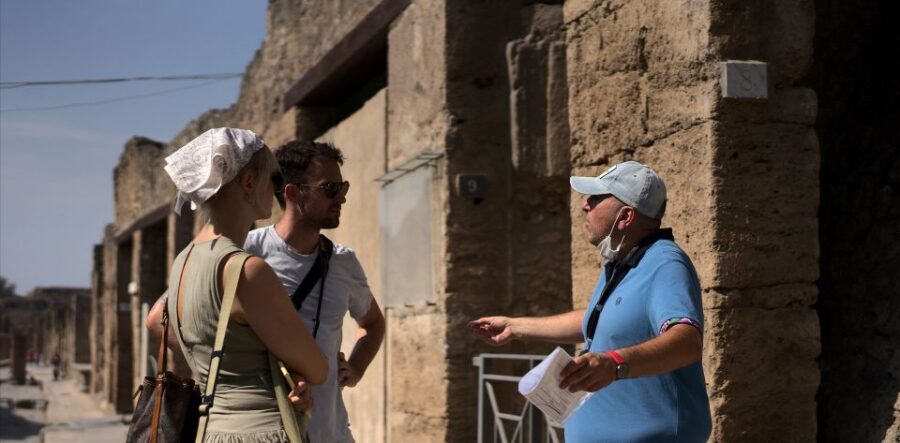
There’s one timing note that can change your plans: on the first Sunday of each month, entrance is free of charge. The catch is important—since tickets can’t be reserved ahead of time, entry is not guaranteed.
If you’re traveling on that day and Pompeii is your must-see, I’d treat this as a backup plan rather than a certainty. Booking a guided tour with included entry generally removes a big variable from your day.
Who should book this tour (and who might look elsewhere)
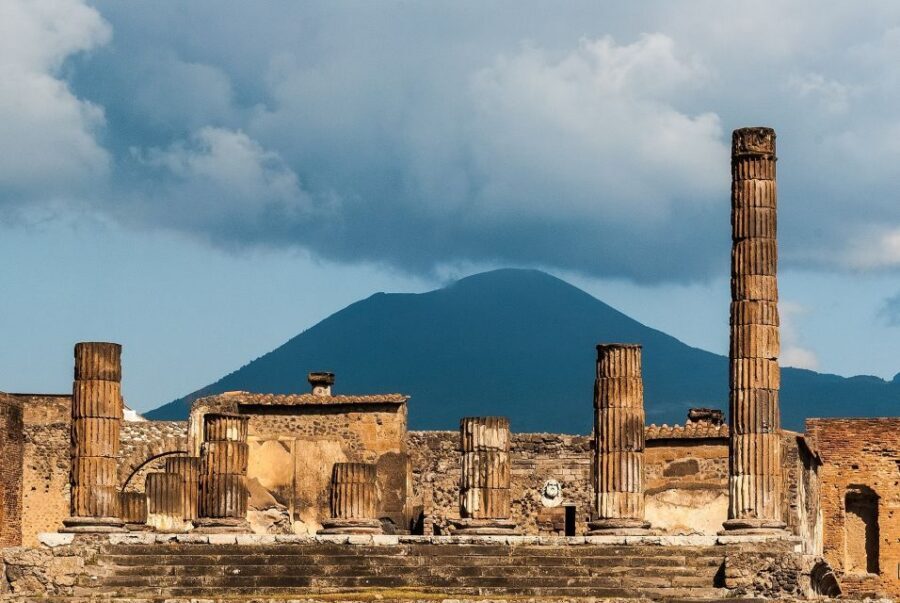
This Pompeii small-group tour is a good match if you:
- want a guided route that hits the main highlights without spending your whole day wandering
- enjoy learning how spaces worked in the Roman world
- prefer a smaller group dynamic and a comfortable pace
- need help making Pompeii feel understandable fast
It’s also especially useful if you’re arriving with questions like, Where do I start? What should I prioritize? What am I actually looking at when I see a theater or a temple?
It’s less suitable if you can’t handle uneven ground and long walking segments, since it’s not suitable for people with mobility impairments.
A quick heads-up on the experience details that matter
A few small elements can shape your day more than you might expect:
- Your tour duration window is 2 to 5 hours depending on the starting time. Even though the guided walk is about 2 hours, plan for the bigger block so you don’t feel rushed.
- Language is French or English, so choose the departure that matches your comfort level.
- Your meeting point and drop-off can differ, so keep an eye on the exact option you select.
If you like a visit that’s structured and guided, this tour’s setup fits well. If you prefer total freedom with no schedule at all, you might feel the guided time is just a starting point—though the short duration can also be a positive.
Should you book this Pompeii small-group guided tour?
Yes, I think you should book it if you want Pompeii to click quickly. For a reasonable price with entry tickets included, you get an expert-guided route across the key areas that most first-timers struggle to interpret on their own.
I’d especially recommend it if:
- your time in Pompeii is limited
- you want the highlights—theaters, temples, and bathing complexes—with real explanations
- you value a small group experience and a guide who can answer questions
Skip it (or consider a different format) if mobility is an issue, or if you only want to stroll at your own pace with minimal structure. Otherwise, this is a practical way to get a meaningful Pompeii visit without turning your day into a navigation test.
FAQ
How long is the Pompeii small-group tour?
The guided tour is about 2 hours. The total duration shown for the activity is 2 to 5 hours depending on the starting time you choose.
Is the entry ticket to Pompeii included?
Yes. Entry tickets to the Archaeological Park of Pompeii are included.
Where do I meet for the tour?
The meeting point can vary depending on the option booked. The options listed include Pompeii Archaeological Park, Starhotels Terminus, and Hortus Pompei (Restaurant & Garden Bar).
Where will I be dropped off after the tour?
Drop-off locations can vary by option. Listed options include Hortus Pompei, Restaurant & Garden Bar, Starhotels Terminus, and Pompeii Archaeological Park.
What languages are the guides?
The live tour guide is available in French and English.
How big are the groups?
This is described as a private or small-group tour.
Is Pompeii free on the first Sunday of the month?
Entrance is free on the first Sunday of each month, but tickets cannot be reserved ahead of time, so entry isn’t guaranteed.
Is this tour suitable for people with mobility impairments?
No. It’s not suitable for people with mobility impairments.
What is the cancellation policy?
You can cancel up to 24 hours in advance for a full refund.