REVIEW · POMPEI CAMPANIA
Pompeii and Herculaneum: Guided Tour with an Archaeologist
Book on GetYourGuide →Operated by Benedetto Tourist Guide · Bookable on GetYourGuide
Pompeii and Herculaneum in one day feels efficient. You’re seeing Rome’s shock in 79 AD from two angles: Pompeii’s street life and Herculaneum’s unusually preserved details, guided by Benedetto Tourist Guide.
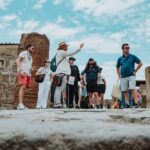
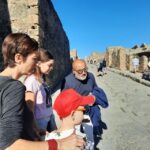
I especially like the small-group setup (up to 10) and the fact that you’re walking with an archaeologist, not just a route. The tour also leans into humor, so you’re less stuck in lecture mode.
One consideration: this is a lot of walking and it isn’t suitable for wheelchair users or people with mobility impairments, so comfortable shoes are not optional.
In This Review
- Key things I’d watch for
- Why this Pompeii + Herculaneum combo works
- Benedetto, the small-group format, and why it matters
- Meeting at Suisse Restaurant and the “named ticket” detail
- The Pompeii route: Porta Marina Inferiore to the Forum
- Baths, the Lupanare, and the public face of the city
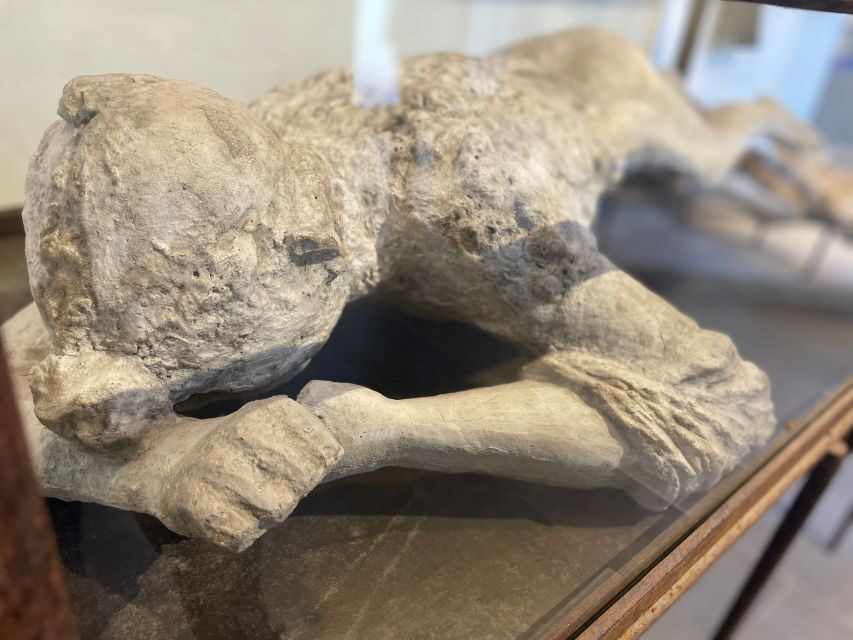
- The Forum and the victims’ plaster casts
- Lunch break: how to use the downtime well
- Train to Herculaneum: short transfer, big change in feel
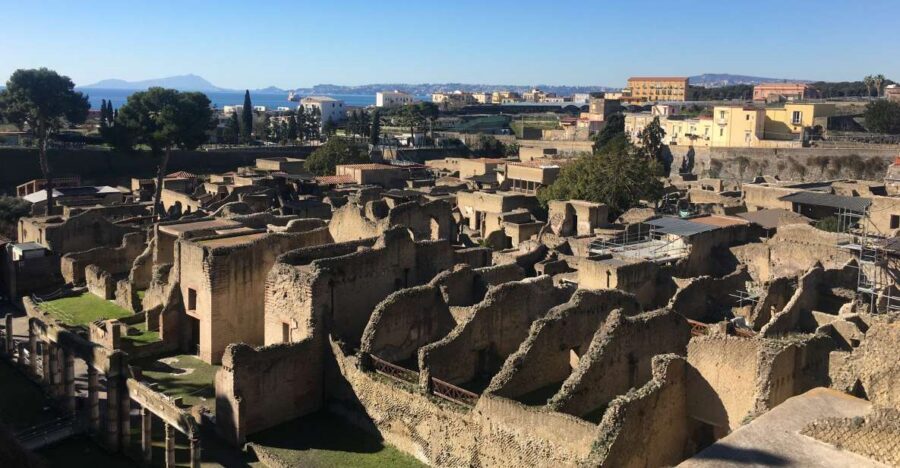
- Herculaneum: why preservation here makes the past feel close
- The payoff: unique details and fewer crowds
- Price and value: what $141.61 covers (and what it doesn’t)
- Practical tips for a smoother, more enjoyable day
- Wear for ruins, not for photos
- Plan for crowds, even with a small group
- Be ready for schedule changes
- Bring your ID and your exact names
- Should you book this archaeologist-led day?
- FAQ
- How long is the Pompeii and Herculaneum guided tour?
- How big is the group?
- What’s included in the price?
- Do I need tickets in advance?
- Where do we meet, and where does the tour end?
- What languages is the guide available in?
- Is the tour suitable for people with mobility impairments or wheelchair users?
Key things I’d watch for
- Up to 10 people means you actually hear your guide and get answers.
- Archaeologist-led interpretation turns ruins into day-to-day Roman life.
- You’ll focus on the big visual hits: frescoes, mosaics, and victims’ plaster casts/skeletons.
- Pompeii comes first, then you transfer by train (about 20 minutes) to Herculaneum.
- The pace is designed for families and photographers, with time set aside for lunch.
Why this Pompeii + Herculaneum combo works
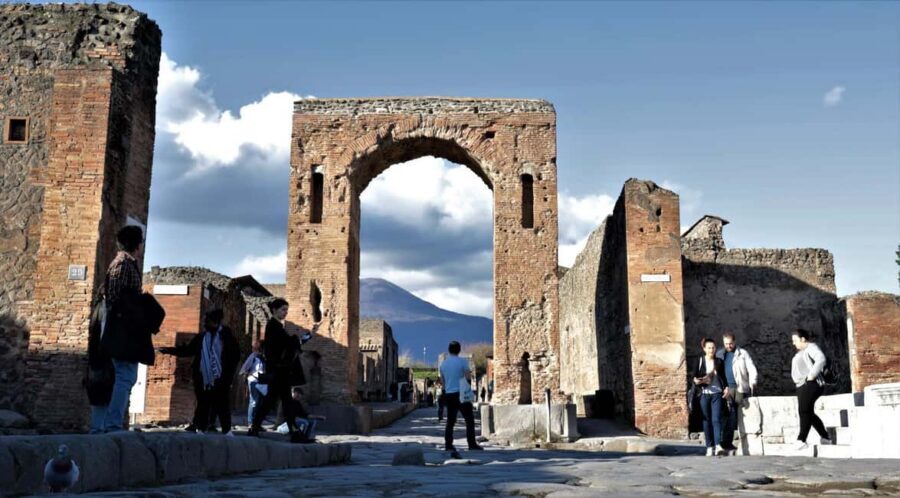
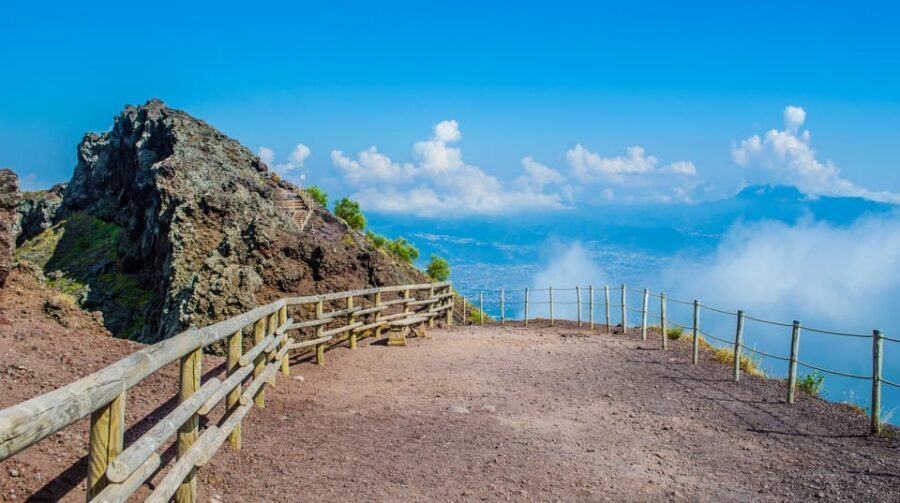
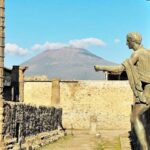
Pompeii is the headline—an entire city buried by Vesuvius in AD 79, frozen at street level. But the real value of this tour is that you don’t stop there. You also get Herculaneum, where the burial and conservation conditions are different enough to change what you can see and how it hits emotionally.
That pairing helps you connect dots. In Pompeii, you learn how Romans lived in buildings, shops, and bath culture. Then, at Herculaneum, you see how preservation can make interiors feel almost present. Same catastrophe. Different survival story.
Other Pompeii tours with an archaeologist

Benedetto, the small-group format, and why it matters
This tour is led by Benedetto Tourist Guide, and the reason so many people get excited about him is simple: he doesn’t treat the site like a checklist. In the feedback you’ll see a consistent theme—Benedetto’s humor plus expert interpretation makes the ruins feel understandable, even if you’re not a self-described “archaeology person.”
The group size is capped at 10, and that matters in Pompeii. Big crowds make it hard to stop, look closely, and ask questions. In a small group, you’re more likely to move efficiently and keep your eyes on the details—especially the artwork. When groups are larger than 8, you get headsets, so you don’t have to play “guess the sentence” over other voices.
You can also travel with confidence that the day won’t feel like a scripted march. The tone comes through as conversational, with room for questions and a guide who adjusts as the group’s interests show up.
Meeting at Suisse Restaurant and the “named ticket” detail
The tour starts at Ristorante Suisse, where the guide waits for you with a sign bearing your name. It also ends back at that same meeting point. That round-trip structure is underrated. In a place like this, easy logistics keep the day from turning into stress.
There’s also a practical detail you should not skip: in Pompeii, the ticket is named. After booking, you’ll need to provide the list of first and last names of all participants. And bring your passport or ID card in original—not a photo.
What to bring is straightforward:
- Comfortable shoes (you’ll be on uneven ground)
- Hat and water (heat can sneak up fast)
- Your passport/ID
Finally, the tour offers languages English, Italian, and French, so you can match your comfort level.
The Pompeii route: Porta Marina Inferiore to the Forum
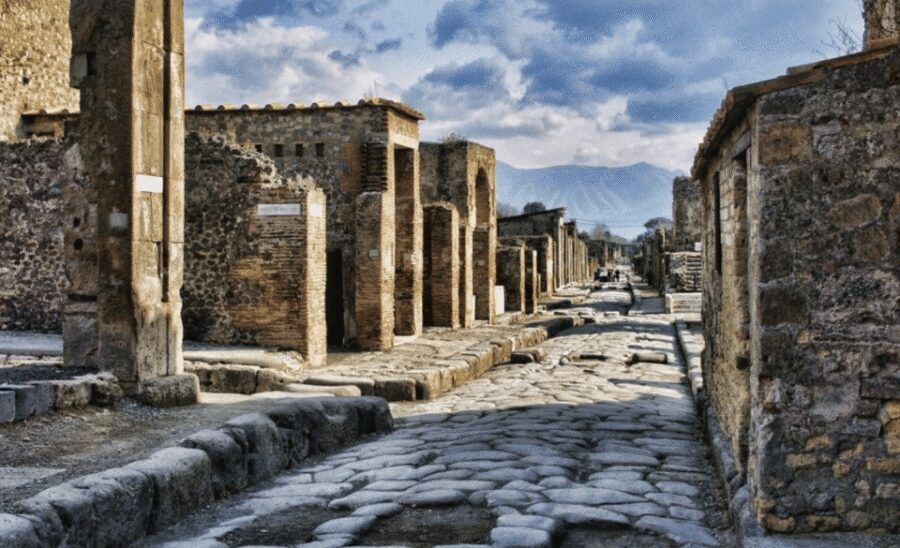
Pompeii isn’t one stop. It’s a walk through systems—homes, entertainment, everyday food, public services, and public spaces. This tour’s route is built to cover that range without feeling random.
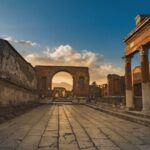
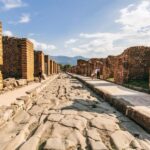
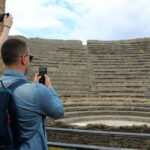
You begin near Porta Marina Inferiore, then work through the area of the theatres. That early stop helps you frame Pompeii as more than ruins. These weren’t quiet villages; they were cities with scheduled entertainment and public life.
From there, the walk turns into “look closer” territory:
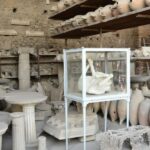
- ancient houses with mosaics and frescoes
- marble decorations (when you see them in context, they make more sense than seeing them in a museum)
- the kinds of street-side spaces that hint at how people ate, shopped, and socialized
Expect the tour to pass shops, old Roman bakeries, and ancient snack bars—yes, actual food-adjacent spots that help you picture what a normal day might have felt like.
Baths, the Lupanare, and the public face of the city
Then you hit two more big-picture stops: the public baths and the Lupanare (a well-known nightlife/sex-work area). These aren’t just “interesting ruins.” They give you a window into social behavior and how Romans used public and semi-public spaces.
Other Pompeii + Herculaneum tours
The Forum and the victims’ plaster casts
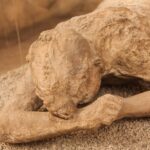
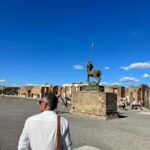
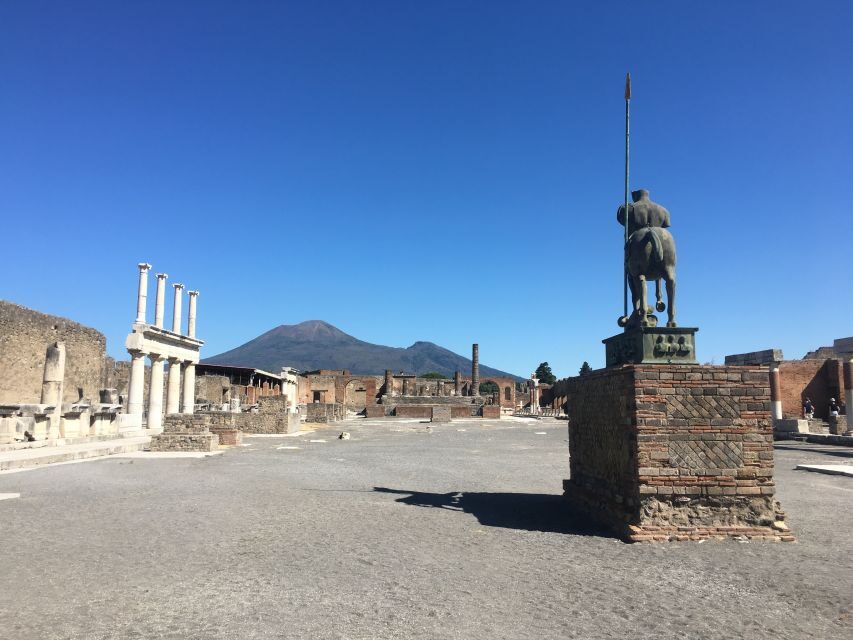
Near the end of the Pompeii portion, you reach the Forum and you’ll also see plaster casts of victims. This is the part where the scale of the tragedy stops being abstract. A guide helps here—because context matters. If you only glance, you miss the meaning; if you understand what you’re seeing, it lands harder, and it also feels less like spectacle.
Lunch break: how to use the downtime well
The itinerary includes a lunch break, with free time built in. The meeting/start point is Ristorante Suisse, and it’s also very handy for grabbing food without losing the rhythm of the day.
If you’re traveling with kids (the tour is designed with families in mind), this break is key. Pompeii can feel nonstop if you don’t reset. A good lunch moment helps your brain switch from “rooms and artwork” to “people and story,” which is exactly what you’ll need before you head to Herculaneum.
One practical tip: some guides/hosts set things up so you don’t have to overpay for basic needs at the site area. One reviewer noted that there can be little white cards at tables that can allow free bathroom access at the restaurant. Don’t plan your day around it—but it’s worth keeping an eye out.
Train to Herculaneum: short transfer, big change in feel
After Pompeii, you head to Herculaneum by train. The description puts this at about 20 minutes by train, and the itinerary includes a slightly larger time block. Either way, plan on a smooth but real transfer—you’re not just stepping over a fence.
This leg is important because it creates a clean mental break. Pompeii can be intense: lots of open areas, more crowd pressure, and a broader spread of ruins. Herculaneum often feels calmer once you arrive, which makes the next portion easier to process.
Herculaneum: why preservation here makes the past feel close
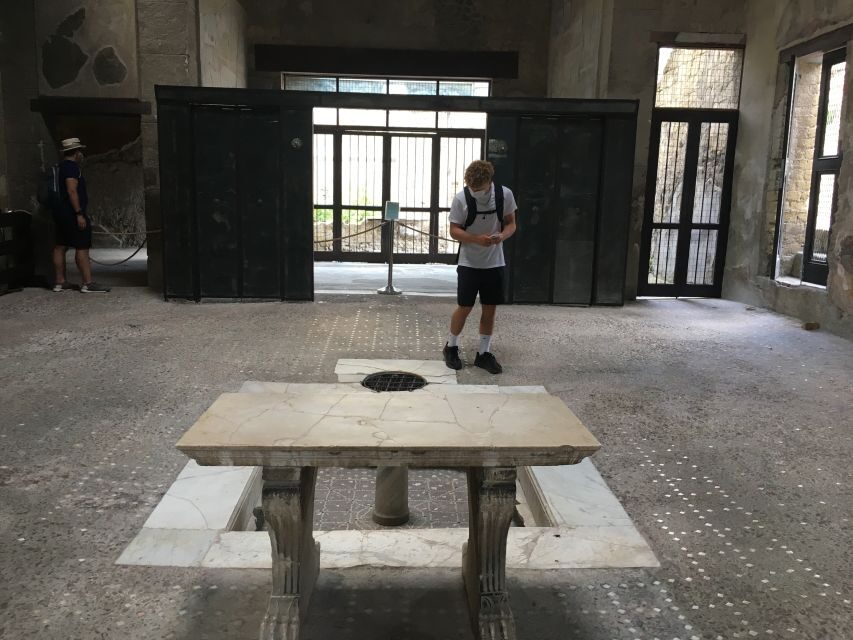
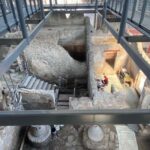
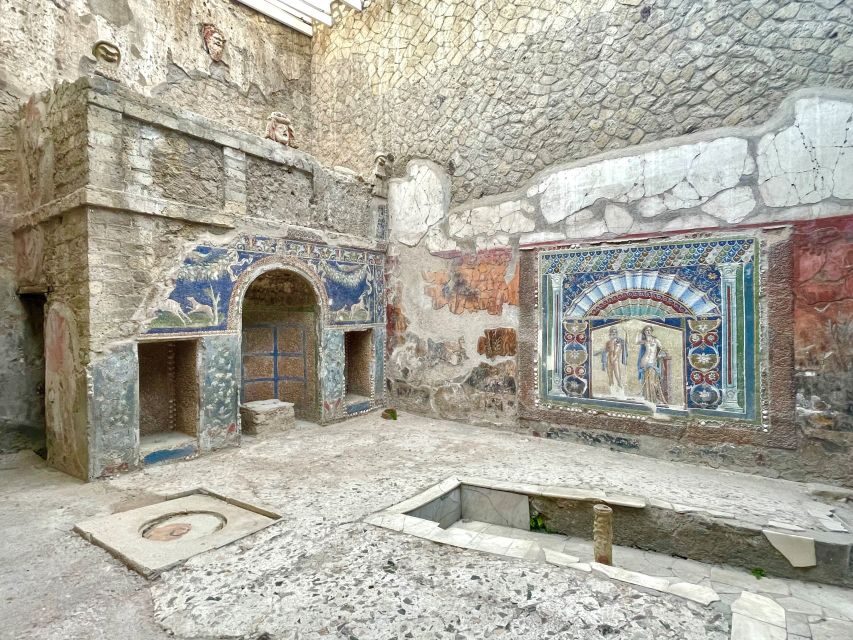
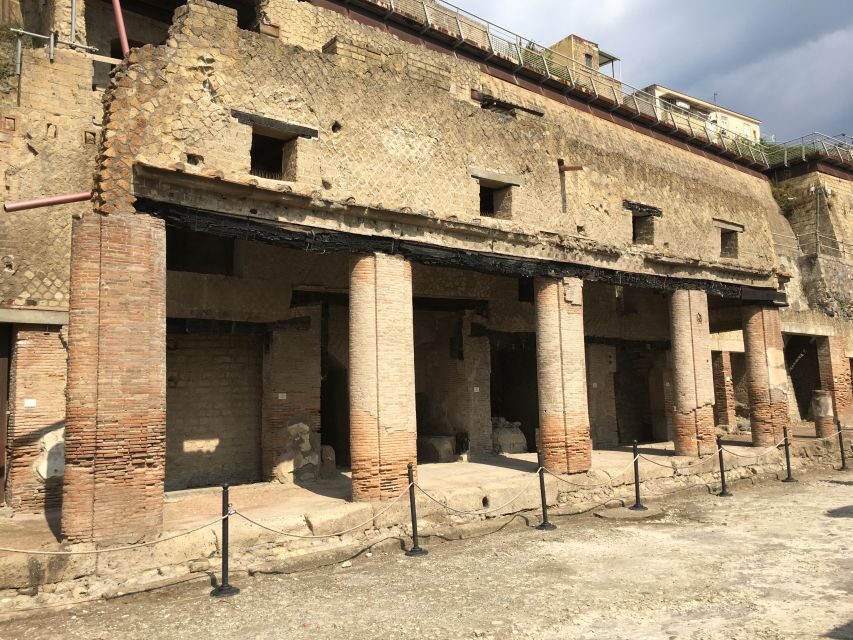
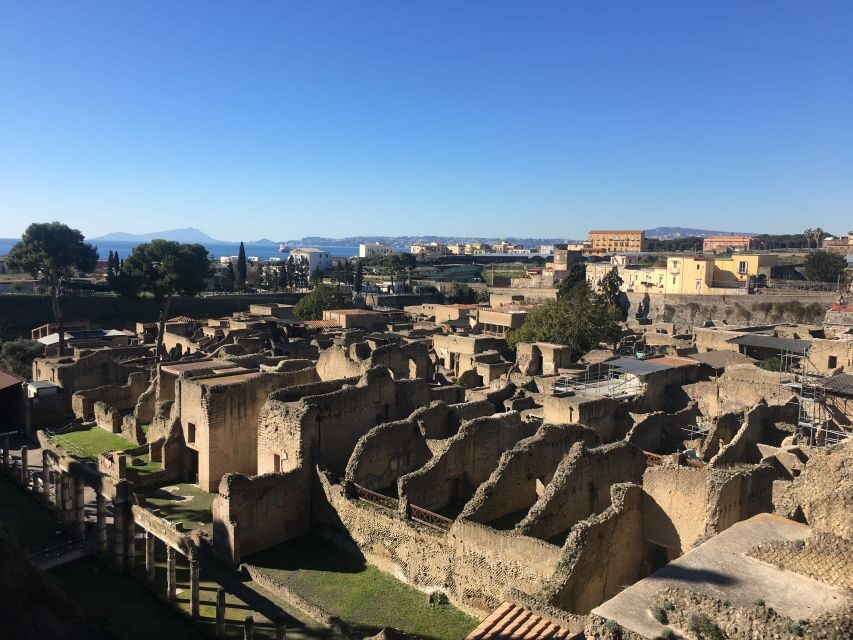
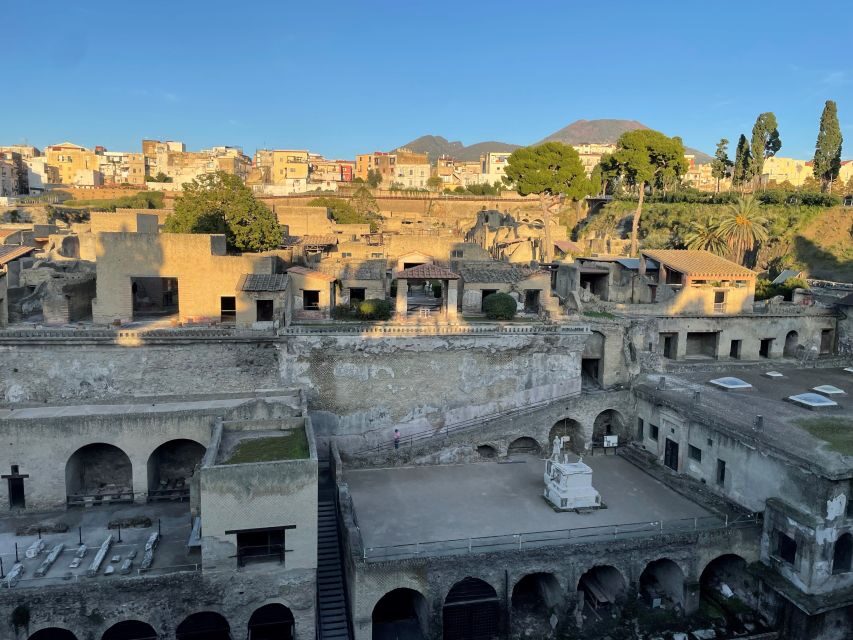
Herculaneum is often described as a small jewel for a reason. It covers less ground than Pompeii, but the quality of what you can see is the point. The burial and conservation conditions are different, and the result is that you get much more “readable” detail.
You’ll admire splendid residences with standout decoration, including:
- frescoes
- marbles and mosaics
- jewelry
- skeletons in preserved contexts
- and exceptionally well-preserved wood
That last one matters. When you can see wood preserved in a way you normally wouldn’t expect, you stop thinking of this as only stone and start thinking of it as real rooms that real people lived in.
The payoff: unique details and fewer crowds
Herculaneum is also known for being quieter than Pompeii. In a small group, that quiet becomes part of the experience—you can slow down, look at the details your eyes would miss on your own, and let your guide connect them back to Roman life.
If Pompeii gave you the city’s public rhythm, Herculaneum shows you more of the private interior world. That contrast is why doing both in one day is so efficient.
Price and value: what $141.61 covers (and what it doesn’t)
At $141.61 per person for a 5-hour outing, you’re paying for a specific package: expertise plus site time. Here’s what’s included:
- an archaeologist guide
- entry tickets
- headsets for groups larger than 8
- free time for lunch
- skip the ticket line
What’s not included:
- transportation
- food and drink
The value angle for me is this: Pompeii and Herculaneum are both big, and both are easy to under-read if you’re just following signage. Paying for an expert guide is what turns the day from “I walked and took photos” into “I understood what I saw.”
And the small-group cap (up to 10) helps protect your time. In a place like this, time is the currency. This tour is designed to spend it on the most meaningful stops.
Practical tips for a smoother, more enjoyable day
A few small choices can make the day feel effortless instead of exhausting.
Wear for ruins, not for photos
You’ll want comfortable shoes because Pompeii and Herculaneum involve uneven paths and long stretches. Add water and a hat. One hot-day tip from the feedback: Benedetto has been known to actively look for shade when conditions get rough, which is exactly what you hope for in August-level heat.
Plan for crowds, even with a small group
Even with a small group, Pompeii is popular. A big part of the “value” is that Benedetto navigates the sites in a way that helps you avoid getting stuck in traffic-style crowds. That means fewer detours and more time on key details.
Be ready for schedule changes
Once in a while, transit plans get messy. One set of feedback mentioned Benedetto arranging a taxi to help when a rail strike disrupted plans. You can’t assume that will happen on every date, but it’s a reassuring sign that the guide thinks in solutions, not excuses.
Bring your ID and your exact names
Because Pompeii tickets are named, make sure the names you submit match the participant list. Bring the original passport/ID. It’s the kind of detail that can waste an hour if you show up unprepared.
Should you book this archaeologist-led day?
If your goal is not just to see Pompeii and Herculaneum, but to understand what you’re looking at, I think this is a strong choice. The small-group size, the archaeologist-led guidance, and the Pompeii-to-Herculaneum contrast create a day that feels both efficient and human-scale.
Book it if:
- you want a guided route that covers houses, public spaces, and the victims’ casts/skeleton contexts
- you care about the details in frescoes, mosaics, and preserved interiors
- you like your history with a guide who uses humor and keeps things moving
Skip it (or look for a different format) if:
- you can’t do sustained walking on uneven ground
- you need a wheelchair-friendly route
If you’re choosing between Pompeii only vs. Pompeii plus Herculaneum, I’d lean toward both. Seeing how preservation changes what you can learn is often the biggest lesson of the day.
FAQ
How long is the Pompeii and Herculaneum guided tour?
The tour runs for 5 hours, including time for Pompeii, a lunch break, train transfer, and the guided visit of Herculaneum.
How big is the group?
The tour is offered in private or small groups, with a small group size of up to 10 people.
What’s included in the price?
The price includes an archaeologist guide, entry tickets, headsets for groups larger than 8, and free time for lunch.
Do I need tickets in advance?
The tour includes entry tickets, and you also get skip-the-ticket-line benefits. Just be aware that the Pompeii ticket is named, so you’ll need to provide first and last names of participants after booking.
Where do we meet, and where does the tour end?
Meet at the guide’s sign at Ristorante Suisse. The tour ends back at the Archaeological Park of Herculaneum (and the activity is listed as ending back at the meeting point area).
What languages is the guide available in?
The live guide is available in English, Italian, and French.
Is the tour suitable for people with mobility impairments or wheelchair users?
No. The tour is listed as not suitable for people with mobility impairments and not suitable for wheelchair users.