REVIEW · POMPEI CAMPANIA
Pompeii: Guided Tour with Archaeologist with max. 12 People
Book on GetYourGuide →Operated by Benedetto Tourist Guide · Bookable on GetYourGuide
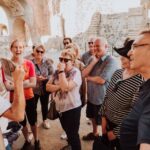
Pompeii hits different with a real archaeologist. This 2-hour guided walk through the buried Roman city lets you connect the eruption of AD 79 to the street life, homes, shops, and public buildings you can still see. With Benedetto D’Aloise (an archaeologist who guides), the ruins don’t feel like random stones; they feel like a living town stopped mid-day.
I love how the tour is built around the big sensory details: frescoes, mosaics, marbles, and the story behind what you’re looking at. I also like the small group size (max 12), which makes it easier to hear the explanations clearly and ask questions without the crush. You get that rare mix of structure and breathing room, plus time to wander afterward.
One drawback to weigh: this is a walking tour, and it’s not suitable for mobility impairments or wheelchair users. Also, two hours is great for seeing the highlights, but it will not cover everything Pompeii has to offer.
In This Review
- Key things that make this Pompeii tour worth it
- Pompeii, explained in walking-distance detail
- Meeting at Suisse Restaurant: start organized, not stressed
- Porta Marina Inferiore and the theaters area: getting your bearings
- House of Menander: the everyday world inside the walls
- Terme Stabiane: baths, routine, and real human scale
- Shops, bakeries, and street life: Pompeii as a city, not a postcard
- Lupanare: looking at the complicated parts of Roman life
- Forum and public buildings: politics, religion, and the heartbeat of town
- Macellum and the basilica: food, trade, and law
- Plaster casts of the victims: the guided moment you will remember
- How the route balances crowds, heat, and your attention span
- Price and value: is $65 a good deal for Pompeii?
- Who should book this Pompeii archaeologist tour
- My verdict: should you book it?
- FAQ
- How long is the Pompeii guided tour with an archaeologist?
- Where is the meeting point?
- Does the price include entry to Pompeii?
- Is this a small group tour?
- Will I have a headset to hear the guide?
- What languages are available for the live guide?
- What do I need to bring?
- Is the tour wheelchair accessible?
- Do I need to provide participant names for the ticket?
- Is there free time after the tour?
Key things that make this Pompeii tour worth it
- Benedetto D’Aloise as the guide: an archaeologist-style approach that turns ruins into clues
- Small group format (max 12): calmer pacing and better chances for questions
- Express entry + headsets (if needed): faster start, less waiting, easier listening
- Plaster casts of victims: a guided moment that helps the scale and tragedy land
- A stop-by-stop route: from theaters and villas to baths, the forum, and everyday shops
Pompeii, explained in walking-distance detail
Pompeii is famous for one huge event: the eruption of Vesuvius in AD 79. But what makes the city unforgettable is how ordinary it was before disaster. Roman Pompeii had sidewalks, bakeries, bath routines, political buildings, and neighborhoods with their own rhythms. On this tour, you don’t just pass monuments. You follow the logic of a city: where people walked, shopped, worked, relaxed, worshipped, and did business.
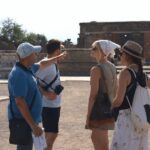
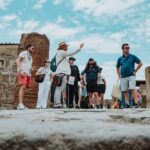
The tour runs about 2 hours, with a small group capped at 12 people. That matters because Pompeii can feel chaotic: uneven paths, long lines at peak times, and crowds that move like a herd. A smaller group helps you keep track of the route and, more importantly, keeps the guide’s attention on the people in the group rather than on a schedule-chasing conveyor belt.
The guide uses an archaeologist’s way of explaining: you learn what something likely was, why it matters, and how it fits into daily life. That changes the experience from sightseeing to understanding.
Other guided Pompeii tours we've reviewed
Meeting at Suisse Restaurant: start organized, not stressed
The tour meeting point is the Suisse Restaurant, where your guide waits with a sign showing your name. This is a helpful detail because Pompeii sites can be hard to navigate when you’re trying to match your ticket to the right entrance and the right timing.
You’ll want to arrive with everything ready. Pompeii’s ticket is named, so you’ll need to provide first and last names for all participants after booking. Bring your passport or original ID card and plan to keep it with you. This is the kind of rule that can waste time if you show up with a missing detail.
Once you’re in, the tour’s first goal is simple: get you oriented fast so you can enjoy the ruins without constantly wondering what you’re looking at.
Porta Marina Inferiore and the theaters area: getting your bearings
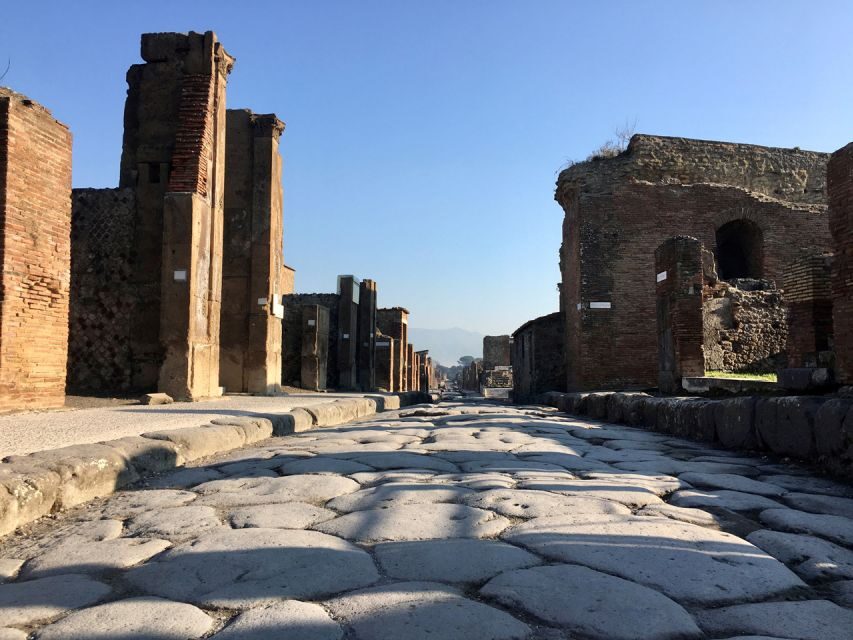
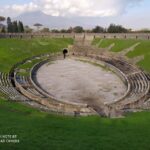
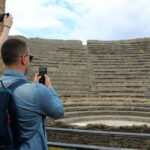
Your route begins at Porta Marina Inferiore and then moves into the area of the theaters. This is a good start because gates and entertainment zones help you understand what kind of city Pompeii was. These weren’t just places to pass through; they were part of how people socialized.
Early on, you’ll start seeing the layout that still reads as Roman planning. Streets and access points matter because they explain how crowds would flow, how deliveries would happen, and how visitors would move toward major public buildings. If you’ve visited other ruins and found them hard to connect, this beginning helps you build a mental map before the route gets more detailed.
House of Menander: the everyday world inside the walls
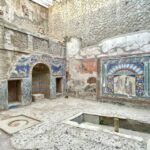
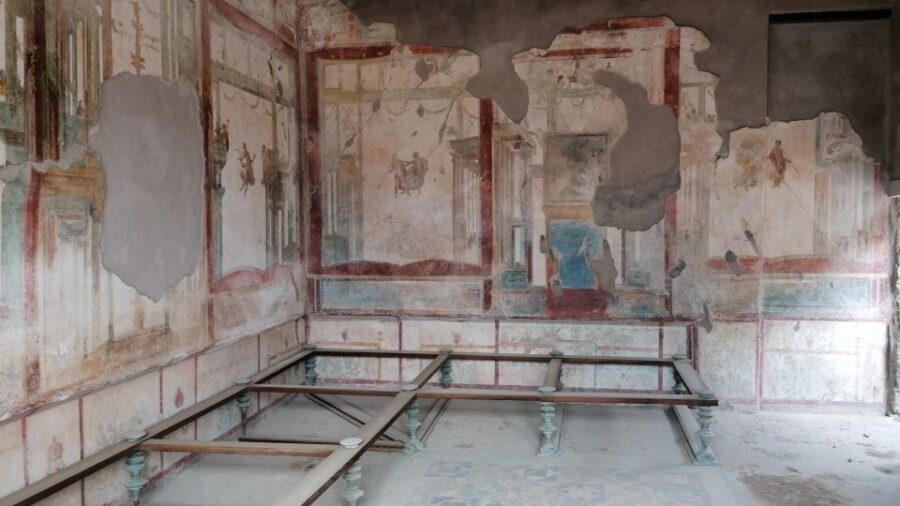
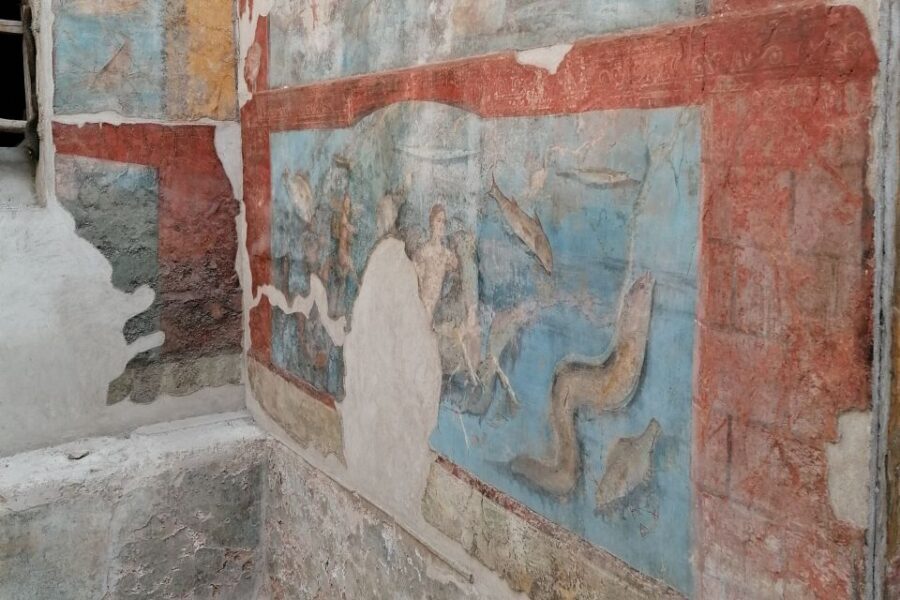
Next comes the House of Menander, a highlight for anyone who enjoys how buildings reflect people. Pompeii’s houses aren’t museum-empty. Even when rooms are damaged, you can still sense the difference between spaces meant for family life and spaces used to receive visitors.
This stop is especially strong for the visual language of Roman interiors. You’ll get time focused on decorative details like mosaics and frescoes, plus the sense of craftsmanship you’d expect from a household that cared about image and comfort. The guide helps you read these surfaces as more than pretty wall art. They’re also signals of identity, taste, and status.
A practical note: indoor or shaded areas can be a welcome relief, but Pompeii is often hot. Wear comfortable shoes and take advantage of any shade breaks the guide encourages.
Terme Stabiane: baths, routine, and real human scale
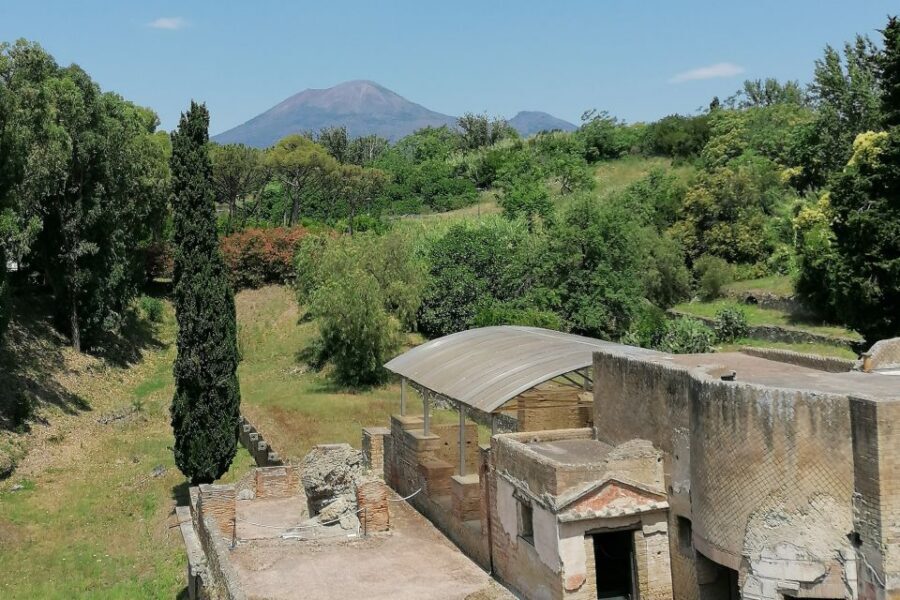
Then you move into the Terme Stabiane, the public baths. Baths are one of the best windows into daily Roman behavior because they were part of routines, not just occasional events. This is where you see how a community organized leisure, cleanliness, conversation, and social life.
What I like about a guided bath stop is that the guide can connect architecture to behavior. You’re not just looking at rooms. You’re learning why people gathered, what movement through the space might have felt like, and how different areas likely served different needs.
This is also a stop where Pompeii’s “preserved practicality” shows up. Even if you only spend a short time here, you can still understand why baths mattered so much in Roman culture.
Other Pompeii tours with an archaeologist

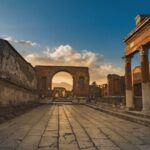
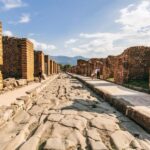
Shops, bakeries, and street life: Pompeii as a city, not a postcard
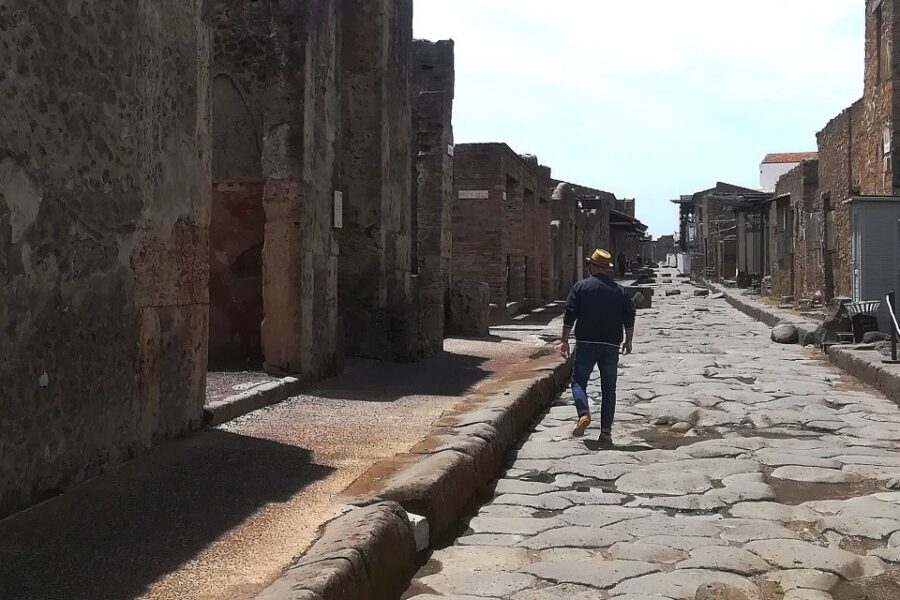
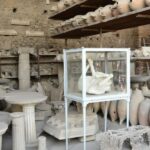
A big part of why Pompeii sticks in your mind is the street-level feel. The tour walks you through a corridor of the city lined by shops and everyday spaces, including references to ancient Roman bakeries and snack-style places.
This section is where Pompeii stops being only about tragedy and becomes about living. You get a sense of how people moved between commercial life and home life. You also start to notice how the city’s design supported daily work.
If you’ve ever struggled at archaeological sites because there are too few labels, this is the part that saves you. Without guidance, Pompeii can feel visually beautiful but confusing. With a guide, the streets become understandable.
Lupanare: looking at the complicated parts of Roman life
The route then reaches the lupanare, the brothel. This is one of those Pompeii stops that can feel awkward to think about, but it’s also an important part of understanding the whole city.
On this tour, the guide frames it as part of Roman urban reality rather than as shock value. You see how the built environment supported commercial sex work, and you learn how that reflects broader patterns of business and social life.
For some visitors, this stop is the most emotionally heavy. For others, it’s the most clarifying. Either way, it’s a reminder that Pompeii included the ordinary and the uncomfortable side by side.
Forum and public buildings: politics, religion, and the heartbeat of town
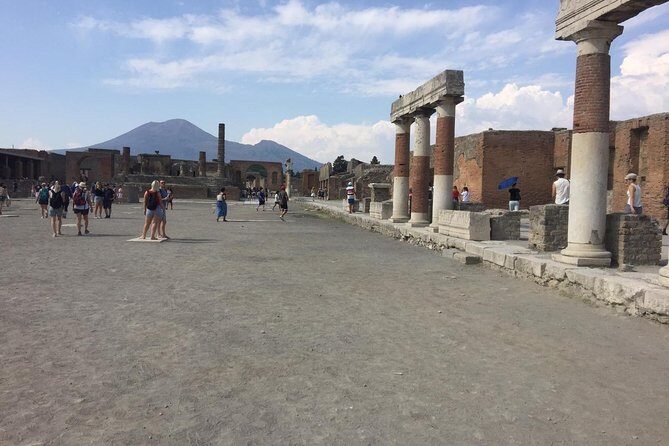
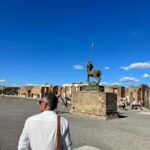
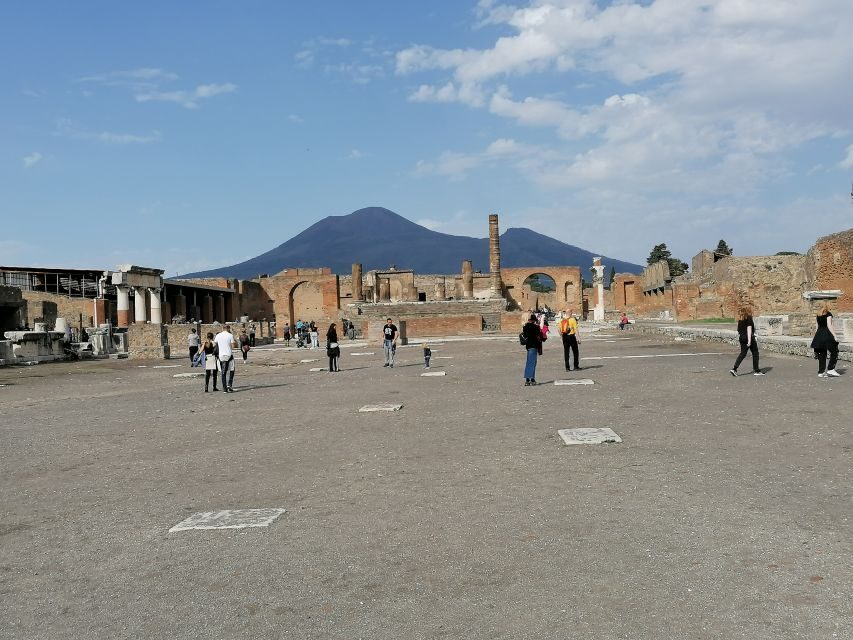
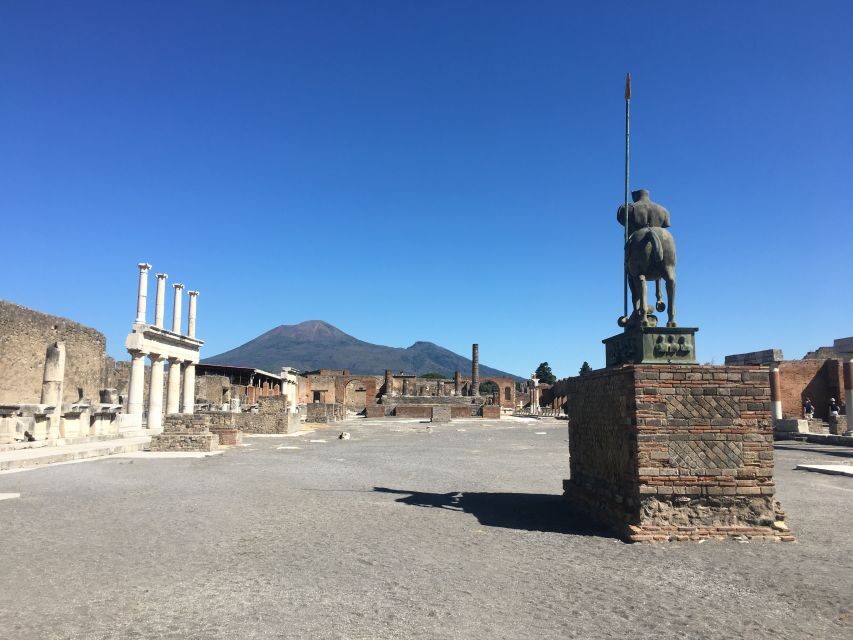
The tour continues toward the Forum (Foro Civile di Pompei) and public structures, and this is where Pompeii feels most civic. The forum wasn’t a backdrop; it was where public life happened. People gathered for official events, religious activity, and the general business of being a community.
You’ll also visit major civic points like the Temple of Jupiter. This helps you connect political and religious roles. Roman cities often treated religion and governance as linked systems, and seeing the temple within the forum context makes that clearer.
If you’re the type of person who likes to understand how power worked in real places, this is a strong segment. It’s also a good moment to slow down because the forum spaces can be open and exposed to heat.
Macellum and the basilica: food, trade, and law
Two more stops round out your understanding of daily city functions:
- Macellum of Pompeii (market area). This gives you a lens on trade and food culture. Even in ruin, it shows how a city organized consumption and exchange.
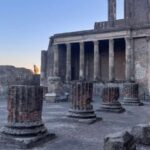
- Basilica, Pompeii (the civic/administrative space). Basilicas often relate to public gatherings and the business side of governance.
Together, these sites help you see Pompeii as an economic system, not only a disaster scene. You start noticing how often public life revolved around food, transactions, and formal buildings.
Plaster casts of the victims: the guided moment you will remember
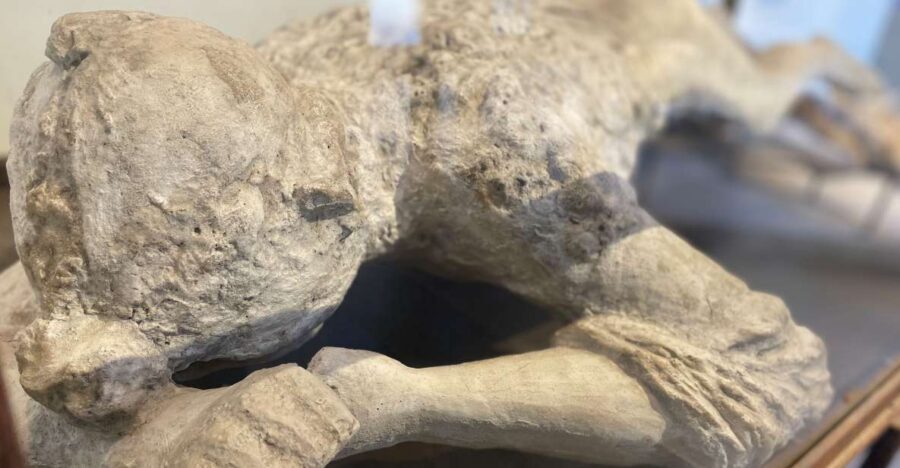
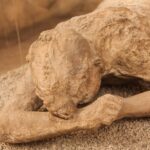
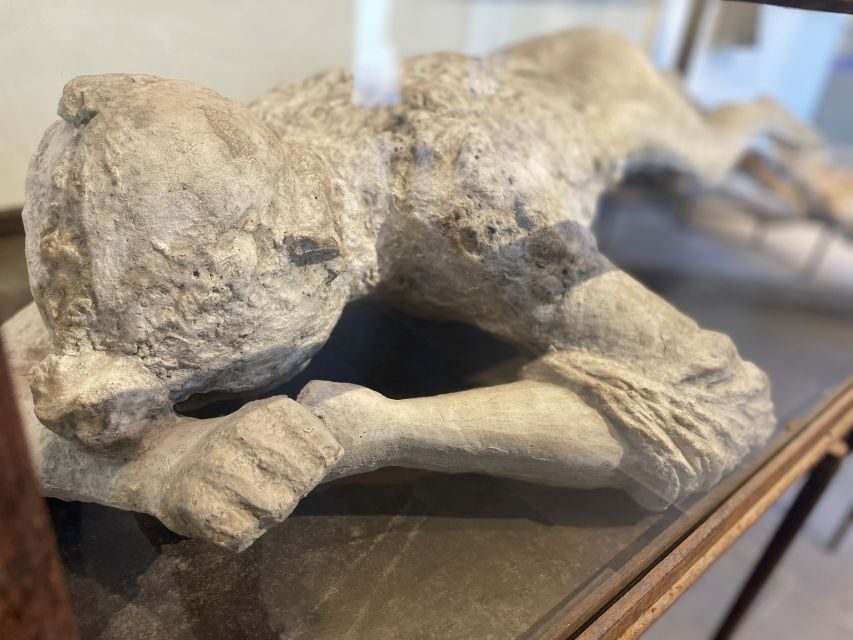
Finally, you reach the area featuring the plaster casts of the victims. This is the part that most people remember long after they leave. The reason it hits so hard is also the reason guidance matters. Seeing the casts without context can make the tragedy feel distant. With an archaeologist’s explanation, you understand what you’re looking at as evidence—human forms preserved by a specific chain of events.
This stop doesn’t turn the tragedy into a gimmick. It helps you process scale and timing, and it also brings you back to the eruption of AD 79 as something that stopped lives instantly.
Be ready for an emotional moment here. If you want photos, use a respectful pace. If you prefer quiet, you’ll still get value by watching and listening instead of rushing.
How the route balances crowds, heat, and your attention span
Pompeii is famous for crowds. Even with express entry and smart pacing, you can still encounter high foot traffic. This tour is designed to reduce stress by keeping the group small and moving efficiently between high-interest points.
The route also makes sense for a first-time visit. You get key neighborhoods and public spaces in one session, and you don’t spend the whole day in transit. At the end, you even get free time to explore the archaeological site on your own, which is a practical way to let Pompeii expand in your mind after the guided framework sets the stage.
Heat is real here. You’ll want water and a hat, and plan for pauses. In the small-group format, those pauses feel natural rather than forced. You also want comfortable shoes because Pompeii’s ground isn’t uniform.
Price and value: is $65 a good deal for Pompeii?
At $65 per person for a 2-hour tour, the value depends on what you want from Pompeii.
If your goal is a basic walk-through, you can visit on your own. But the price makes sense if you care about interpretation—especially if you want someone who can connect what you see to how people lived and how the eruption played out in human terms.
You’re also getting several “value multipliers” included:
- Archaeologist guide
- Express entry ticket
- Headsets when the group is bigger than 8
- Time afterward for self-exploration
For most visitors, those add up to a tour that saves time and improves understanding. In a place like Pompeii, reducing confusion is worth real money. If you like your travel with structure, this price is fair.
Who should book this Pompeii archaeologist tour
This is a great fit if you:
- Want someone who can explain Roman daily life and not just point at ruins
- Prefer small-group pacing over big-vehicle tours
- Care about interiors and decoration, not only big outdoor views
- Want to understand the tragedy through guided context, especially at the plaster casts
It’s less of a fit if you:
- Need wheelchair access or have mobility limitations (this tour is not suitable)
- Have a very short attention span and want only quick highlights without deeper explanations
My verdict: should you book it?
Yes, I’d book this if you’re visiting Pompeii for the first time or if you want your visit to feel meaningful instead of confusing. The small-group size and the archaeologist-led focus on real evidence and daily life make it a strong use of a limited time window.
If you want to spend half a day wandering freely with no schedule at all, you might skip guided time. But if you want to leave Pompeii with names, functions, and cause-and-effect in your head, this tour is a solid choice.
FAQ
How long is the Pompeii guided tour with an archaeologist?
The tour lasts 2 hours.
Where is the meeting point?
Meet at Suisse Restaurant, where the guide waits with a sign that shows your name.
Does the price include entry to Pompeii?
Yes. The tour includes an express entry ticket to Pompeii.
Is this a small group tour?
Yes. The group is limited to a maximum of 12 people.
Will I have a headset to hear the guide?
Headsets are provided for groups of more than 8 people.
What languages are available for the live guide?
The guide is available in Italian, English, and French.
What do I need to bring?
Bring your passport or ID card, comfortable shoes, a hat, and water.
Is the tour wheelchair accessible?
No. It is not suitable for people with mobility impairments or wheelchair users.
Do I need to provide participant names for the ticket?
Yes. The Pompeii ticket is named, so after booking you must provide first and last names for all participants.
Is there free time after the tour?
Yes. The tour includes free time for you to explore the archaeological site afterward.