REVIEW · POMPEI CAMPANIA
Pompeii Skip-the-Line Tour with Expert Archeological Guide
Book on GetYourGuide →Operated by WORLDTOURS S.r.l. · Bookable on GetYourGuide
Pompeii is a time capsule you can walk through. This Pompeii skip-the-line tour pairs an expert licensed archaeologist guide with quick entry and a tight route through temples, villas, streets, and daily Roman life, all for just $31. The potential catch: the experience is time-focused, and some people find the audio/earpiece setup (or hearing volume) a bit hit-or-miss.
Before you step into the ruins, there’s a short stop at a traditional cameo workshop, plus a restroom break so you’re not scrambling mid-walk. Inside Pompeii, you’ll see major public spaces, residential areas, and preserved details that make the city feel personal, including the moving plaster casts connected to the 79 AD eruption of Mount Vesuvius.
One more thing to plan around: this tour isn’t suitable for wheelchair users or people with mobility impairments, and you’ll want comfortable shoes because you’ll be on foot for the full 2 hours.
In This Review
- Key highlights to know before you go
- Entering Pompeii at Fortuna Village: How the tour starts
- The cameo workshop stop: a clever warm-up (and a restroom option)
- The heart of public Pompeii: Forum Civile and the civic rhythm
- Houses of the wealthy: House of the Vettii and House of Menander
- Baths and markets: Thermopolium, Forum Baths, and the Macellum
- Temples and photo stops: Jupiter and Apollo
- Theatre quick hits: Large Theatre and Teatro Piccolo
- The plaster casts: the stop that stays with you
- What I’d watch for: guides, ear pieces, and pacing reality
- Practical stuff that actually matters on foot
- Skip-the-line plus archaeology: is $31 a good deal?
- Should you book this Pompeii skip-the-line tour?
Key highlights to know before you go
- Skip-the-line entry helps you spend more time in Pompeii and less time waiting at the gate
- Licensed archaeologist guidance turns ruins into clear stories of how Romans lived
- 2-hour focused route hits Forum areas, houses, baths, markets, and key temple stops
- Plaster casts of Vesuvius victims give the visit an emotional center, not just sightseeing
- Cameo workshop stop adds a hands-on craft moment right before the walking begins
- Small-group experience with variable audio comfort based on what people report
Entering Pompeii at Fortuna Village: How the tour starts
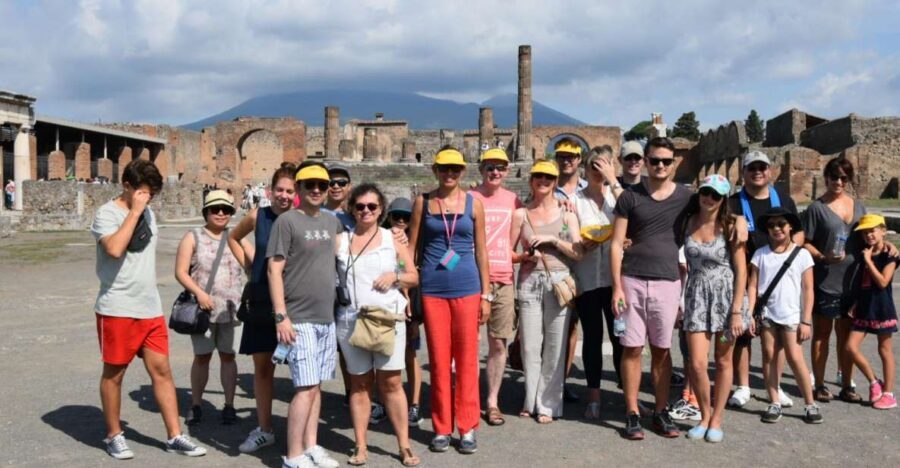
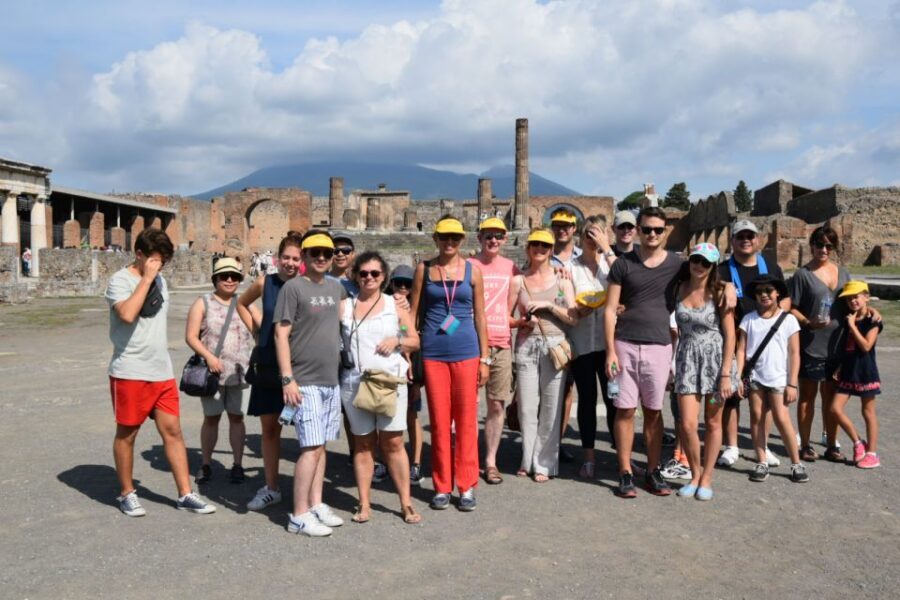
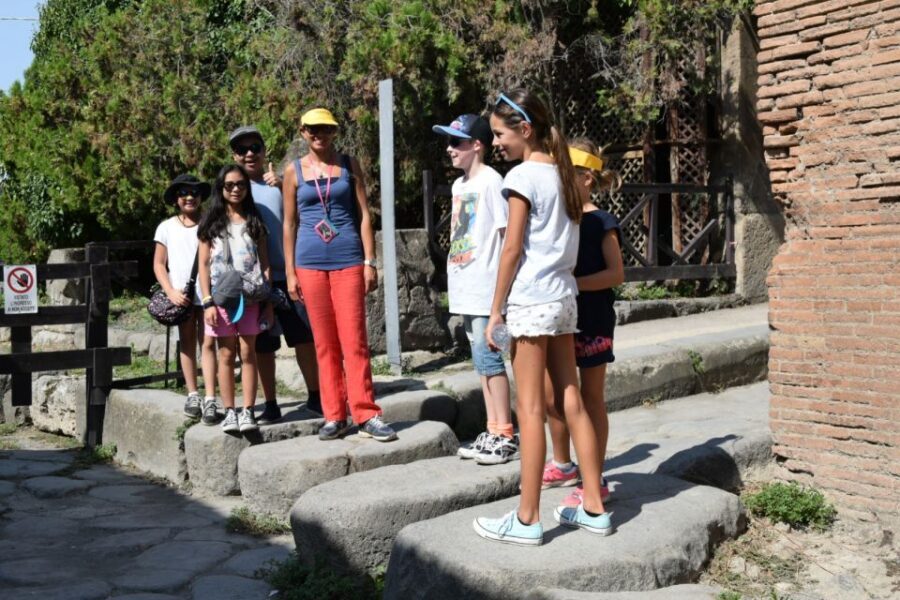
The meeting point is outside the entrance of Fortuna Village Pompei. Your guide holds a sign with the company name, so look up early and don’t hang back like you’re waiting for a late train.
Once the group is together, you’re set up for the main win of this experience: skip-the-line entrance. Pompeii’s popularity can mean lines and bottlenecks, so shaving off that waiting time is a real value move, especially if you’re only staying in the ruins for about two hours.
Expect a guided walk inside Pompeii for around 2 hours. Also know the route isn’t always frozen in stone. The plan can adjust depending on crowd levels and site access, so your exact pacing may change while still covering key areas like a temple, villa, market, and more.
Other Pompeii tours with an archaeologist

The cameo workshop stop: a clever warm-up (and a restroom option)
Right after meeting up, you’ll get a brief break at a traditional cameo workshop. You’ll watch skilled artisans carving delicate shells by hand, then you’ll have time at the cameo factory and shop.
This stop does two helpful things for your day. First, it gives your brain a change of pace before the ruins. Second, it’s a practical reset point—this tour includes a restroom break here—so you can comfortably last the full walk.
If you’re the type who prefers getting straight to the ruins with no detours, this part may feel optional. But I like the way it also gives you a modern craft you can connect to the region’s long habit of making small, detailed objects.
The heart of public Pompeii: Forum Civile and the civic rhythm
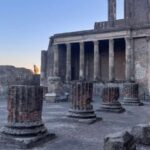
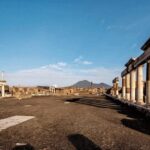
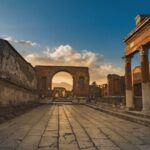
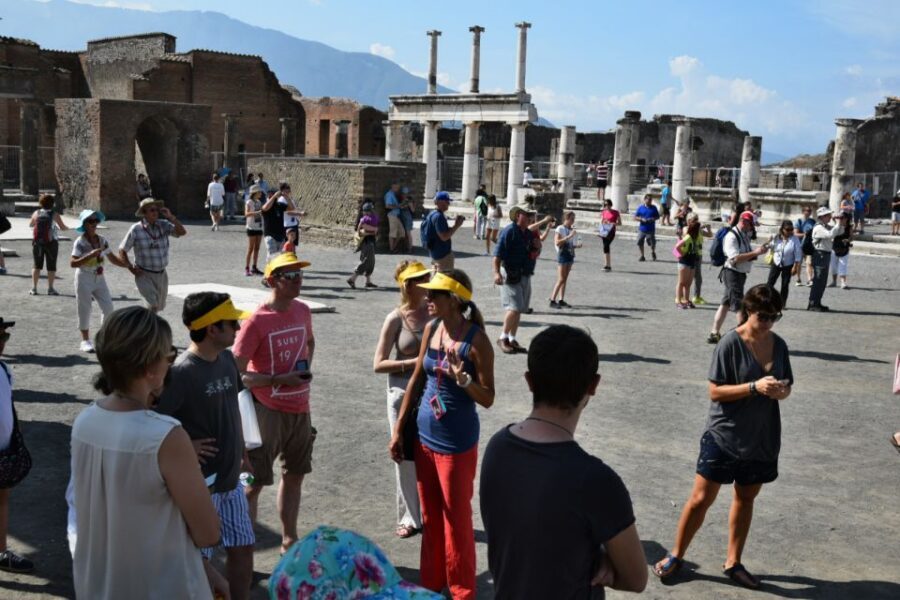
Inside Pompeii, the tour leans hard into the city’s everyday structure. You start with the Foro Civile di Pompei (Forum Civile), which is one of the main ways you’ll understand how public life worked—space for gatherings, civic identity, and the kind of sights Romans would have seen constantly.
This is one of the places where a good guide matters most. When you’re walking without context, forums can blur into “big open stone areas.” With the archaeologist narration, you’re meant to connect what you’re seeing to the purpose of the space and to daily movement through it.
The timing here is short (about 10 minutes), so use it like a “get your bearings” stop. You’re not trying to photograph every inch. You’re trying to learn what this space does in the city’s layout so the next streets and buildings start to click.
Houses of the wealthy: House of the Vettii and House of Menander
After public spaces, you shift into residential Pompeii with the House of the Vettii and the House of Menander. These are two of the stops built for understanding domestic life—how people lived, how different spaces worked, and what “home” meant in a Roman city.
You’ll spend more time here than at many other points (about 20 minutes each). That extra time signals what the tour is aiming for: not just the look of preserved rooms, but the human story behind them.
In a practical sense, this is also where you’ll benefit from staying alert. Houses in Pompeii can be visually repetitive if you don’t know what to look for. A guide’s job is to point out the small cues that make one house feel distinct from another, even when both are “ruins” to the untrained eye.
This is also a good section for questions. If your group is small and the guide is open to interaction, you can get answers that unlock how these homes functioned day-to-day—something you can’t really pull from signage alone.
Baths and markets: Thermopolium, Forum Baths, and the Macellum
This tour brings you close to the “food, drink, and routine” parts of Roman life through several stops:
- Thermopolium (a preserved place for quick hot food and drink)
- Forum Baths (where daily cleansing and social routines would have played a role)
- Macellum of Pompeii (a market stop that shows how trade and eating connected)
The structure is designed so you don’t just walk through grand buildings. You also see the places where people would have passed time, grabbed meals, and handled errands.
The Thermopolium stop is brief (around 5 minutes), so treat it like a scene-setting moment. The real understanding comes from the way the guide connects it to Roman habits—where people ate, how commerce worked, and how daily life moved street-to-street.
The bath and market stops are longer (about 20 minutes for the Forum Baths, and around 10 minutes for the Macellum). Those time blocks are your window for noticing how the tour’s stories connect. If you’re a visitor who likes structure, these stops are where the guide can tie Pompeii together into a working city rather than a collection of monuments.
Other skip-the-line Pompeii tickets and tours



Temples and photo stops: Jupiter and Apollo
The tour includes both a Temple of Jupiter photo stop and a Temple of Apollo visit. Even when the stop time is shorter (the Jupiter section is about 5 minutes), these are important for understanding Pompeii as a religious city, not only a residential one.
A photo stop can be frustrating if you want to linger. But it can also be useful if you know you’ll have limited time and you want to capture the key exterior moment while the guide provides the context.
For Apollo (about 10 minutes), you get more time, which gives you a better chance to understand what the guide wants you to notice and to ask questions if something looks confusing.
Theatre quick hits: Large Theatre and Teatro Piccolo
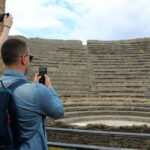
Two additional cultural stops show up near the start of the walk:
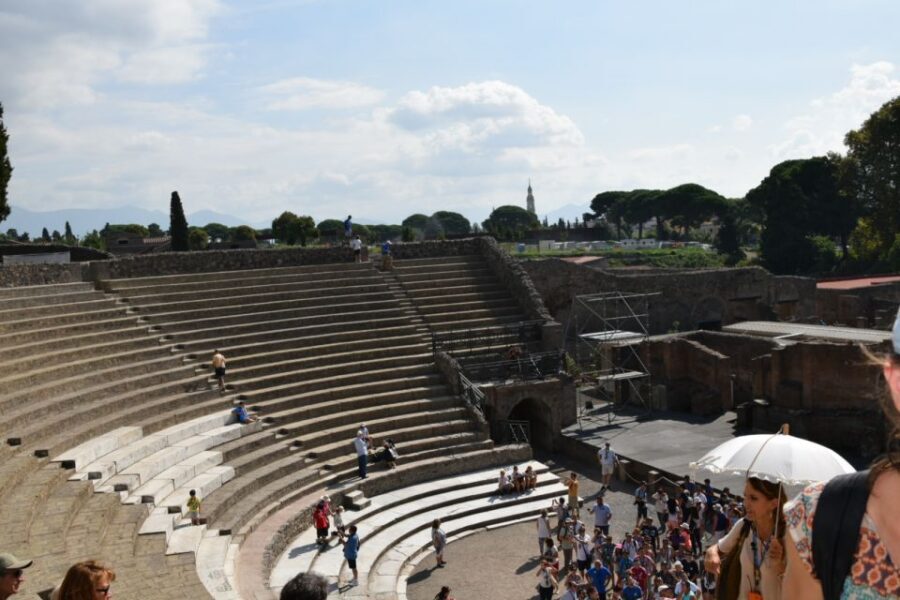
- Large Theatre (about 5 minutes)
- Teatro Piccolo (a short photo stop around 5 minutes)
These are brief by design, so don’t expect a full deep explanation of performance spaces. Instead, think of them as waypoints. They help you see that Pompeii wasn’t only temples and homes. It also had public venues for culture and gatherings.
If you want extra time at any theatre-like area, plan to stay flexible on your own after the tour. The guided portion is time-limited, and you’ll be getting the “map” version of Pompeii here, not a full circuit.
The plaster casts: the stop that stays with you
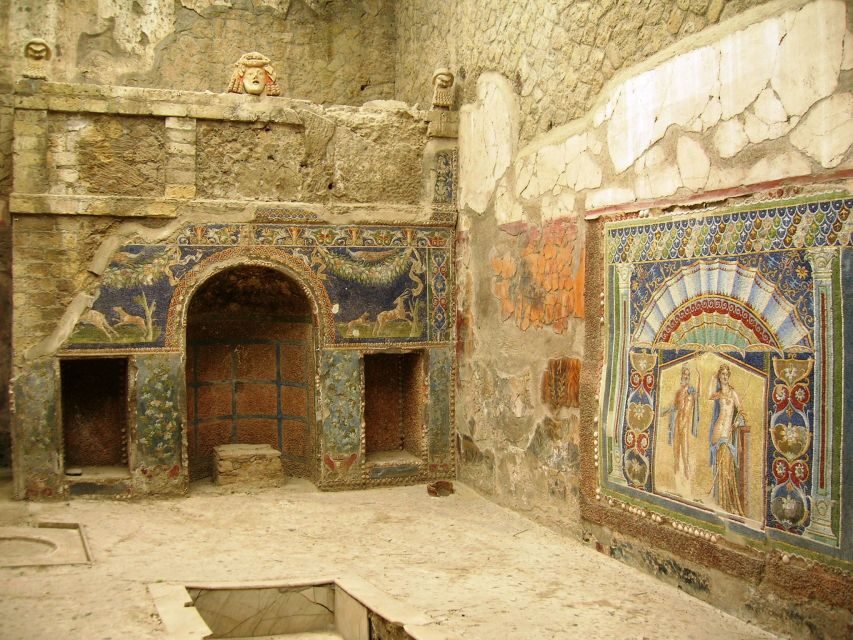
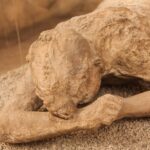
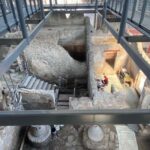
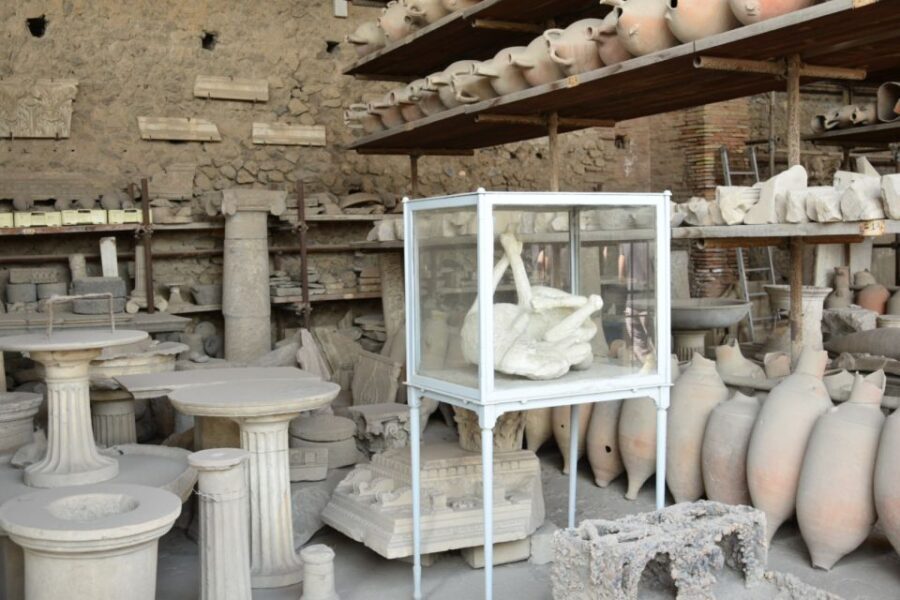
One of the emotional anchors of this tour is the plaster casts of the victims from Vesuvius’ eruption in 79 AD. This is described as a poignant reminder of what happened, and it’s exactly the kind of moment that changes a Pompeii visit from sightseeing to something heavier and more human.
I appreciate that the tour doesn’t treat Pompeii like an abstract history lesson. It keeps pointing you back to the human cost. Even if you’re expecting “ruins plus photos,” this is where the visit becomes memorable for reasons beyond visuals.
Give yourself a second or two to slow down here. Don’t rush the moment just because you’re in a group. This is one of those places where the guide’s pacing can matter a lot, so staying calm helps you absorb what you’re seeing.
What I’d watch for: guides, ear pieces, and pacing reality
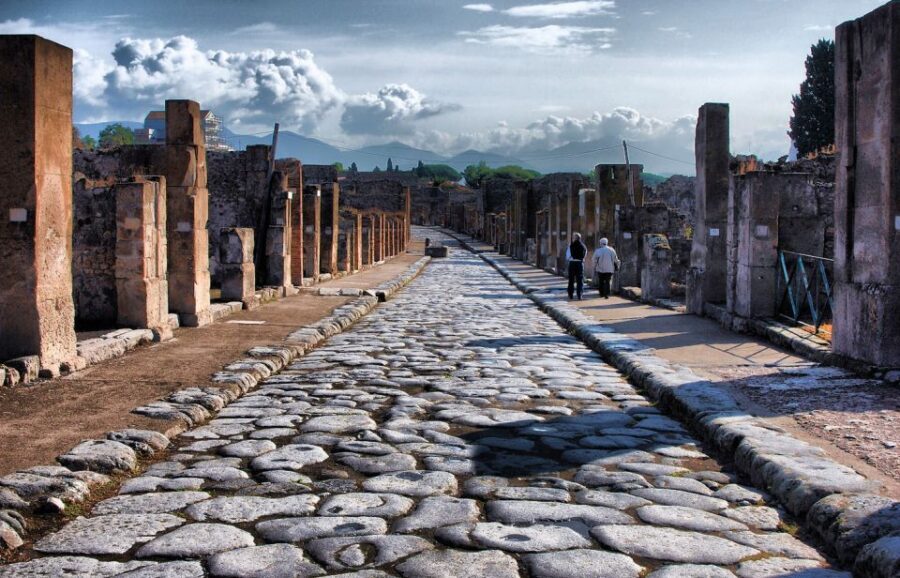
This tour scores high because the guide component is strong. Many people highlight a passionate, friendly archaeologist who explains everyday life in a way that makes sense on the ground. In the feedback I saw, guides like Michael were called out for clear explanations and genuine enthusiasm, and another guide (Analisa) was praised for handling delays smoothly.
That said, this is where you should be practical:
- Audio quality can be inconsistent. Some people report ear pieces that don’t fit well or fall off, while another person noted there were no headsets at all. If you’re sensitive to audio setups, consider bringing your own earplugs.
- Volume and clarity can vary. A few comments mention the guide being hard to hear at times, or speaking quickly with a heavy accent. If that’s you, pick a spot where you can see the guide and don’t rely solely on audio.
- Time pressure can show up. Some groups felt the guide moved quickly after covering the planned points. If you like slow walking and long questions, you may want to follow up with extra self-guided time after the 2-hour tour.
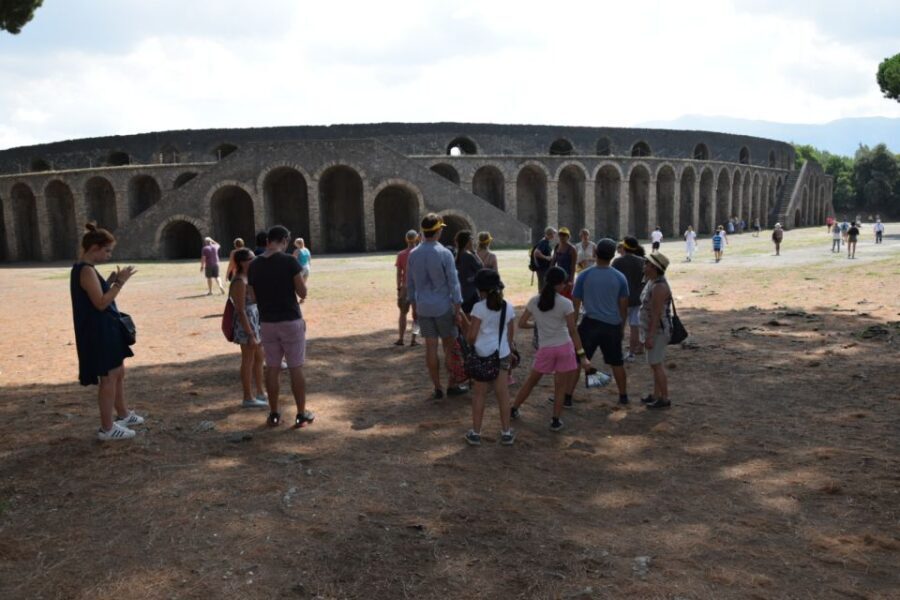
Group size is also a factor. The tour is positioned as small-group, but at least one person expected fewer people and got a bigger group than anticipated. If having space to ask questions is your top priority, arrive early and check in at the meeting point so you understand what you’re stepping into.
Practical stuff that actually matters on foot
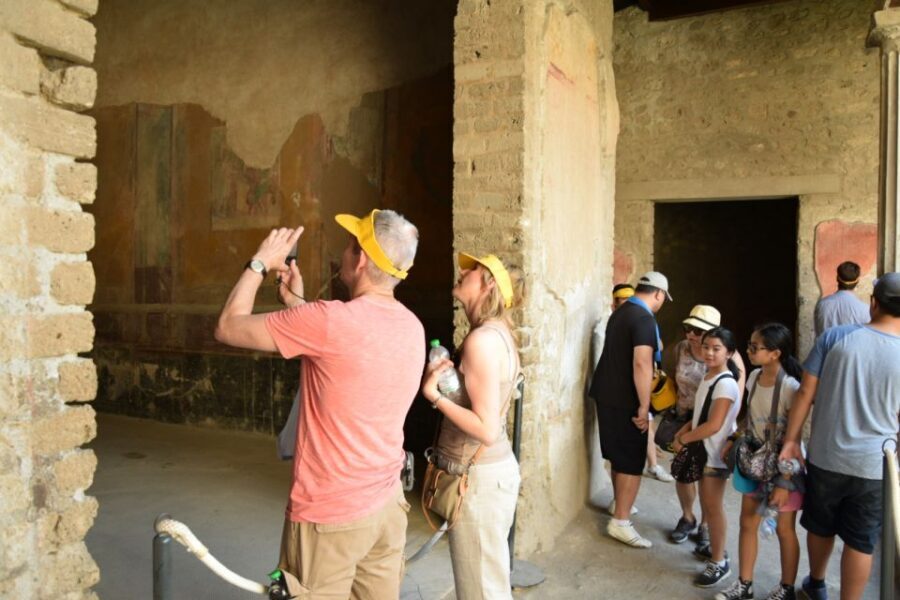
You’ll want to come ready for Pompeii walking:
- Comfortable shoes (non-negotiable)
- Water
- Camera
- Comfortable clothes
- Passport or ID card
You’ll also face some rules that affect your comfort. Pets are not allowed, and you can’t bring luggage or large bags. Drones are also not allowed. Walking sticks aren’t permitted, and unaccompanied minors aren’t allowed on this experience.
This tour is not suitable for people with mobility impairments or wheelchair users. That’s less about comfort and more about access and movement through the site.
If you’re sensitive to heat, plan your day around it. You’ll be moving through uncovered areas, so your best strategy is to go early, drink water, and pace yourself at each stop rather than trying to sprint between them.
Skip-the-line plus archaeology: is $31 a good deal?
At about $31 per person for a roughly 2-hour guided walk, the value comes from three things working together:
- Skip-the-line entrance, which reduces wasted time at the gate.
- A licensed archaeologist guide, which matters because Pompeii’s layout can feel confusing without context.
- A short cultural add-on (the cameo workshop) plus a restroom break, which improves day flow.
Where the math gets even better is if you’re comparing alternatives like self-guided entry. Without a guide, you’re left translating what you see on your own. With an archaeologist, you’re getting a guided storyline that connects temples, homes, markets, baths, and preserved spaces into one coherent city.
If you’re only visiting Pompeii once, this is a smart choice. If you’re doing Pompeii as a long multi-hour day, this tour can still help, but you may want to book it as your “orientation and highlights” segment, then extend with extra time on your own.
Should you book this Pompeii skip-the-line tour?
Book it if:
- You want a guided, archaeologist-led overview without spending hours figuring out what everything is
- You like a focused route that hits major areas in about 2 hours
- You’d appreciate seeing both public spaces (Forum areas) and everyday-life locations (markets, baths, and small food spots)
- You don’t want to wrestle with entry lines
Skip it if:
- You need wheelchair-friendly routing or mobility support
- You hate structured time boxes and want to wander slowly with no pacing
- Your comfort depends on perfect audio delivery, since some people report ear piece fit or clarity issues
My call: if your goal is to leave Pompeii with understanding—not just photos—this is a solid pick at the price. The best parts are the guided connections between the spaces and the emotional weight of the Vesuvius plaster casts.