REVIEW · POMPEI CAMPANIA
Pompeii: 2-Hour Guided Tour with an Archaeologist
Book on GetYourGuide →Operated by Askos Tours · Bookable on GetYourGuide
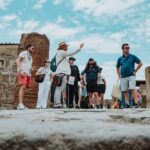
Pompeii makes more sense with a real archaeologist. This 2-hour guided tour is designed to help you read the ruins like a Roman citizen, not like a postcard—especially with expert explanations and stop-by-stop focus on the most important areas of town. I especially like how the tour leans on archaeological storytelling and how you get plaster casts that make the tragedy at 79 AD feel immediate.
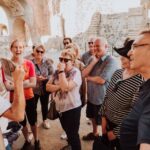
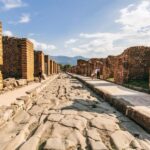
You’ll walk the western part of Pompeii, where the public buildings and everyday life sit close together. Expect major sights such as the Forum and Basilica, plus stops tied to daily routines and private spaces, including baths and the old brothel area. Guides can be French, German, Spanish, Italian, or English, and you’ll be issued disposable earphones if the group is larger.
One thing to plan for: the meeting location can be tricky to find. There’s a note that the meeting spot may not show up well on GPS, so give yourself a little extra time to locate the exact entrance on Via Villa dei Misteri near Porta Marina.
In This Review
- Key highlights worth clocking
- Porta Marina Superiore: how you start this Pompeii walk
- Western Pompeii’s civic core: Forum, Basilica, and the Temple of Apollo
- Homes and shops that show real routines: Menander, the Faun, Vettii, and more
- Forum Baths and the Lupanar: public health, private life, and why both matter
- The plaster casts stop: understanding 79 AD without turning it into gore
- Theatre and amphitheater: Pompeii’s built-in ways to watch and gather
- Two hours in Pompeii: why the pace feels both fast and satisfying
- Price and value: $175.74 per person, and what you actually get for it
- Should you book this Pompeii archaeologist tour?
- FAQ
- How long is the Pompeii guided tour?
- Where does the tour meet?
- Does the tour price include Pompeii entry tickets?
- Are earphones provided?
- What languages are offered?
- What should I bring to Pompeii?
- Is it free on the first Sunday of the month?
- Is the tour suitable for wheelchair users?
Key highlights worth clocking
- Porta Marina Superiore start: You begin right at a main gate, then move through the core of western Pompeii.
- Forum + Basilica focus: Political and social life gets clear, fast, instead of getting lost in the scale of the site.
- Baths and the Lupanar: You see how Romans handled both public life and private indulgence.
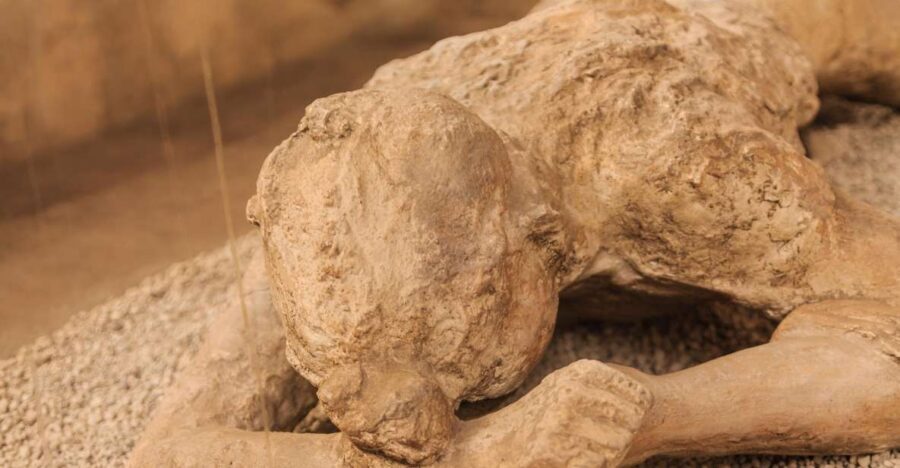
- Human and animal plaster casts: A powerful stop that puts a name and body to the disaster.
- Guides who tell stories with respect: Names like Rosalina, Tonia, Enzo, Paola, Alessandro, Giancarlo, and Sergio come up as standout guides, praised for pacing and clear explanations.
Porta Marina Superiore: how you start this Pompeii walk
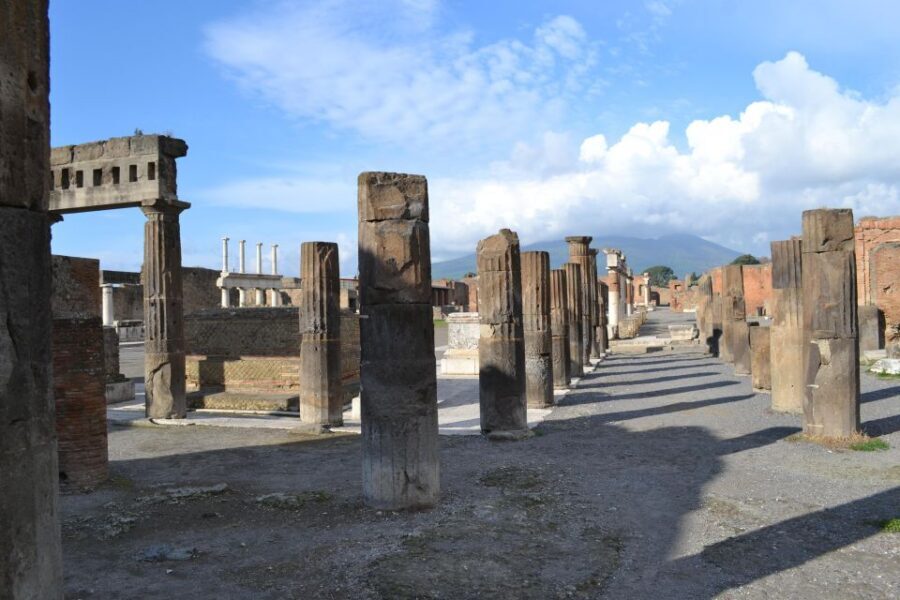
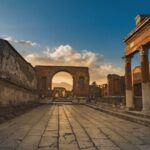
Your tour begins at Porta Marina Superiore, near the main western entry points. There are two common start options listed: Via Villa dei Misteri 2 (Pompei) and Porta Marina (with the route described as beginning at Porta Marina Superiore). Either way, the idea is the same: get you into Pompeii with the right context before you’re tempted to wander.
This matters more than you’d think. Pompeii is huge, and first-time visits can turn into a scroll of ruins in your head. Starting with a guide at Porta Marina helps you pick a direction and learn what you’re looking at as you go.
Practical stuff you’ll want to remember:
- Wear comfortable shoes. The ground is old, uneven, and you’ll be on your feet for most of the two hours.
- Bring water, sunglasses, and a sun hat, especially if your slot lands on a hot day.
- If you’re with a bigger group, you’ll use disposable earphones, which helps you hear clearly without stepping into a guide’s personal space.
Guide language is also a plus here. You can choose among French, German, Spanish, Italian, and English, which makes it easier to follow complex ideas like how Pompeii was preserved and why UNESCO calls it a unique record of daily life.
Other Pompeii tours with an archaeologist

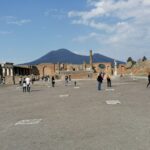
Western Pompeii’s civic core: Forum, Basilica, and the Temple of Apollo
The tour concentrates on western Pompeii, which is smart for a short visit. Instead of spreading you thin across the entire site, you spend your time where the city’s public identity lives.
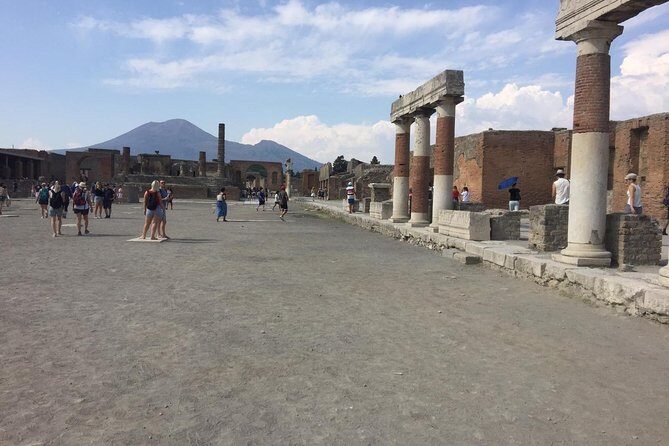
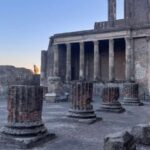
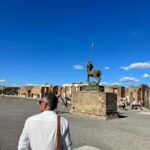
The highlight is the Forum, the center of political and social life in Roman times. With a guide, it stops being just columns and stone. You’ll get the story of how Roman government and public gathering worked, and how that translated into the spaces people used every day.
Right alongside that civic world is the Basilica (often described as the court-house area). This is one of those places where the architecture can feel “obvious” in a museum sense, but a guide helps you connect the structure to the purpose—who met there, what happened there, and why it mattered.
You’ll also encounter the Temple of Apollo. Even if temples aren’t your usual interest, this stop is valuable because it helps you understand how religion and public life mixed in Roman cities.
And yes, UNESCO is part of the framing. The tour highlights why Pompeii and Herculaneum were recognized for giving a complete and vivid picture of society at a specific moment in the past—something without a parallel elsewhere. Hearing that while you’re standing among the remains makes it feel more real than reading it later.
Homes and shops that show real routines: Menander, the Faun, Vettii, and more
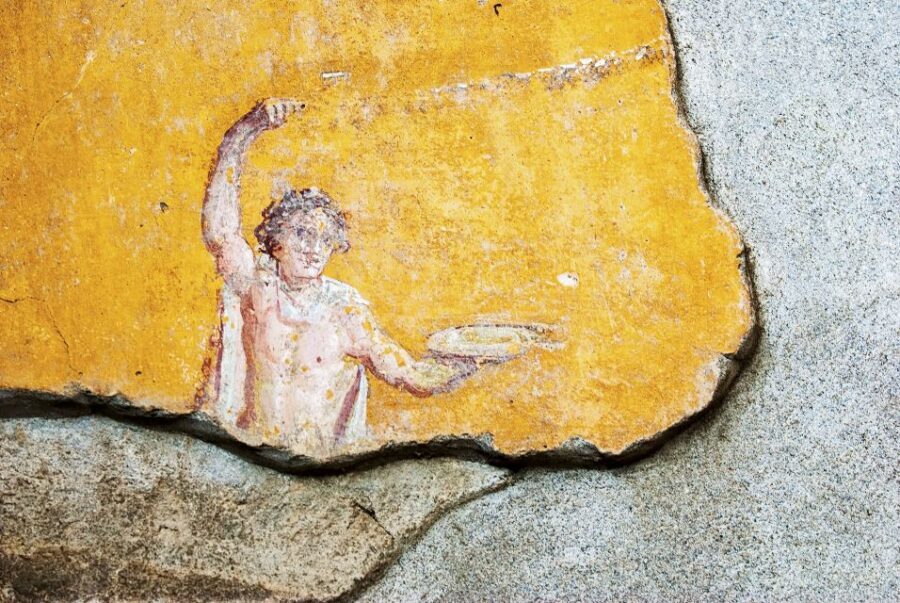
Pompeii isn’t only about monuments. This tour also takes you into the kind of spaces where people ate, worked, shopped, and hosted.
Some of the homes you’ll visit include the House of Menander, the House of the Faun, and the House of the Vettii. There’s also mention of the House of the Tragic Poet. In a shorter tour, these stops work best when your guide explains what makes each home different—layout clues, what suggests wealth or trade, and how daily Roman life fit into domestic spaces.
The tour also includes a stop related to commerce and local food culture, including the Termopolium Capuano. Termopolia were the Roman equivalent of a quick-serve eatery. Even if you don’t know what you’re looking for at first, a good guide helps you read the space: where patrons would have stood, what the food setup likely looked like, and why these were key social spots.
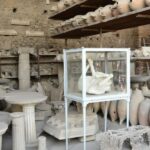
One of the more memorable details is the bakery stop. You’ll go to a bakery area where you can still see the remains of utensils—and even the food. That’s the kind of detail that makes the past stop feeling like abstract history and start feeling like daily routine.
A small warning: don’t rush these stops. Domestic areas are easier to misunderstand if you’re trying to “cover everything” visually. Give your guide a few seconds to connect the architecture to the human routine, then look back at the stone with that context.
Forum Baths and the Lupanar: public health, private life, and why both matter
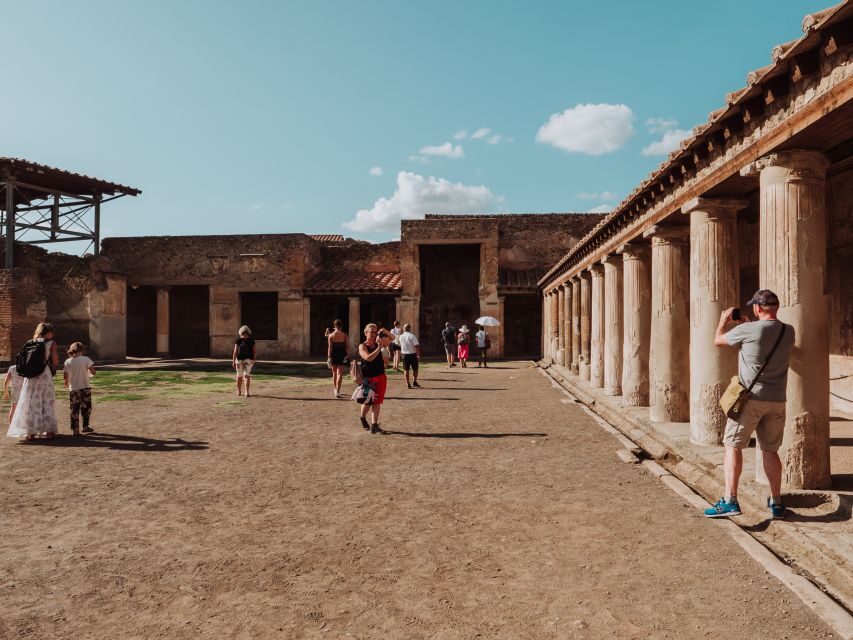
This is one of the tour’s smartest choices: it doesn’t treat Pompeii as a single theme park. You’ll see both the Forum Baths (and thermal baths generally) and the Lupanar, the old brothel site.
The baths matter because they reflect daily Roman priorities—hygiene, socializing, and the way public routines shaped city life. When you’re standing in or near bath-related spaces, a guide can help you see how the layout supported movement, heat, and use, instead of just turning it into a generic “bathroom ruins” stop.
The Lupanar is a different kind of lesson. It can feel awkward at first, but it’s historically important because it shows that commerce and paid sexual services existed in Roman society. With a respectful guide, this becomes less about shock and more about understanding how different parts of daily life functioned in the same city.
In places like these, I like that the tour ties the buildings back to people. Even though the subject matter can be intense, the goal is clarity: how Pompeians lived, not just how they died.
The plaster casts stop: understanding 79 AD without turning it into gore
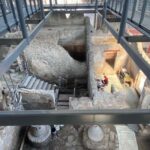
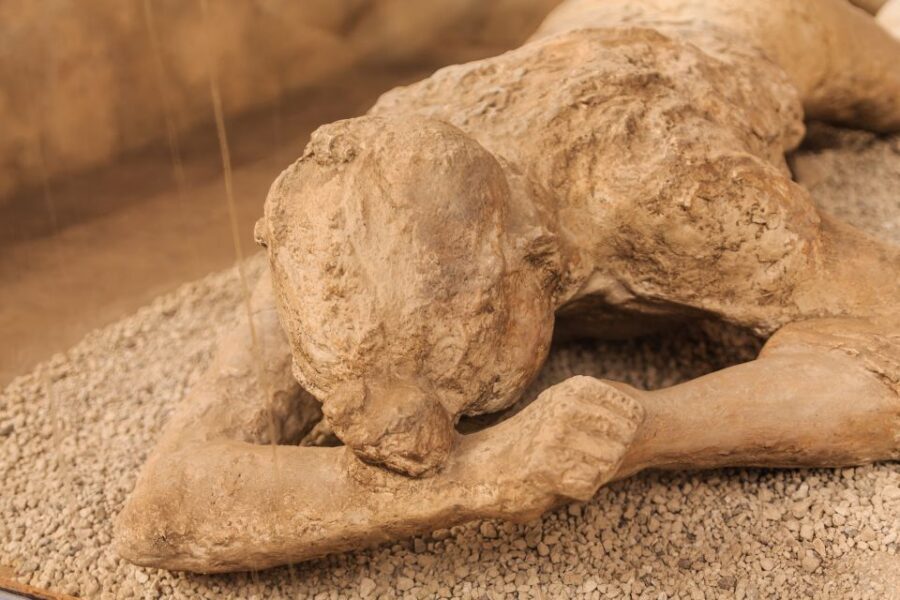
One of the most powerfully specific highlights is the visit to plaster casts of humans and animals at the moment of death. This is the stop where Pompeii stops being “cool ruins” and becomes a record of real loss.
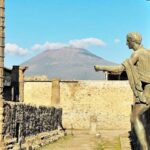
Because Pompeii was buried under molten ash and lava during the eruption of Vesuvius in 79 AD, the casts are among the few ways you get a sense of what the final moments looked like. That’s why the guide’s tone matters. The best guides frame what you’re seeing with respect for the victims and with a clear explanation of how the casts were made and what they represent.
This is also where I’d urge you to slow down. Look longer than you think you need to, but don’t stare so hard that you forget to listen. When your guide connects the geology and preservation to what the casts show, it turns the stop into understanding, not just shock.
Other half-day Pompeii tours
Theatre and amphitheater: Pompeii’s built-in ways to watch and gather
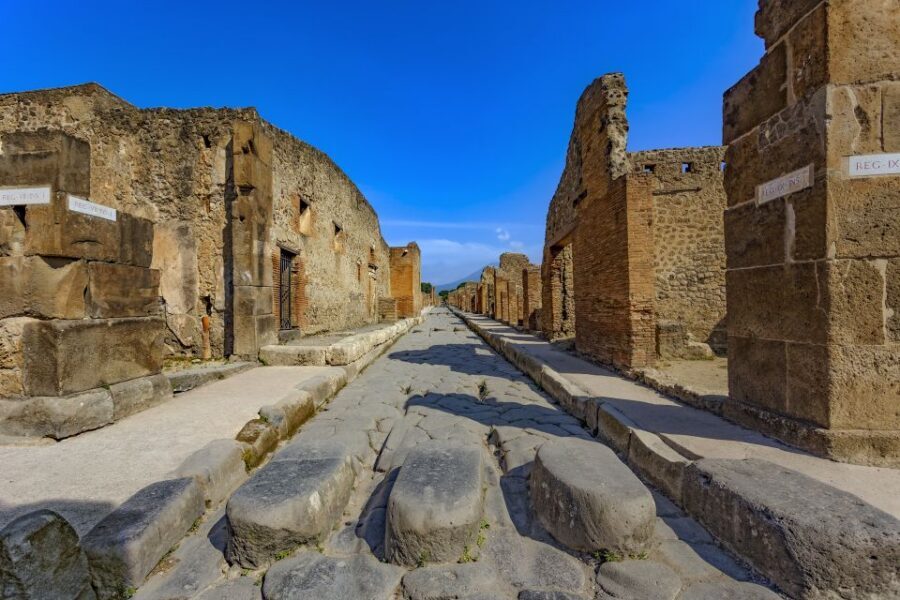
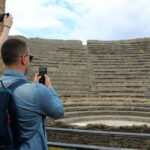
You’ll also see major entertainment spaces such as the Large Theatre and the Amphitheater of Pompeii. These stops help you understand that Pompeii wasn’t only work and worship—it was also performance and crowd life.
What’s useful here is the way Roman entertainment spaces shaped social energy. A guide can point out things you might miss on your own: where audiences would have looked, how the structure supported visibility, and why these buildings drew people together.
If you’re the kind of traveler who likes buildings with a function—how people used them—this section will feel like a payoff. And if you’re not into theatre history, it still gives you a needed break from homes, courts, and baths.
Two hours in Pompeii: why the pace feels both fast and satisfying
Two hours sounds short. It is short. But it’s also a sweet spot if you want the biggest “what is this place and how did people live here” learning in one visit.
Because the tour focuses on the western side and hits public buildings, domestic life, baths, an entertainment space, and the cast area, you finish with a coherent picture instead of a scattered memory of random stones.
The pacing also benefits from being a private group. Private doesn’t always mean tiny, but it does mean the guide can adjust for your group’s speed. A couple of guides are praised for keeping the walk well paced and answering questions. That’s the kind of flexibility you won’t get with a big, strict group tour.
If you want the entire site in one go, you’ll need more time than this. But if you want a strong first pass plus real explanations, two hours is right on target.
Price and value: $175.74 per person, and what you actually get for it
At $175.74 per person, this isn’t a budget add-on. So here’s the value math I’d use.
You’re getting:
- A guide (described as an archaeologist-style expert guide)
- Pompeii entry tickets
- Disposable earphones for bigger groups
- A route built around the core sights—so you spend time on the places that unlock the story
When it costs this much, the key question isn’t whether the ruins are impressive. They are. It’s whether you understand them while you’re there. This tour’s selling point is interpretation: how the Forum functioned, why homes look the way they do, what the baths reveal, why the Lupanar has historical meaning, and what the casts show about the last moments.
Also, because it’s private, your guide has a chance to find quieter routes when the site is busy. One guide is praised for negotiating quieter paths on a hot day, which is exactly what you want if you’ve ever sat in a crowd and lost the whole point of an early-morning plan.
In short: this is worth it if you want more than wandering. It’s also worth it if you have limited time around Pompeii and want a structured walk with real context.
Should you book this Pompeii archaeologist tour?
Book it if:
- You want a two-hour, organized Pompeii experience without getting lost in the scale.
- You care about what spaces meant—Forum life, domestic routine, baths, entertainment—not only what they look like.
- You’d rather spend money on a guide than on rereading history later.
Skip it or adjust expectations if:
- You want a long, self-paced day covering more of the site than the main highlights.
- You’re very sensitive to emotionally intense stops like the plaster casts, where you’ll see human and animal casts connected to the eruption.
One more practical note before you go: the meeting point is tied to Porta Marina options, and there’s at least one warning that it may be hard to locate on GPS. Confirm the exact spot on your booking details and give yourself a little buffer.
And about mobility: the info you have includes wheelchair accessibility, yet it also says not suitable for wheelchair users. If accessibility matters for your group, contact the operator before booking so you’re not guessing.
FAQ
How long is the Pompeii guided tour?
It’s listed as a 2-hour guided tour.
Where does the tour meet?
The meeting point is by Porta Marina Superiore. Options shown include Pompei – Porta Marina, Via Villa dei Misteri, 2 and Porta Marina.
Does the tour price include Pompeii entry tickets?
Yes. Pompeii entry tickets are included in the tour price.
Are earphones provided?
Yes. You receive disposable earphones for larger groups.
What languages are offered?
Live guide languages listed are French, German, Spanish, Italian, and English.
What should I bring to Pompeii?
Bring comfortable shoes, sunglasses, a sun hat, and water.
Is it free on the first Sunday of the month?
Entrance is free on the first Sunday of each month, but tickets can’t be reserved ahead of time, so entry is not guaranteed.
Is the tour suitable for wheelchair users?
The information includes wheelchair accessibility, but it also states not suitable for wheelchair users. You should confirm directly with the provider before booking.