REVIEW · POMPEII
Pompeii: living with the volcano
Book on Viator →Operated by Michele Arpa · Bookable on Viator
Ash still hangs in the streets. This Pompeii tour uses a simple trick—time-travel through daily routines right up to the volcano’s 79 AD eruption—so the stones feel like a place people actually lived. You start at the Pompeii Archaeological Park and walk with a real guide in English, focused on how the city functioned one day before disaster.
I especially love the way the route turns key public spots into lived experiences: the theater and the amphitheater get explained as the social engine of the city, not just ancient ruins. I also like the balance of everyday life and big moments—shops, houses, election names on walls, and even a stop that feels like a breather at the spa—so you see Pompeii as both ordinary and unforgettable.
One consideration: entrance tickets to the site aren’t included, so you’ll want to budget a little extra on top of the $33.36 per person price. And because you’ll be walking on uneven park paths, the tour notes it’s not recommended for visitors with mobility difficulties, even though it’s described as requiring only moderate fitness.
1) A day-before-the-eruption story, focused on how Pompeians lived, shopped, voted, ate, and relaxed
2) Theatre and amphitheater emphasis, so public spectacle makes sense, not just looks impressive
3) Dining contrasts, from a takeaway-style meal to the luxury feel of a domus
4) Election signage moments, including names of candidates for magistrates
5) Forum + spa pacing, mixing big civic spaces with a more human scale pause
6) Private guide time with Michele Arpa, with English explanations and helpful flexibility when access changes**
In This Review
- Pompeii, One Day Before the Eruption
- Where You Start, How the 2 Hours Feel, and What to Expect
- Theater and Amphitheater: How Public Life Actually Worked
- Shops, Streets, and Residences: Reading the City Like a Resident
- Eating in Pompeii: From Takeaway to Domus Dining
- Politics Written on the Walls: Candidates for Magistrates
- A Spa Moment and the Civil Forum Square
- The Ash Story: Meeting the Lives Cut Short
- Price and Value: What You Pay for (and What You Still Need)
- Who This Tour Suits Best
- Should You Book This Pompeii Experience?
- FAQ
- How long is the Pompeii tour?
- Are entrance tickets to Pompeii included?
- What language is the tour offered in?
- Where does the tour start?
- Is this a private tour?
- What is the cancellation policy?
- Is it suitable for people with mobility difficulties?
Pompeii, One Day Before the Eruption
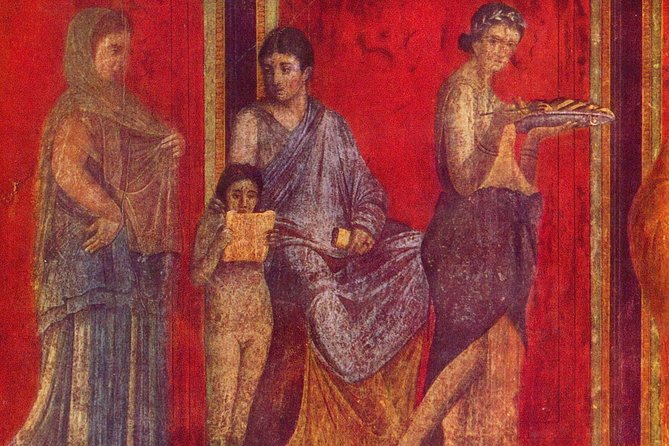
Pompeii can feel like a museum: impressive, but a little frozen. This tour nudges it back into motion by organizing your walk around a clear theme—the city as it functioned the day before the eruption of 79 AD. That mindset changes everything. Instead of asking what survived, you start asking how people used these streets and rooms every day.
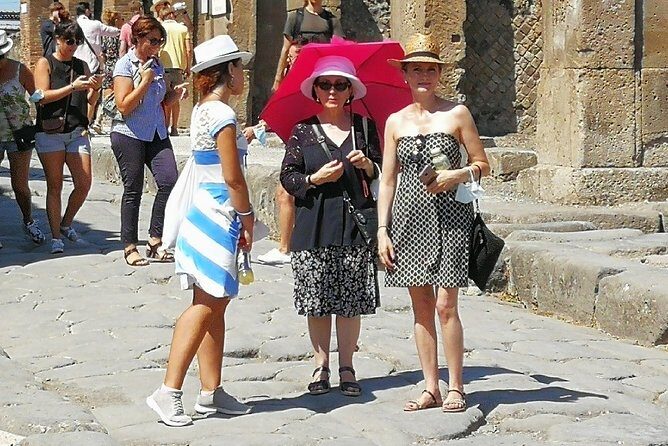
The format is also a big part of the value. You’re on a private English tour with guide Michele Arpa, and it’s built for interpretation, not just recitation. You’ll hear what specific places meant and what kinds of people used them, from regular routines to high-status spaces.
What I think you’ll enjoy most is the balance between the public and the private. Pompeii wasn’t only temples and monuments. It was shops, meals, elections, and a kind of everyday leisure that can feel surprisingly familiar.
Where You Start, How the 2 Hours Feel, and What to Expect
The tour starts at the Archaeological Park of Pompeii (80045 Pompei, Metropolitan City of Naples, Italy). It runs about 2 hours, and it ends back at the meeting point, so you’re not juggling a complicated route all afternoon.
The scheduled time shown is 9:30 AM, with the park window listed as 9:30 AM to 11:30 AM for all days. That matters because Pompeii can get crowded fast. A morning departure helps you move while the place is still waking up, and it also gives you time afterward for lunch or a second site without feeling rushed.
Before you go, check two practical notes. First, the tour requires moderate physical fitness, and it warns it’s not recommended for mobility difficulties due to the state of the roads. Second, it’s near public transportation and service animals are allowed, which is helpful if you’re traveling with accessibility needs.
Also, the tour is private, meaning only your group participates. If you like asking questions without feeling like you’re interrupting a large group, this style fits well.
If you're still narrowing it down, here are other tours in Pompeii we've reviewed.

Theater and Amphitheater: How Public Life Actually Worked
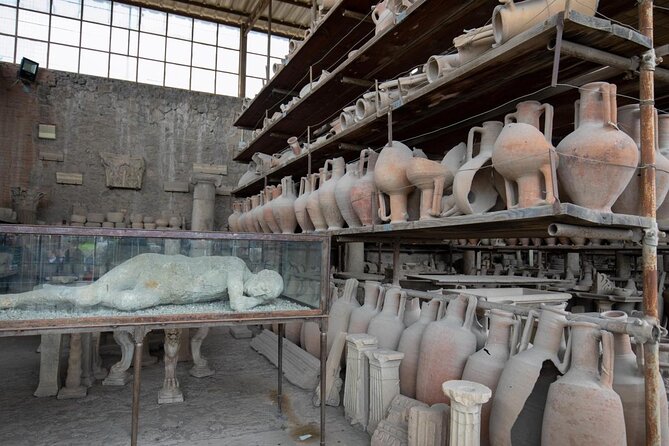
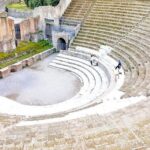
One of the strongest reasons to book a guided walk here is that Pompeii’s layout is easier to understand when someone points out patterns. This tour treats the theater and the immense amphitheater as the city’s social heartbeat—places where the crowd gathered, where entertainment wasn’t a side hobby, and where the whole atmosphere carried meaning.
You’ll explore the theater and then move to the amphitheater, framed as a place tied to the brutal excitement of gladiator fights. Even if you’re not a Roman-history person, the guide’s job is to translate the atmosphere into something you can picture. That’s what makes these stops land.
Here’s the practical takeaway for you: when you see the amphitheater with context, you’ll notice details faster—how space and sightlines would have shaped the crowd experience, and why these venues mattered to a city’s identity. Without a guide, you might still marvel, but you’ll likely miss the “why this mattered” part.
Shops, Streets, and Residences: Reading the City Like a Resident
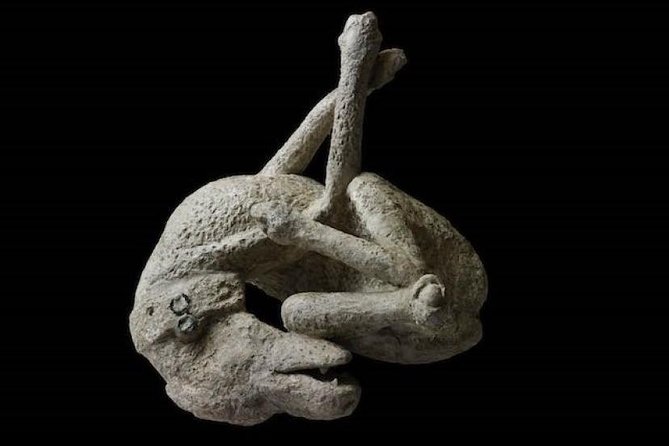
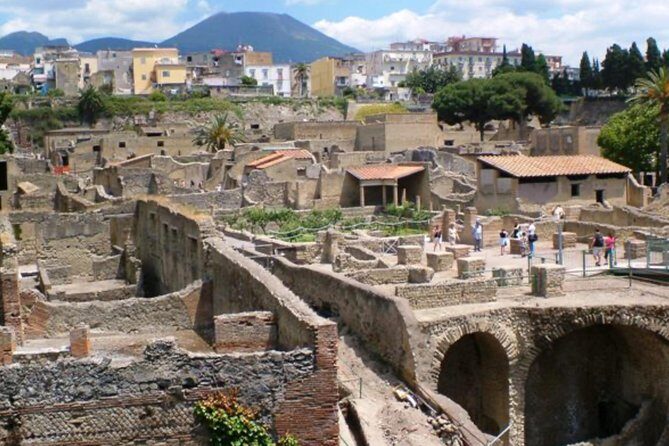
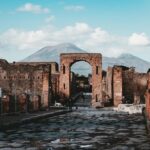
Pompeii shines when you look beyond the headline sights. This tour leans into the daily-life side: walking the streets and encountering buildings and shops as though you’re moving through a functioning city.
The guide frames the walk like a day-in-the-life, which helps you connect different kinds of spaces. The streets are not just corridors between ruins; they’re the arteries where commerce, movement, and casual encounters happened.
Then you get the chance to step into residences, including the contrast between everyday spaces and the luxury feel of the richest homes (the domus). That contrast is more useful than it sounds. It gives you a clearer sense of social class in Pompeii—where status showed up in architecture, where it appeared in how people lived, and how privacy worked compared with public life.
And since Pompeii is famous for preservation, you can often feel the “instant freeze” of daily routines. The tour turns that into understanding: not just what’s there, but what people were doing when it stopped.
Eating in Pompeii: From Takeaway to Domus Dining
This is one of those tour moments that makes Pompeii feel human instead of historic. You’ll cover how people ate, including the idea of a takeaway-style meal from the 1st century BC and, for a different perspective, the luxurious living-dining experience found in a domus.
Why this matters for you: it shifts the question from what remains of food culture to how daily decisions were shaped by space and status. In other words, you start thinking like a person planning dinner, not like a person reading a label.
It also gives you an easy mental comparison while walking. You can look at a space and ask: would this be a place I stop for a quick bite, or somewhere I host guests? That’s an interpretation skill, and it’s one you’ll carry with you through other ruins and museums.
Politics Written on the Walls: Candidates for Magistrates
Pompeii wasn’t only about entertainment and meals. It also had civic life that happened in public view. One of the tour’s more memorable ideas is stopping to read names of candidates for magistrates’ elections painted or displayed on walls.
This kind of detail is exactly why a guide changes the whole experience. Pompeii can look like an art gallery of broken columns if you only watch for stone. But when someone points out that the city had active politics on prominent surfaces, the place stops feeling silent.
For you, this creates a mental model: public messaging was part of everyday life, not a rare event. Even in a city preserved by catastrophe, you get evidence of how people organized, campaigned, and claimed influence.
If you enjoy learning how societies signaled power, this stop is a real highlight.

A Spa Moment and the Civil Forum Square
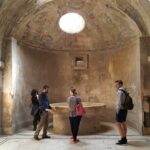
One of the tour’s strengths is pacing. You don’t only move from major monument to major monument. You also get a moment of relaxation at the spa, and then you head to the civil forum square.
That “break” matters. Pompeii’s scale can wear you out if you’re constantly looking at the biggest wow-factors. A spa stop gives you a different lens: even amid public spectacle and class differences, people still built routines around health, leisure, and downtime.
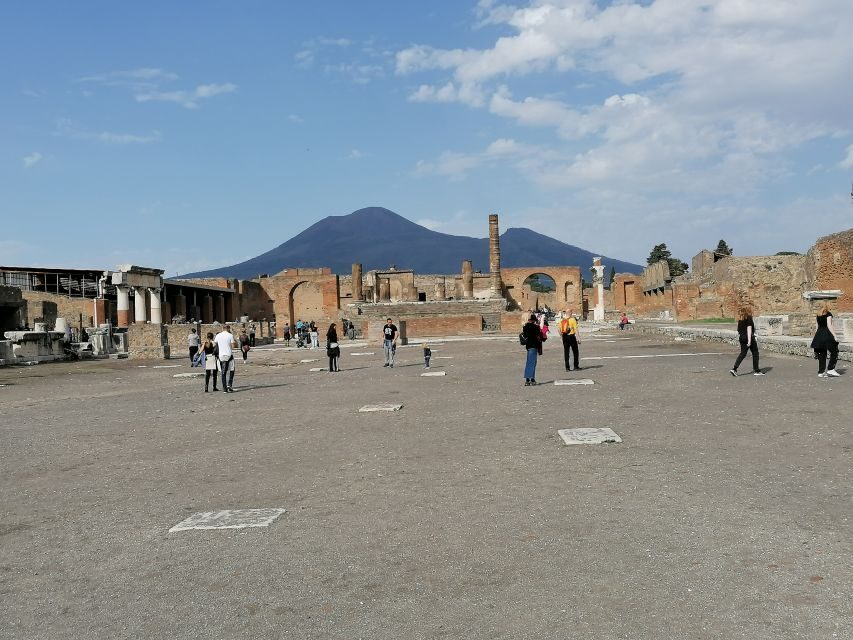
Then the civil forum square brings you back to the city’s civic identity. This is where public life concentrated, where the city’s sense of order and authority would have felt tangible. With the tour framing, you’ll likely see the forum not just as a scenic space, but as a stage for daily decisions and social visibility.
It’s a nice mix for people who want both meaning and variety in a short time.
The Ash Story: Meeting the Lives Cut Short
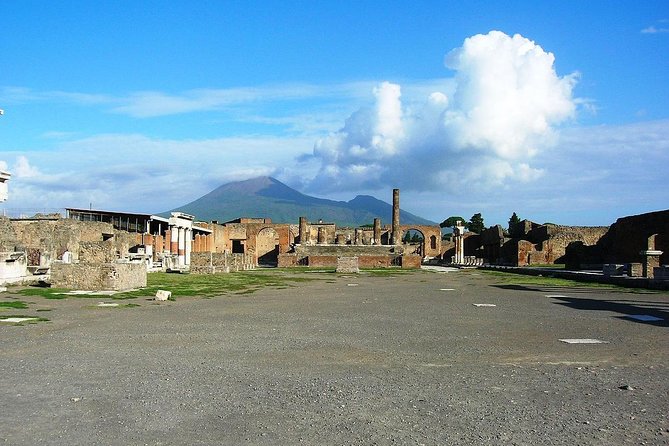
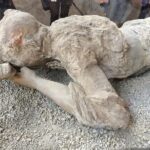
Pompeii is famous for what the eruption left behind, but the emotional impact depends on how you’re guided. This tour includes time to encounter the remains of Pompeians who lost their lives during those frantic hours, described as being covered by volcanic ash, with their last moments preserved through the work of archaeologists.
You don’t just walk past these parts like you’re touring exhibits. The guide uses them to connect the earlier “day before” scenes with the reality of catastrophe. That structure is powerful because it changes the way you interpret everything else you saw first.
For you, the best mindset here is to slow down for the human part. Let the story color the earlier stops—because once you understand the city wasn’t meant to stop, every theater step and wall inscription feels more urgent.
Price and Value: What You Pay for (and What You Still Need)

The price is $33.36 per person for a tour lasting about 2 hours with an English guide. Admission tickets to the site are not included, so you’ll add site entry costs on top.
Is it good value? In my view, yes—if you care about context. Pompeii is one of those places where a self-guided walk can turn into a checklist. Paying for a guide helps you convert visual impressions into understanding: what spaces were for, what social roles looked like, and what everyday signs (like election names) meant.
Also, because it’s private, you’re not sharing your guide’s attention with a crowd. That matters for asking questions and for adjusting your route if certain areas feel harder to access on a given day.
One practical note from the guide’s reputation: Michele Arpa is described as supportive with real-world friction, like helping with online payments when language barriers pop up. That kind of attitude doesn’t guarantee every situation, but it’s a sign you’ll be treated like a person, not a passenger.
Who This Tour Suits Best
This experience fits best if you want Pompeii to feel like a living city, not just a list of famous ruins. If you enjoy stories that connect architecture to daily life—shops to routines, elections to public messaging, amphitheaters to social identity—this is a strong match.
It’s also a good choice if you’re short on time. In about two hours, you cover a lot of Pompeii’s major themes: entertainment, class differences, civic life, leisure, and the eruption’s human impact.
If you have mobility limits, read the warning carefully. The tour says it’s not recommended for visitors with mobility difficulties due to the particular state of the roads. You might still be able to visit Pompeii independently, but this specific guided route likely won’t be the best fit.
Should You Book This Pompeii Experience?
Book it if you want your Pompeii visit to run on meaning, pacing, and context. With Michele Arpa leading a private English walk, you’ll likely come away with a stronger sense of how the city worked—especially through the mix of amphitheater spectacle, domus luxury, public politics on walls, spa downtime, and the ash-preserved human story.
Skip it (or shop alternatives) if you strongly prefer to wander without interpretation or if you’re relying on a route that needs smoother surfaces. And if you hate extra steps, remember you’ll need to handle entry tickets separately.
If you’re the kind of traveler who likes to understand what you’re looking at—and not just what you’re looking at—this tour is a very solid way to make Pompeii feel real again.
FAQ
How long is the Pompeii tour?
It runs for about 2 hours.
Are entrance tickets to Pompeii included?
No. Entrance tickets to the site are not included.
What language is the tour offered in?
The tour is offered in English.
Where does the tour start?
The meeting point is the Archaeological Park of Pompeii, 80045 Pompei, Metropolitan City of Naples, Italy.
Is this a private tour?
Yes. It’s a private tour/activity, so only your group will participate.
What is the cancellation policy?
You can cancel for a full refund up to 24 hours in advance. If you cancel less than 24 hours before the start time, the amount paid is not refunded.
Is it suitable for people with mobility difficulties?
The tour notes it’s not recommended for visitors with mobility difficulties due to the particular state of the roads, and it requires moderate physical fitness.