REVIEW · POMPEI CAMPANIA
Pompei: the Latest Discoveries with your Archaeologist
Book on GetYourGuide →Operated by Grand Tour Experience · Bookable on GetYourGuide
Pompeii hits different with the right guide. This tour starts at Porta Marina Superiore, the Roman gate, so the visit feels like you’re entering the city the same way ancient people did. I also like that the archaeologist points out the new openings and the restoration work you can still see happening today, from the Forum Bath House to Regio V’s freshest digs. One heads-up: at the active Insula dei Casti Amanti site, photos and video are not allowed, so you’ll rely on what you see in person.
It’s built for a quick, high-impact Pompeii pass: about 2 hours, small group size (max 15/17), and headset support if the group is bigger than 12. You’ll finish back at the meeting point near the Porta Marina Superiore area, where there’s now a bar/restaurant corner with toilets.
In This Review
- Key highlights to look forward to
- Why Porta Marina Superiore is the smart start point
- 79 AD, plaster casts, and why the story hits harder in the right order
- Forum Bath House: the art-and-routine stop people underestimate
- Regio V and the newest digs: where Pompeii feels most alive
- Casa dei Vettii: the frescoes, the restoration story, and why it lasts
- Casa delle Nozze d’Argento and the street theater of Stabian Road
- Insula dei Casti Amanti: a working site, with real limits on photos
- Heat, pacing, and group size: why small matters in Pompeii
- Price and value: what $294.54 per group includes
- Meeting point, tickets with your name, and other practical tips
- Where to meet
- Pompeii’s ticket rules you need to follow
- Photos/video limits
- What you can’t bring
- Wheelchair note
- Finding your guide
- Who this tour fits best (and who might want a different plan)
- Should you book Pompeii: the Latest Discoveries with your Archaeologist?
- FAQ
- Where do I meet the guide for this Pompeii tour?
- What’s the duration of the tour?
- Are park tickets included?
- What languages is the live guide offered in?
- Is food or drinks included?
- Can I take photos or video during the tour?
- What ID do I need to bring?
- Is the tour suitable for wheelchair users?
- What’s the group size?
Key highlights to look forward to
- Start at Porta Marina Superiore so you begin at an original Roman gate
- See plaster casts tied to the 79 AD eruption of Vesuvius
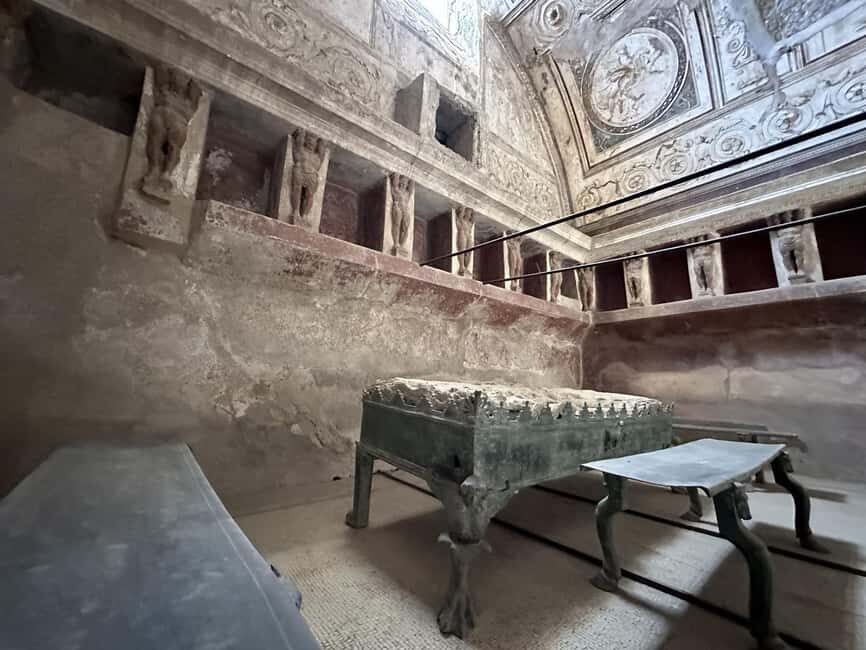
- Forum Bath House reopened after maintenance, with strong preservation in art details
- Regio V focuses on the latest excavations and restoration still visible
- Torre di Mercurio XI for a rare view from higher up
- Insula dei Casti Amanti is a working archaeological site where restoration continues
Why Porta Marina Superiore is the smart start point
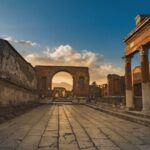
Most Pompeii tours start at wherever is easiest. This one starts where it should: at Porta Marina Superiore, the entrance gate to the park. That matters because it frames your visit right away. You’re not just “walking through ruins.” You’re entering a real archaeological site from a gate that matches the city’s own layout.
It also keeps things practical. The meeting point is clearly set at Porta Marina Superiore, and you can orient fast if you know what’s nearby: across the street is the Hortus Garden Bar & Restaurant. If you’re arriving by train, the closest station listed is Pompei Scavi – Villa dei Misteri. If you’re driving, you’ll want Parking Zeus.
Other Pompeii tours with an archaeologist

79 AD, plaster casts, and why the story hits harder in the right order
Pompeii can feel like a showcase of pretty floors and dramatic walls—until you get the eruption context in the right moment. Early on, your archaeologist guide sets the stage with the history of Pompeii and the tragedy of the Vesuvius eruption in the season of Emperor Titus (79 AD).
Then you connect that story to what you can still “read” on site: the plaster casts (bodies). Even if you’ve seen photos online, it’s different when a specialist places it into the flow of the city. It helps you understand that you’re not looking at “random buildings.” You’re looking at a lived-in place stopped suddenly.
The takeaway for you: if you tend to skip explanations, don’t here. That opening context makes every fresco and street corner feel more personal during the walk.
Forum Bath House: the art-and-routine stop people underestimate
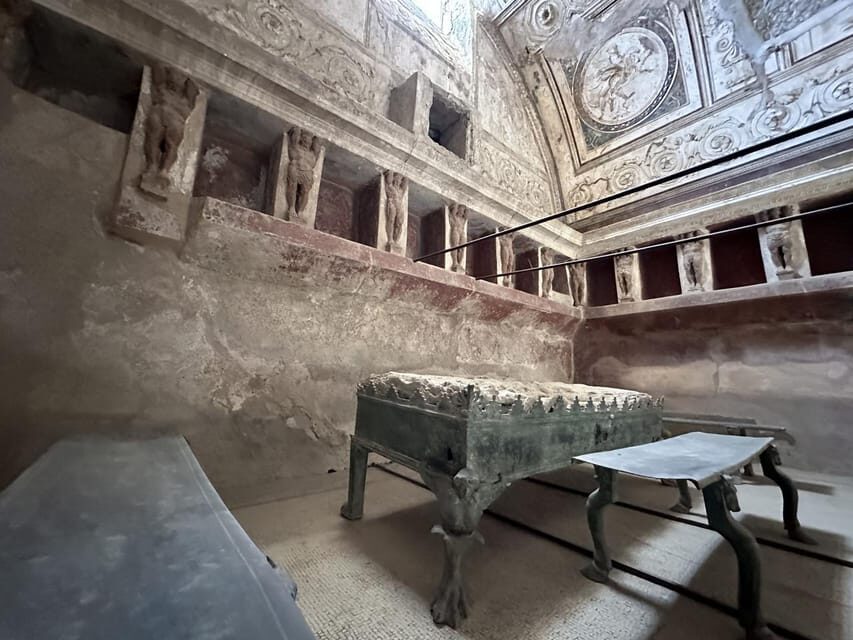
After the initial history, you move into the Roman Forum area. This tour includes a stop at the Forum Bath House, which has recently reopened after years of maintenance. That timing is a big deal. When a site reopening happens, it changes what you’re able to see and how it’s presented.
What I like about this stop for real-world value is that it shifts you from “monument mode” into “daily life mode.” Baths were not a minor detail in Roman urban life. You’re seeing how space worked—how people used rooms, moved through areas, and lived their routine around art, water, and architecture.
And your guide doesn’t just gesture at walls. They help you look at preservation—frescoes and mosaics are mentioned as a standout here—so you understand why some surfaces look so intact compared with what you might expect from outdoors.
Regio V and the newest digs: where Pompeii feels most alive
Once you head toward Regio V, the tone changes again. This is where the tour leans into its core promise: the latest discoveries and openings.
Regio V is described as having the best of the new digs happening. The practical benefit for you is that you’re not repeating the exact same highlights most visitors see every day. You’re getting a route designed to reach the areas that are currently being uncovered and restored.
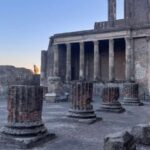
A key moment in Regio V is the Torre di Mercurio XI. This tower is singled out because it’s the only Roman defending tower open in this context. From the top, you can admire Pompeii from above—helpful if you struggle to picture how streets and neighborhoods fit together at ground level.
If you enjoy structure and spatial clues, this tower stop is worth the effort. It’s the kind of point where your brain finally clicks: now I see how this city was laid out.
Casa dei Vettii: the frescoes, the restoration story, and why it lasts
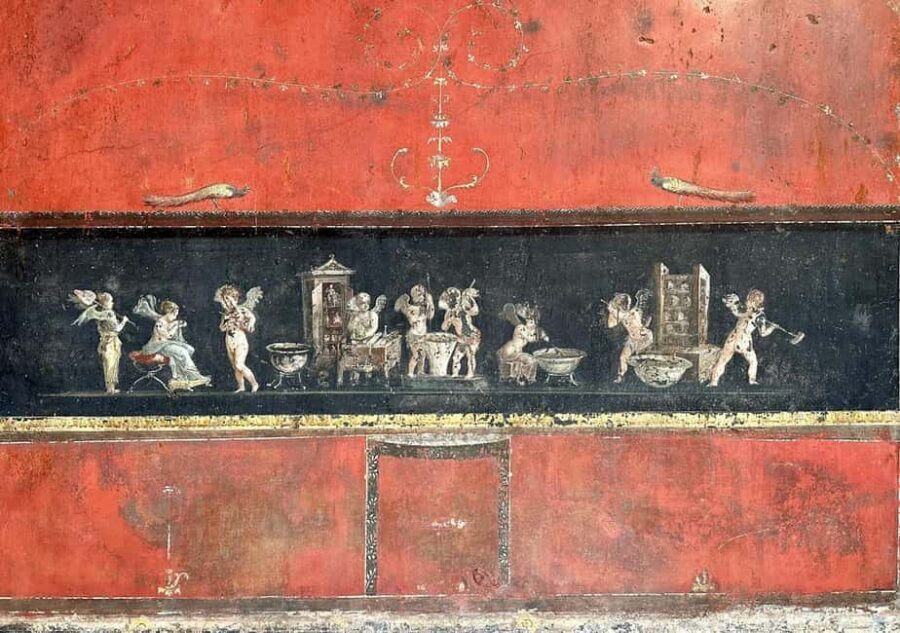
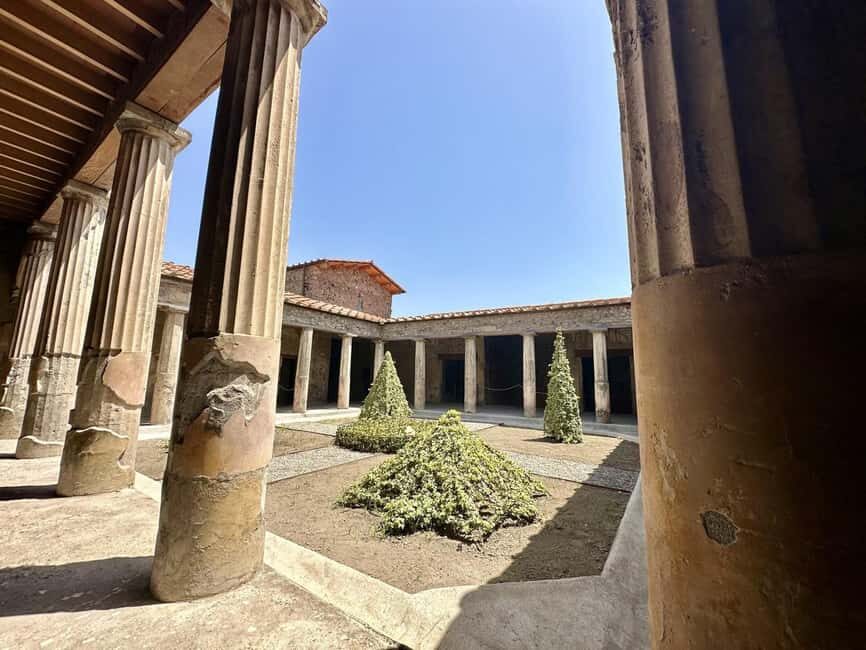
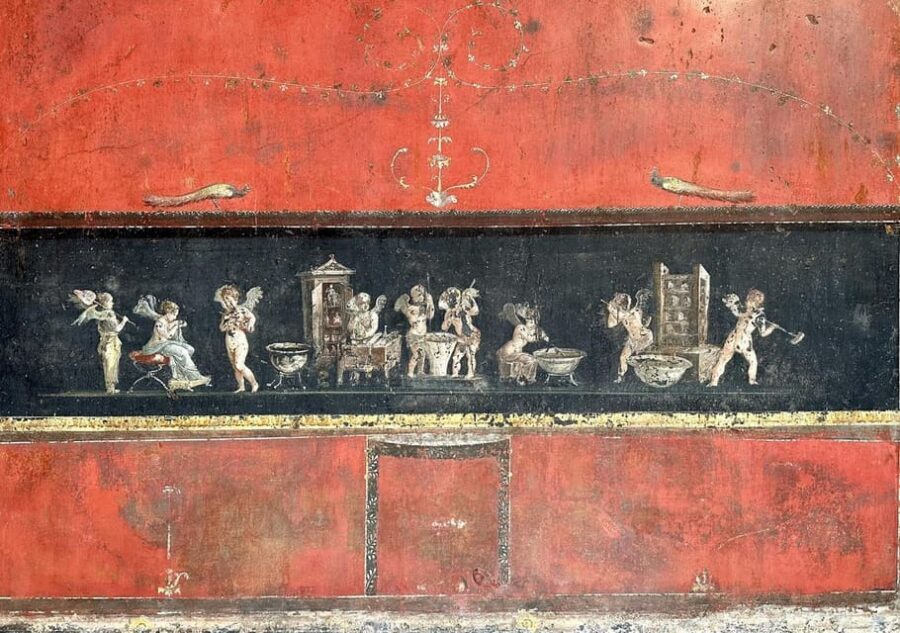
From Regio V, you’ll get a major villa stop: Casa dei Vettii. This is presented as a must-see, and the reason is very specific: a restoration effort that took 27 years finished last year, and the secrets of the monument are ready to be revealed.
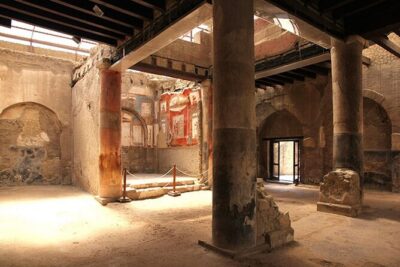
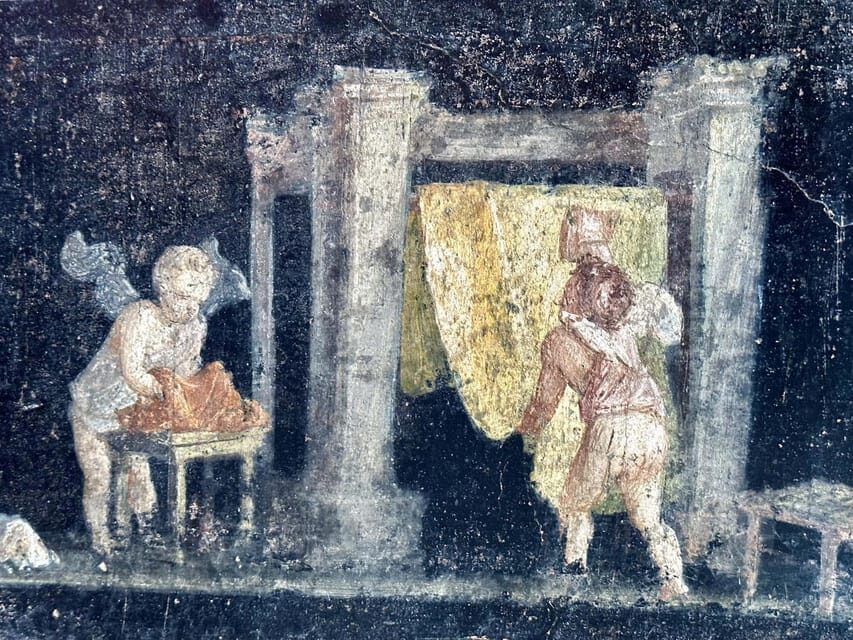
So when you walk in, you’re seeing something more than “old art.” You’re seeing the results of careful work. The description calls out the quality of frescoes and even notes the striking Pompei red tones.
For you, here’s what makes that valuable: restoration context changes how you judge what you’re seeing. Instead of thinking, “This looks beautiful,” you start thinking, “This is surviving because people kept protecting it.” That makes Pompeii feel less like a static museum and more like an ongoing scientific project.



Casa delle Nozze d’Argento and the street theater of Stabian Road
After Casa dei Vettii, you’ll pass through the middle of Regio V for Casa delle Nozze d’Argento (House of the Silver Weddings). This stop fits the tour’s pattern: well-chosen houses that show decoration and planning, not just walls and columns.
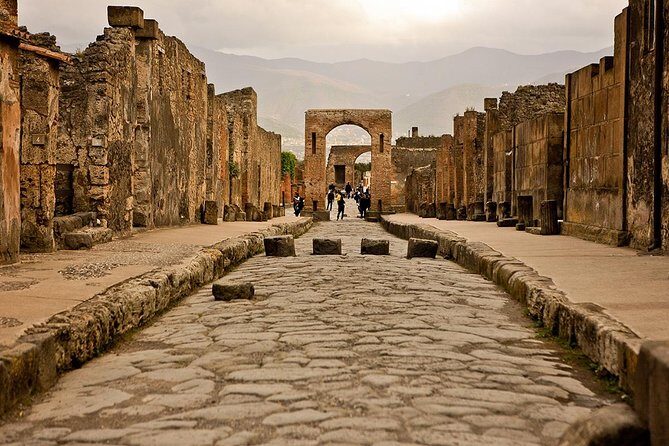
Then you transition toward Stabian Road, where you get a look at the facade of Caecilius Iucindus. Street facades matter because they help you understand how Pompeians presented themselves to passersby. It’s also a strong pacing tool for a two-hour tour. You get a mix of interiors (when the route allows) and the “front stage” look of the city.
The smart part of doing these stops with an archaeologist: they can explain why a place is where it is, what the design suggests, and how the layout ties into the city’s overall plan. That’s how you walk away with more than photos.
A tip for anyone hooked by the new-excavations angle: Herculaneum is the other buried city, smaller and in some ways better preserved. Naples-Guide.com reviews the skip-the-line Herculaneum tour led by an archaeologist, and the Parco Archeologico di Ercolano posts which houses are open week to week.
Insula dei Casti Amanti: a working site, with real limits on photos
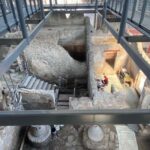
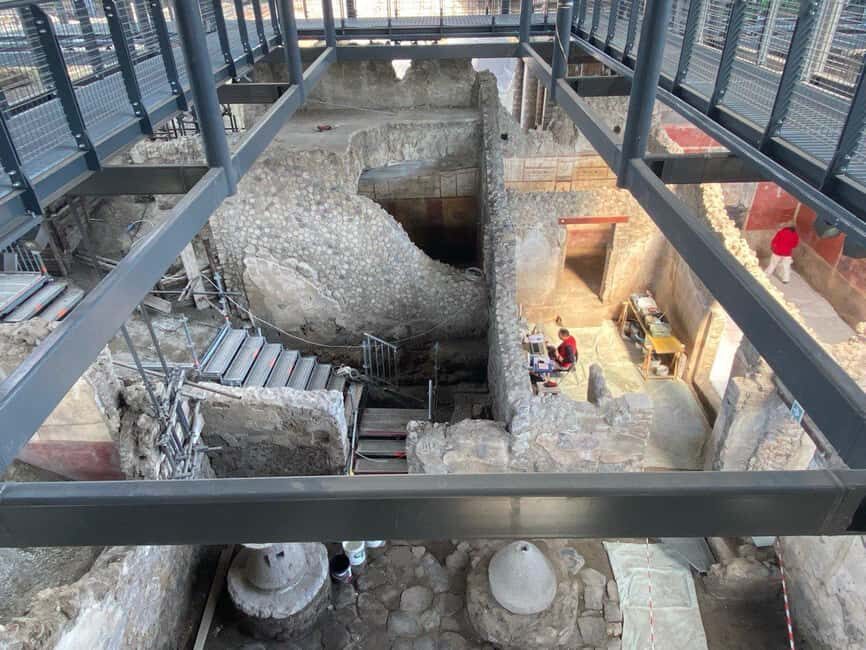
The tour saves one of its most distinct experiences for the latter part: the Insula dei Casti Amanti. This is described as a live archaeological site, with restaurateurs actively working on the spot.
That “working site” detail is the reason for the rule you’ll want to remember: photos or video are not allowed for security reasons. The limit is not random. It’s there because professionals need stable, controlled conditions while work is happening.
If you’re the type who loves documenting everything, this is the trade-off. Plan to take mental snapshots. If you want to sketch or write quick notes, that can help you later, especially when you’re trying to compare one house’s art style to another.
You also need to accept that you might not see every surface the way you would in a fully “finished” museum gallery. But that’s also what makes the stop meaningful: it shows Pompeii as a continuing restoration and discovery process.
Heat, pacing, and group size: why small matters in Pompeii
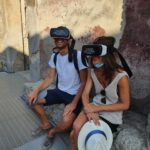
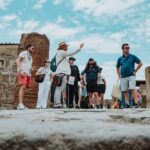
The tour is set up as a small group experience, with a max of 15/17 people. If the group exceeds 12, you get headset support, which helps a lot in open-air sites where voices don’t travel like they do in museums.
Duration is about 2 hours. That’s short enough to avoid fatigue, long enough to cover several distinct zones—Forum Bath House, Regio V stops, a tower viewpoint, and Casa visits—without feeling like you’re constantly rushing between far-apart points.
Real talk: Pompeii can be brutally hot in summer. One of the guides associated with this experience is described as managing shade breaks during a day around 40°C. That tells you the tour isn’t purely “walk fast.” A good guide watches the group’s pace when the weather turns.
Price and value: what $294.54 per group includes
The listed price is $294.54 per group up to 1. The wording suggests a group-based price model rather than a simple per-person ticket. What’s clear is what’s included, and that’s where the value math improves.
Included:
- Tickets to the archaeological park
- An expert archaeology guide
- A special route to reach the new openings
- Headset if the group is larger
- A small group size (max 15/17)
Not included:
- Food and drinks
So you’re paying for access + interpretation + a route designed around “latest openings,” not just a standard stroll. If you’re the kind of person who wants your Pompeii time to feel like a focused lesson—especially with an archaeologist guiding your eyes to frescoes, mosaics, restoration details, and city layout—this price can feel reasonable.
If you only want a general overview and don’t care about restoration details or recent openings, you might find cheaper standard-entry options. But for a short, high-quality visit, the included ticket + headset + guided focus is where the value is.
Meeting point, tickets with your name, and other practical tips
A few details can make your day smoother.
Where to meet
Meet at Porta Marina Superiore. The end point is the same area. The closest station is Pompei Scavi – Villa dei Misteri, and the closest parking lot is Parking Zeus.
Pompeii’s ticket rules you need to follow
Pompeii applies a ticketing system that requires your name on the ticket. You’ll need to provide:
- Full name and surname for each participant
- Age and booking code (for each participant)
- Use the email address [email protected] for that participant list
You also need to bring an original ID/passport for adults and children. Tickets are personal, so being late can be a problem.
Photos/video limits
At Insula dei Casti Amanti, photos and video are not allowed. For the rest of the route, the data only explicitly states this restriction for that working site, so plan accordingly and be respectful on the day.
What you can’t bring
The tour lists some clear “no” items:
- Pets (assistance dogs allowed)
- Drones
- Non-folding wheelchairs
- Electric wheelchairs
- Skateboards and scooters
- Feeding animals
Wheelchair note
It’s listed as not suitable for wheelchair users. Even if you can move with assistance, this is still a site plan issue, not just “comfort.”
Finding your guide
One practical wrinkle: the meeting instructions emphasize meeting at the gate, while mapping links can sometimes suggest meeting inside the park. If you get confused, message the provider to clarify where the guide will be waiting. It’s saved time for others, and it’s a smart move when you’re juggling the ticket-name requirements.
Who this tour fits best (and who might want a different plan)
This experience is best for you if:
- You want Pompeii with an archaeologist who can explain restoration and what’s newly visible
- You care about art details like frescoes and mosaics, not just big-ticket landmarks
- You like walking a focused route in about 2 hours
- You’re interested in active archaeology, not just finished exhibits
It may be less ideal if:
- You want to spend half a day or a full day wandering across the entire park
- You strongly prefer taking photos and video at every stop
- You need a wheelchair-friendly itinerary (this is listed as not suitable)
Should you book Pompeii: the Latest Discoveries with your Archaeologist?
I’d book it when your goal is quality over quantity. The biggest reason is the structure: a special route to the latest openings, plus restoration-forward stops like the Forum Bath House reopening and Casa dei Vettii after a long restoration effort.
If you’re going to Pompeii once (or only have a short window), this tour gives you multiple distinct “why this place matters” moments: the eruption context with plaster casts, Roman urban life through the Forum and baths, Regio V’s fresh excavations, and finally a working restoration site at Insula dei Casti Amanti.
If your schedule is flexible, aim for a day when you can arrive on time for the personal ticket rules. And if you hate being told no about cameras, remember the one area where it’s explicitly restricted. Otherwise, this is exactly the kind of Pompeii experience that turns ruins into a story with names, rooms, and ongoing work.
FAQ
Where do I meet the guide for this Pompeii tour?
You meet at Porta Marina Superiore, the entrance gate to the Pompeii archaeological park.
What’s the duration of the tour?
The tour lasts 2 hours (you can check availability for starting times).
Are park tickets included?
Yes. Tickets to the archaeological park are included, and the tour also includes skip-the-ticket-line entry.
What languages is the live guide offered in?
The live guide is available in English, French, Italian, and Spanish.
Is food or drinks included?
No. Food and drinks are not included.
Can I take photos or video during the tour?
At Insula dei Casti Amanti, photos or video are not allowed for security reasons.
What ID do I need to bring?
You should bring a passport or ID card, and the same applies for children.
Is the tour suitable for wheelchair users?
No. It is listed as not suitable for wheelchair users, and non-folding and electric wheelchairs are not allowed.
What’s the group size?
It’s a small group experience with a maximum of 15/17 people, and headsets are provided if the group exceeds 12 people.