REVIEW · POMPEI CAMPANIA
Pompeii: Skip-the-Line Ticket and Guidebook with Itineraries
Book on GetYourGuide →Operated by Around Vesuvio · Bookable on GetYourGuide
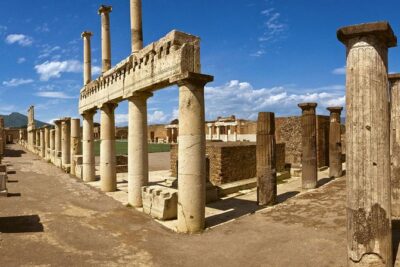
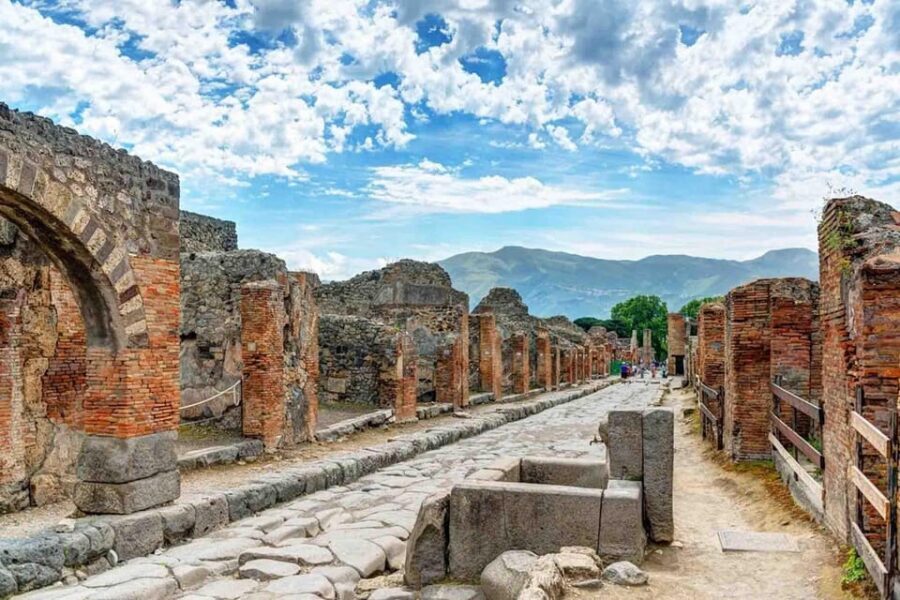
Pompeii hits hard in the best way: you walk streets that were frozen mid-disaster. This experience is built around skip-the-line entry and a Pompeii map + guidebook that lets you move at your own speed, from major sights like the amphitheater to the heartbreaking casts of the eruption victims.
What I like most is the flexibility: you can follow an itinerary for two, four, or six hours without feeling rushed or stuck on a clock. The second win is that the guidebook stays with you as a souvenir, so you’re not just reading on your phone while you walk. The main drawback to consider is that this is essentially self-guided with a book, not a live guided tour, so make sure that matches your expectations before you go—and if you booked online, be ready for the site to require paper ticket handling near the entrance area.
In This Review
- Key highlights at a glance
- Skip-the-line Ticket: What It Really Buys You at Pompeii
- Choosing 2, 4, or 6 Hours Without Burning Out
- Two hours: the “greatest hits” skim
- Four hours: the sweet spot
- Six hours: deep enough to feel the city
- Meeting Up and Entering Through Piazza Anfiteatro
- Your Guidebook Route: Amphitheater to Victims Casts
- Start with the amphitheater: Roman spectacle, preserved
- Then the victims casts: where history gets personal
- Streets and plazas: the connective tissue
- Frescoed Houses, Spas, Temples, and Shops: How to Look Like You Mean It
- Frescoes and house interiors: look for patterns, not just paintings
- Spas: why Romans loved “public-private” routines
- Temples: reading a space’s purpose
- Shops: the small details that make it real
- Thermopolis, Theaters, and the Everyday Side of Pompeii
- Thermopolis: the quick-food culture of the ancient world
- Theaters: performance spaces with built-in community
- Add the smaller stops: brothels and back rooms
- The Value Question: Is This $41 Ticket Worth It?
- Who This Pompeii Experience Fits Best
- Should You Book This Pompeii Skip-the-Line Ticket?
- FAQ
- What’s included with this Pompeii ticket?
- How long can I spend at the Pompeii site?
- What time can I enter Pompeii?
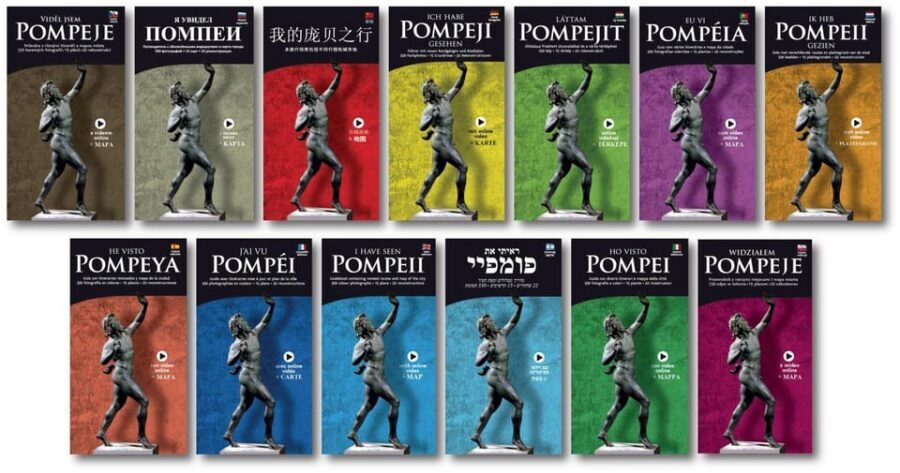
- What languages are available?
- Where do I meet, and where do I enter the park?
- Do I need to bring ID, and what should I wear?
Key highlights at a glance
- Skip-the-line access into the Pompeii Archaeological Park during the open day window
- 2, 4, or 6 hour itineraries so you can match your pace and stamina
- A guidebook that stays with you, plus a Pompeii ruins map to keep you oriented
- Big-ticket Pompeii stops including the amphitheater and the plaster casts of the victims
- Everyday Roman details like frescoed homes, spas, shops, and the Thermopolis (their quick-food spot)
Skip-the-line Ticket: What It Really Buys You at Pompeii
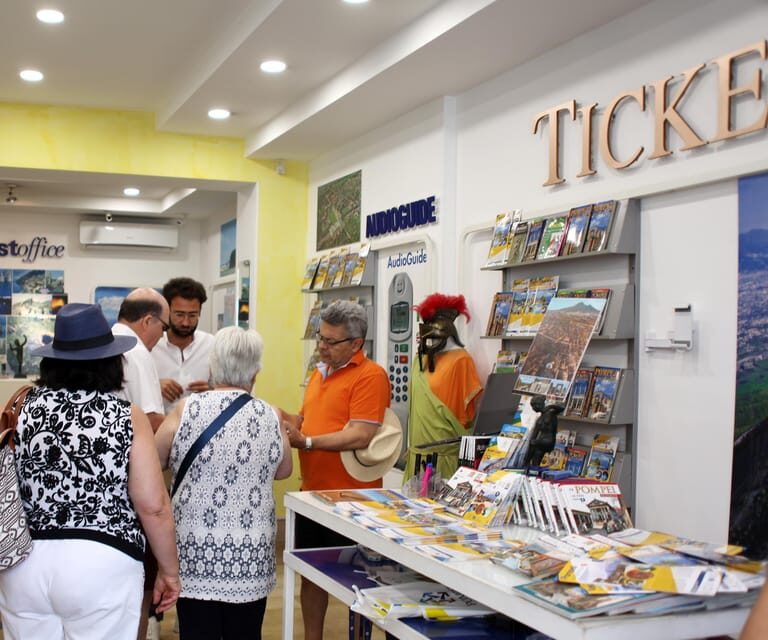
Pompeii is popular. Lines happen. This ticket is designed to cut the stress at the gate with skip-the-line entry, which matters because the site is huge and your day can disappear fast if you’re waiting around.
Here’s what you should picture: you arrive, you get through the entry process faster than people funneling through standard lines, and then you’re free to start walking while the air is cooler and your timing is still good. That one change often turns a visit from frantic sprinting into a calmer, more human pace.
If you’re the type who likes to see things in order but hates feeling herded, this setup is a strong match. You still get structure (map + itineraries), but you control the stop-and-stare moments—especially around the most famous rooms and the most emotional displays.
One practical caution: online tickets sometimes need paper confirmation steps near the site. If you’re coming from an online voucher, build in a bit of extra time for any ticket-paper pickup or re-checking at the entrance area so you don’t get stuck after you’ve already queued for security.
Other skip-the-line Pompeii tickets and tours


Choosing 2, 4, or 6 Hours Without Burning Out
The guidebook gives you three itinerary lengths—two, four, or six hours. That’s not just marketing math. It directly affects what you can realistically see without turning Pompeii into a blur.
Two hours: the “greatest hits” skim
This is enough time to get oriented and hit a few headline areas. Use it if you have limited hours, you’re pairing Pompeii with another stop, or you know you’ll return. Expect you’ll see important spaces, but you won’t linger long enough to notice the smaller stuff like shop layouts, painted doorways, or the subtle way different neighborhoods connect.
Four hours: the sweet spot
For most people, four hours is the best balance. You’ll likely be able to cover more of the city’s main zones, include the amphitheater and the casts, and still have time to slow down for frescoed homes, spas, and the day-to-day places that make Pompeii feel real.
If you want to leave with more than a few photos, this is the length I’d plan for.
Six hours: deep enough to feel the city
Six hours works when you want a fuller experience: more rooms, more street-level details, and more time for the spaces that reward looking—like theaters, temples, and the more niche corners such as brothel areas. This is also the length that lets you adapt if you get pulled in by one section more than expected.
Tip: Pompeii is walk-heavy and uneven. Even with a well-chosen route, comfortable shoes matter a lot.
A few more Pompei Campania tours and experiences worth a look




Meeting Up and Entering Through Piazza Anfiteatro
The meeting point is outside the operator’s office area, typically with staff wearing blue and yellow jackets. You meet at Via Roma 123, Pompei, and then you enter the archaeological park through the reservation entrance at Piazza Anfiteatro.
The key is to treat this as a straightforward handoff: you show your voucher to staff at the information point, and they help you get access to the right entrance.
Two details that keep the day smoother:
- Have your passport or ID card ready.
- If you’re arriving right on time, don’t plan a frantic morning. Pompeii days work best when you give yourself a buffer for any ticket handling near the site.
Also, note the park is open for entry across the day from 9:00 AM to 5:00 PM. That means you can choose a start time that fits your energy and the weather.
Your Guidebook Route: Amphitheater to Victims Casts
This is where the guidebook earns its keep. You’re not just wandering. The map and itinerary are meant to get you from the biggest landmarks to the most impactful moments in a logical flow.
Start with the amphitheater: Roman spectacle, preserved
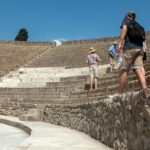
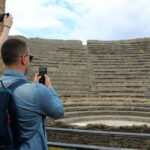
One of the most prominent experiences in Pompeii is the well-preserved Roman amphitheater. Even if you aren’t a “sports” person, it’s worth your attention because it shows you the shape of public life—crowds, performances, and entertainment architecture—laid out in stone.
What makes it special on a self-guided visit is that you can pause and look around from different angles without waiting for a group to move on.
Then the victims casts: where history gets personal
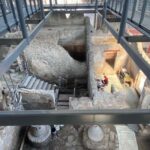
The casts of the victims are emotionally intense. This is the part where a calm pace matters. The guidebook helps you understand what you’re seeing instead of just treating it like another stop.
If you’re visiting with kids or friends who get overwhelmed easily, keep your expectations flexible here. Don’t push through quickly; take the time you need to process.
Streets and plazas: the connective tissue
From there, you’ll be walking through Pompeii’s millenary streets—the city’s layout is what makes the experience feel like more than a museum circuit. The map helps you avoid wandering in loops, so you can spend your walking time actually visiting.
A self-guided route is also ideal for this segment because street-level exploration is where you often notice the textures: building fronts, shopfront shapes, and how spaces cluster.
Frescoed Houses, Spas, Temples, and Shops: How to Look Like You Mean It
Pompeii isn’t just dramatic tragedy. It’s also a city of routines—where people ate, drank, shopped, bathed, prayed, and went about their lives right up until the eruption.
The guidebook and map point you toward a mix of:
- Frescoed houses
- Spas
- Temples
- Shops
Here’s how I’d approach these areas so you don’t end up speed-reading everything at once.
Frescoes and house interiors: look for patterns, not just paintings
Frescoes can be stunning, but the bigger payoff is learning how art sat inside daily space. On your route, give yourself a moment to notice where the decoration appears—entry spaces, common rooms, and areas that likely drew attention from visitors.
Spas: why Romans loved “public-private” routines
The spas are one of the best places to understand Pompeii as a living city. Even without a guided lecture, you’ll get more out of your visit if you focus on flow: where people likely entered, how spaces might have been used, and why bathing culture was part of social life.
Temples: reading a space’s purpose
Temples can feel like “one more building” unless you slow down and look for cues about ceremony and gathering. Use your itinerary to pause just long enough to take in what the space is doing for the city.
Shops: the small details that make it real
Shops help you see Pompeii as a commercial place, not just a set of monuments. The guidebook’s map-style guidance helps you move between clusters so you don’t miss the way storefronts and street activity work together.
Thermopolis, Theaters, and the Everyday Side of Pompeii
This is where Pompeii becomes more than history. It becomes a place you can imagine living in.
Thermopolis: the quick-food culture of the ancient world
The Thermopolis (described as a coffee-fast food of the time) is one of those stops that makes the city feel surprisingly modern. Think of it as a local spot where people came for fast, hot, and ready-to-go food or drinks.
When you visit this section, try to picture a customer’s path: where they’d stand, where they’d order, and how a small space could serve constant foot traffic.
Theaters: performance spaces with built-in community
The theaters are another place where Roman civic life shows up in stone. Even if you don’t know every detail of what was performed, you can still read the purpose of the architecture: seating shapes, visibility, and the energy of shared viewing.
Add the smaller stops: brothels and back rooms
The experience also includes areas such as brothels. This is not comfortable subject matter for everyone, but it’s part of Pompeii’s honest snapshot of city life. I’d treat it like a history lesson, not a spectacle—use your guidebook to keep your focus grounded.
The Value Question: Is This $41 Ticket Worth It?
At about $41 per person, you’re paying for three things that matter on a Pompeii day:
- Skip-the-line entry (time saved is often the biggest value driver)
- A ruins map + guidebook (so you’re not guessing where to go)
- Flexibility via 2, 4, or 6 hour itineraries
If you were to try Pompeii without a structured plan, you’d likely spend more energy navigating and less time absorbing what you came for. If you were to choose a fully guided tour, you’d often trade away some freedom for someone else’s pace.
This package aims for a middle path: independent walking with enough guidance to keep you moving intelligently.
Where it may not be worth it:
- If you strongly prefer a live guide explaining context on the spot.
- If you expect signage and staffing to do all the heavy lifting after you arrive (you’ll still be using the guidebook and map yourself).
- If you need very clear instructions in your language at every step; one issue that can pop up is unclear wayfinding for certain visitors, so plan to be proactive in reading the directions you’re given.
Who This Pompeii Experience Fits Best
This is a good fit if you:
- Want self-paced Pompeii without losing your bearings
- Like structure that stays flexible (the 2/4/6 options)
- Appreciate a souvenir guidebook you can keep and reference later
- Are okay walking a lot and taking breaks when you want
It’s less ideal if you:
- Want a fully live, human-led tour throughout the day
- Get stressed by ticket handling steps near the entrance area
- Need guaranteed, continuous on-the-spot interpretation from a person
If you’re traveling with friends who want different pacing, the guidebook format can work because each person can follow the itinerary but choose their own stops.
Should You Book This Pompeii Skip-the-Line Ticket?
Book it if your priority is efficient entry plus a practical plan that works with your schedule. With skip-the-line access and a map-led guidebook that covers the amphitheater, the victims casts, frescoed houses, spas, temples, Thermopolis, theaters, and more, you’re set up for a satisfying Pompeii day without the pressure of keeping up with a group.
Don’t book it if you’re expecting a live guide to lead you like a classroom. This is mostly about you walking, using the materials, and learning at your own speed.
If you do book, I’d go in with one mindset: treat Pompeii like a city to explore, not a list to finish. Give yourself time for the emotionally heavy pieces, and choose the itinerary length that matches how long you actually like to linger.
FAQ
What’s included with this Pompeii ticket?
It includes a skip-the-line ticket to Pompeii, a guidebook, and a Pompeii ruins map with 3 itineraries.
How long can I spend at the Pompeii site?
The guidebook offers itineraries for two, four, or six hours, and the ticket is valid for one day during the open period.
What time can I enter Pompeii?
You can enter during the park’s open hours, from 9:00 AM to 5:00 PM.
What languages are available?
The experience is available in English, Italian, Spanish, and French.
Where do I meet, and where do I enter the park?
You meet the staff at Via Roma 123, Pompei. The entrance to the archaeological park with your reservation is Piazza Anfiteatro.
Do I need to bring ID, and what should I wear?
Bring passport or an ID card. Wear comfortable shoes and dress appropriately for walking. Food and beverages are not included.