REVIEW · POMPEII ARCHAEOLOGICAL SITE
2-Hour Private Walking Tour of Pompeii
Book on GetYourGuide →Operated by Leisure Italy · Bookable on GetYourGuide
Pompeii hits hard in just two hours. This private, small-group walk gives you skip-the-line entry and a guide who points out how an everyday Roman town actually worked. I especially liked the chance to follow the original basalt street and then jump into the big public spaces of the Forum without getting lost.
Two things I really enjoyed: first, the walk is guided in a way that turns stone and ruins into daily life—shops, markets, bakeries, baths, and theaters. Second, the tour has flexibility, so if you want more focus on one type of building (religion and politics in the Forum, everyday food, or entertainment), your guide can steer the route.
One consideration: Pompeii is still uneven, outdoor walking on real ancient surfaces, and the tour isn’t set up as wheelchair-friendly. Even so, there’s a hint of flexibility from how guides can adapt pace and route for small needs, but you should expect lots of on-your-feet time.
In This Review
- Key highlights to look for on this Pompeii tour
- Starting at Café Hortus Pompeii with skip-the-line access
- Walking the original basalt road, up close
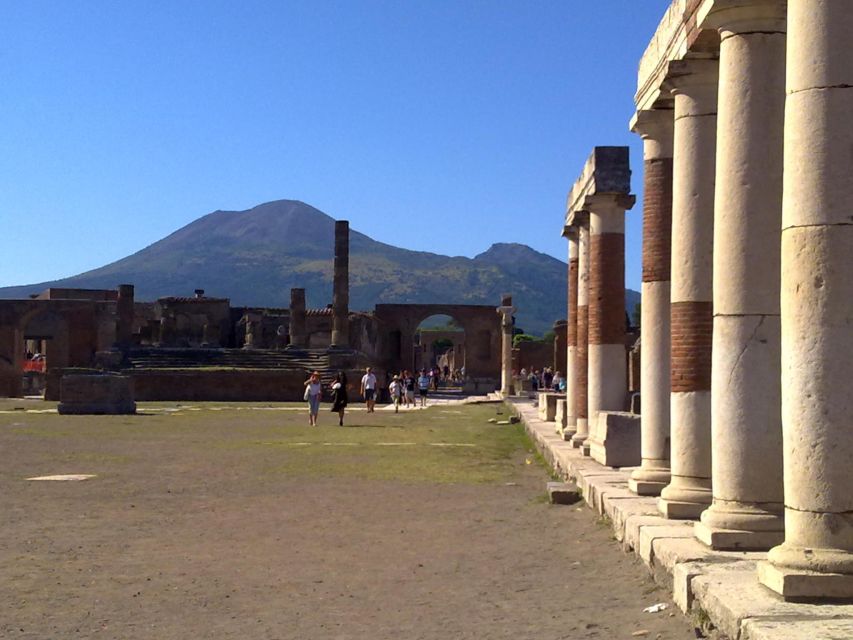
- Pompeii’s Forum: religion, politics, and trade in one walk
- Themes you’ll catch: everyday rooms versus public buildings
- Human casts: seeing tragedy in the exact pose
- Pompeii’s bakeries and the Roman equivalent of fast food
- The former Red Light District and erotic frescoes
- Choosing one of Pompeii’s three theaters
- How to get the most from 2 hours of private time
- Price and value: what $175.22 per person gets you
- Who this tour suits best (and who should rethink)
- Should you book this 2-hour private Pompeii walk?
- FAQ
- Where do I meet the guide for the Pompeii tour?
- What time does the tour start?
- How long is the tour?
- Is skip-the-line entry included?
- How big is the group?
- What languages are available for the live guide?
- What sights does the tour include?
- Is the itinerary fixed?
- What should I wear?
- Is the tour wheelchair accessible?
- Do I need to provide names in advance?
Key highlights to look for on this Pompeii tour
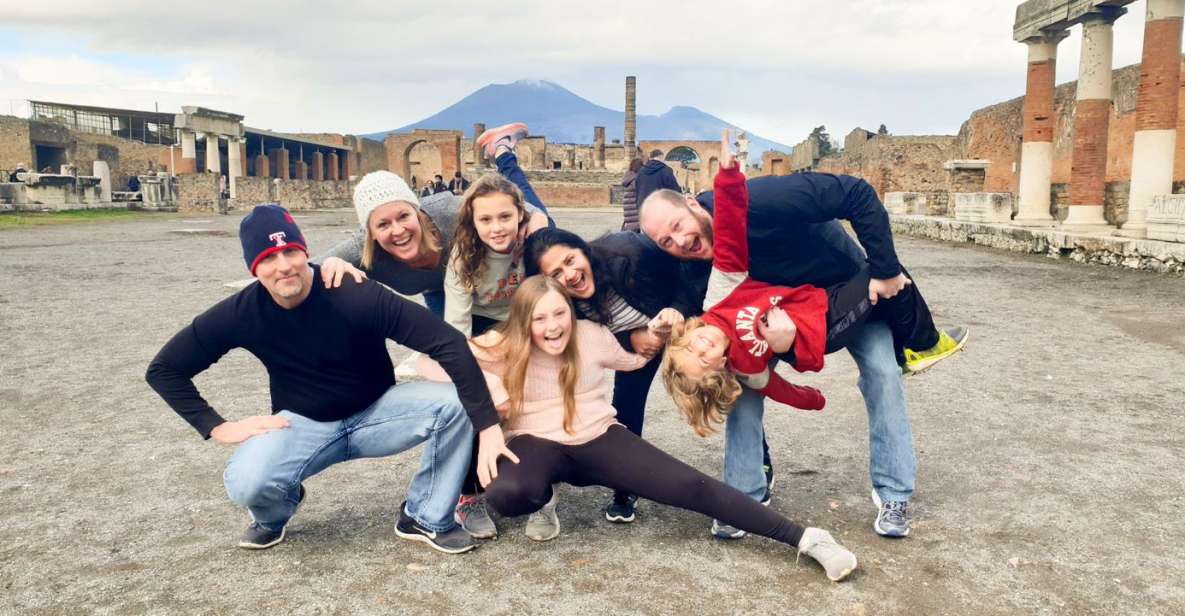
- Skip-the-line tickets that cover areas within the city walls so you spend more time walking and less time stuck.
- Basalt road details, including the reflective travertine points and raised basalt blocks used to stay dry.
- Forum cluster viewing: Temple of Apollo, the Capitolium, Temple of the Emperor, and the Basilica.
- Everyday Pompeii stops, including bakeries (including carbonized loaves found during excavations).
- The Red Light District frescoes with erotic imagery, plus one of the city’s three theaters.
- Private guide attention in a group limited to 10 people, with room to tailor the pace and interests.
Starting at Café Hortus Pompeii with skip-the-line access
You meet your guide at Café Hortus Pompeii, right in front of the entrance at Via Villa dei Misteri 2, inside Pompeii Archaeological Park. That matters because Pompeii can feel like a maze when you’re on your own, and the tour gives you a clear start point right where the action begins.
You also get Pompeii Express skip-the-line tickets. The key value here is not just faster entry—it’s that the tickets allow visits across the areas within the city walls, so your guide can build a route that actually uses your limited time well.
The tour runs about 2 hours, so think of it as a guided “high-impact introduction.” It’s not trying to cover everything. Instead, it aims to include at least one example of different building types, so you leave with a sense of how Pompeii worked as a whole city.
If you're still narrowing it down, here are other tours in Pompeii Archaeological Site we've reviewed.

Walking the original basalt road, up close
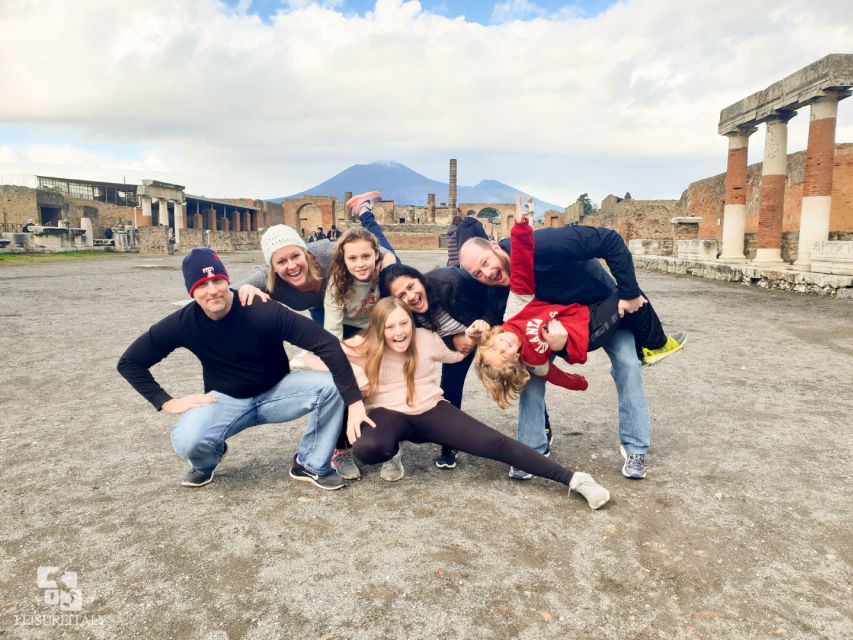
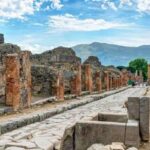
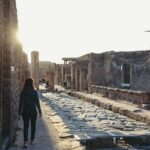
The first wow moment comes early as you walk along the original volcanic basalt road. This isn’t polished and modern. You’re walking on the kind of street that thousands of people once used, with real choices they had to make—where to place your feet, how to move, and what to do when it rained.
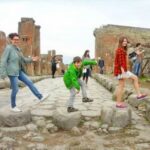
I love the specific visual details your guide points out here. You’ll look down at hundreds of small white travertine spots used to reflect torchlight, which is a reminder that “night walking” was part of everyday life. You’ll also notice large basalt blocks that pedestrians used like stepping areas to avoid getting wet during rain.
A practical drawback: this kind of walking makes comfortable shoes non-negotiable. Even if the route is short, the ground is uneven, and you’ll want traction, not flip-flops.
Pompeii’s Forum: religion, politics, and trade in one walk
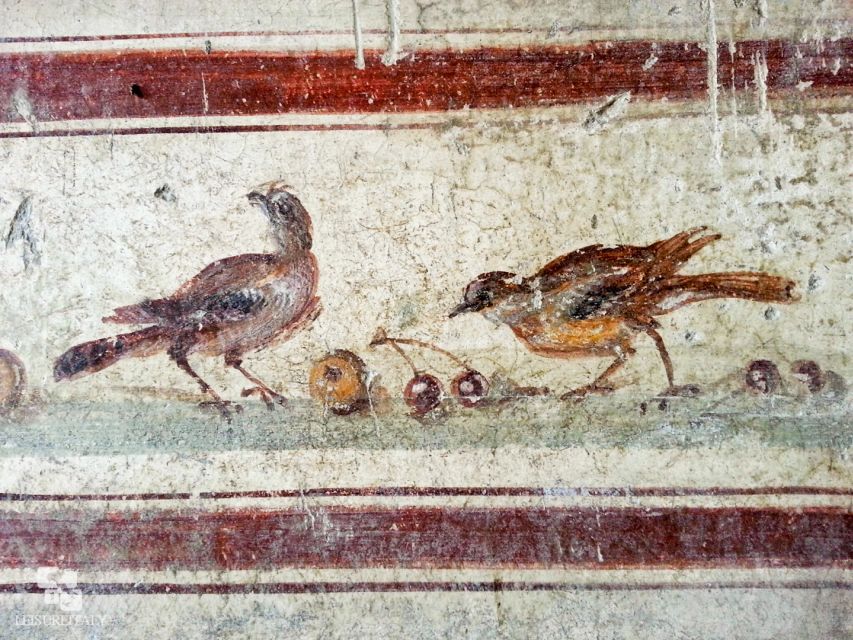
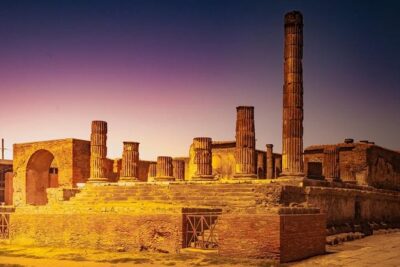
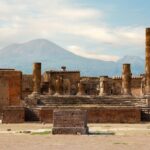
From the street, you move into the city’s Forum, which is basically Pompeii’s core for religion, commerce, administration, and politics. The Forum is where people went to see power on display—public decisions, public worship, and public business all in one place.
In the Forum area, you’ll see major anchors such as the Temple of Apollo, the Capitolium, the Temple of the Emperor, and the Basilica. What makes these stops valuable is how your guide connects them. It’s easy to view temples as isolated buildings; it’s harder to see how they formed the daily rhythm of the city.
Also included is the Macellum market, the kind of place that makes a city feel lived-in. Markets weren’t just shopping. They were social energy, fast information exchange, and the pulse of local life.
If you’re short on time, this is the section to prioritize. It gives you the most “big-picture” city structure per minute, and it’s also where a private guide helps you avoid wandering in circles.
Themes you’ll catch: everyday rooms versus public buildings
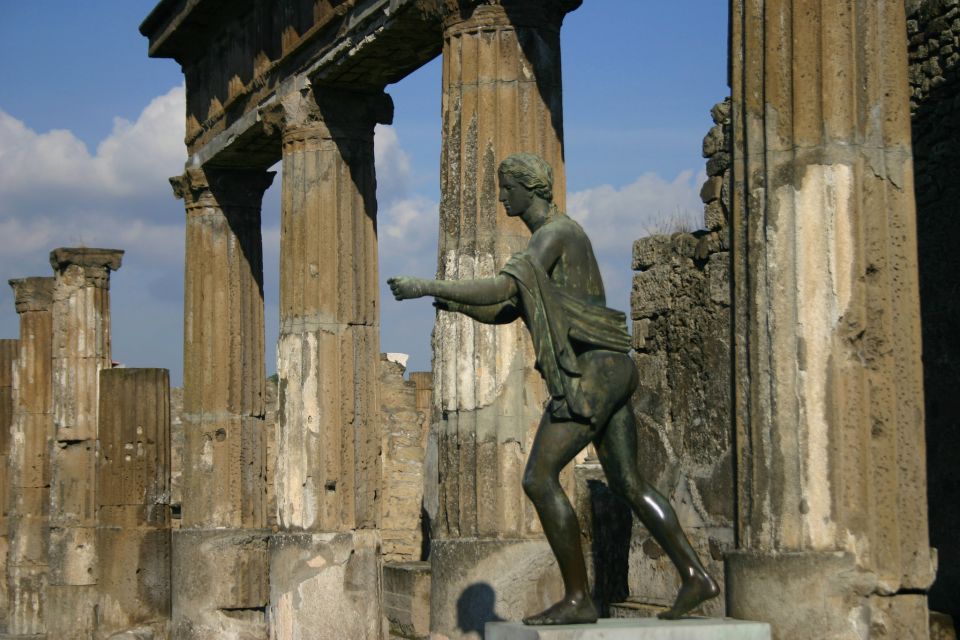
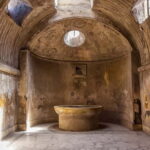
Pompeii isn’t only grand temples and official spaces. You’ll also look at the everyday side of town—public baths, villas, taverns, and shops—and your guide helps you connect those spots to how people actually lived.
This is where having a guide pays off. Without interpretation, ruins can feel like a scatter of walls. With guidance, you start noticing how one building functioned in relation to another. Baths connect to daily routines. Taverns and shops connect to food, social time, and local commerce.
A small drawback of a 2-hour private tour: you’ll only see a representative slice of Pompeii. That’s intentional, and it works best if you’re okay with a “best of by theme” approach rather than an exhaustive checklist.
Human casts: seeing tragedy in the exact pose
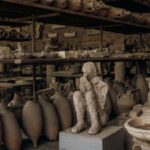
One of the most emotionally heavy stops is the display of human casts of Pompeii residents, preserved in the exact poses where they died. It’s one of those sights that changes the temperature in the room immediately.
What I find useful here is how a good guide keeps it grounded and respectful, not sensational. You’re shown the forms, but you’re also reminded that these weren’t “museum figures.” They were people moving through a normal city that suddenly stopped.
Consider this if you’re sensitive to intense imagery. The tour includes this display, so it’s not a light-and-fun highlight like a viewpoint.
Pompeii’s bakeries and the Roman equivalent of fast food
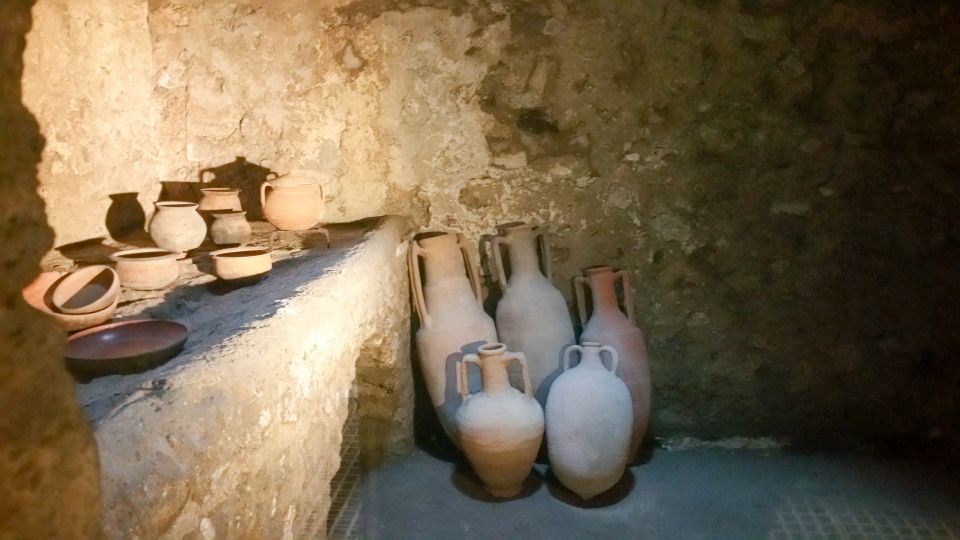
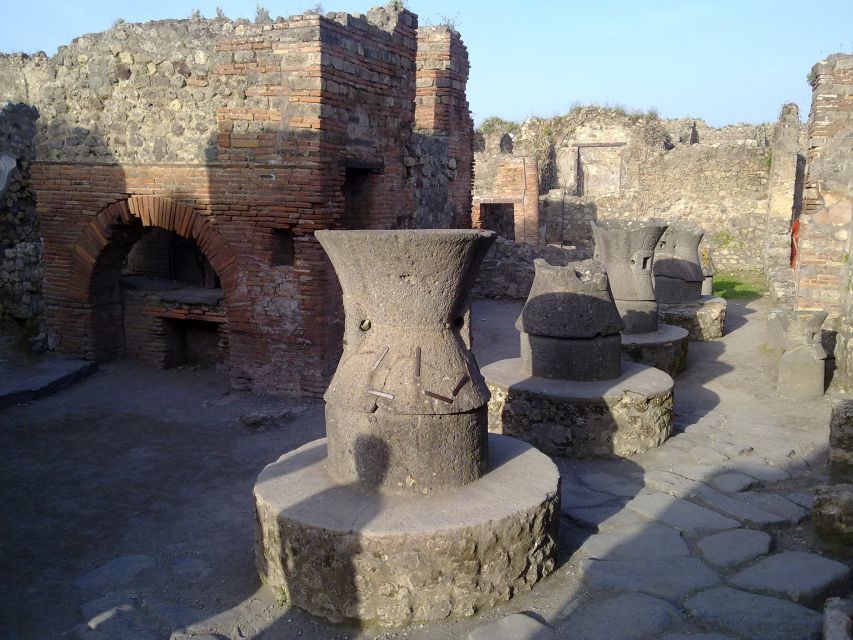
Food ruins are fascinating because they show something very human: appetite and routine. You’ll visit one of Pompeii’s bakeries, where excavations found carbonized loaves of bread. Even if the ovens and shapes are damaged, you can still feel how real the food system was.
This is also where your guide ties it to the idea of fast food—Roman-style quick meals for people who were out and about. Markets and bakeries weren’t an optional hobby. They were part of how a working city kept going.
Practical note: the bakery stop can be one of the most memorable parts of the tour, but it’s also visually detailed and easy to rush if you’re in a hurry. If you care about food culture, ask your guide to linger just a moment longer.
The former Red Light District and erotic frescoes
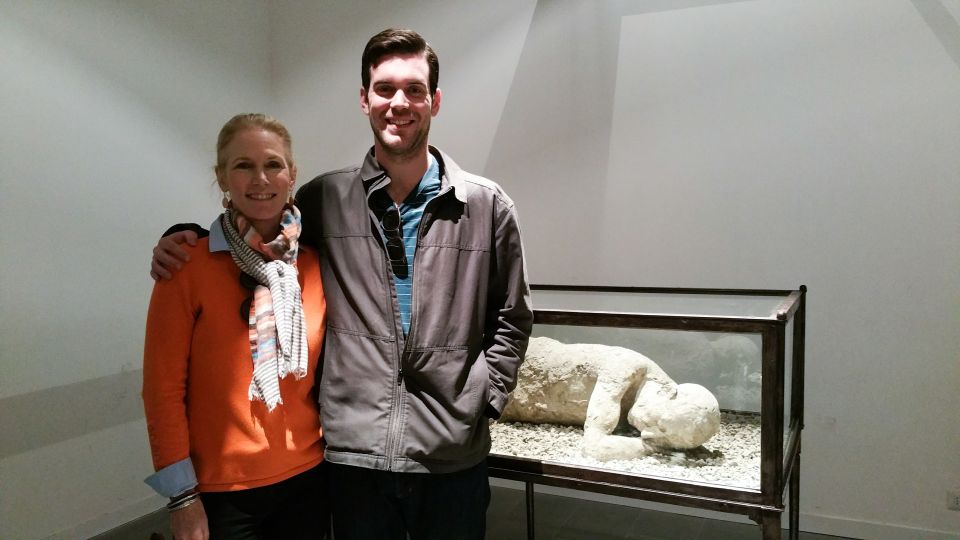
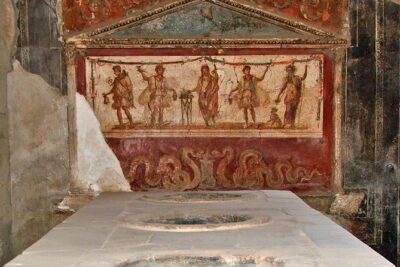
You’ll also head to the former Red Light District to see Roman frescoes with erotic images. This can be surprising if you expected Pompeii to feel purely solemn or schoolbook-serious.
The value here is perspective. Pompeii wasn’t a sanitized city. People flirted, watched, worked, and lived with the same mix of public order and private desire that exists in every society. Seeing erotic art in context helps you understand that the town held ordinary human contradictions.
If you’re traveling with teens or if you’re traveling with someone sensitive to sexual imagery, decide in advance how you want to handle this stop. The tour includes it.
Choosing one of Pompeii’s three theaters
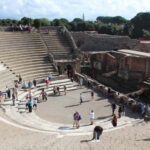
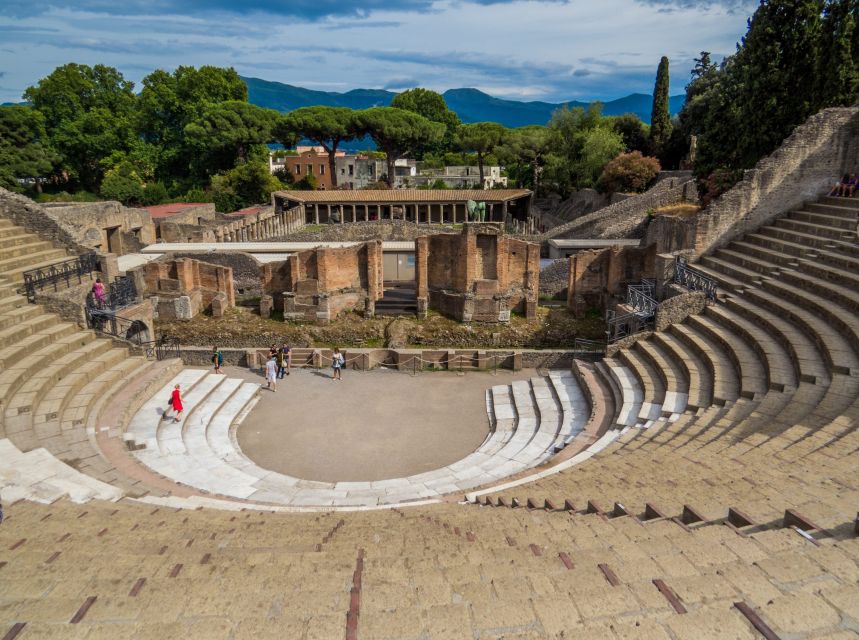
Entertainment is built into the tour, because your guide will take you to one of Pompeii’s three theaters. Which one you see depends on how the guide shapes the route during the 2 hours you have.
You can encounter:
- an outdoor arena for public performances
- an indoor theater for mime and poetry
- an outdoor theater used for tragedies and comedies
I like theater stops because they give you a sense of community. People didn’t just work in the city; they gathered for stories, performance, and group attention.
A drawback: theaters are often exposed to sun, and you might not get a “perfect lighting” moment for photos. Pack water and keep an eye on how long you’re outside.
How to get the most from 2 hours of private time
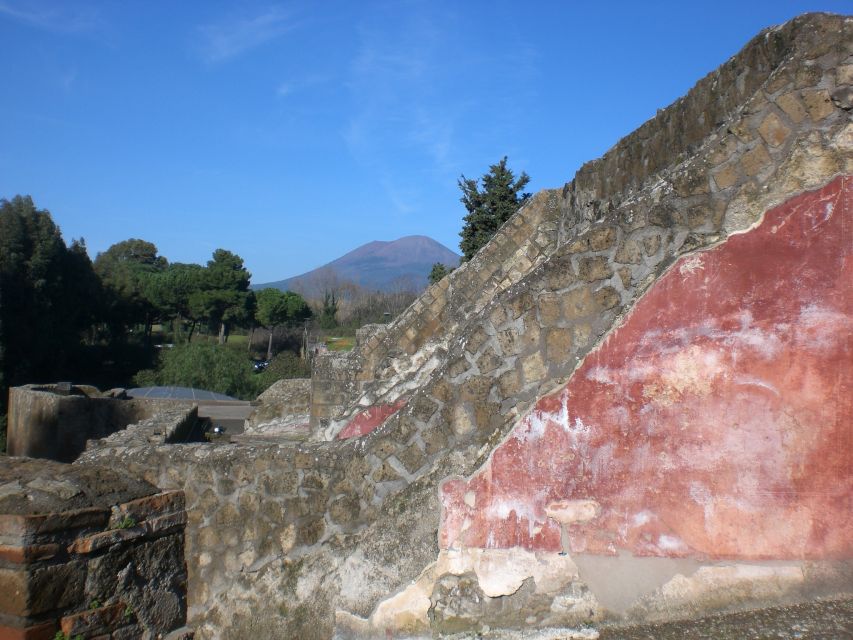
This tour is built around the idea that it can be tailored to your interests and physical ability. Still, it’s not unlimited. In 2 hours, you’ll want to choose what you care about most, so your guide can make the route efficient.
The tour aims to cover at least one example from different building types—so you don’t walk away with only temples or only markets. That’s a smart approach when you don’t want to study Pompeii for a full day.
My practical advice: pick your priorities before you meet your guide. If you love public life, emphasize the Forum and major civic buildings. If you love everyday culture, ask for more time around bakeries, markets like the Macellum, and spaces linked to routine like baths and shops. The guide’s flexibility is the tool you’re paying for.
Price and value: what $175.22 per person gets you
At $175.22 per person for a 2-hour private walking tour, the price is clearly a step above joining a larger group. The value comes from three things you can feel on-site: fewer bottlenecks, interpretation that keeps you oriented, and time saved by skip-the-line entry.
The ticket part matters. Getting through queues at Pompeii can eat hours. Here, you’re paying for a smoother start and more time using your guide inside the city walls.
Group size is limited to 10 participants, which helps keep the tour from turning into a noisy shuffle. And because it’s private, you’re more likely to get explanations that match what you care about, instead of generic facts aimed at everyone.
If you’re traveling solo or as a couple and you want a guided “best-of” route with minimal stress, this price can make sense. If you’re comfortable self-guiding and you don’t need interpretation, you might compare against other options. But for many people, Pompeii is one place where a guide turns confusion into clarity fast.
Who this tour suits best (and who should rethink)
This works best for:
- people who want a guided introduction to Pompeii’s main districts in 2 hours
- travelers who like explanations and want context, not just photos
- couples and small groups that would rather ask questions than follow a script
It may be a tough fit for:
- anyone who struggles with extensive walking and uneven ground
- wheelchair users, since the activity is not listed as suitable for wheelchairs
One review note suggests the guide may adapt pace or movement in some cases. Still, the official suitability isn’t for mobility impairments, so you should plan for the possibility that it won’t feel easy.
If you’re on the fence due to mobility, ask your provider what adaptation might mean in practice. You’re best off being realistic: Pompeii is old, outdoor, and full of surfaces that were never designed for accessibility equipment.
Should you book this 2-hour private Pompeii walk?
If you want Pompeii without the hassle of figuring out where to go first, I think this is a strong choice. You get skip-the-line tickets, a route that covers major Forum sights like the Temple of Apollo and civic spaces like the Basilica, plus the more human side—bakeries with carbonized bread finds, and the striking human cast display.
I’d especially recommend it if you like your travel with guidance: you’ll come away with clearer city layout and better sense of how different buildings connect. The small group limit and private attention are the practical reasons it feels worth it.
If you’re the type who loves taking lots of time at every stop, this tour might feel compressed. But if you’d rather cover the right highlights with a guide in a controlled 2 hours, it’s a smart way to start your Pompeii story.
FAQ
Where do I meet the guide for the Pompeii tour?
Meet your guide at Café Hortus Pompeii, in front of the entrance at Via Villa dei Misteri 2, Pompeii Archaeological Park.
What time does the tour start?
Start times vary. Check availability to see the specific starting times offered.
How long is the tour?
The tour lasts about 2 hours.
Is skip-the-line entry included?
Yes. You get Pompeii Express skip-the-line tickets that allow visits to the areas within the city walls.
How big is the group?
The tour is a small group limited to 10 participants.
What languages are available for the live guide?
Spanish, English, French, and Italian.
What sights does the tour include?
You’ll see a mix of Pompeii highlights such as the Forum area (including Temple of Apollo, Capitolium, Temple of the Emperor, and Basilica), the Macellum market, bakeries, the display of human casts, frescoes in the former Red Light District, and one of the city’s three theaters.
Is the itinerary fixed?
It’s flexible. Your guide can tailor the route to your interests and physical ability, aiming to include at least one example from different building types.
What should I wear?
Wear comfortable shoes, since it’s a walking tour.
Is the tour wheelchair accessible?
The activity is not suitable for wheelchair users or people with mobility impairments. There may be limited adaptation for small needs, but you should plan for uneven walking and confirm suitability if this is a concern.
Do I need to provide names in advance?
Yes. You must provide the full names of all participants because they’re required for the tickets.