REVIEW · NAPLES
From Naples: Archeological day to Pompeii and Herculaneum
Book on GetYourGuide →Operated by Around Vesuvio · Bookable on GetYourGuide
A day with Pompeii and Herculaneum turns history into something you can walk through. You’ll see ancient Roman streets, frescoes, and sculptures, then learn how Vesuvius in 79 AD transformed everyday life into archaeology. I like that you get the classic sites in one long day without wrestling transit on your own.
Two things make this trip especially practical: skip-the-line tickets for both sites, and an audio setup that lets you control your pace. The main catch is the experience depends on the audio guide working smoothly for you; a few people found the device instructions tricky and the map not always matching on-the-ground street signage.
In This Review
- Key things to know before you go
- The overall feel: an easy Vesuvius-era archaeology day
- Price and value: what $123.48 gets you
- Getting from Naples to Ercolano (Herculaneum) smoothly
- Herculaneum: 2.5 hours of ash-preserved streets and homes
- The bus hop to Pompeii: a short transfer with clear rhythm
- Pompeii: 4 hours, skip-the-line entry, and audio + map support
- How the audio guides change the experience
- What you’ll learn about the eruption of Vesuvius (and why it matters)
- How to make the most of limited time
- Who this day trip suits best
- Should you book this Pompeii and Herculaneum day trip?
- FAQ
- How long is the day trip from Naples?
- What stops are included on this trip?
- How much time do I get in Herculaneum and Pompeii?
- Is transportation included?
- Are skip-the-line tickets included?
- Are audio guides included, and what languages are available?
- Do I need any ID to get the Pompeii audio guide?
Key things to know before you go
- Two sites, one bus day: about 8.5 hours total with set time blocks at each ruin.
- Audio guides included: Pompeii uses an audio guide with a map; Herculaneum uses a digital audio guide.
- Skip-the-line entry: you’re not stuck waiting to get into either site.
- Time is tight but fair: roughly 2.5 hours in Herculaneum and 4 hours in Pompeii.
- Ask for help if needed: some audio-guide controls can be confusing, so don’t hesitate to ask right away.
- Bring valid ID: you must have a valid ID document to rent the Pompeii audio guide.
The overall feel: an easy Vesuvius-era archaeology day
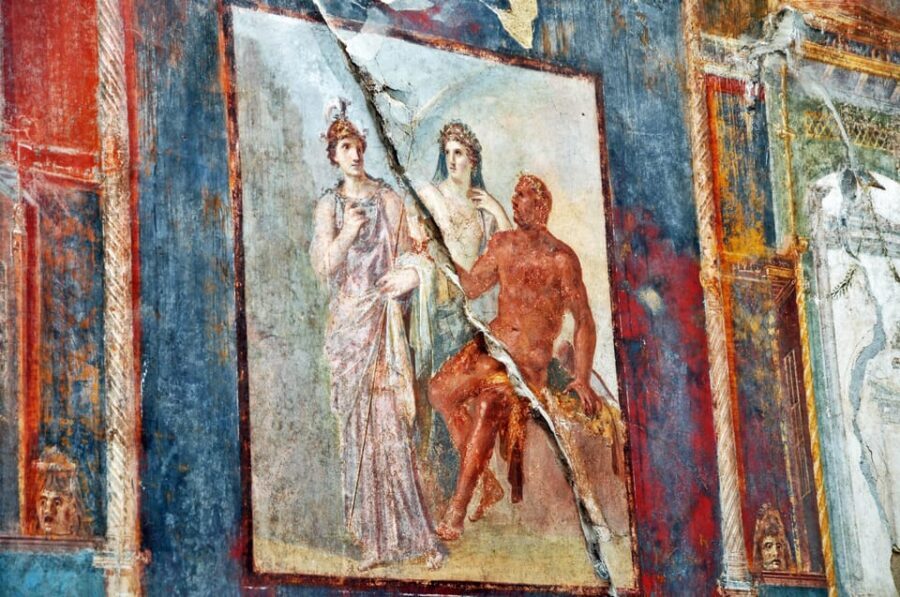
This is the kind of day trip that works when you want real substance but still want stress-free logistics. You start in Naples, ride a comfortable coach, and spend your energy where it matters: inside Pompeii and Herculaneum.
What you’re really buying is time and momentum. The bus handles roundtrip transportation, you get skip-the-line entry at both sites, and the audio guide means you can keep moving without waiting for a group to catch up. The day is long enough to feel complete, but not so long that you’re shattered by the time you get back to your hotel.
The route is straightforward: bus to Herculaneum, then bus to Pompeii, then back to Naples. If you like to set your own pace while still benefiting from an organized setup, this format tends to fit well.
Other Pompeii + Herculaneum tours



Price and value: what $123.48 gets you

At $123.48 per person, the big value drivers are transportation plus two skip-the-line entries, along with audio guides and Pompeii’s detailed map. If you tried to piece this together yourself, you’d still likely pay for transportation and timed entry somewhere along the way, and you’d lose the built-in convenience.
The tradeoff is that you’re not getting a live guide who can flex with your questions. The audio guide is helpful for self-guided exploring, but it also means you’re relying on the explanations and navigation you receive. If you’re the type who learns best from a person talking in real time, this might feel slightly less satisfying than a live-host tour.
For most archaeology fans, though, the math is reasonable: you’re spending a meaningful chunk of the day inside two major sites with fewer logistical headaches than going solo.
Getting from Naples to Ercolano (Herculaneum) smoothly
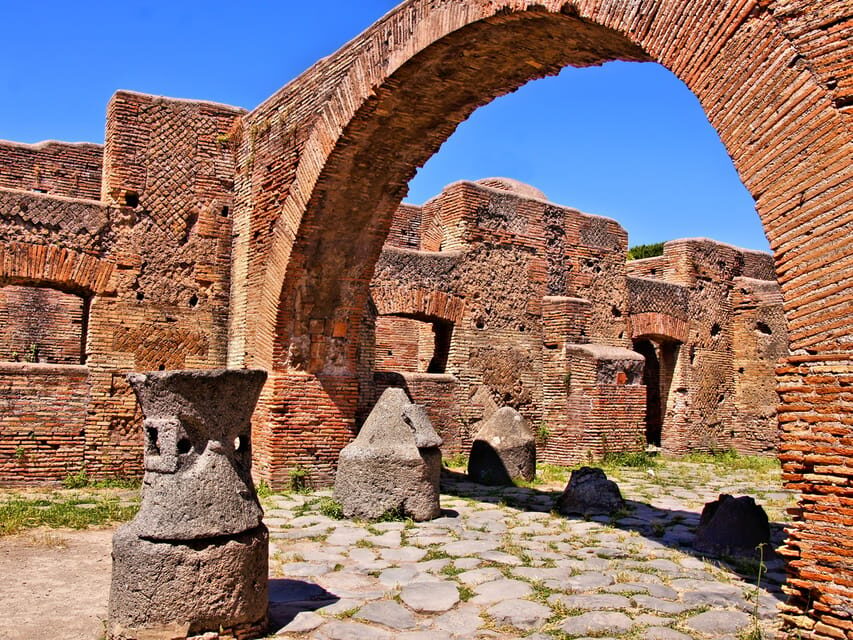
Your meeting point is Via Galileo Ferraris, 40 (near the coordinates 40.8505189, 14.2747942). Your bus has the logo Around Vesuvio, and the tour uses a simple out-and-back plan.
The first ride is about 40 minutes to Ercolano (Herculaneum). This timing matters because it helps you arrive with energy and get your best hours inside the site rather than burning the day stuck in traffic.
One practical note from real-world experience: the neighborhood area where you board can feel a bit sketchy. That doesn’t necessarily change the tour quality, but it does mean you should be alert, keep your phone and wallet secure, and confirm you’re at the correct pickup spot.
Herculaneum: 2.5 hours of ash-preserved streets and homes
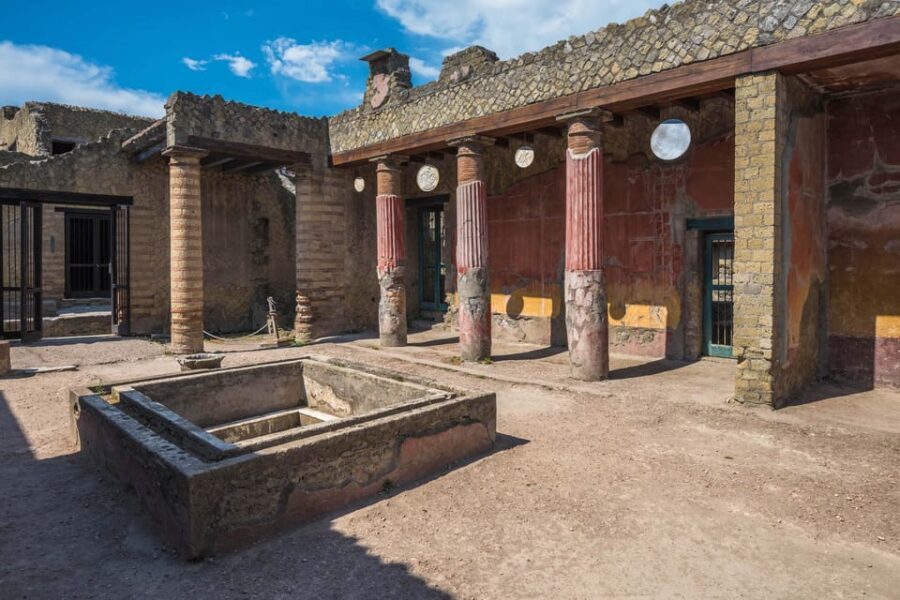
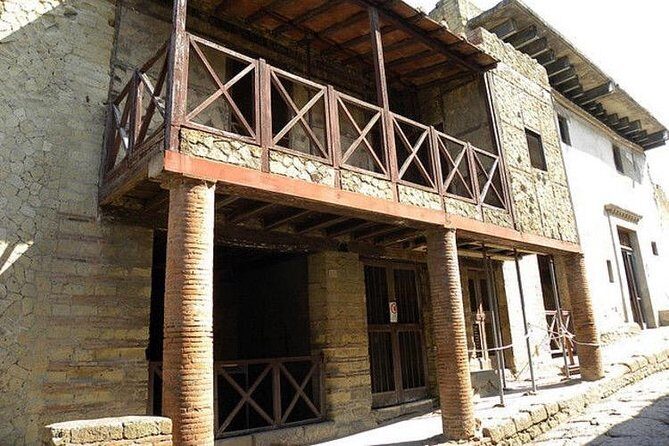
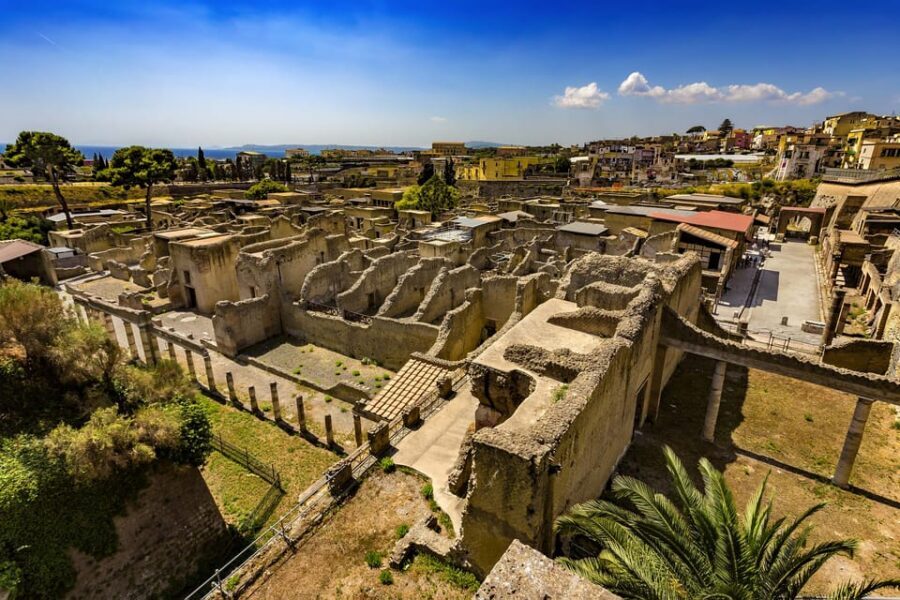
You’ll have about 2.5 hours in Ercolano (Herculaneum), which is a solid first stop. The key thing you’re going to notice is how the city feels like it was interrupted mid-life. The eruption of Vesuvius in 79 AD deposited ash in a way that preserved details of daily living, including homes and décor.
This is the stop I recommend most for people who like “close-up” archaeology—places where you can stand in front of surviving features and imagine what was happening around them. You’ll spend time moving through the ancient city, and you’ll encounter the effects of preservation firsthand rather than only hearing about them.
The tour includes a digital audioguide for Herculaneum, which is designed to guide you through what you’re seeing. The format is convenient because it supports a self-paced walk: you can pause, hop to another section, and come back when you’re ready.
The main drawback to keep in mind: if the audio device instructions aren’t intuitive for you, you might spend a little extra effort figuring out how to start playback. A little patience here goes a long way. Once you get it working, the time in Herculaneum can feel productive.
The bus hop to Pompeii: a short transfer with clear rhythm

After Herculaneum, there’s about 30 minutes by coach to Pompeii. That short jump keeps the day flowing and prevents the tour from feeling like two separate half-days.
This is also a good moment for planning your visit style. Since Pompeii gets the bigger time block (about 4 hours), it helps to decide early how you want to use that time:
- Do you want to focus on the big public areas and then wander?
- Or do you prefer houses, frescoes, and the preserved details?
There’s no wrong approach, but knowing your preference before you arrive saves you from crisscrossing once you’re inside.
Other Herculaneum tours and tickets




Pompeii: 4 hours, skip-the-line entry, and audio + map support

You get about 4 hours at Pompeii, plus skip-the-line entry. This is the heart of the day, and it’s where you’ll likely spend the most time thinking about how wide and layered the city is.
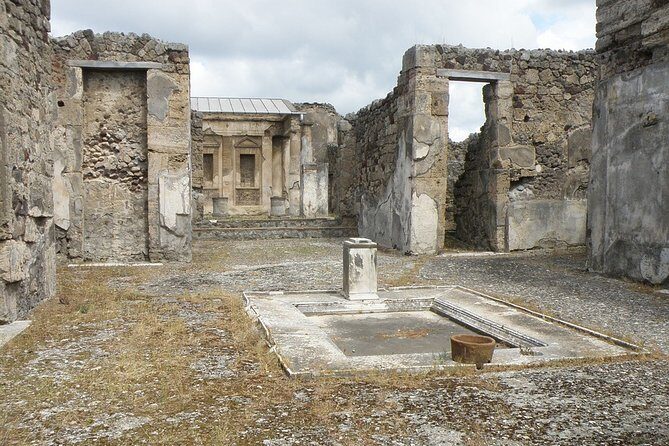
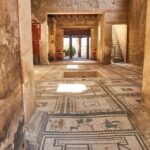
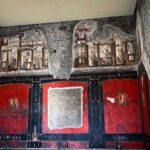
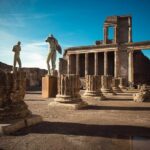
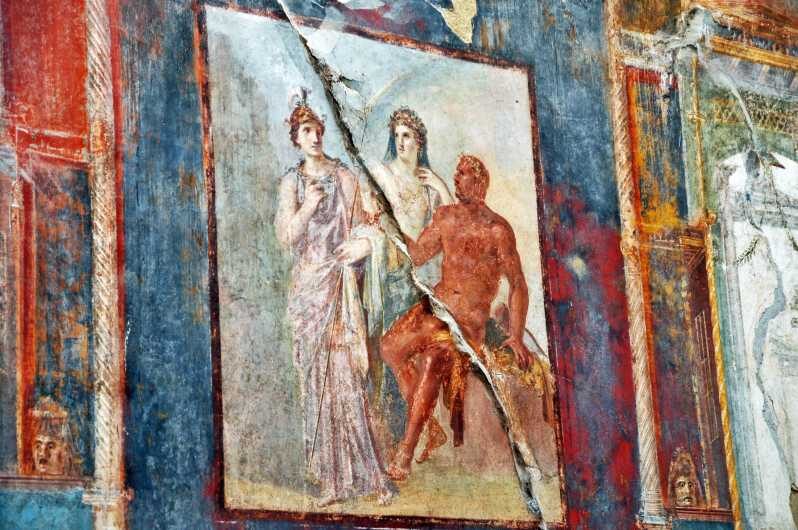
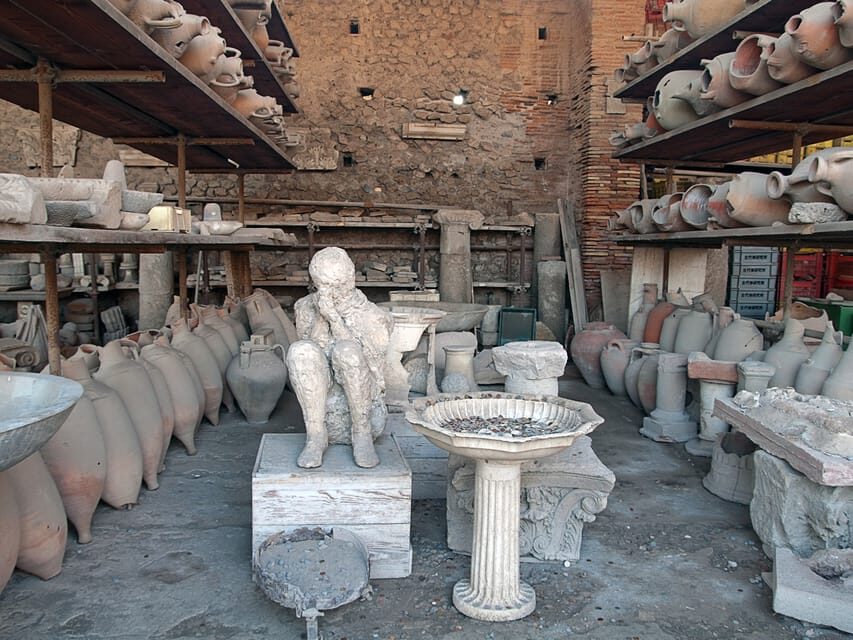
The kinds of things you’ll be looking for are exactly the ones that make Pompeii unforgettable: ancient streets, frescoes, sculptures, and spaces where you can enter areas like houses and temples. You’ll also encounter the casts and skeletons of victims of the eruption—an intense element, handled through the site’s preserved evidence.
What I like here is the combination of an audio guide and a detailed map. Pompeii is large, and without navigation help you can end up chasing highlights rather than understanding what you’re seeing. The map is intended to help you keep your bearings and connect the audio content to specific locations.
A consideration: some people said the map could be easier because street signs can differ from what they expect, and they had trouble at times understanding which number to press to listen to audio. My practical advice is to treat the first couple of listening stops as setup. Once the device rhythm clicks, you’ll likely enjoy the independence more.
Also note one important logistical requirement: you must have a valid ID document to rent the Pompeii audio guide. If you forget your ID, you could end up without the audio component, which is a big part of the tour’s value.
How the audio guides change the experience
This trip leans hard into self-guided learning. That can be a strength or a frustration depending on how you like to travel.
For people who want control, audio is great. You can stop when something catches your eye, backtrack to understand a feature, and keep your pace without waiting for a group. The tour’s audio coverage is multi-language, and it’s offered in Chinese, English, French, German, Hebrew, Italian, Portuguese, Russian, and Spanish.
For the language mix, English is available, and the audio includes multiple options overall. If you’re comfortable switching between listening and looking, audio will help you connect the dots while you walk.
The downside is obvious: an audio guide can’t react to you. If you want a human to explain with follow-up questions, you might wish for a live guide. If you can live with that trade, the audio-guided format is a smart match for the day-trip structure.
What you’ll learn about the eruption of Vesuvius (and why it matters)
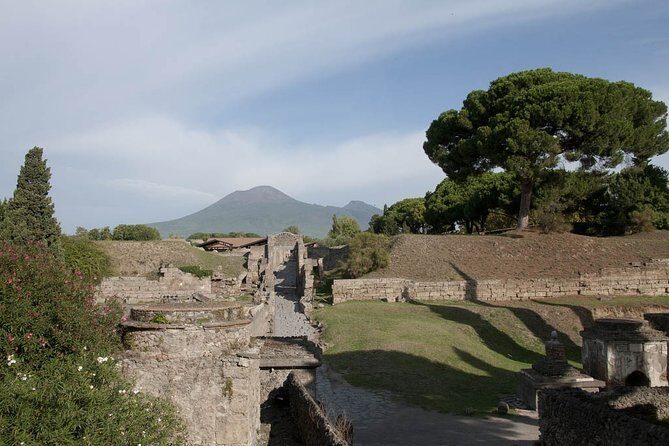
The tour is built around the story of Mt. Vesuvius and the 79 AD eruption that destroyed both places. You’ll pick up the surrounding context along the way so you’re not wandering through ruins as a random collection of stones.
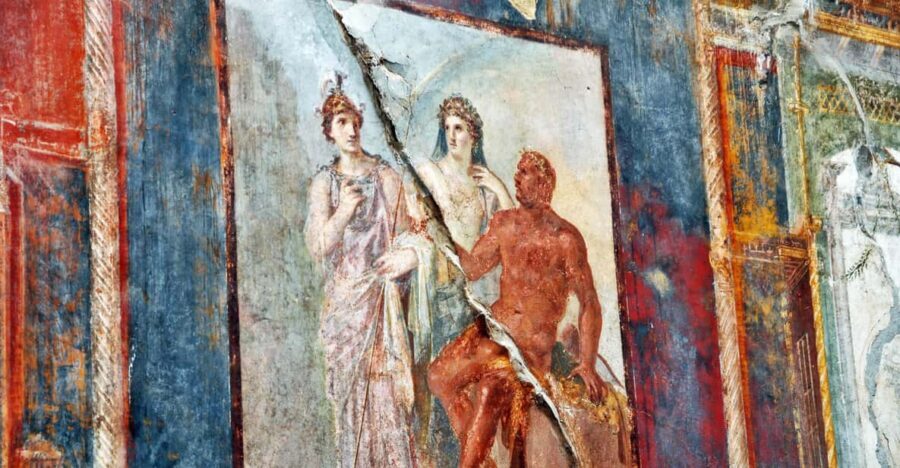
The most meaningful learning here comes from the visual evidence. The ash preserved more than just walls. You’ll see how it held onto homes, décor, and even food, which turns the ruins into a kind of time capsule. That’s why you’ll notice frescoes, sculptural details, and the way everyday life feels visible rather than only imagined.
The casts and skeletons of victims add the emotional weight. This isn’t just about aesthetics. It’s about what happened when a city was suddenly overwhelmed.
How to make the most of limited time
With 2.5 hours in Herculaneum and 4 hours in Pompeii, you need a simple plan. You don’t have to “do everything,” but you should choose what matters to you most.
Here’s a practical approach I’d use:
- In Herculaneum, aim for preserved details and the overall feel of ash preservation. Slow down when you see homes and décor features.
- In Pompeii, decide whether you want more focus on streets and public areas or on houses and painted details. Use the audio guide and map to avoid wandering without purpose.
Also, keep expectations realistic. Pompeii’s scale can make it easy to get turned around. If you’re the type who likes to wander freely, give yourself permission to pick a few core segments and go deeper there.
Who this day trip suits best
This tour tends to be a strong fit if:
- You want Pompeii + Herculaneum in one day without managing transport.
- You enjoy archaeological sites and want to see preserved features like frescoes, sculptures, and house areas.
- You learn well from audio guides and don’t mind self-navigation.
It’s less ideal if you:
- Strongly prefer a live guide who can answer questions on the fly.
- Know you’ll struggle with audio-guide controls and navigation unless someone is right beside you.
If you fall in the middle, don’t assume it will be perfect or painful. The tour is set up to help you move efficiently, and the audio guide is designed to provide context along the way.
Should you book this Pompeii and Herculaneum day trip?
I’d book it if you want a streamlined Naples day that pairs skip-the-line access with time in both major sites. It’s a practical way to get real value from a short stay, especially if audio guides are your comfort zone.
I’d think twice if you’re picky about navigation and you know you dislike audio-based learning. In that case, you might spend some energy fighting controls or wishing for a live explainer.
One last decision tip: bring your valid ID for the Pompeii audio guide, and plan to spend the first few minutes of each site getting your bearings. Once that’s done, you’ll get the best of what this day trip promises: two unforgettable Roman cities shaped by a single eruption, with the details preserved right in front of you.
FAQ
How long is the day trip from Naples?
The total duration is about 8.5 hours.
What stops are included on this trip?
You visit Ercolano (Herculaneum) and Pompeii, with roundtrip travel from Naples.
How much time do I get in Herculaneum and Pompeii?
You get about 2.5 hours in Herculaneum and about 4 hours in Pompeii.
Is transportation included?
Yes. Roundtrip transportation from Naples is included.
Are skip-the-line tickets included?
Yes. Skip-the-line tickets are included for both Herculaneum and Pompeii.
Are audio guides included, and what languages are available?
Audio guides are included. Herculaneum has a digital audioguide, and Pompeii has an audio guide and a detailed map. Audio languages listed include Chinese, English, French, German, Hebrew, Italian, Portuguese, Russian, and Spanish.
Do I need any ID to get the Pompeii audio guide?
Yes. You must have a valid ID document to rent the Pompeii audio guide.