REVIEW · POMPEII
Pompeii: guided tour of the ruins and cooking class fresh pasta
Book on Viator →Operated by Giardini Balestrieri · Bookable on Viator
Pompeii tastes better than you think. This private day pairs a guide-led walk through Pompeii with a cooking class where you make the meal yourself. I loved that you get both the big “how did they live?” picture and the hands-on food part, and I especially liked the stop that serves Gragnano DOC wine with lunch and conversation. One thing to keep in mind: Pompeii ruins entry costs extra (about €20 per person), and the schedule can make it tricky if you want to linger at the ruins after the tour.
I also like the way the ruins visit is structured. You’re not stuck wandering with a map; you follow a guide through the theaters, fresco-filled houses, Via dell’abbondanza shops, thermal baths, the brothel, the Forum, and temples like Apollo and Jupiter. In past groups I’ve read about, guides such as Clelia, Lucy, Carla, and Lello helped people get their bearings fast and understand what they were seeing.
Then comes the payoff: the countryside garden lunch. After the archaeology, you head to Giardini Balestrieri for an outdoor break with views toward Vesuvius and the Lattari Mountains, plus olive and citrus trees. You’ll learn to cook a typical Campania recipe from scratch (often fresh pasta like ravioli or gnocchi), using ingredients from the garden, and it ends with dessert and drinks.
In This Review
- Key highlights to look forward to
- Why this Pompeii + pasta schedule is built for real people
- Inside Pompeii: what the guided route really focuses on
- The garden lunch at Giardini Balestrieri: views and real ingredient talk
- What you’ll likely do during the cooking class
- Wine, dessert, and that extra local touch
- The private-group advantage: up to 10 people and more breathing room
- Price and value: what you’re paying for (and what you’re not)
- Timing and logistics: how the day flows from start to finish
- What to bring so you enjoy it (instead of just surviving it)
- Who this Pompeii tour + pasta class is best for
- Should you book it?
- FAQ
- How long is this Pompeii guided tour and pasta cooking experience?
- Is the Pompeii entrance ticket included in the price?
- What’s included with the cooking class lunch?
- Do I need to bring my own transportation?
- How many people are in the group?
- What language is the tour offered in?
- Where does the tour start and end?
- When will I receive confirmation?
- Can I cancel and get a full refund?
- Are service animals allowed?
Key highlights to look forward to
- A guided Pompeii route built around the most important sights instead of aimless wandering
- Fresh pasta cooking in a real family garden setting with Vesuvius views
- Produce-picked-from-the-garden moments that make the cooking class feel genuine
- Gragnano DOC wine included (one glass) paired with the meal you make
- Small-group feel (up to 10 travelers) with more room for questions
Why this Pompeii + pasta schedule is built for real people
This is a straight-shooting 5 to 6 hour combo that keeps moving, but not frantic. The day is split into two clear phases: about two hours with a guide inside Pompeii, then about three hours at the garden for food and cooking. If you’ve ever tried to “do it all” in Pompeii on your own, you know how quickly it turns into a blur of stones and dates. This format helps you connect the dots.
You also get private transportation. That matters more here than it would in a city with perfect public transit. Pompeii is big, the ruins are spread out, and the countryside stop is a different setting than the ticket gates. Being picked up and shuttled without stress lets you actually enjoy the day instead of timing bus schedules.
One more practical point: Pompeii’s entry ticket is not included in the tour price. You’ll need to budget around €20 per person on top. The upside is that the rest of the experience includes a lot—guide time, cooking instruction, lunch, dessert, water, and wine.
If you're still narrowing it down, here are other tours in Pompeii we've reviewed.


Inside Pompeii: what the guided route really focuses on
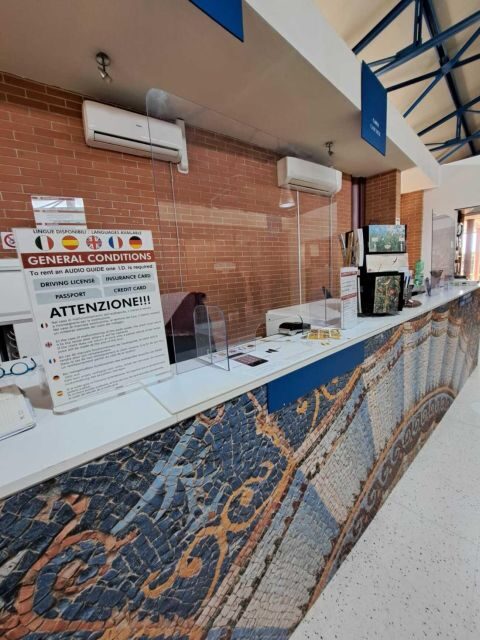
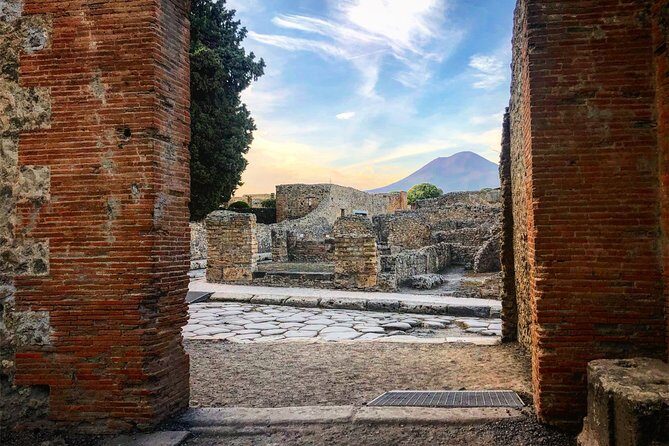
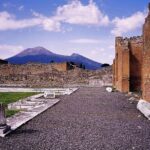
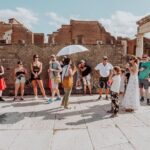
Your day starts at Scavi di Pompei (Viale delle Ginestre), and then you jump into the Archaeological Park with a guide/archaeologist. The route is designed to hit Pompeii’s big talking points while walking along key streets and public spaces.
Here’s what you can expect to see on the way:
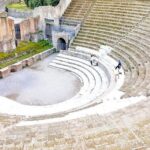
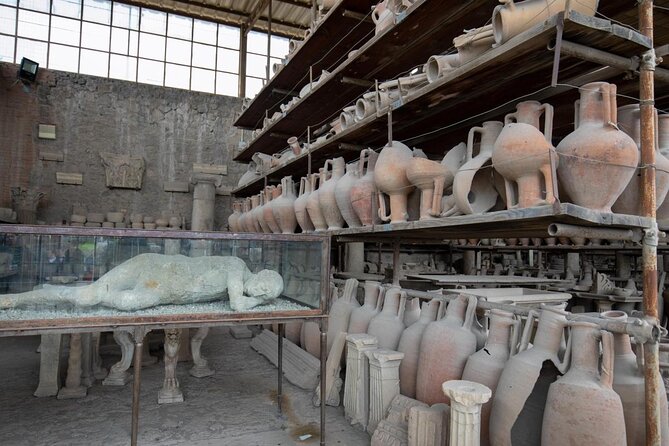
- The theaters: Pompeii’s entertainment spaces make it easier to picture daily life, not just architecture.
- Important houses with frescoes and decorations: even if you’ve seen photos, standing near the wall paintings helps you understand how carefully these spaces were meant to feel.
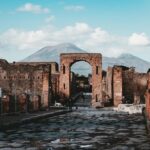
- Via dell’abbondanza and its shops/workshops: this is where Pompeii starts to look like a living commercial street.
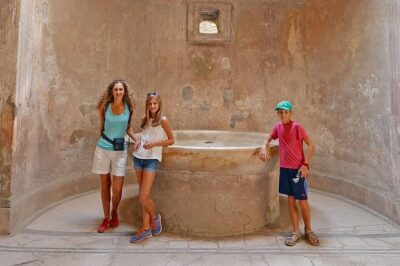
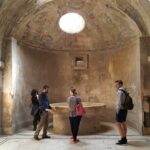
- The thermal baths: you get a strong sense of how bathing, social life, and routine worked.
- The brothel (the House of Pleasure): it’s a direct look at social reality, handled with context.
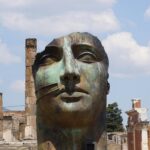
- Forum monuments + temples (Apollo, Jupiter) and the Basilica: this is the civic and religious core.
A big value in a guided walk like this is the “why.” Pompeii can be confusing fast—similar arches, similar walls, and lots of information scattered around. Guides featured in real groups I looked at included Clelia, Lucy, Carla, and Lello, and they’re praised for turning the ruins into a story you can follow.
Possible drawback: your Pompeii time is planned. That’s great for focus, but it means you shouldn’t count on roaming freely for extra hours right after the guide finishes unless you’ve already worked the timing in. One review noted that you can’t just return later without paying again, since the ticket is for a single entry.
The garden lunch at Giardini Balestrieri: views and real ingredient talk
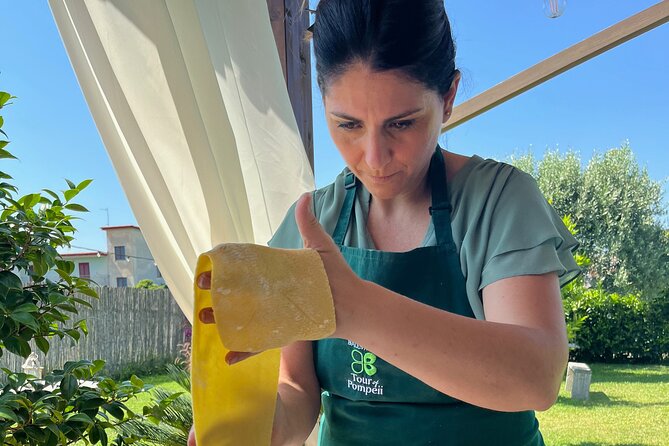
After the ruins, you head to a garden in the Pompeian countryside—Giardini Balestrieri. This part is more than “food after history.” It’s the reset the day needs: olive and citrus trees, open air, and views toward Vesuvius and the Lattari Mountains.
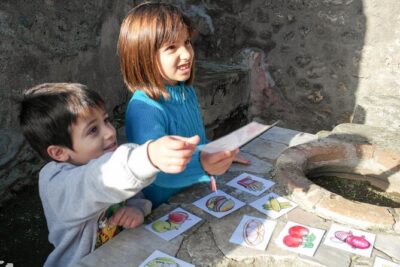
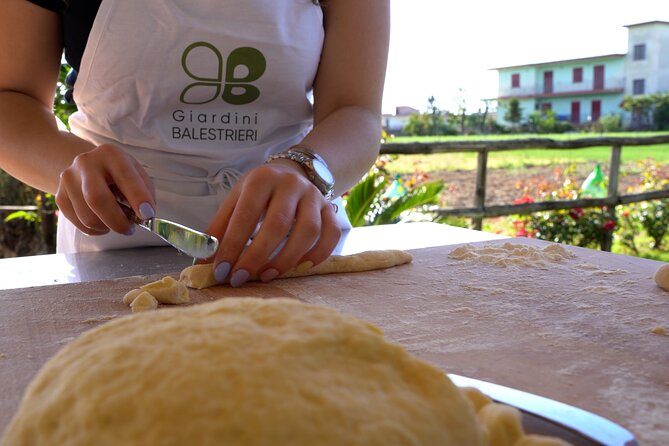
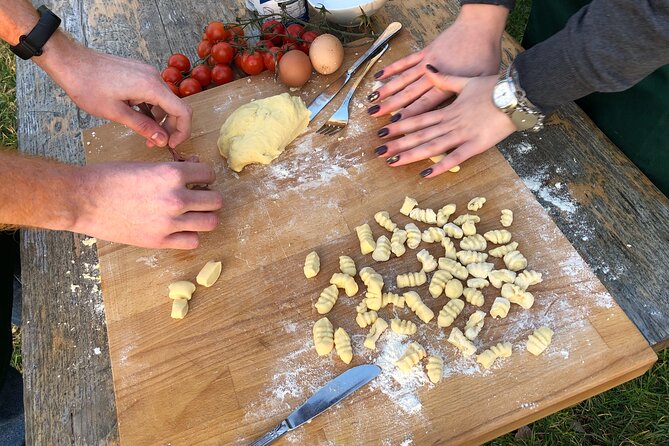
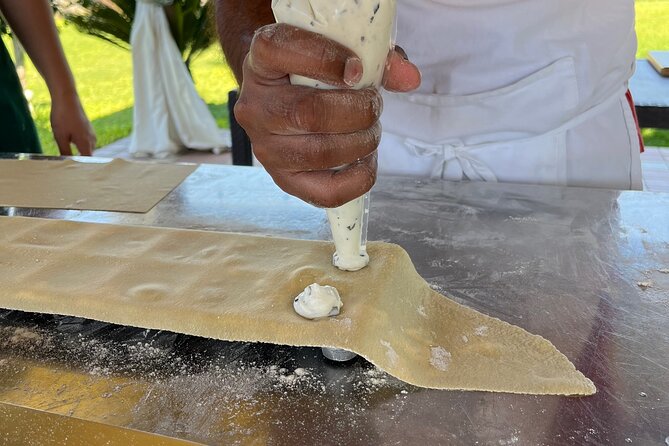
The cooking class is built around what you’ll eat. You’re shown how to prepare a typical dish from Campania tradition “from scratch,” and you use produce picked by hand from the garden. In the past, the menu has varied by group and timing—some days lean into ravioli, and other days focus on things like potato gnocchi.
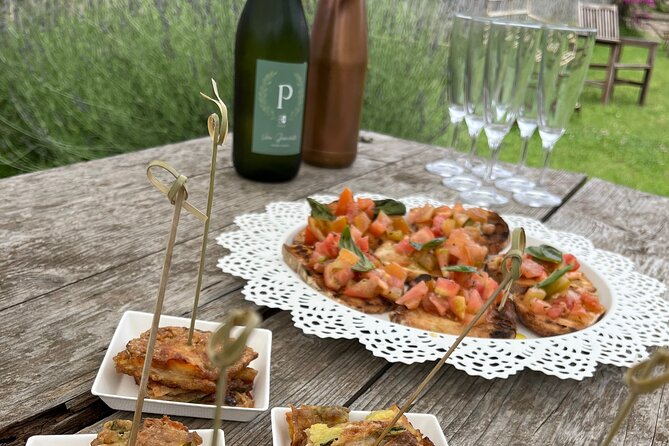
You’ll also get small “start-up” bites. One group experience described two types of bruschetta with fresh veggies from outside before pasta work begins. That’s a smart move on a schedule like this. After walking Pompeii for about two hours, you want your energy steady before you roll dough.
What you’ll likely do during the cooking class
Depending on the session, you can expect hands-on pasta work and some classic finishing steps. In real examples, people made their own pasta and then had it cooked by the host (often boiled) and served with simple, traditional flavors like butter and sage—or with fresh tomato sauce for gnocchi-style dishes.
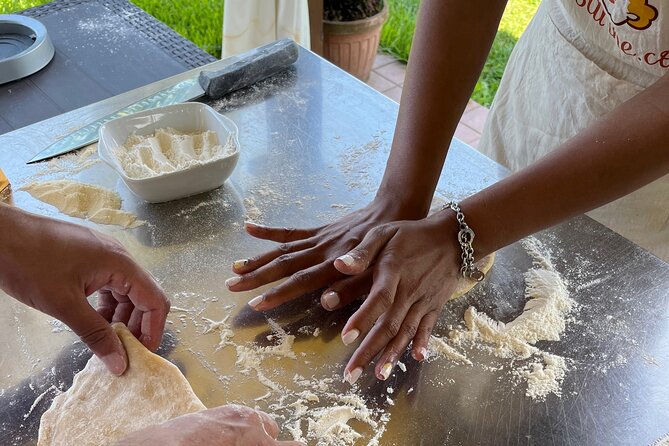
This is also where the class stays practical. You’re not just watching. You’re using tools, working with the filling, shaping pasta, and learning the technique well enough to appreciate what’s different about fresh dough versus dried pasta.
Wine, dessert, and that extra local touch
Food doesn’t happen in a vacuum here. You’ll have wine with lunch—one glass of Gragnano DOC wine is included—and water (still and sparkling) as well. Some groups also mention homemade limoncello and a strong emphasis on lemon desserts.
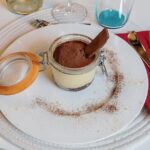
Dessert is included, and past sessions have included things like lemon cake and tiramisu. In plain terms: it’s a full meal experience, not a snack stop.

The private-group advantage: up to 10 people and more breathing room
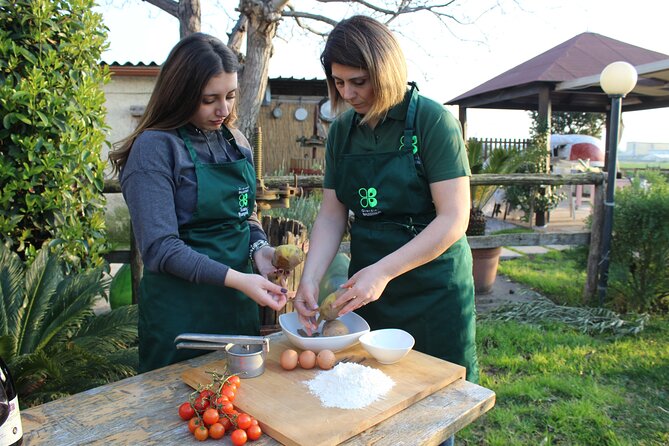
The tour is limited to a maximum of 10 travelers, and it’s run as a private experience with private transportation. That changes the whole feel.
In a larger group, Pompeii can turn into a slow train: stop, listen for a minute, shuffle forward, repeat. In a small group, you actually get to ask questions and adjust pace. One review shared that a slower walking pace was accommodated after a group member had a foot injury. That kind of flexibility is hard to get on a big, fixed-group schedule.
I also like that the guide role doesn’t feel like a scripted lecture. Guides in real groups I read about were clearly explaining things as you walk, including context around what you’re looking at. Names that came up include Clelia for Pompeii and Sabrina for the cooking segment.
Price and value: what you’re paying for (and what you’re not)
The price is $300.40 per person for the full experience. That sounds steep until you break down what’s covered.
What’s included:
- Private transportation
- Soda/pop still and sparkling water
- Dessert
- Lunch (or dinner, depending on the session)
- Alcoholic beverages: 1 glass of Gragnano DOC wine
What’s not included:
- Pompeii ruins entrance fee, about €20 per person
So you’re paying for a full guided history portion plus a full cooking-and-meal experience with instruction and included food. If your plan was simply to walk Pompeii with an audio app, you’ll likely spend less on your own. But you lose the “guided meaning,” and you miss the entire countryside food experience.
The value equation gets even better if you care about group comfort. The small group size and private logistics reduce the annoying parts of big tours: waiting around, being rushed, and not understanding what you’re looking at.
One consideration: it’s priced like an upgrade. If you’re traveling on a tight budget and happy with a self-guided Pompeii walk, you might prefer a cheaper option. If you want a day that feels personal and tied to local food culture, this is the kind of spend that can feel worth it.
Timing and logistics: how the day flows from start to finish
The tour runs about 5 to 6 hours. You start at Scavi di Pompei and end back at the meeting point.
A typical flow looks like this:
- A guided Pompeii segment of around two hours
- A countryside garden segment around three hours, centered on cooking and eating
Because Pompeii entry is separate, it’s smart to plan that moment early so the day doesn’t start with last-minute ticket scrambling. Once you’re inside, expect walking on uneven surfaces and lots of stopping for explanation.
Also, this tour is offered in English, and confirmation is received at booking.
What to bring so you enjoy it (instead of just surviving it)
Pompeii is outdoors and the ground is not always friendly underfoot. I’d treat this day like a walking tour with a cooking class bonus.
Bring:
- Comfortable, grippy shoes for stone paths
- Sun protection (hat/sunglasses/sunscreen), especially for the garden portion
- A light layer, since conditions can shift across the day
Since drinks are included (still and sparkling water, plus wine), you don’t need to haul bottles. But having your own water mindset helps if you run hot while walking.
If you’re the kind of person who likes photos, plan for that too. The garden views toward Vesuvius are an obvious photo moment, but you’ll also want some shots inside Pompeii—just be respectful where guides stop.
Who this Pompeii tour + pasta class is best for
This works best if you’re the kind of traveler who wants more than “I was there.” You want context while you walk, and then you want a hands-on payoff when you sit down to eat.
You’ll likely enjoy it if:
- You love history but don’t want to decode Pompeii by yourself
- You’re a food person and like learning techniques, not just eating
- You prefer small groups and more conversation time
- Your group values a mix of culture and gastronomy in one day
It also fits families and multi-generational groups fairly well, since it’s described as suitable for most travelers and includes private logistics that help keep things smooth.
Should you book it?
Yes, if you want a structured Pompeii visit plus a real cooking class that doesn’t feel like a staged tourist meal. The combination makes the day feel whole: you walk through the city’s public and private spaces, then you eat what you helped make in a countryside garden tied to the area’s ingredients.
Don’t book if:
- You’re on a tight budget and mainly want the cheapest way to see Pompeii
- You’re planning to spend lots of extra, unstructured time wandering after the guided segment
- You don’t enjoy cooking activities at all—this experience is hands-on, and that’s the point
If you do book, here’s my practical advice: come ready to walk, bring good shoes, and give yourself permission to trust the flow. This isn’t a “mark every corner” Pompeii day. It’s a focused one that ties ruins to table, and that’s a satisfying way to experience the Vesuvian side of Italy.
FAQ
How long is this Pompeii guided tour and pasta cooking experience?
The tour runs about 5 to 6 hours.
Is the Pompeii entrance ticket included in the price?
No. The Pompeii ruins entrance fee is about €20 per person and is not included.
What’s included with the cooking class lunch?
Lunch or dinner is included, along with dessert, soda/pop still and sparkling water, and 1 glass of Gragnano DOC wine.
Do I need to bring my own transportation?
No. Private transportation is included.
How many people are in the group?
The experience has a maximum of 10 travelers.
What language is the tour offered in?
The tour is offered in English.
Where does the tour start and end?
It starts at Scavi di Pompei, Viale delle Ginestre, 80045 Pompei NA, Italy and ends back at the meeting point.
When will I receive confirmation?
Confirmation is received at the time of booking.
Can I cancel and get a full refund?
Yes. Free cancellation is available up to 24 hours in advance for a full refund.
Are service animals allowed?
Yes, service animals are allowed.