REVIEW · POMPEI CAMPANIA
Pompeii, skip-the-line ticket with smartphone audio guide on App
Book on GetYourGuide →Operated by Angelo (Travelcampania) · Bookable on GetYourGuide
Pompeii makes you walk faster. This experience pairs skip-the-line express entry with a smartphone audio guide, so you can start exploring the Pompeii Archaeological Park without losing hours to queues. You’re free to set your own pace as you move through the ruined city—Roman forum, streets, and the dramatic backdrop of Mount Vesuvius.
I also like that the format is practical: you get a picture map and a guide in your pocket, so you can connect what you’re seeing to what you’re hearing. The one big thing to consider is the ID requirement. The info says you must bring identification documents, and there’s also a report that audio guide access involved handing over a passport—so decide in advance what you’re comfortable with.
In This Review
- Key Things to Know Before You Go
- Pompeii Skip-the-Line: What the Express Ticket Actually Gives You
- The Smart Way to Use a Self-Guided Day in Pompeii
- The Smartphone Audio Guide: Great Value, One Important Catch
- Pompeii Stops You’ll Care About Most (and Why)
- The Roman Forum and the Mount Vesuvius View
- Streets, Aqueduct Remains, and Public Water Life
- Public Baths, Houses, Businesses, and Statues
- Amphitheater and Theaters: Built for Spectacle
- Colorful Fresco Remains and the Emotional Punch of Detail
- Practicalities That Make or Break Your Day
- Price and Value: Is $40 Worth It?
- Who This Experience Fits Best
- Should You Book This Pompeii Experience?
- FAQ
- FAQ
- How long is the Pompeii ticket valid?
- Where do I meet for this activity?
- What’s included with the ticket?
- What isn’t included?
- What do I need to bring?
- What items are not allowed in the park?
- Do I need identification documents?
- What languages are available for the audio guide and host?
- Is it possible to cancel or pay later?
Key Things to Know Before You Go

- Express admission helps you bypass the entrance line and get into the park sooner.
- Smartphone audio guide gives context as you wander—no need to stick with a group.
- Self-guided ruins mean you choose your route and timing inside the park for 1 day.
- Forum to amphitheater route covers the major “wow” zones: public spaces, houses, and theaters.
- Bring hiking shoes and a water bottle, since you’ll be walking the park on foot.
- No large bags or luggage keeps things simpler, but plan to travel light.
Pompeii Skip-the-Line: What the Express Ticket Actually Gives You
The headline benefit here is straightforward: you get priority access to Pompeii Archaeological Park. That matters because Pompeii can be slow at peak times—one slow entry and your whole day feels compressed. With an express ticket, you’re trying to protect your time so you can spend it where it counts: in the streets, forum, and public buildings that still feel shockingly human.
You’ll start at the Wellcome box and end back there when you’re done. The ticket is valid for 1 day, and you’ll choose from starting times based on availability. That means you can plan a morning start if you want cooler temperatures and fewer crowd vibes, or go later if your day’s schedule needs it.
The included picture map is a nice extra. It’s not a replacement for the audio guide, but it helps you keep your bearings when you’re moving between areas of the site.
If you're still narrowing it down, here are other tours in Pompei Campania we've reviewed.


The Smart Way to Use a Self-Guided Day in Pompeii
This is not a “watch-and-follow” guided tour. It’s a do-it-yourself walk through a huge archaeological park, supported by an audio guide. That’s a plus if you like control. It’s also a reality check: Pompeii rewards a plan, even when you don’t have a group directing you.
Here’s a practical route logic based on what you’ll be able to see:
- Begin with the Roman forum area, since it sets the tone for the city’s public life.
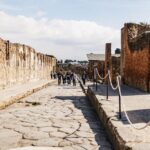
- Move through the main streets and look for the aqueduct remains and fountains—water infrastructure is one of the ways Pompeii feels organized, not just ruined.
- Branch toward public baths and the surrounding civic spaces, then continue on to private houses and businesses.
- Keep an eye out for statues and the remains of street-level everyday life.
- Finish with the big spectator venues: the amphitheater and dramatic theaters.
Why this order works: it keeps you progressing from the city’s public core to residential and commercial spaces, then ends with places designed for crowd energy—amphitheater and theaters—so your day builds to a fitting climax.
The Smartphone Audio Guide: Great Value, One Important Catch

Having history in your hand is one of the best ways to enjoy Pompeii. The audio guide is included, and it’s designed to help you understand what you’re looking at as you walk. You’ll learn about buildings and what they were for, plus you’ll get guidance that makes the ruins feel like a functioning city rather than disconnected stones.
In your pocket, an audio guide is also efficient. You can stop when something grabs you—like a specific wall or space—then move on when you’re ready. If you’re the type who likes to linger, it’s a lot easier with guided context than trying to figure everything out on your own.
Now the consideration: the experience requires identification documents, and there’s a reported issue where audio guide access reportedly involved leaving a passport. If you’d rather not hand over your passport, think through alternatives before you go (for example, whether you’re traveling with other forms of ID you’re willing to provide). This single detail can turn a great day into a stressful one.
Pompeii Stops You’ll Care About Most (and Why)

Pompeii Archaeological Park is massive. The trick is knowing which features are worth your attention because they connect to the story of the city. Here are the main areas you can expect to explore, and what makes each one worth time.
The Roman Forum and the Mount Vesuvius View
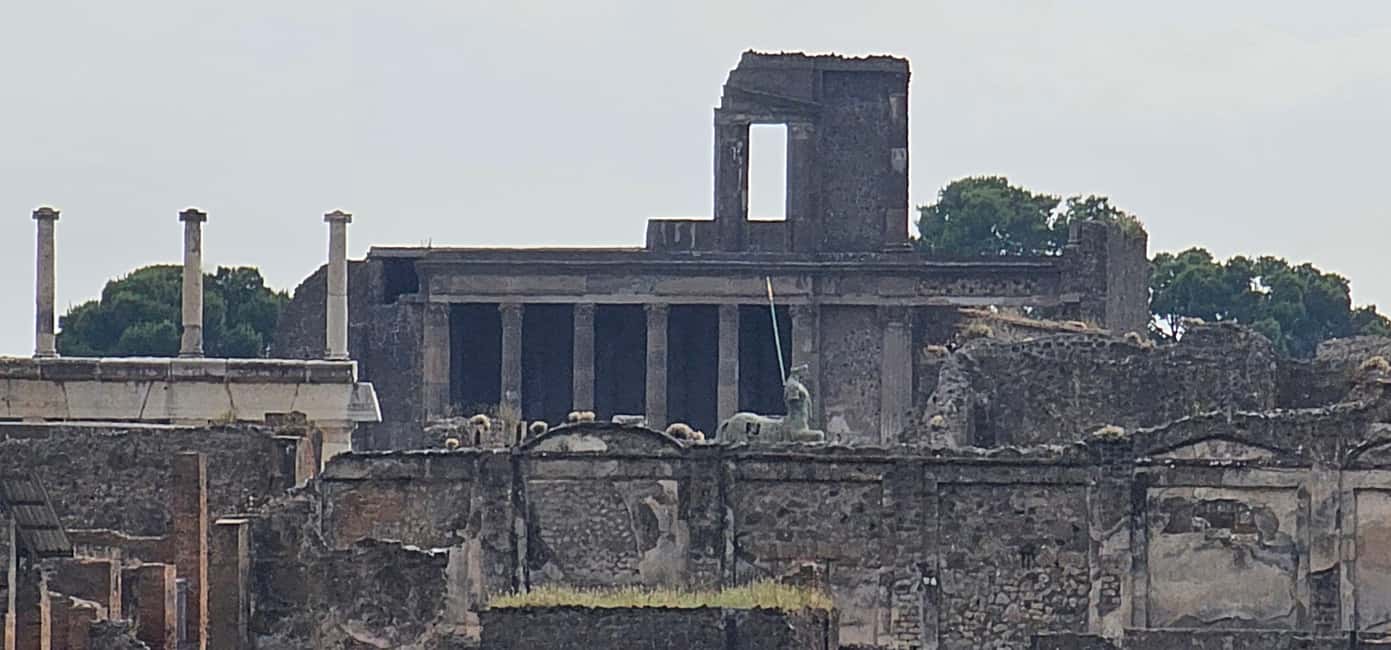
You’ll walk through the Roman forum and then enjoy the surrounding setting with Mount Vesuvius in the background. The forum is where civic life happened—so it’s a strong starting point. Seeing Vesuvius in the same view is what makes Pompeii feel especially intense. It’s the reminder that this wasn’t just a distant historical ruin; it’s a city frozen in a single moment.
Practical note: don’t rush this zone. Even if you only listen to part of the audio guide here, it helps you read the space.



Streets, Aqueduct Remains, and Public Water Life
As you stroll through the streets, you’ll encounter remains of the aqueduct and fountains. Pompeii’s water system is part engineering, part daily life. It’s also a clue to why the city worked as a city—people didn’t live on vibes; they lived on infrastructure.
This is a good area to slow down because you’ll likely see structural details that are easier to understand with the audio guide in play.
Public Baths, Houses, Businesses, and Statues
One reason Pompeii works so well for self-guided visitors is variety. You’re not only looking at “temples.” You can move past public baths, private houses, businesses, and statues. That mix means you’re seeing different social layers: civic routines, home life, and commerce.
If you like the human side of history, this is where Pompeii tends to click. The ruins aren’t just dramatic. They’re specific. You can look at the shapes of rooms and imagine how people used them.
Amphitheater and Theaters: Built for Spectacle
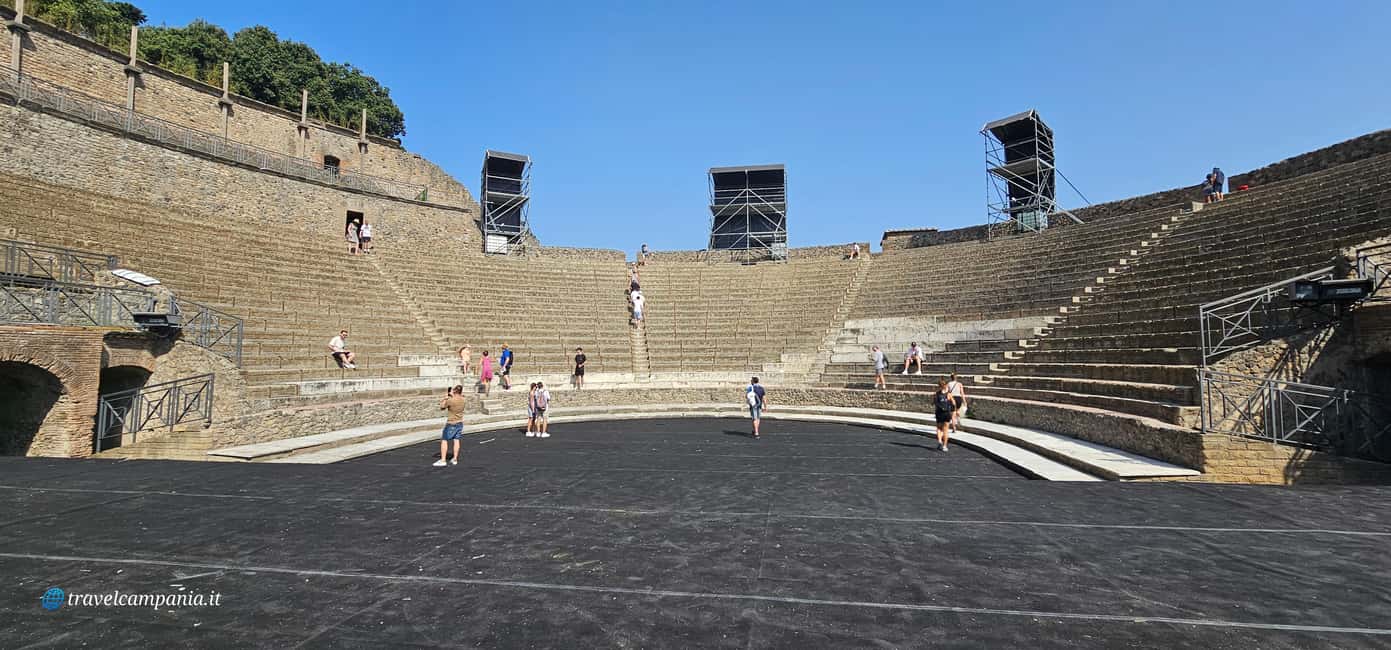
You’ll also get to see the amphitheater and dramatic theaters, both once packed with spectators. These spaces are designed for sound and visibility, so they’re a helpful way to understand what kind of city Pompeii was. It wasn’t only about work and shopping. It was also about entertainment and public gatherings.
If you want a “wow” payoff at the end of your day, build your route so you still have energy for these.
Colorful Fresco Remains and the Emotional Punch of Detail
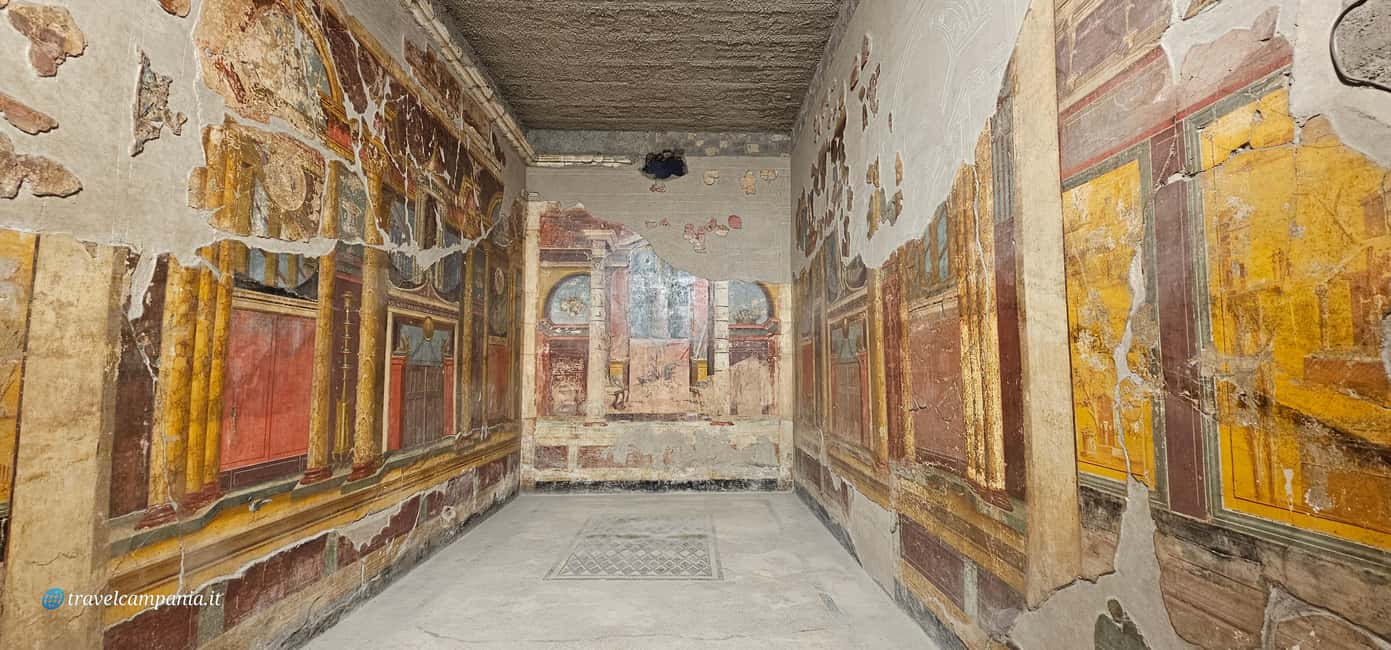
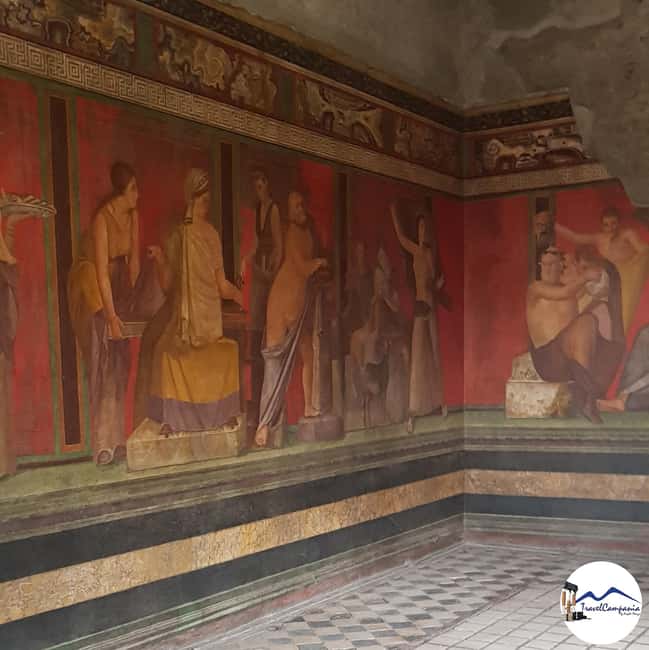
Pompeii is famous for preserved wall paintings, and here you’ll see what remains of colorful frescoes in houses and businesses. Even when parts are missing, fresco fragments add emotion to the ruins. It shifts the feeling from ruins to lives.
Use the audio guide here. It helps translate what you’re seeing into “what it might have meant to the people living there.”
Practicalities That Make or Break Your Day

Pompeii is a walking experience. To keep it comfortable, plan around the rules and what the site demands.
Bring:
- Hiking shoes
- A reusable water bottle
Avoid:
- Luggage or large bags
- Drones
- Pets (assistance dogs are allowed)
- Alcohol and drugs
Why this matters: large bags slow you down and can create friction at entry points. Pompeii already feels like a lot to manage—small travel choices help you stay in the zone.
Language support is Italian and English, and the host/greeter is described as Italian/English as well. That’s useful if you need clarification at the start at the Wellcome box.
Wheelchair accessibility is listed, which is encouraging. Since the park includes outdoor walking areas, you’ll still want to think about comfort and mobility in real life, not just on paper.
Price and Value: Is $40 Worth It?
The price is $40 per person, and the package includes express entry plus a smartphone audio guide and a picture map.
So when is it good value?
- If you strongly prefer skipping the entrance line, this can save time that you’d otherwise lose.
- If you’ll actually use the audio guide, the included narration can make your self-guided walk far more meaningful.
- If you like having your context ready before you step into the ruins, it reduces the mental load of figuring things out.
When might it feel expensive?
- If you’re mostly there for general wandering and you don’t plan to use the guide much.
- If you’re comparing the add-on price to buying just entry tickets on your own. One reported experience flagged that the paid package price was much higher than the on-site option and left the person with frustration rather than value.
My practical take: for many people, express entry plus an audio guide is a smart combo. For anyone who hates the idea of extra processing at access points (especially around ID needs for the audio guide), it’s worth thinking carefully.
Who This Experience Fits Best
This works well if you:
- Want to explore at your own pace without being tied to a rigid group schedule.
- Like learning as you walk, using a smartphone audio guide.
- Value efficient entry enough to pay for priority admission.
It may be less ideal if you:
- Don’t want any dependence on handing over identification documents for guide access.
- Prefer a purely offline experience with zero phone-based requirements.
- Want a tightly managed, step-by-step guided itinerary (this is self-guided inside the park).
Should You Book This Pompeii Experience?
Book it if you want faster entry and you’ll genuinely use the smartphone audio guide to understand what you’re seeing in the forum, baths, houses, and theaters. The combination of express access and on-the-spot narration is what can turn a long day of ruins into a connected story.
Think twice if you’re uncomfortable with the ID requirement—especially if you’d rather not provide a passport for audio guide access. That one factor can outweigh the time savings.
If you’re flexible and prepared, this is a solid way to experience Pompeii without fighting for entry, while still having the freedom to wander.
FAQ

FAQ
How long is the Pompeii ticket valid?
The ticket is valid for 1 day. Starting times depend on availability.
Where do I meet for this activity?
The meeting point is the Wellcome box, and the activity ends back at the meeting point.
What’s included with the ticket?
You get priority entry with an Express ticket to Pompeii Archaeological Park, a smartphone audio guide, and a picture map of the city.
What isn’t included?
Pickup and return to your hotel are not included. Drinks and food are also not included.
What do I need to bring?
Bring hiking shoes and a reusable water bottle.
What items are not allowed in the park?
Luggage or large bags are not allowed. Drones are not allowed. Pets are not allowed (assistance dogs are allowed). Alcohol and drugs are also not allowed.
Do I need identification documents?
Yes. This visit requires identification documents, and you must provide the full name and age of all participants.
What languages are available for the audio guide and host?
Italian and English are available for the host/greeter and the experience.
Is it possible to cancel or pay later?
Free cancellation is offered up to 24 hours in advance for a full refund. There’s also a reserve now & pay later option.