REVIEW · POMPEI CAMPANIA
From Herculaneum to Pompeii: Audioguides + Entrance Tickets
Book on GetYourGuide →Operated by Tempio Travel Pompei Tickets · Bookable on GetYourGuide
Herculaneum and Pompeii, in one day, your way. This Herculaneum-to-Pompeii experience gives you an audioguide and entrance tickets so you can move at your own pace across two major archaeological sites. You start at Herculaneum, then head to Pompeii, with the narration keeping you pointed toward what to notice.
I like two things right away. First, the entry is handled for you with entrance tickets included, and you even use a separate entrance to help you avoid long ticket lines. Second, the audio is built for self-guided wandering, with a device and a map in the mix so you can stay independent instead of waiting around for a group.
One consideration: the experience relies on you picking up two audioguides during the day. A past review flagged that the second pickup point in Pompeii wasn’t clearly explained, which can cost time once the site gets busy and spread out.
In This Review
- Key highlights to know before you go
- Why this one-day Herculaneum + Pompeii audio plan can work well
- What’s included (and what you’ll need to bring) at a glance
- Starting at Herculaneum: the Audioguide Desk is your first mission
- Getting from Herculaneum to Pompeii by train (Circumvesuviana toward Sorrento)
- Pompeii on your own: where you need to focus your time
- How the audioguide narration works (and how to get more from it)
- Entrance tickets and the separate entrance: saving time in real life
- The missing piece: Villa dei Misteri access is not included
- Price and value: is $66.84 per person fair for this setup?
- Who this self-guided audioguide day is best for
- Practical tips so your day feels smooth
- Should you book this Herculaneum to Pompeii audioguide day?
- FAQ
- How long is the Herculaneum to Pompeii audioguide experience?
- Are entrance tickets included for both sites?
- Do I get an audioguide device?
- Are earphones included?
- Can I access Villa dei Misteri?
- What languages are available for the audio guide?
- Is the experience wheelchair accessible?
Key highlights to know before you go
- Two sites, one ticket-and-audio setup: Herculaneum first, then Pompeii
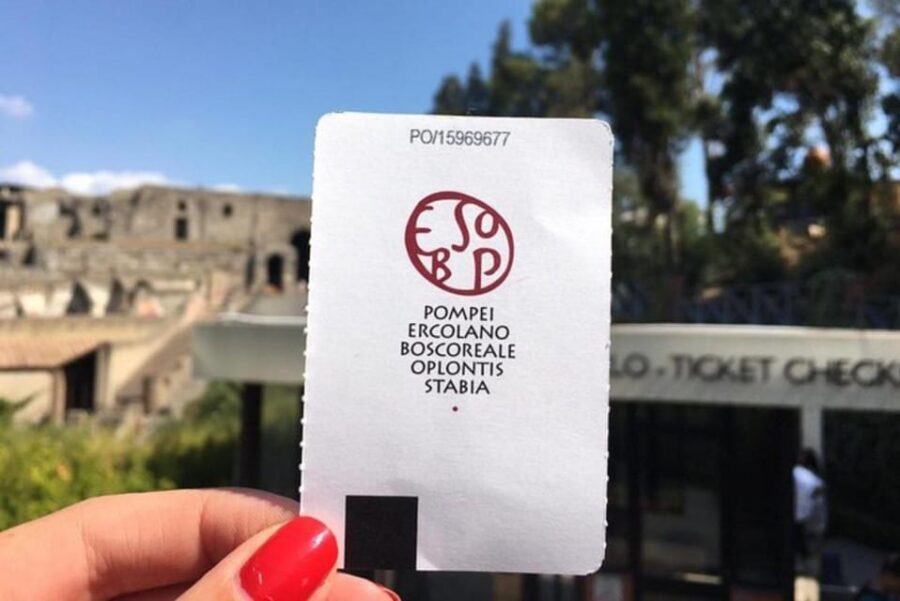
- Skip-the-line approach: entrance tickets included and a separate entrance
- Audio in multiple languages: English, Italian, French, Spanish, German
- Self-guided pacing: you control how long you stay in each area
- Map + device included: fewer moments of guesswork while you walk
- Villa dei Misteri not included: plan your route with that limitation in mind
Why this one-day Herculaneum + Pompeii audio plan can work well
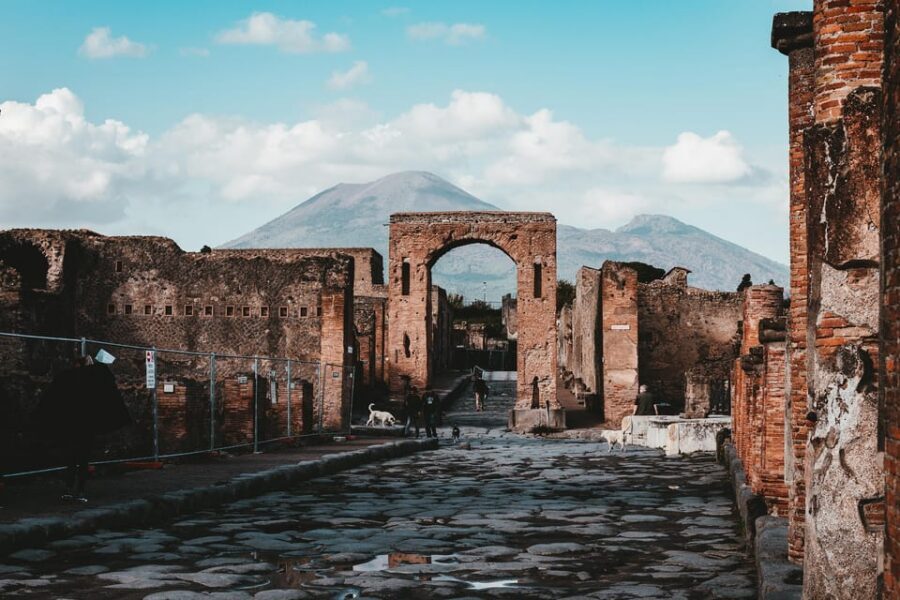
If you want both Herculaneum and Pompeii but you also want flexibility, this is the kind of trip that fits. You’re not stuck with a set walking pace or a rigid order of stops. Instead, you’re given an audioguide device and you explore the sites in your own rhythm.
That freedom matters because archaeological parks are big and uneven. You’ll naturally slow down where something catches your eye, then speed up when you’re just walking to the next cluster. A self-guided setup also helps if you’re the type who likes to re-read the same spot twice, or if you want to linger without feeling guilty.
The other reason this works: the logistics are simplified. Entrance tickets are included, and the day is designed around the idea that you’ll be able to get into both sites without wasting time at the ticket desk. For a 7-hour window, that’s not a small thing.
Other Herculaneum tours and tickets
What’s included (and what you’ll need to bring) at a glance
This experience includes the essentials you’ll actually use on-site:
- Entrance ticket(s)
- Audioguide device
- Map
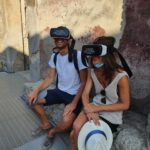
You’ll need to plan for what’s not included. Earphones are not provided, so bring your own. If you forget, you’ll still have the device, but you may have to rely on awkward alternatives. I strongly suggest small earbuds you know work with your phone or that you can plug into the audioguide as needed.
Also, bring comfortable shoes. That sounds basic, but it’s the main practical choice that affects your whole day. You’ll spend hours walking across uneven ground and moving between areas.
Finally, you’ll want ID. The experience lists passport or ID card as required, so keep it with you from start to finish.
Starting at Herculaneum: the Audioguide Desk is your first mission
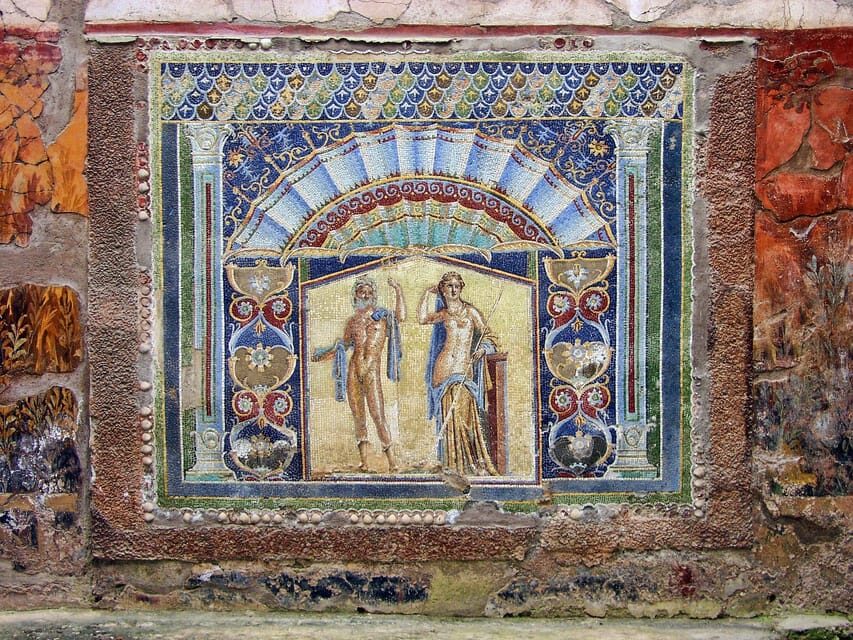
The day starts at the Herculaneum entrance. Your job is simple but important: look for the Audioguide Desk.
Once you have the device, you can start exploring on your own at Herculaneum, using the audio commentary to guide you through the highlights. The big win here is psychological: instead of arriving and immediately wondering where to begin, you get a clear first step. That helps you get your bearings fast.
One practical tip: when you pick up the device, take a minute to confirm you have the correct audioguide for the Herculaneum portion and that it’s charged/ready. That way you don’t lose time later while you’re standing around trying to troubleshoot.
This is also where self-guided touring shines. If the first area feels like a quick overview, you can move on. If something is pulling your attention, you can pause without worrying about the group.
Getting from Herculaneum to Pompeii by train (Circumvesuviana toward Sorrento)
You don’t have to transfer with a bus or taxi. The experience notes that Pompeii is easy to reach from Herculaneum by train using the Circumvesuviana line, direction Sorrento.
That’s useful info because it’s concrete: you’re not guessing how to connect between the sites. Still, you should plan with real-world time in mind. Trains can add stress when you’re working under a day schedule.
My advice: build in a buffer for station walking time and getting oriented once you arrive. The tour is 7 hours total, and the day includes both site time and transit. If you’re hoping to see a lot, you’ll want to treat the train segment like part of the experience, not a side detail.
Pompeii on your own: where you need to focus your time
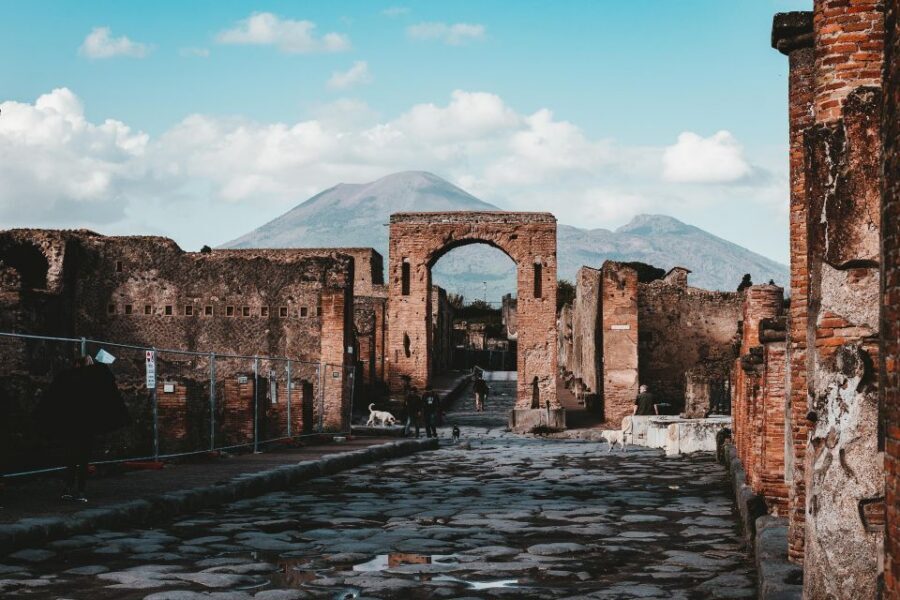
After you travel, you visit Pompeii on your own the same way: you use the audioguide commentary while you walk through the highlights of the park.
Here’s the consideration you should take seriously from the past experience feedback: one reviewer reported trouble finding the second audioguide pickup in Pompeii. The place to get the first audio at Herculaneum was clearly indicated, but the second pickup wasn’t as obvious for the Pompeii portion, even though Pompeii is large.
So what should you do with that? Be proactive:
- When you arrive at Pompeii, don’t assume the pickup spot is easy to spot from the entrance.
- Give yourself extra minutes at the start of the Pompeii visit to locate the proper audioguide desk before you settle into sightseeing.
- If you see staff or an information point, ask specifically where to retrieve the Pompeii audioguide device.
This is one of those cases where small planning prevents wasted time later.
A few more Pompei Campania tours and experiences worth a look



How the audioguide narration works (and how to get more from it)
The audioguide device covers highlights at both sites and is available in English, Italian, French, Spanish, and German. That language flexibility matters if you’re traveling as a couple or small group with mixed preferences.
You’ll also get a map, which is the best companion for audio. Audio describes what you should notice, but the map helps you figure out where you are when the park layout feels confusing.
That said, there are two narration-style drawbacks worth knowing. One review noted that some explanations use technical terms without enough plain-language support. For example, the reviewer mentioned terms like atrium being used without a clear explanation for people who don’t have an architecture background from 2,000 years ago.
A second issue from the same review: some landmarks referenced in the audio may change as conservation work continues. The reviewer pointed out that audio cues referencing barriers or landmarks that no longer match what you see can be frustrating.
Here’s how you can solve both issues without changing the tour. Stay flexible. If the audio mentions a term you don’t fully grasp, treat it as a clue to look at rather than a test you must pass. And if a landmark cue seems off, just use the map and keep walking to the next audio point. You’ll still get value from hearing the commentary even when the visuals evolve.
Entrance tickets and the separate entrance: saving time in real life
This experience includes entrance tickets and notes a skip-the-line setup via a separate entrance.
That matters because Herculaneum and Pompeii can get line-heavy at popular hours. When you’re trying to do both parks in a single day, the margin for delays is slim. The separate entrance approach is meant to protect your time and keep you moving.
Also, because the day is self-guided, the biggest “time costs” are usually moments where you have to stop to sort out tickets, devices, or directions. By including tickets and providing a device desk setup, this experience tries to reduce those friction points.
Just remember: even with skip-the-line access, you still have the human factor. Expect some waiting at the very beginning while devices are handed out and directions are clarified.
The missing piece: Villa dei Misteri access is not included
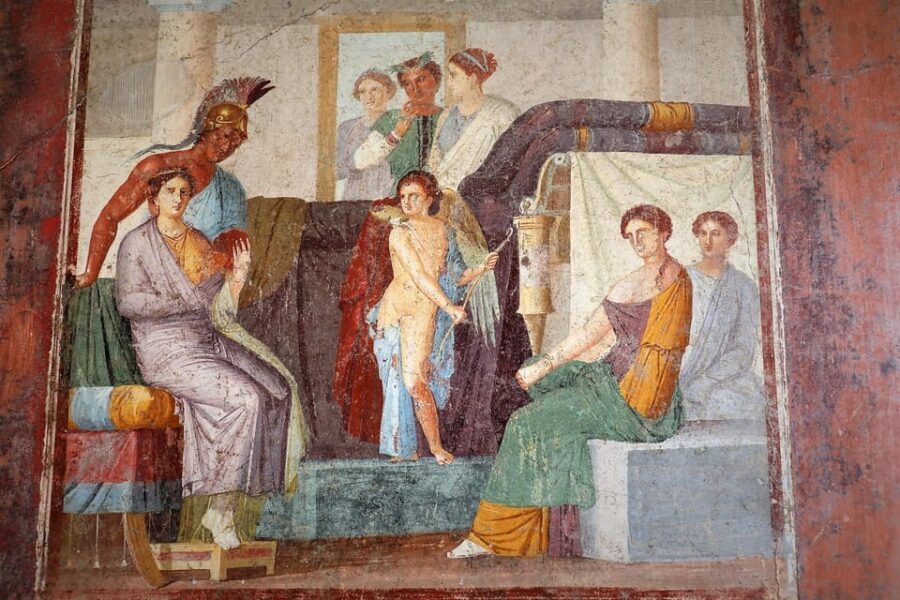
Not all areas are covered. The experience explicitly states that access to the Villa dei Misteri area is not included.
If your must-see list includes that specific area, this matters a lot. You’ll want to decide in advance whether missing it is a deal-breaker or whether you’re happy focusing on other highlights covered by the audio route.
This is also a time-management clue. When you have only 7 hours, it helps to aim at what you can access. The worst plan is to spend your energy chasing a place you won’t be able to enter.
Price and value: is $66.84 per person fair for this setup?
At $66.84 per person, you’re paying for a packaged day: entrance tickets, an audioguide device, and a map, plus a designed flow between Herculaneum and Pompeii.
The value depends on what you’d otherwise pay if you planned it alone:
- You’d likely buy two separate entrance tickets.
- You’d likely arrange your own audioguides (or audio on your phone).
- You’d spend time figuring out where to access each site efficiently and how to move between them.
This package reduces the planning load. It also saves the hassle of discovering what’s included only after you arrive. That’s a real value for a single-day itinerary.
Where the value gets less perfect: because this is self-guided, any confusion about pickup locations (especially in Pompeii) can eat into your “payoff time.” The audio is the core feature, so if you’re delayed locating the right device desk, you might feel like the experience didn’t match your expectations.
Still, for many visitors, the combination of tickets + audioguide + separate entrance is a straightforward bargain for a day that covers both sites.
Who this self-guided audioguide day is best for
This fits best if you:
- Want independence and pace control, not a guided group march
- Appreciate audio commentary while you walk ruins at your own speed
- Prefer to handle your own sightseeing decisions
- Are comfortable navigating large sites and using a map
- Are okay with missing Villa dei Misteri access
It might not fit as well if you:
- Get stressed by finding desks in big, busy places
- Need very clear, step-by-step signage for every transfer
- Want an expert guide to explain architectural terms in plain language
Wheelchair accessibility is listed, so the experience is positioned as usable for people with mobility needs. That said, since archaeological parks have surfaces that vary, it’s smart to consider your own comfort level with outdoor walking.
Practical tips so your day feels smooth
Here are the small things that make the biggest difference with this kind of audio-based plan:
- Bring earphones. They’re not included.
- Wear shoes you’d happily walk in for hours.
- At Herculaneum, find the Audioguide Desk immediately and confirm you’ve got what you need.
- At Pompeii, give yourself extra minutes to locate the second audioguide pickup point. This is the spot where time can slip.
- If an audio landmark cue seems outdated due to conservation changes, switch to the map and keep moving to the next point.
- Plan your priorities before you go. With two sites in one day, you’re choosing what matters most.
Should you book this Herculaneum to Pompeii audioguide day?
If your goal is to see both Herculaneum and Pompeii in one day without booking a full guided tour, this is a solid pick. The package is strong on the basics: tickets included, audioguide device included, map included, and a separate entrance designed to reduce line time. The audio itself is described as complete and interesting, which is exactly what you want when you’re touring on your own.
I’d book it if you’re comfortable taking charge of your route and you’ll plan for a bit of “find the desk” time—especially in Pompeii. I would think twice if Villa dei Misteri is a must for you, or if you rely heavily on very clear signage and don’t want to lose any time troubleshooting pickup locations.
Bottom line: for many people, this hits the sweet spot of value and flexibility. Just go in expecting self-guided navigation, and you’ll get more out of the audio than you’ll regret.
FAQ
How long is the Herculaneum to Pompeii audioguide experience?
It’s listed as 7 hours. Exact starting times depend on availability.
Are entrance tickets included for both sites?
Yes. Entrance tickets are included so you don’t have to wait long at the entrance.
Do I get an audioguide device?
Yes. The audioguide device is included.
Are earphones included?
No. Earphones are not included, so you’ll want to bring your own.
Can I access Villa dei Misteri?
No. Access to the Villa dei Misteri area is not included.
What languages are available for the audio guide?
The audio guide is available in English, Italian, French, Spanish, and German.
Is the experience wheelchair accessible?
Yes. Wheelchair accessibility is listed.