REVIEW · POMPEI CAMPANIA
Pompeii: Skip-the-Line Ticket with Audio Guide and Map
Book on GetYourGuide →Operated by VISITING CAMPANIA S.R.L. · Bookable on GetYourGuide
Pompeii can feel like a maze on day one. This skip-the-line Pompeii ticket turns that big, busy site into a manageable walk with an audio guide and updated map. You get to move at your own rhythm, spend extra time on the parts that grab you, and still cover the essentials without guessing.
I like that the format is low-stress: you’re not stuck waiting around for a group pace. And I really appreciate that the audio guide is multi-language, so it’s easier to follow even if you’re traveling with someone whose Roman history knowledge is… rusty. One thing to consider: Pompeii is very large (66 hectares) and the walk adds up fast, so plan for serious walking and bring water.
Pompeii’s appeal is simple: you’re walking through a real Roman city, frozen at the moment of disaster. With the right self-paced setup, you can make that experience feel clear instead of overwhelming.
In This Review
- Key things to know before you go
- Skip-the-Line Entry: When It Matters at Pompeii
- Audio Guide and Updated Map: How to Actually Use Them
- A 1-Day Pompeii Game Plan That Works Without Stress
- Entering Pompeii: Start With Shoes, Water, and Realistic Pace
- Domus and Frescoes: See the Houses Beyond the Doorway
- Baths, Temples, and Daily Roman Life You Can Walk Through
- Theaters and Brothels: A Side of Pompeii People Forget
- The Victims’ Casts: Why This Stop Hits Hard
- The Amphitheater: Finish With a Big Roman Space
- What to Bring (and What to Skip) for an Easy Day
- Price and Value: Is $44 a Good Deal?
- Who This Pompeii Ticket Suits Best
- Should You Book This Pompeii Skip-the-Line Ticket?
- FAQ
- How long do I have with the Pompeii skip-the-line ticket?
- What’s included with this ticket?
- Is food and drinks included?
- What languages are available for the audio guide?
- Where is the host or greeter language support?
- What should I bring to Pompeii?
- Are luggage or large bags allowed?
- Is this suitable for people with mobility impairments?
- Is there free cancellation?
Key things to know before you go
- Skip-the-line entry helps you start exploring sooner, especially during busier hours
- Audio guide + updated map means you can focus on sights instead of wandering in circles
- A 1-day ticket is long enough to hit major highlights if you keep a steady pace
- Bring water and comfort because Pompeii’s heat and walking are the real challenge
- Plan for no large bags so you’re not dealing with awkward storage lines
Skip-the-Line Entry: When It Matters at Pompeii
The smart part of this ticket is the skip-the-line angle. Pompeii is a high-demand site, with around 3 million visitors per year. Even if you arrive at a decent hour, lines and ticket friction can still steal time from your day.
What you’re buying is not magic. It’s time. And at Pompeii, that’s everything, because the site covers about 66 hectares. If you lose even 30–60 minutes at the wrong moment, you can end up rushed later trying to cram in the amphitheater, the casts, and the best-preserved neighborhood blocks.
So here’s the practical takeaway: use your saved time wisely. Don’t just sprint to the most famous stop. Start with a steady route, let the audio guide help you place what you’re seeing, and then slow down when you hit the sights that click.
Other skip-the-line Pompeii tickets and tours


Audio Guide and Updated Map: How to Actually Use Them
This experience includes an audio guide and an updated map, designed to help you connect street-level ruins to what you’re looking at. That matters more than people think, because Pompeii is spread out. You can stand in front of a doorway, a wall painting, or a bath complex and still miss what makes it important.
The audio guide covers major Pompeii themes, with languages including English, Chinese, French, Italian, German, Hebrew, Russian, Spanish, and Portuguese. That’s great for mixed-language groups, and it also means you’re less dependent on finding someone onsite who can explain everything in real time.
A quick advice from how this kind of setup tends to work in the real world: treat the audio guide like your compass, not your script. If you pause for photos or just linger in a domus (house), keep going when you’re ready. Don’t force a “perfect” sequence. Pompeii rewards curiosity, as long as you occasionally check the map so you don’t drift into the wrong zone.
One caution to keep in mind: the map is helpful, but some sections can still feel tricky to match on the ground. If signs seem unclear when you arrive, take a minute at major crossroads to confirm where you are before moving deeper into a cluster of streets.
A 1-Day Pompeii Game Plan That Works Without Stress
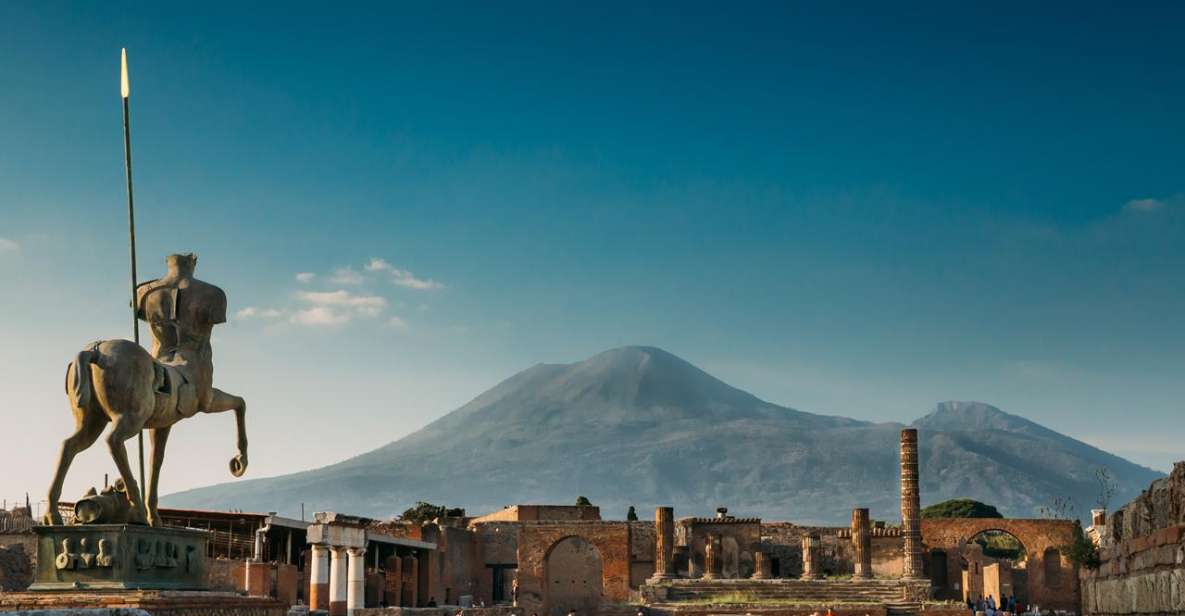
This ticket is valid for 1 day, so you’ll want a route that covers the key Pompeii story: daily Roman life, public entertainment, and the final, heartbreaking evidence of the eruption.
Because the exact order of stops isn’t forced on you, you’ll get the most out of it if you pick a direction and stick with it. Think in zones. Start near the entrance areas, follow the map through the core streets, and then work toward the bigger set pieces like the amphitheater and the victim casts.
I like to plan days like this with two rules:
- Rule one: never leave without water. Pompeii’s sun and walking aren’t gentle.
- Rule two: give yourself margin. If one domus holds your attention, you don’t want to feel guilty. Just keep moving when you’re ready so the big highlights don’t get squeezed out.
With a solid pace, you can cover Pompeii’s biggest hits and still enjoy them. If you slow down a lot for photos or fresco details, plan to spend most of your day inside the main archaeological area.
Entering Pompeii: Start With Shoes, Water, and Realistic Pace
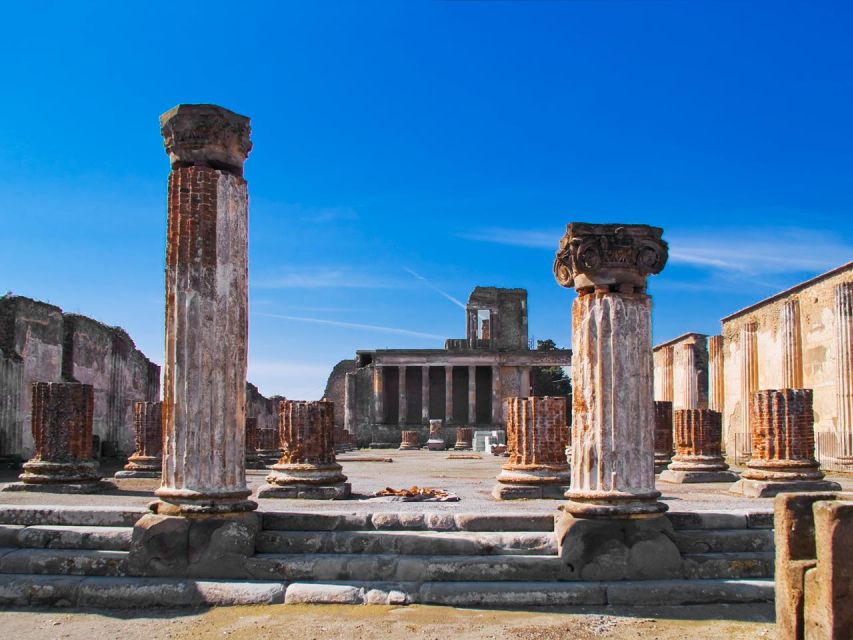
Once you’re inside, Pompeii starts throwing choices at you fast: streets, openings, ruins within ruins. This is where you’ll feel whether your day plan is realistic.
Here’s what helps immediately:
- Wear comfortable shoes you can walk in for hours
- Bring a hat and sunscreen
- Bring water (and plan to drink, not just carry it)
Pompeii isn’t the kind of place where you can rely on finding an easy meal at the exact moment hunger hits. Food is not included in the ticket, so you’ll either need to time your breaks or accept that you might have to walk a bit to locate places to eat. If a snack isn’t nearby when you want it, you’ll thank yourself for having water ready.
Also note a practical constraint: luggage or large bags are not allowed. If you’re traveling with bulky items, sort your packing before you go. Smaller essentials are the move.
Domus and Frescoes: See the Houses Beyond the Doorway
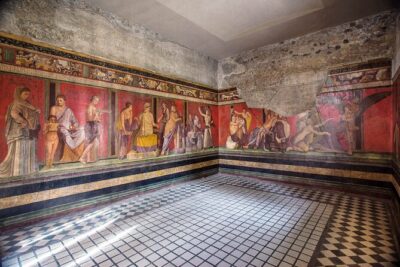
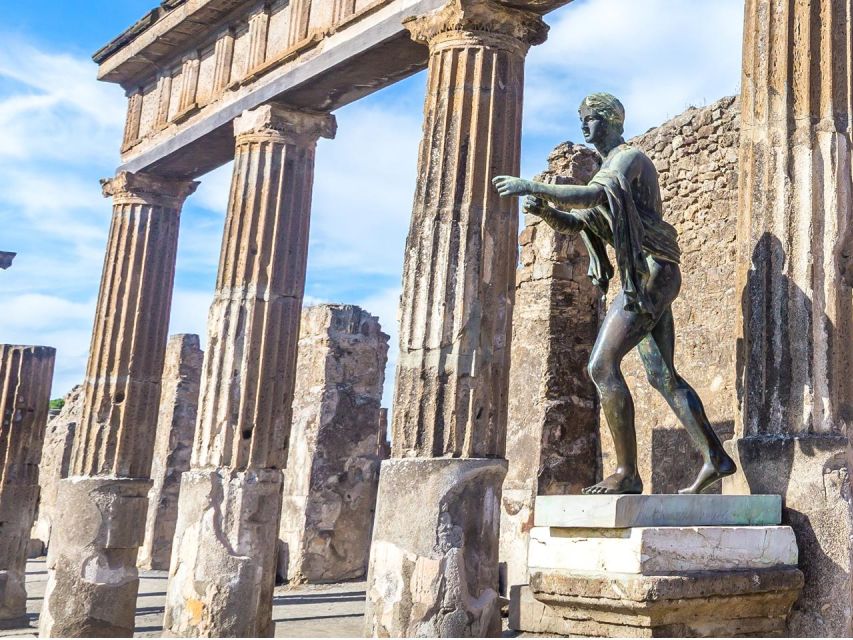
One of Pompeii’s biggest strengths is that you’re not just seeing stones. You’re seeing how people lived. The ticket format fits this perfectly because the audio guide helps you understand what you’re looking at as you move from one frescoed house (domus) to the next.
When you stand in a house ruin, the details tell the story:
- Wall paintings show taste and status
- Street-facing spaces hint at daily contact with passersby
- Courtyards and room layouts reveal how spaces worked
The best way to enjoy this section is slow enough to register what’s preserved. Don’t rush from doorway to doorway like it’s a museum checklist. Give each domus a few minutes. Look for fresco themes, signs of wealth, and how the space transitions from public-facing areas to more private interior zones.
If you’re into architecture, Pompeii’s domestic spaces are a goldmine. If you’re not, the audio guide still helps you connect the dots so you don’t feel like you’re just staring at weathered walls.
Other Pompeii entry tickets and audio guides





Baths, Temples, and Daily Roman Life You Can Walk Through
Pompeii isn’t only about dramatic tragedy. It also shows routine life: cleaning, worship, buying things, and enjoying entertainment.
This is where you’ll hit stops like:
- Spas (Roman bathing)
- Temples
- Shops
- Thermopolium spaces (the Roman equivalent of quick food)
In plain terms, these areas help you understand that Pompeii worked like a functioning city before the eruption. The ruins make it easy to imagine a crowded day: people moving through streets, stopping for a snack, visiting a temple, then heading back out.
Here’s the drawback to plan for: it’s easy to feel like you’re “seeing ruins” rather than “understanding a city.” That’s why the audio guide matters. If you let it run, even intermittently, you’ll usually find better meaning in what you’re standing beside.
Theaters and Brothels: A Side of Pompeii People Forget
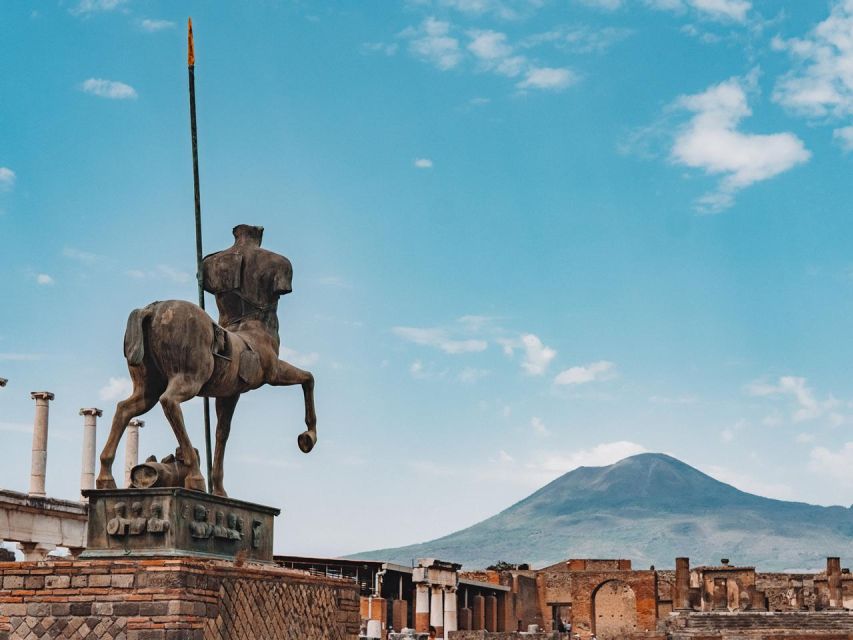
Pompeii is famous for what’s well preserved, but it’s also famous for what it reveals about Roman society. In this self-paced setup, you have the chance to see sights like theaters and brothels as part of the fuller picture.
These are the places where your mental map shifts. A theater isn’t just an old building. It’s a social engine—public gatherings, performances, and status. The brothel sites add a tougher, more human angle to the story: daily life wasn’t only elegant. It was also transactional and messy.
My advice: don’t skip these because they feel uncomfortable or unexpected. They’re exactly why Pompeii feels more real than a textbook.
If you prefer a gentler route, take your time at the theaters first, then move on when you’re ready. The audio guide helps make sense of what you’re seeing without requiring you to be an expert.
The Victims’ Casts: Why This Stop Hits Hard
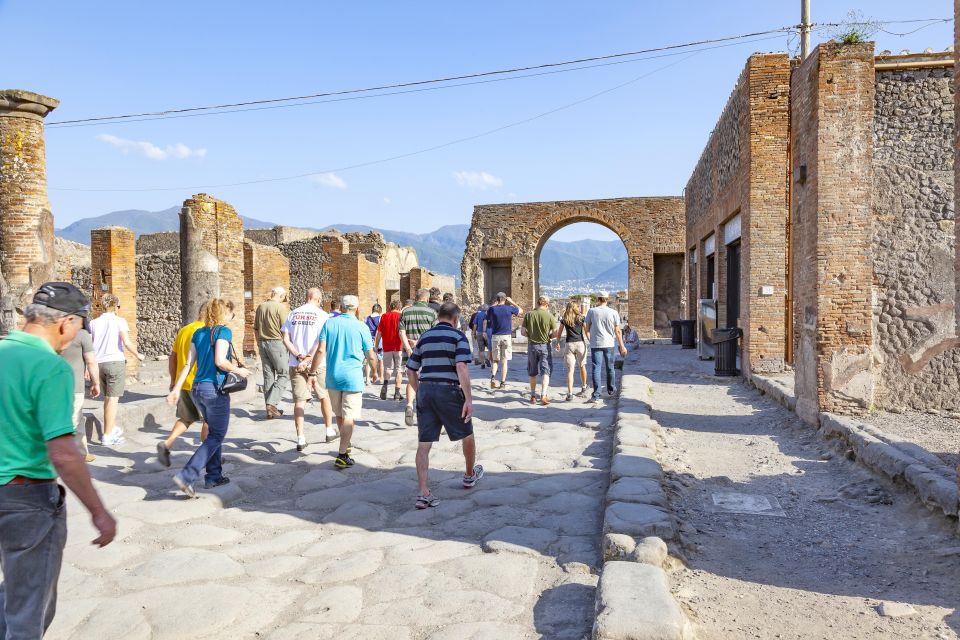
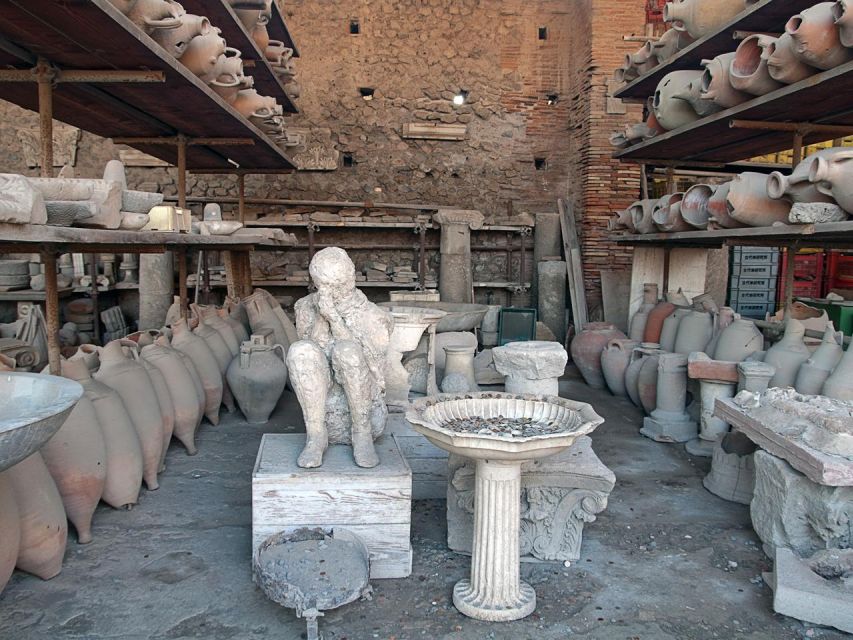
One of the most important stops is the casts of the victims of the eruption. This is the moment where Pompeii stops being scenic ruins and turns into direct, physical evidence of catastrophe.
It’s not a long stop on paper, but it’s emotionally heavy. If you’re prone to getting overwhelmed, do it when you have energy. Don’t schedule it late if you’re exhausted, because the weight of the material can feel heavier when you’re overheated and tired.
Give yourself a few moments to take it in, then step back and keep moving. The rest of Pompeii still matters after you’ve seen this part of the story, and your day doesn’t need to end right there.
The Amphitheater: Finish With a Big Roman Space

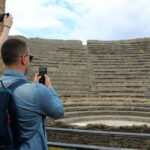
If there’s a “wrap-up” highlight, it’s the best-preserved Roman amphitheater. This kind of space is why Pompeii still feels impressive even to people who expected only rubble.
When you reach the amphitheater area, think about how it functioned:
- Crowd seating
- Visibility and acoustics
- Public spectacle as a daily reality
It’s a strong place to close your day because it gives your brain a large-scale reference point. You stop looking at small details and start thinking like a Roman citizen: where would you sit, what would you see, what would the atmosphere feel like?
If you still have energy, don’t just rush the amphitheater. Take a few minutes to look across the space and connect it to the earlier stops you saw—houses, streets, and public life.
What to Bring (and What to Skip) for an Easy Day
This is one of those tours where preparation matters more than perfect planning.
Bring:
- Comfortable shoes
- Hat
- Sunscreen
- Water
Skip:
- Luggage or large bags, since they’re not allowed
Also, plan your break strategy around the fact that food and drinks aren’t included. In hot weather, it’s easy to underestimate how much time you’ll spend resting and hydrating. If you’d rather not spend your day hunting for a meal, consider packing simple snacks in whatever form is allowed for you. The key is not getting caught without water.
Price and Value: Is $44 a Good Deal?
At about $44 per person, this ticket can be a good value if you care about two things: reducing friction and keeping your learning on track.
You’re paying for:
- Entrance ticket
- Audio guide
- Updated map
- Skip-the-line access
Skip-the-line is often the deciding factor. Pompeii is so large and so popular that even small delays can change how much you actually see. The audio guide and map are what make the experience feel coherent instead of scattered, especially if you don’t want to rely on a live guide.
So for $44, the best-fit traveler is someone who wants control—walking on your schedule—while still getting guidance so you don’t miss the most important areas.
If you hate self-paced touring and you want a tightly scripted group experience with constant explanations, this format might feel too free. But if you like making your own route and using audio when you want, the value is strong.
Who This Pompeii Ticket Suits Best
This ticket is a great match if you:
- Want a no-stress, self-paced day
- Enjoy walking and picking stops based on interest
- Prefer learning through an audio guide rather than a live guide
- Are comfortable managing yourself with a map
It’s not a fit if you:
- Need access support for mobility limitations, since it’s not suitable for people with mobility impairments
If you’re traveling with another person, this format also works well because you can both follow the same route while spending time at different spots—then regroup when you’re ready.
Should You Book This Pompeii Skip-the-Line Ticket?
Book it if your main goal is to see Pompeii efficiently, with less time wasted in queues and more time understanding what you’re looking at. The skip-the-line entry plus the audio guide and updated map is the winning combination for a first visit.
Don’t book it if you want a fully hosted tour with step-by-step guidance and constant answers, or if walking long distances is hard for you. Also, be honest about your energy level: Pompeii rewards steady pacing and punishes weak shoe choices.
If you’re ready to put on comfortable shoes, carry water, and walk a lot, this is a smart way to experience Pompeii at your own pace.
FAQ
How long do I have with the Pompeii skip-the-line ticket?
The ticket is valid for 1 day, and you’ll need to check availability to see the available starting times.
What’s included with this ticket?
It includes the Pompeii entrance ticket, an audio guide, and an updated map.
Is food and drinks included?
No. Food and drinks aren’t included.
What languages are available for the audio guide?
The audio guide is available in English, Chinese, French, Italian, German, Hebrew, Russian, Spanish, and Portuguese.
Where is the host or greeter language support?
The host or greeter is listed for English, Spanish, French, and Italian.
What should I bring to Pompeii?
Bring comfortable shoes, a hat, sunscreen, and water.
Are luggage or large bags allowed?
No. Luggage or large bags are not allowed.
Is this suitable for people with mobility impairments?
No. It’s not suitable for people with mobility impairments.
Is there free cancellation?
Yes. You can cancel up to 24 hours in advance for a full refund.