REVIEW · POMPEI CAMPANIA
Pompeii Skip-The-Ticket-Line Tour with an Archeologist
Book on GetYourGuide →Operated by Around Amalfi Coast · Bookable on GetYourGuide
Pompeii clicks faster with an archaeologist. This skip-the-ticket-line Pompeii tour gets you into the ancient city with a live expert, so you spend your time walking through the ruins and learning how the 79 AD eruption of Mt. Vesuvius buried everyday life. The payoff is simple: fewer delays, more meaning.
Two things I like right away. First, the ticket-line skip is a real time-saver, especially when the site is packed and you want to start seeing key areas. Second, the guide brings the preserved frescoes, artwork, and mosaics into focus so you are not just scanning stones and guessing what you are looking at.
One consideration: the tour price covers the guide, but entrance tickets are not included, so you’ll want to budget for them when comparing the total cost.
In This Review
- Quick Take
- Skip the Ticket Line for a Faster Start at Pompeii
- Your Archaeologist Guide Makes the Ruins Make Sense
- Frescoes, Artwork, and Mosaics: Seeing Details Without Losing the Plot
- Winding Streets, Daily Life, and the Human Side of Pompeii
- Mt. Vesuvius Views and the Eruption Story in Context
- The Thermopolium Detail That Makes History Feel Familiar
- What to Expect From a 2-Hour Walk (Pace, Stops, and Family Fit)
- Price and Value: Is $44 Worth It?
- Practical Tips Before You Go
- Should You Book This Pompeii Skip-the-Ticket-Line Tour?
Quick Take
- Skip-the-ticket-line entry helps you start walking sooner and keeps the morning from turning into a line-standing contest.
- An archaeologist-led route turns Pompeii from scenery into daily-life context.
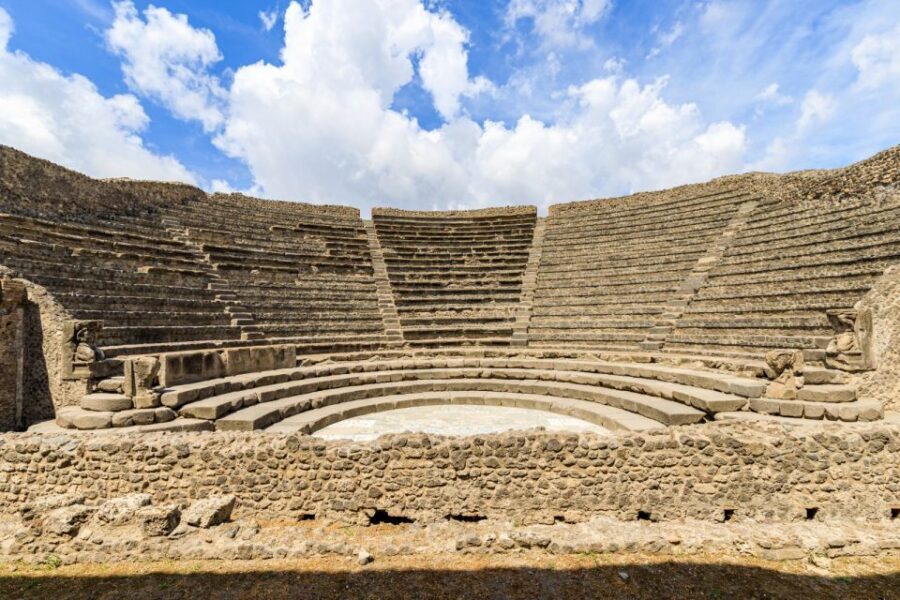
- Up-close stops for frescoes, artwork, and mosaics help you actually see details, not just shapes.
- Mt. Vesuvius viewpoints are built into the experience, giving the tragedy a sense of place.
- Guides adapt to different ages, with the tour working for families as well as adults.
- You finish with practical advice on how to spend the rest of your day in Pompeii.
Skip the Ticket Line for a Faster Start at Pompeii
Pompeii is famous, which means it can also be crowded and slow-moving. The smartest part of this tour is the promise of skipping the ticket line, so you lose less time standing still and more time walking the site with your guide.
That matters more than it sounds. Pompeii’s layout means you can burn minutes just figuring out where to go next. When you start earlier, your 2-hour window feels less rushed. And when the site is busy, “efficiency” stops being a buzzword and becomes the difference between enjoying the ruins and constantly checking the clock.
The tour runs rain or shine, too. So if the weather throws a curveball, you’re not stuck choosing between a soggy self-guided day and wasting the time you planned for. Bring comfortable shoes, plan for wet stone, and treat the day like a walk with a purpose rather than a photo quest.
Other Pompeii tours with an archaeologist

Your Archaeologist Guide Makes the Ruins Make Sense

The difference between a good Pompeii visit and a confusing one is interpretation. This tour pairs you with an archaeologist, and that role shows immediately in how the walk is explained.
The names that stand out in the guide lineup—people like Lello, Sonja, Italo, Maria, and Victoria—show a pattern: guides who explain clearly, add humor, and manage the group so you keep moving. That may sound small, but it is the core reason people rate this tour so highly.
For example, one memorable theme is how your guide helps you picture what life looked like before the eruption. You do not just hear that Pompeii was buried; you hear why the city’s spaces mattered. Residential rooms and decorative surfaces stop being background and start reading like evidence.
Another strength is pacing. Guides are described as routing you through the most important spots without constant disruptions from crowds. In practical terms, you should expect the group to stay together and the route to avoid the worst bottlenecks when possible.
And yes, there’s also the human side. If you have kids, this is the kind of tour that can work because the guide’s tone and timing are built to keep attention. If you have teens or adults who want more than basic facts, it works there too—because the “why” behind the ruins is part of the job.
Frescoes, Artwork, and Mosaics: Seeing Details Without Losing the Plot

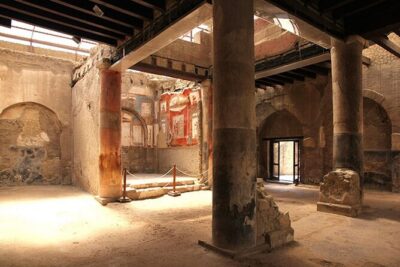
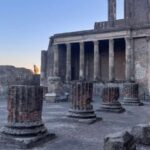
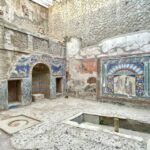
Pompeii is loaded with preserved art—frescoes, artwork, and mosaics—and that is exactly where a guided visit pays off. Without context, it is easy to treat these surfaces like museum decor. With your archaeologist, you learn how to look.
On this tour, you’ll get chances to appreciate these details up close. That is key. Pompeii isn’t like a single building where you can slow down forever. It’s a city of remains spread out in outdoor spaces. A guide helps you “read” what you see while you’re still in the right spot.
Here’s what this means for you as a visitor:
- You get a reason to stop and look, not just a suggestion to pause.
- You learn what to notice on walls, floors, and decorative features.
- You spend time in the places that help you build a mental picture of daily routines.
The end result is that your brain stops treating the ruins like a maze. Instead, you start connecting the art to the people who lived around it. It is not just pretty. It’s informative.
Winding Streets, Daily Life, and the Human Side of Pompeii
One of the most useful parts of the tour is how it handles daily life. You’re not only walking through famous ruins—you’re learning what Pompeii looked like in ordinary moments before it was interrupted.
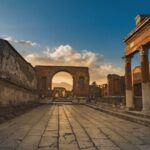
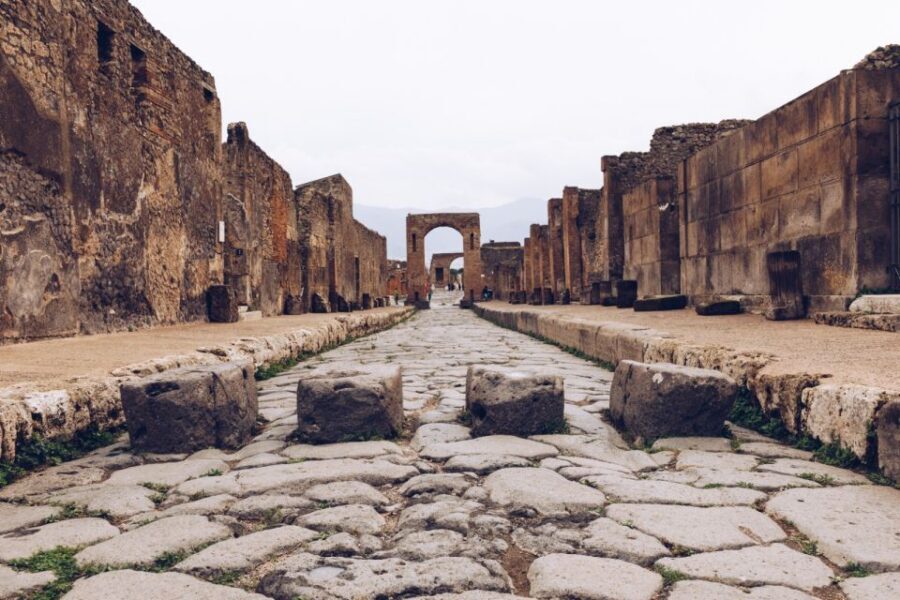
Your guide leads you through winding streets, and the narration is aimed at helping you understand the city as a lived-in place. That includes everyday habits and how people used the spaces around them. It is much easier to remember a place when you can picture what happened there.
This is also where the archaeologist advantage shows up. The guide doesn’t leave you with generic statements. You get specifics that help you interpret what you’re seeing as evidence of daily life rather than random remnants.
A nice bonus is how the tour is set up to avoid going in circles. If you’ve ever visited a site like this and felt like you kept turning left and right without building any understanding, you’ll appreciate the structured approach here. The guide’s job is to help you get from stop to stop with meaning attached.
Mt. Vesuvius Views and the Eruption Story in Context
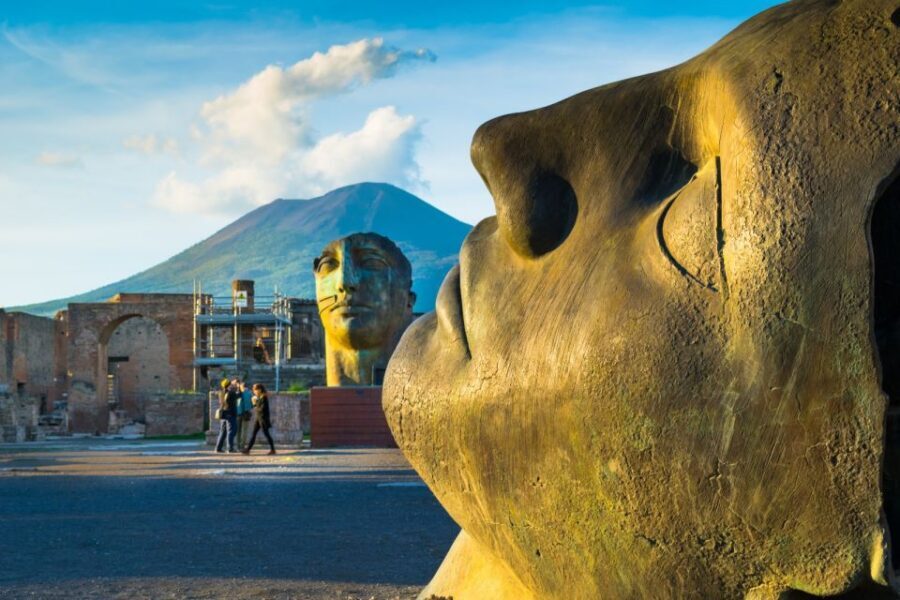
Pompeii’s burial during the eruption of Mt. Vesuvius in 79 AD is the headline. But the tour’s approach is more practical than dramatic. You learn the tragic fate and burial through the lens of the city itself, so the eruption story becomes tied to what you can still see today.
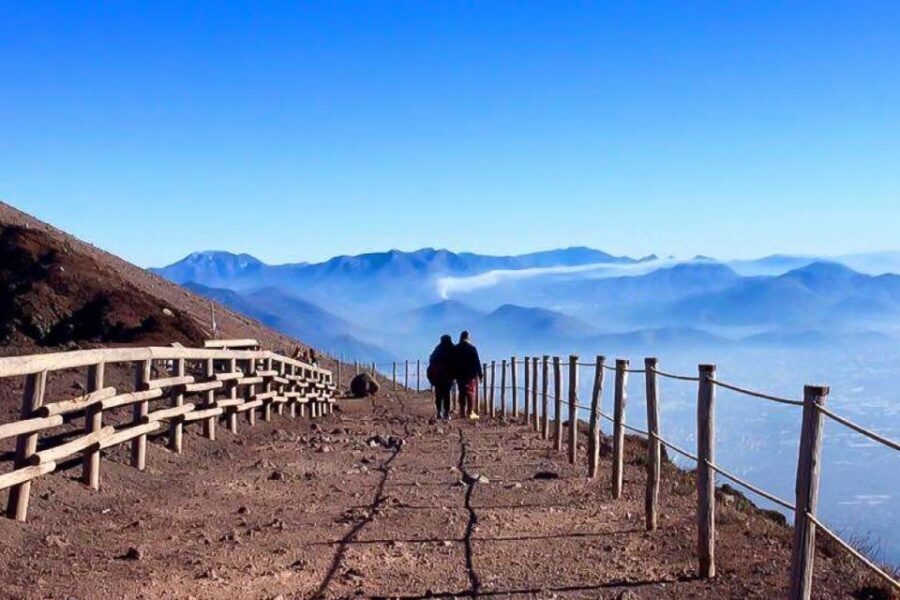
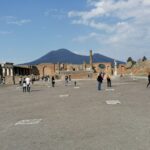
You also get breathtaking views of Mt. Vesuvius. That one detail can change how you experience the ruins. Looking at the volcano while you’re in Pompeii makes the disaster feel less like a chapter in a textbook and more like a real event tied to geography.
The balance is good here. You’re not dragged into pure catastrophe talk. Instead, you get the city’s normal life first—then the eruption and burial—so your understanding has a beginning. That “before and after” structure is exactly what helps most people retain what they learn.
Other skip-the-line Pompeii tickets and tours




The Thermopolium Detail That Makes History Feel Familiar
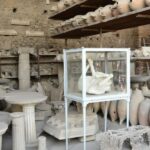
One of the most fun parts of the tour experience is the way your guide uses real-world examples to make the ancient city feel understandable. A great example is the thermopolium, described in one guide’s storytelling as the ancient equivalent of fast food.
That kind of anecdote works because it gives you a familiar reference point. You can imagine a place where people go to eat without cooking at home. Then suddenly, a surviving context clue in the ruins feels purposeful, not random.
Is the thermopolium the only story you’ll hear? You might find that your guide has a few go-to examples like this—small “everyday life” details that help you connect the dots quickly. That is the difference between hearing facts and forming a picture.
What to Expect From a 2-Hour Walk (Pace, Stops, and Family Fit)
The duration is 2 hours. That’s long enough to hit the important areas with explanation, but short enough that you can still build the rest of your day afterward.
Plan your day around this format:
- You’ll spend most of the time walking through the ruins with your guide.
- You’ll get multiple points where you slow down to see art and preserved features.
- You’ll finish with recommendations so you know where to go next without wandering.
It’s also rain or shine, so dress accordingly. Comfortable shoes are not optional here; Pompeii’s stone surfaces can be uneven. And the tour does not allow luggage or large bags, so pack light. A smaller daypack is the practical choice.
Language options are also clear: your guide can run in English or Italian. If your comfort level depends on language, choose the option that keeps you following the explanations without effort.
One more practical note: this tour is not suitable for pregnant women or people with mobility impairments. If you fit either category, you’ll want to look for a different format that better matches your needs.
Price and Value: Is $44 Worth It?
At $44 per person, this tour sits in a reasonable range for a guided, archaeologist-led experience. The bigger value question isn’t the $44—it’s what you get for it.
Here’s the value math that matters:
- The tour includes the guide.
- It does not include entrance tickets.
- It promises skip-the-ticket-line entry, which can be a big deal when you’re at a high-demand site.
So, if you add entrance tickets on top, your total cost is higher than the headline price. But you’re also paying for something that self-guided visitors often miss: a clear route, context that makes the ruins readable, and time saved at the start.
If you’re short on time, or if you want to avoid spending hours trying to interpret what you’re seeing, this is where the money tends to make sense. If you already know Pompeii well and you just want to roam freely, you might not need a guide for 2 hours. But most people find that the guide turns “a famous place” into “a place I actually understand.”
Practical Tips Before You Go
A few small prep steps can make this day smoother:
- Wear comfortable shoes with good grip.
- Bring a small bag since luggage or large bags are not allowed.
- Expect rain or shine, and plan for weather that changes quickly.
- Choose the language option that helps you catch every detail (English or Italian).
- Know that this is a walk-through format, not a sit-and-watch lecture.
Also, since the tour ends with recommendations, treat it like a guided “start smart” moment. Ask your guide how to spend the rest of your day based on what you’ve already seen, so you continue with purpose instead of guessing.
Should You Book This Pompeii Skip-the-Ticket-Line Tour?
Book it if you want Pompeii to feel organized, not overwhelming. This tour is built for people who want the headline ruins plus the story behind them: daily life, preserved art you can interpret, and the eruption of 79 AD with Mt. Vesuvius tied in.
I’d also recommend it if you’re visiting with kids or a mixed-age group. The strongest praise centers on guides who can keep the pace moving and still keep different ages engaged. That’s not luck. It’s a skill.
Skip it only if you already have a strong Pompeii plan and you’re comfortable exploring without an archaeologist’s help. And double-check your total budget since entrance tickets are extra.
If you want Pompeii to make sense faster and you’re happy to spend 2 hours walking with a pro, this is a smart, efficient way to do it.